
Your dog’s nails are more important than you might think. If you’ve ever noticed your furry friend limping or scratching the floor, it could be a sign their nails need attention.
Taking care of your dog’s nails is not just about looks—it affects their comfort, health, and even behavior. You’ll discover simple, effective ways to keep your dog’s nails healthy and strong. By the end, you’ll feel confident to handle nail care yourself and help your pet stay happy and pain-free.
Keep reading to learn how easy it can be to improve your dog’s daily life with proper nail care.
Credit: www.reviewed.com
Importance Of Nail Care
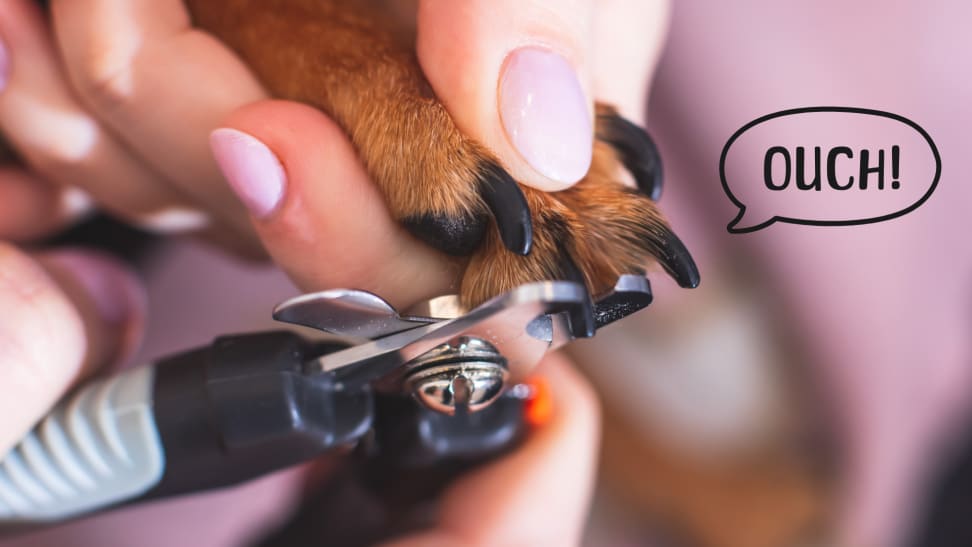
Proper nail care is essential for every dog’s well-being. Neglecting nails can cause pain and lead to health problems. Regular trimming keeps nails at a healthy length. It helps dogs walk and run comfortably. Nail care also prevents damage to furniture and floors. The process strengthens the bond between owner and pet. Understanding the importance of nail care helps maintain your dog’s overall health.
Impact On Dog’s Health
Long nails affect a dog’s posture and gait. This may cause joint pain or arthritis. Overgrown nails can tear or break easily. Broken nails lead to infections and serious pain. Proper nail care avoids these health issues. It promotes better blood circulation in paws. Healthy nails support better movement and comfort. Dogs with trimmed nails are less prone to injuries.
Behavioral Benefits
Dogs feel more relaxed with well-trimmed nails. Long nails can cause discomfort and stress. Discomfort may lead to irritability or anxiety. Nail care sessions create positive experiences. Regular trimming builds trust between dog and owner. It helps dogs stay calm during grooming. Well-maintained nails reduce scratching and unwanted behaviors. Consistent care promotes happier and balanced pets.
Choosing The Right Tools
Choosing the right tools for canine nail care can make the entire process smoother and less stressful for both you and your dog. The right equipment helps you avoid accidental cuts or discomfort while ensuring your dog’s nails stay healthy. Let’s look at the main types of tools that can help you maintain your dog’s nails effectively.
Types Of Nail Clippers
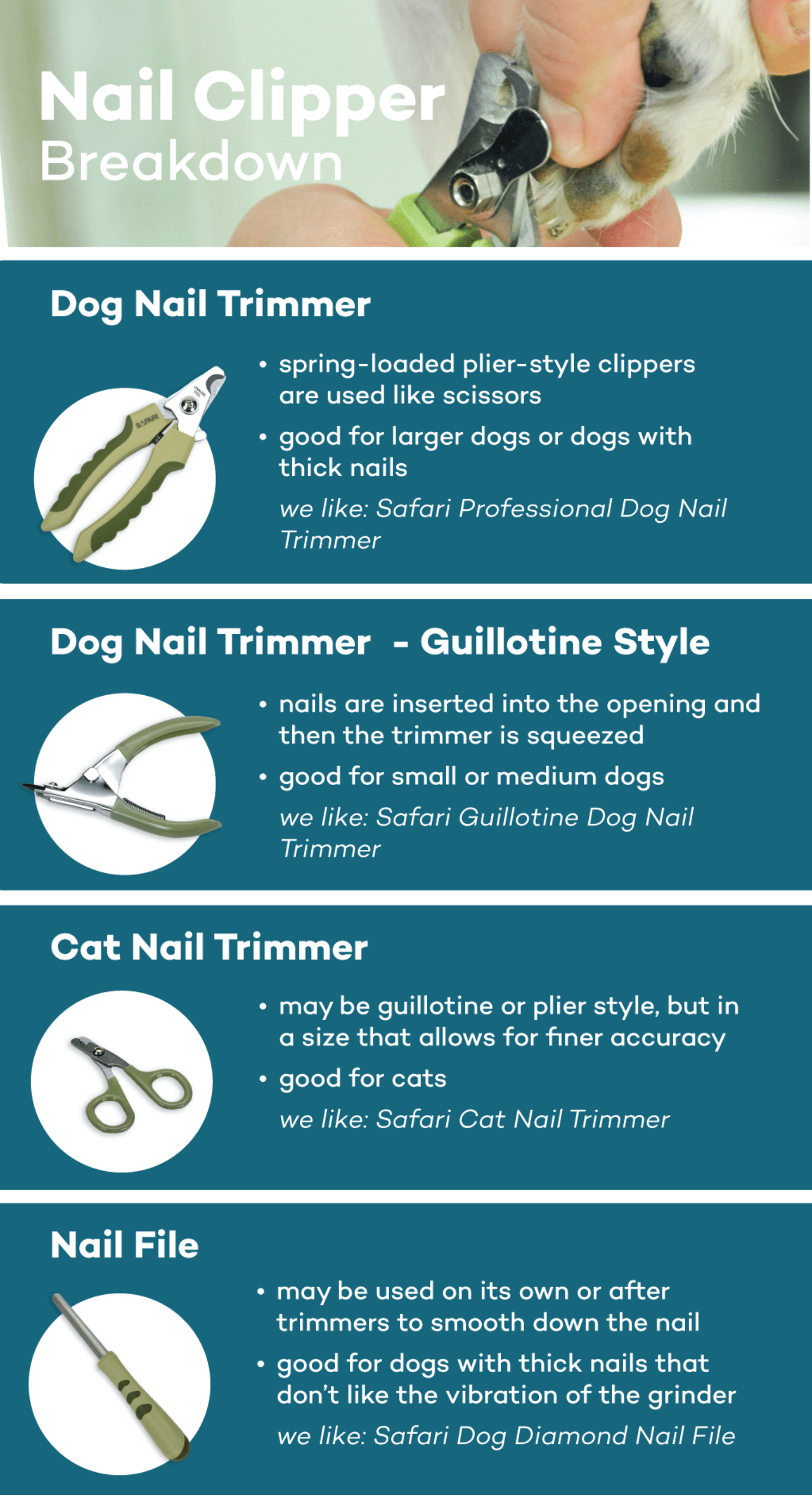
There are several types of nail clippers designed specifically for dogs. Each has its benefits and is suited for different dog sizes and temperaments.
- Guillotine Clippers:These have a hole where you insert the nail, and a blade cuts the nail when you squeeze the handle. They work well for small to medium dogs but require steady hands to avoid crushing the nail.
- Scissor Clippers:These look like regular scissors but with a strong, sharp blade designed for nails. They provide better control and are great for larger dogs with thick nails.
- Electric Nail Grinders:Though technically grinders, some people consider them an alternative to clippers. They smooth the nail down gradually, reducing the risk of cutting too short.
Consider your dog’s size and comfort when picking clippers. Have you noticed your dog’s reaction to different tools? That can guide you to the best choice.
Nail Files And Grinders
Nail files and grinders offer a gentler way to shape and smooth your dog’s nails. They are especially useful if your dog is nervous about clippers.
- Manual Nail Files:Simple and quiet, these are good for small dogs or touch-ups. They require more effort but give you control over how much nail you remove.
- Electric Grinders:These tools use a rotating sanding surface to grind down the nail slowly. They reduce the chance of cutting too much and are perfect for dogs with thick or dark nails where the quick is hard to see.
Electric grinders can be noisy, which might scare some dogs. Have you tried using a grinder alongside treats and praise? It can turn nail care into a positive experience.
When To Trim Nails
Knowing the right time to trim your dog’s nails helps keep them healthy. Nails that grow too long can cause pain or walking problems. Regular checks will help you spot when trimming is needed. Understanding the signs and how often to trim prevents issues before they start.
Signs Nails Are Too Long
- Nails touch or click on the floor when walking.
- Dog limps or avoids putting weight on a paw.
- Nails curl or grow into the paw pads.
- Visible dirt or debris stuck under nails.
- Difficulty gripping surfaces or running.
- Dog shows discomfort when paws are touched.
Recommended Trimming Frequency
Most dogs need nail trims every 3 to 4 weeks. Active dogs who walk on hard surfaces may need trims less often. Puppies and small breeds often need more frequent trims. Watch your dog’s nails weekly to decide the best schedule. Regular trimming keeps nails short and healthy.
Step-by-step Trimming Guide
Trimming your dog’s nails can be simple and stress-free. This guide helps you care for your pet safely. Follow these steps to keep nails healthy and neat. Regular trimming prevents pain and damage. Prepare well, cut safely, and avoid common errors for best results.
Preparing Your Dog
Choose a quiet, comfortable spot for nail trimming. Calm your dog with gentle petting or soft words. Have nail clippers, styptic powder, and treats ready. Let your dog sniff and explore the tools first. Hold your dog’s paw gently but firmly. Take breaks if your dog feels nervous.
Safe Cutting Techniques
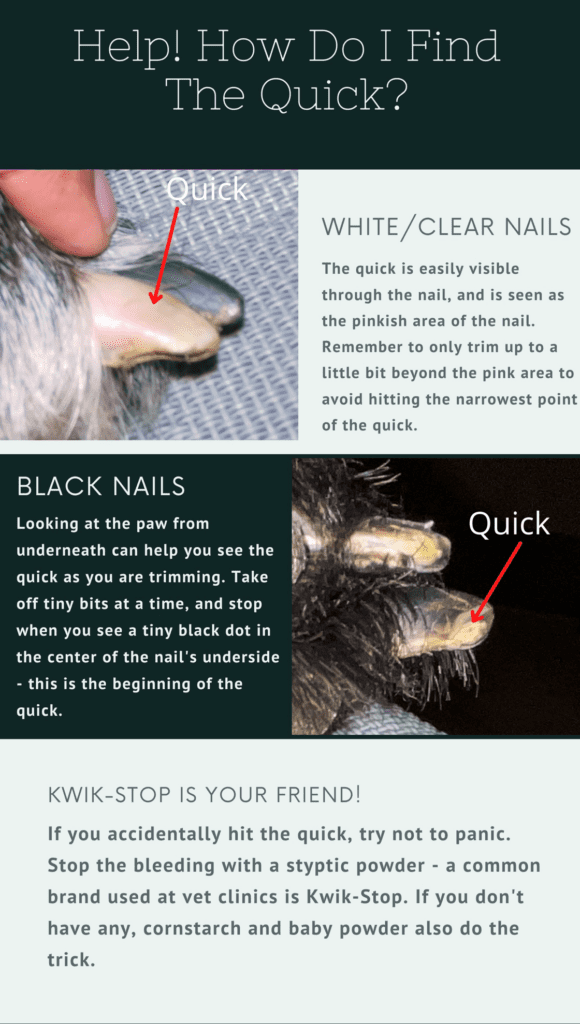
Look closely at the nail to find the quick. The quick is a pink area inside the nail. Avoid cutting into the quick to stop bleeding and pain. Trim small sections at a time. Use sharp, clean clippers for a smooth cut. Cut nails straight across to prevent splitting. File nails after clipping for smooth edges.
Avoiding Common Mistakes
- Do not cut nails too short or too fast.
- Avoid using dull clippers that crush nails.
- Do not ignore signs of discomfort or pain.
- Never force your dog to stay still if scared.
- Do not forget to reward your dog after trimming.
- Avoid trimming nails when your dog is overly excited.
Handling Nail Injuries
Handling nail injuries in dogs requires calm and quick action. Nails can break, bleed, or hurt your dog. Knowing how to spot problems and care for them helps avoid infection and pain. Understanding the basics of nail injury care keeps your dog safe and comfortable.
Recognizing Bleeding And Damage
Check your dog’s paw for broken or cracked nails. Bleeding may come from the quick, the pink part inside the nail. Your dog might lick or bite the injured nail. Swelling or limping can also show pain. Notice if the nail looks darker or has a split.
First Aid Tips
- Calm your dog before touching the paw.
- Use clean cloth or gauze to stop bleeding.
- Apply gentle pressure on the nail for a few minutes.
- Use styptic powder or cornstarch if bleeding continues.
- Clean the area with mild antiseptic after bleeding stops.
- Keep your dog from licking the nail to avoid infection.
- Trim any loose nail edges carefully to prevent more damage.
- Watch your dog for signs of pain or infection.
- Visit the vet if bleeding does not stop or if the nail is deeply injured.
Credit: www.petfood.express
Maintaining Healthy Paws
Keeping your dog’s paws healthy is more than just a grooming task—it directly impacts their comfort and mobility. Healthy paws help your canine friend enjoy walks, playtime, and everyday activities without pain or discomfort. Paying attention to their paws regularly can prevent issues before they become serious problems.
Regular Inspection
Check your dog’s paws often, especially after walks or outdoor play. Look closely for cuts, cracks, swelling, or foreign objects like small stones or splinters lodged between the toes. These tiny irritations can cause big problems if left unnoticed.
Notice if your dog is licking their paws more than usual or limping—these signs often point to discomfort. Use gentle pressure to feel the pads and nails for any heat or tenderness, which could indicate infection. Making this a habit will help you catch issues early and keep your dog comfortable.
Moisturizing And Protection
Dry, cracked paw pads are common, especially in winter or hot weather. Moisturizing your dog’s paws with pet-safe balms or oils restores softness and prevents painful splits. Avoid human lotions as they might contain ingredients harmful to dogs.
Protect your dog’s paws from harsh surfaces like hot pavement, ice, or rough trails by using booties or applying protective waxes. This extra step can save your dog from burns, cuts, or irritation. Ask yourself—how often do you consider the surface your dog walks on and its effect on their paws?
Professional Grooming Options
Professional grooming can make a significant difference in keeping your dog’s nails healthy and comfortable. While regular at-home trimming works for many, sometimes your furry friend needs expert care to avoid pain or injury. Understanding your options helps you decide the best path for your pet’s nail health.
When To Seek Help
Is your dog unusually anxious or resistant during nail trims? This could be a sign to get professional help. Groomers are trained to handle nervous pets gently and efficiently.
If your dog’s nails are overgrown, cracked, or bleeding, it’s wise to visit a professional. They have the right tools and experience to safely manage tricky nail conditions without causing discomfort.
Don’t wait until nails curl under the paw pads or cause limping. Early intervention by a groomer can prevent painful problems and costly vet visits.
Choosing A Groomer
Look for groomers who specialize in canine nail care or have solid experience with nervous dogs. Ask about their techniques, tools, and how they keep pets calm.
Check reviews and get recommendations from other dog owners or your veterinarian. A groomer with a good reputation is more likely to provide a positive experience for your dog.
Visiting the grooming salon beforehand lets you see the environment and meet the staff. Is it clean? Do the groomers seem patient and kind? Your dog’s comfort starts here.
Remember, your dog’s safety and comfort are the top priorities. Choosing the right professional can make nail care a stress-free routine for both of you.
Credit: www.greatfallsanimalhospital.com
Frequently Asked Questions
How Often Should I Trim My Dog’s Nails?
Trim your dog’s nails every 3 to 4 weeks. Regular trimming prevents overgrowth, discomfort, and potential injuries. Check nails monthly to maintain proper length and avoid splitting or cracking. Consistent care keeps your dog comfortable and healthy.
What Tools Are Best For Canine Nail Care?
Use sharp nail clippers or a rotary grinder designed for dogs. Choose tools based on your dog’s nail size and comfort. Proper tools make trimming safer and reduce stress for your pet. Always sanitize tools before and after use.
How Can I Prevent My Dog’s Nails From Splitting?
Avoid cutting nails too short and trim regularly. Use a nail file to smooth edges after trimming. Keep nails clean and dry to prevent brittleness. Proper diet and hydration also support healthy nail growth.
What Are Signs Of Unhealthy Dog Nails?
Look for redness, swelling, cracks, or bleeding around nails. Limping or excessive licking of paws may indicate nail pain. Thickened or discolored nails can signal infection or health issues. Consult a vet if you notice these symptoms.
Conclusion
Caring for your dog’s nails keeps them healthy and happy. Regular trims prevent pain and injury. Use proper tools for a safe trimming experience. Check nails often to know when they need cutting. Be gentle and patient with your pet.
This builds trust and reduces stress. Learning how to trim nails correctly takes practice. Don’t hesitate to ask a vet for guidance. Your dog’s paws will thank you for the care. Keep it simple, keep it kind. Happy trimming!
