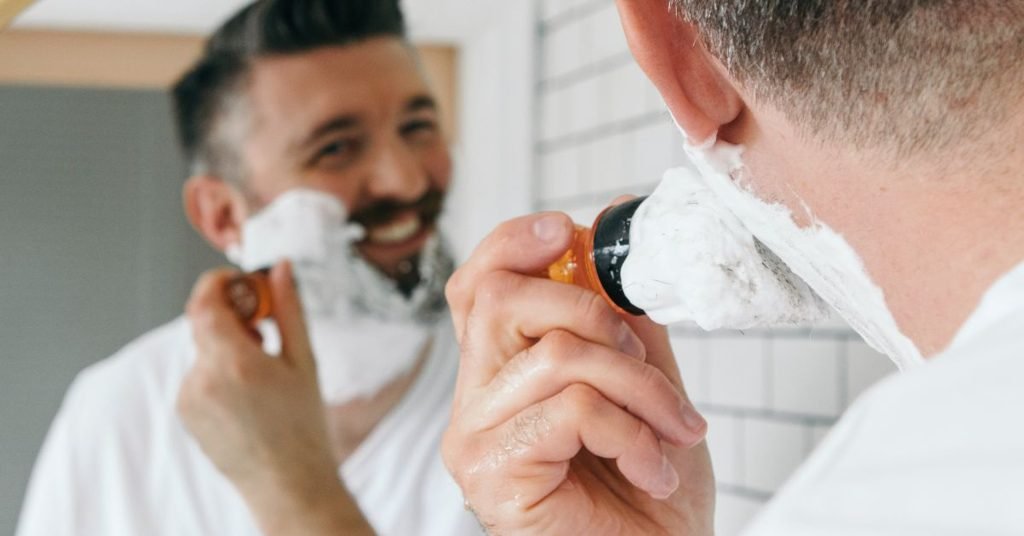
Have you ever wondered if it’s okay to follow your skincare routine right after shaving? You might be unsure whether applying products immediately helps or harms your skin.
The truth is, what you do after shaving can make a big difference in how your skin feels and looks. If you want to avoid irritation, redness, or dryness, you need to know the right steps to take. Keep reading to discover how to care for your skin after shaving and make your routine work for you, not against you.

Credit: aligordon.net
Effects Of Shaving On Skin
Shaving affects the skin in many ways. It can change how the skin feels and looks. Understanding these effects helps in caring for skin after shaving. The skin becomes more sensitive and needs gentle treatment. Taking care of the skin after shaving helps avoid irritation and damage.
How Shaving Impacts Skin Barrier
Shaving removes the top layer of dead skin cells. This can weaken the skin barrier that protects against dirt and germs. The skin barrier acts like a shield keeping moisture in. When it is disturbed, skin can lose water quickly. This leads to dryness and rough texture. A weak barrier also makes skin more prone to irritation and redness.
The blade can cause tiny cuts or micro-abrasions. These small wounds invite bacteria to enter. This may cause infections or pimples. The skin needs time to heal and rebuild its barrier. Using harsh products right after shaving can worsen the damage.
Common Skin Reactions Post-shaving
- Redness:Shaved skin often looks red due to irritation.
- Itching:Dryness and healing wounds cause itching sensations.
- Burning Sensation:Sensitive skin may feel a mild burning or stinging.
- Razor Bumps:Hair growing back can cause small raised bumps.
- Dryness:Loss of moisture leaves skin feeling tight and flaky.
These reactions are common but can be minimized. Gentle skincare and proper aftershave routines help calm the skin. Avoiding strong chemicals supports faster skin recovery and comfort.
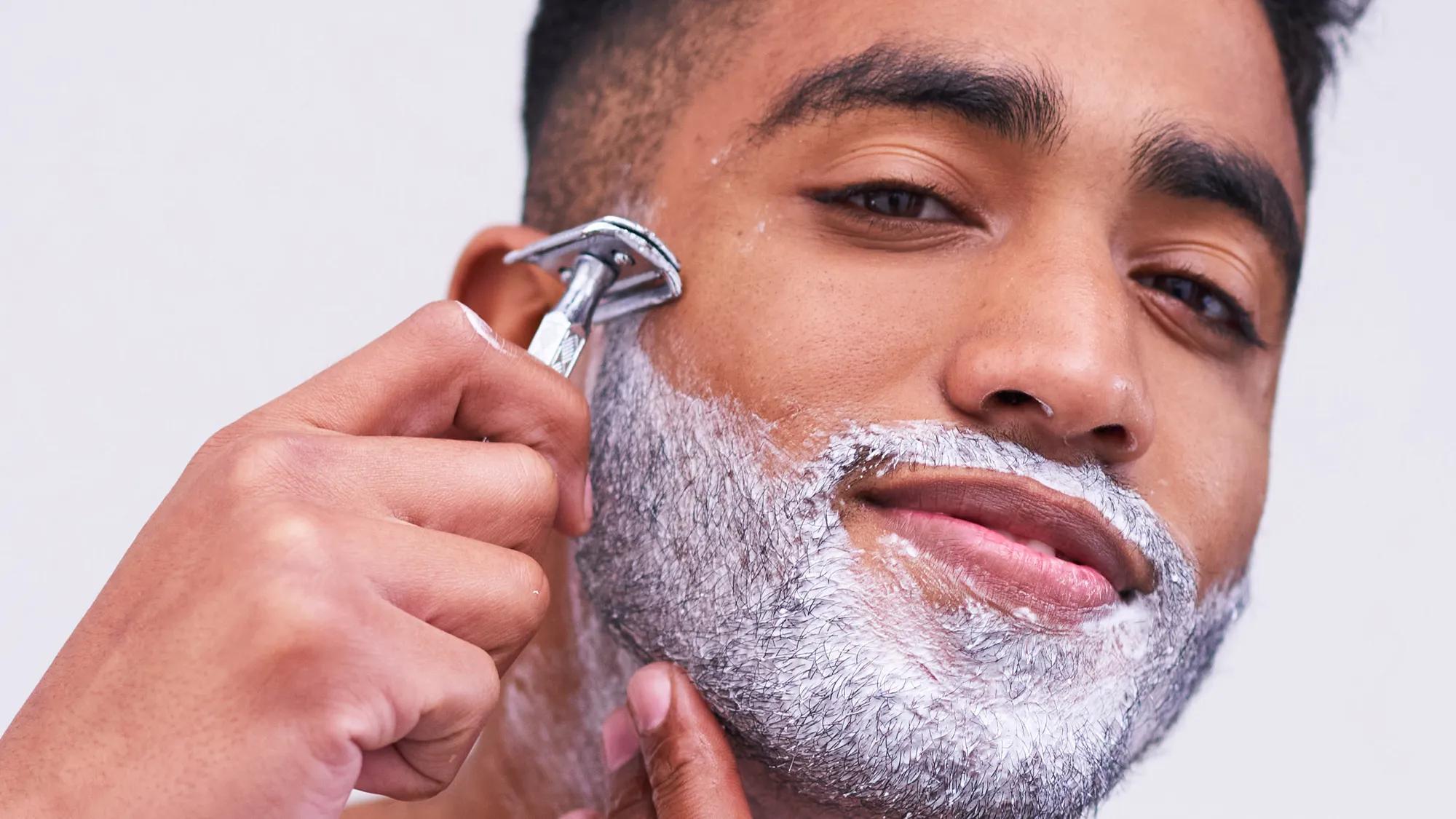
Credit: health.clevelandclinic.org
Timing Your Skincare Routine
Timing plays a crucial role in your skincare routine after shaving. Your skin is more sensitive and vulnerable right after you shave, so knowing when to apply your products can make a big difference. Let’s look at how to time your routine to keep your skin calm, hydrated, and protected.
Ideal Time To Apply Skincare Products
Right after shaving, your skin is clean but also a bit raw. It’s best to wait a few minutes before layering on products. This short wait allows any tiny cuts or irritation to settle, reducing the risk of stinging or redness.
Once the initial sensitivity fades, usually within 5 to 10 minutes, start with a soothing toner or a gentle moisturizer. Products with calming ingredients like aloe vera or chamomile work well here. Applying your routine too soon can cause discomfort, but waiting too long might leave your skin dry.
What To Avoid Immediately After Shaving
Avoid harsh skincare products right after you shave. This includes exfoliants, retinoids, and anything with strong acids. They can irritate your freshly shaved skin and cause redness or even tiny burns.
Also, skip heavy fragrances or alcohol-based toners immediately post-shave. These can sting and dry out your skin further. Instead, opt for mild, hydrating products that support healing.
Have you noticed a difference when you wait before applying your skincare? Paying attention to timing could be the simple change your routine needs to prevent irritation and keep your skin looking its best.
Best Skincare Products After Shaving
Choosing the right skincare products after shaving is essential for healthy skin. Shaving can irritate and dry out the skin. Using gentle and effective products soothes and repairs the skin quickly. The best products reduce redness, prevent bumps, and keep the skin soft. Picking the right ingredients helps your skin heal without discomfort.
Soothing Ingredients To Look For
Some ingredients calm the skin after shaving. They reduce redness and stop irritation fast. Look for products with:
- Aloe vera – cools and hydrates the skin
- Chamomile – soothes inflammation and redness
- Calendula – helps heal small cuts and irritation
- Green tea extract – fights irritation and protects skin
- Witch hazel – reduces swelling and prevents bumps
These ingredients create a calming effect. They make your skin feel comfortable and refreshed.
Moisturizers That Help Heal Skin
Moisturizers lock in water and repair the skin barrier. Use light, non-greasy formulas to avoid clogging pores. Good options include:
- Glycerin – attracts moisture and softens skin
- Hyaluronic acid – holds water to keep skin plump
- Ceramides – rebuild skin’s protective layer
- Shea butter – deeply nourishes and soothes dry skin
- Vitamin E – protects skin and supports healing
These moisturizers help skin recover quickly. They keep your skin smooth and healthy after shaving.
Step-by-step Post-shave Skincare Routine
Shaving can leave your skin sensitive and prone to irritation. A careful skincare routine after shaving calms and protects your skin. Follow these simple steps to care for your skin properly.
Cleansing Techniques After Shaving
Use lukewarm water to rinse your face right after shaving. Avoid hot water as it can dry out your skin. Use a gentle, fragrance-free cleanser to remove leftover shaving cream and sweat. Pat your skin dry with a soft towel; do not rub. This reduces irritation and keeps your skin smooth.
Applying Toners And Serums Safely
Choose alcohol-free toners to soothe your skin. Apply toner gently using a cotton pad or your fingertips. Let it absorb fully before moving on. Use serums with calming ingredients like aloe vera or chamomile. Apply a small amount and avoid rubbing harshly. This helps reduce redness and inflammation.
Choosing The Right Moisturizer
Select a moisturizer made for sensitive skin types. Look for ingredients like glycerin, hyaluronic acid, or ceramides. These help lock in moisture and repair the skin barrier. Apply the moisturizer evenly over your face and neck. Use a light layer to avoid clogging pores. This keeps your skin hydrated and soft after shaving.
Common Mistakes To Avoid
After shaving, your skin is in a delicate state, which makes it easy to make mistakes that can lead to irritation or breakouts. Avoiding common errors in your post-shave skincare routine is key to maintaining healthy, smooth skin. Let’s look at some pitfalls you might not realize you’re falling into.
Using Harsh Products Too Soon
Right after shaving, your skin’s surface is more sensitive and prone to damage. Applying strong exfoliants, alcohol-based toners, or products with heavy fragrances can cause redness and discomfort.
Instead, choose gentle products that soothe and protect your skin. Have you ever felt a burning sensation after applying your usual skincare? That’s a sign to switch to milder options until your skin calms down.
Skipping Moisturization
Shaving strips away natural oils, leaving your skin dry and vulnerable. Skipping moisturizer after shaving can increase irritation and tightness.
Make moisturizing a non-negotiable step. Use a lightweight, hydrating lotion or gel that locks in moisture without clogging your pores. Your skin will thank you with a soft, healthy glow.
Ignoring Skin Irritation Signs
It’s easy to overlook small signs like redness, bumps, or itching after shaving. Ignoring these symptoms can lead to more serious issues like infections or razor burn.
Pay close attention to how your skin reacts and adjust your routine accordingly. If irritation persists, consider using calming ingredients like aloe vera or chamomile, or give your skin a break from active products.

Credit: banish.com
Expert Tips For Sensitive Skin
Expert tips can help protect sensitive skin after shaving. Sensitive skin needs gentle care to avoid redness and irritation. Small changes in your routine make a big difference.
Choose soothing products and avoid harsh ingredients. Use cool water to rinse your face and pat it dry softly. These simple steps calm the skin and prevent damage.
How To Prevent Razor Burn
- Use a sharp, clean razor to reduce skin irritation.
- Shave in the direction of hair growth to avoid cuts.
- Apply a moisturizing shaving cream to soften hair and skin.
- Rinse your razor often to remove buildup and bacteria.
- Do not press too hard; let the razor glide gently.
- After shaving, rinse with cool water to close pores.
- Pat skin dry with a soft towel; avoid rubbing.
Calming Treatments For Irritated Skin
- Apply aloe vera gel to soothe and hydrate skin.
- Use fragrance-free moisturizers to reduce redness and dryness.
- Try products with chamomile or green tea extract for calming effects.
- Cold compresses can reduce swelling and discomfort.
- Avoid alcohol-based aftershaves that can worsen irritation.
- Give your skin time to heal before shaving again.
Frequently Asked Questions
Can I Apply Moisturizer Immediately After Shaving?
Yes, applying moisturizer right after shaving helps soothe skin and prevent dryness. Use a gentle, fragrance-free moisturizer to avoid irritation.
Should I Avoid Exfoliating After Shaving My Face?
Yes, avoid exfoliating immediately after shaving. Shaving already removes dead skin cells, and exfoliating can cause irritation or sensitivity.
Is It Safe To Use Toner After Shaving?
Yes, but choose an alcohol-free toner. Alcohol can dry out and irritate freshly shaved skin, so opt for soothing, hydrating formulas.
Can I Use Sunscreen Right After Shaving?
Absolutely. Applying sunscreen after shaving protects sensitive skin from UV damage. Use a gentle, broad-spectrum sunscreen for best results.
Conclusion
Shaving and skincare can go hand in hand. A well-timed skincare routine helps your skin heal and stay smooth. Use gentle products to avoid irritation. Moisturize to keep the skin hydrated. This ensures a fresh and healthy look. Listen to your skin’s needs.
Adjust as necessary. Everyone’s skin is different. Find what works best for you. Embrace a routine that suits your skin type. Enjoy the benefits of well-cared-for skin. Your face will thank you. Keep it simple and effective. Happy shaving and skincare!
