Are you tired of sifting through countless skincare products, only to feel overwhelmed and unsure of what truly works for you? Building a skincare routine with your own products can feel like piecing together a puzzle.
But what if you could confidently create a regimen tailored just for your skin’s needs? Imagine having that perfect blend of products that not only enhances your natural beauty but also gives you that radiant glow. In this guide, you’ll discover how to use what you already have to craft a skincare routine that actually delivers results.
Ready to unlock the secrets to healthier skin? Let’s dive in and transform your skincare game!

Credit: www.reddit.com
Assess Your Skin Type
Knowing your skin type is the first step to build an effective skincare routine. It helps you choose products that suit your skin’s needs. Assessing your skin type is simple and requires close observation of your skin’s behavior. This process saves time and money by avoiding wrong products.
Identify Your Skin Characteristics
Start by looking at your skin closely in natural light. Notice how it feels and looks throughout the day. Ask yourself these questions:
- Does my skin feel tight or dry after washing?
- Is there shine or oil on my forehead, nose, or chin?
- Are there visible flakes or rough patches?
- Do I experience redness or irritation easily?
- Is my skin smooth or uneven in texture?
Write down your answers. Observing these signs helps understand your skin’s unique traits and needs.
Common Skin Types And Traits
| Skin Type | Key Traits |
|---|---|
| Normal | Balanced, smooth texture, no excessive oil or dryness |
| Dry | Feels tight, flaky, rough patches, dull appearance |
| Oily | Shiny, greasy, large pores, prone to acne |
| Combination | Oily in T-zone, dry or normal on cheeks |
| Sensitive | Redness, irritation, reacts easily to products |
Recognizing your skin type guides product choice and routine steps. It ensures your skin stays healthy and comfortable.
Sort Your Products
Sorting your skincare products is a crucial step before building your personalized routine. It helps you understand what you have, what you need, and how to use each item effectively. When you organize your products, you avoid confusion and ensure that your skin gets the right care without overlap or conflict.
Categorize By Function
Start by grouping your products based on their purpose. Separate cleansers, toners, serums, moisturizers, sunscreens, and treatments into distinct piles or shelves. This simple act lets you see what type of products you have in abundance and what might be missing.
For example, I once discovered I had three different moisturizers but no proper sunscreen. That changed my routine immediately. Have you checked if you have enough products for each step of your skincare routine?
Check Expiry And Ingredients
Next, examine each product’s expiration date. Expired skincare can irritate your skin or lose effectiveness. Toss anything that’s past its prime to avoid unwanted reactions.
Look at the ingredient list carefully. Are there any harsh chemicals or allergens you want to avoid? Knowing what’s inside helps you mix and match safely, preventing irritation or breakouts.
When I found a serum with expired ingredients, I realized the importance of this step. It saved me from a potential skin flare-up. What ingredients work best for your skin type?
Morning Routine Essentials
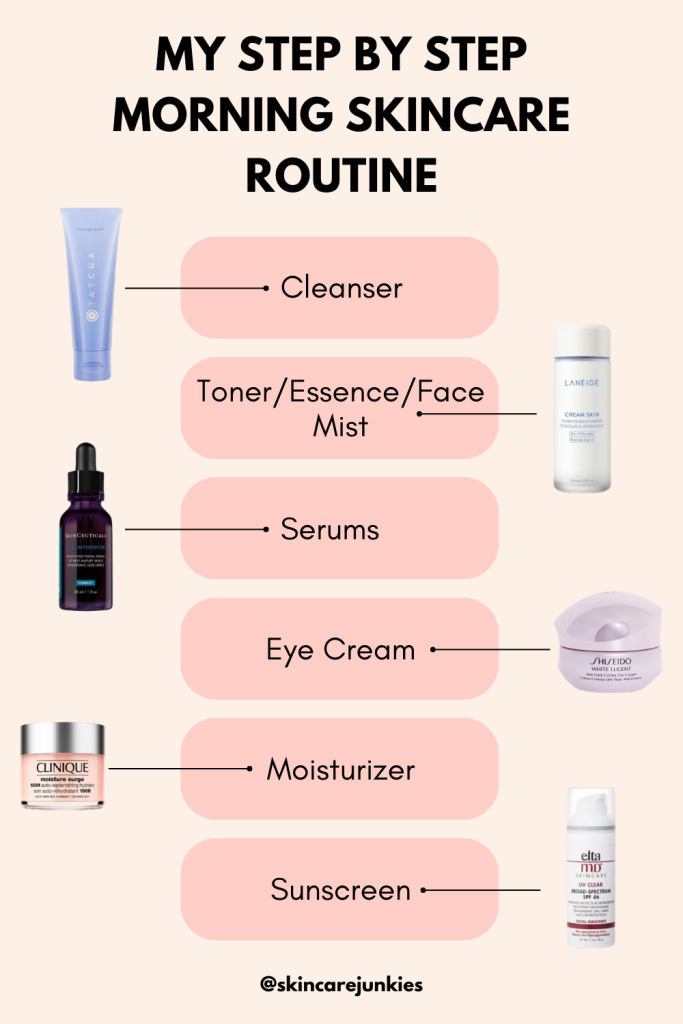
Starting your day with the right skincare routine sets the tone for healthy skin. Morning skincare helps protect your face from daily stress and environmental damage. It prepares your skin for makeup or going bare-faced with confidence.
Focus on simple but effective steps using your own products. Consistency is key to seeing results over time. Here are the essentials to include in your morning routine.
Cleansing And Toning
Begin by washing your face with a gentle cleanser. This removes oils and dirt collected overnight. Avoid harsh soaps that dry out your skin.
Follow cleansing with a toner to balance your skin’s pH. Toners also tighten pores and refresh your face. Use a cotton pad or your hands to apply toner gently.
Serums And Treatments
Apply serums after toning for targeted care. Serums contain active ingredients like vitamin C or hyaluronic acid. These brighten, hydrate, and protect your skin.
Choose treatments based on your skin needs. For example, use anti-aging serums or acne treatments as needed. Let each product absorb before moving to the next.
Moisturizing And Sun Protection
Lock in hydration with a good moisturizer. Moisturizers keep skin soft and smooth all day. Pick a formula that fits your skin type.
Never skip sunscreen. Use a broad-spectrum SPF to guard against UV rays. Apply sunscreen even on cloudy days to prevent sun damage.
Evening Routine Steps
Evening routine steps are crucial for maintaining healthy and glowing skin. Your skin works hard overnight to repair and rejuvenate, so giving it the right care before bed makes a big difference. Let’s break down the essentials you can add to your skincare routine using your own products.
Makeup Removal And Cleansing
Removing makeup is the first and most important step before cleansing. Skipping this can clog your pores and cause breakouts. Use a gentle makeup remover or cleansing oil to dissolve all traces of makeup, even waterproof formulas.
Follow up with a cleanser that suits your skin type—gel for oily skin, cream for dry skin. Double cleansing, starting with an oil-based remover and then a water-based cleanser, can leave your skin truly clean without stripping moisture. Have you ever noticed how your skin feels after just one cleanse versus two?
Exfoliation Techniques
Exfoliating helps remove dead skin cells that build up and dull your complexion. Choose between chemical exfoliants like AHAs or BHAs and physical scrubs, depending on your skin’s sensitivity. Use exfoliants 2-3 times a week to avoid irritation.
When I started exfoliating regularly, my skin texture improved dramatically within weeks. Pay attention to how your skin reacts—redness or excessive dryness means you need to reduce frequency or switch products. Could your skin benefit from a gentle exfoliation tweak?
Night Creams And Serums
Night creams and serums deliver concentrated ingredients that support skin repair while you sleep. Look for products with ingredients like retinol, peptides, or hyaluronic acid based on your skin concerns. Applying serums before creams helps lock in active ingredients for better absorption.
Using the right night cream has noticeably reduced my fine lines and kept my skin hydrated through the night. Don’t forget to massage the products gently into your skin to boost circulation. What active ingredients have you found most effective in your nighttime skincare?
Customize For Skin Concerns
Customizing your skincare routine helps target specific skin concerns effectively. Each skin type has unique needs. Tailoring your products ensures better results and healthier skin.
Focus on the main issues your skin faces. This approach prevents using unnecessary products. It also reduces skin irritation and improves overall skin balance.
Acne Management
Acne-prone skin needs gentle yet effective care. Choose products with ingredients like salicylic acid or benzoyl peroxide. These help clear clogged pores and reduce breakouts.
Use a mild cleanser to avoid over-drying. Add a lightweight, oil-free moisturizer to keep skin hydrated. Avoid heavy creams that can worsen acne.
- Cleanse twice daily with a gentle acne cleanser
- Apply a spot treatment on active blemishes
- Use a non-comedogenic moisturizer
- Always wear sunscreen to protect healing skin
Anti-aging Tips
Skin starts to show signs of aging with fine lines and dullness. Use products rich in antioxidants like vitamin C to brighten skin. Retinol can help boost collagen and smooth wrinkles.
Hydrating ingredients keep skin plump and youthful. Use a gentle exfoliant to remove dead skin cells and improve texture.
- Apply antioxidant serum in the morning
- Use retinol or peptide cream at night
- Moisturize daily to maintain skin elasticity
- Protect skin from sun damage with SPF
Hydration Boosters
Dry or dehydrated skin needs extra moisture to stay healthy. Look for products with hyaluronic acid or glycerin. These attract water and keep skin soft.
Use rich creams or oils for very dry skin. Layering products can help lock in moisture throughout the day.
- Start with a hydrating toner or essence
- Apply a serum with humectants
- Use a rich moisturizer or facial oil
- Drink plenty of water for internal hydration
Credit: www.lemon8-app.com
Layer Products Correctly
Layering skincare products correctly improves their effectiveness. Each product has a texture and purpose that works best in a specific order. Applying them right helps your skin absorb all the nutrients fully. It also prevents pilling and irritation. Learning the right way to layer keeps your skin calm and nourished.
Order Of Application
Start with the lightest product first. Usually, this is a cleanser or toner. Next, apply serums and treatments. These have active ingredients that need direct skin contact. Follow with moisturizers to lock in hydration. Sunscreen always goes last during the day. This order helps each layer work well without blocking others.
Waiting Time Between Steps
Give each product time to absorb before the next. Usually, 30 seconds to 1 minute is enough. This prevents mixing and reduces product waste. Some thick or heavy products may need a bit longer. Patience ensures better results and avoids skin irritation. Your skin will thank you for the careful layering.
Incorporate Weekly Treatments
Adding weekly treatments to your skincare routine can boost your skin’s health and glow. These extra steps help target specific concerns and give your skin a deeper reset. Think of it as a mini spa day for your face that you control.
Masks And Peels
Using masks and peels once a week can refresh your skin dramatically. Masks hydrate, calm, or detoxify depending on the ingredients you choose. Peels gently remove dead skin cells, revealing a smoother texture underneath.
Choose a mask based on what your skin needs most—whether it’s a clay mask for oily skin or a creamy mask for dryness. When trying peels, start with mild formulas that contain ingredients like lactic acid or glycolic acid to avoid irritation.
Have you noticed how your skin looks right after a peel or mask? That immediate brightness and smoothness can make a huge difference in how your makeup applies or how your skin feels throughout the week.
Facial Massage And Tools
Facial massage isn’t just relaxing; it helps increase circulation and encourages lymphatic drainage. Using your fingers or tools like jade rollers or gua sha stones can boost your routine’s effectiveness.
Try spending 5-10 minutes massaging your face weekly. Focus on areas where tension builds up, like your jawline and forehead. This simple step can reduce puffiness and improve your skin’s tone.
Do you ever feel how a little pressure and movement can brighten your complexion instantly? Regular massage can also help your skincare products absorb better, making each step count more.

Credit: www.girlmeetsbowblog.com
Adjust With Seasons And Skin Changes
Adjusting your skincare routine to match the seasons and changes in your skin is essential for maintaining a healthy glow all year round. Your skin’s needs can shift dramatically with weather, humidity, and even your lifestyle. Paying attention to these changes helps you avoid common issues like dryness, oiliness, or irritation.
Winter Care
Winter often brings dry, cold air that can strip moisture from your skin. You might notice your skin feeling tight or flaky. To combat this, switch to richer creams and oils that lock in hydration.
- Use a gentle, hydrating cleanser to avoid further dryness.
- Add a thicker moisturizer or facial oil in the evening.
- Don’t skip sunscreen—UV rays can still harm your skin even in winter.
- Consider using a humidifier indoors to keep the air moist.
Have you ever felt your usual moisturizer just wasn’t enough during the colder months? That’s a clear sign to adjust and give your skin the extra care it needs.
Summer Adjustments
Summer heat and humidity can make your skin oilier and more prone to breakouts. You might want to lighten up your routine to avoid clogged pores and shine. Switch to lighter, gel-based moisturizers and keep your sunscreen application steady.
- Choose a gentle exfoliant to keep pores clear without over-drying.
- Use oil-free or mattifying products if you notice increased shine.
- Don’t forget to reapply sunscreen every two hours when outdoors.
- Stay hydrated by drinking plenty of water to support skin health from inside out.
Have you adjusted your skincare for summer before? Sometimes, reducing product layers can make a big difference in how your skin feels and looks.
Track Progress And Make Changes
Tracking your skincare routine’s progress is key to achieving the results you want. Skin can react differently over time, so keeping an eye on how your products affect your skin helps you make smart adjustments. This way, your routine stays effective and tailored to your unique needs.
Monitor Skin Response
Pay close attention to how your skin feels and looks after using each product. Are you noticing more hydration, less redness, or fewer breakouts? Keep a simple journal or take photos weekly to compare changes.
Be aware of any irritation, dryness, or unusual reactions. Sometimes, your skin might need time to adjust, but persistent issues mean it’s time to reconsider certain products. How does your skin behave after a week versus a month? This insight can guide your choices.
When To Switch Products
Knowing when to change products can be tricky. If your skin has improved and plateaued, or if you see no improvement after several weeks, it might be time to try something new. Don’t hesitate to swap out products that cause discomfort or don’t suit your skin type anymore.
Also, seasonal changes can affect your skin’s needs. For example, you may need a lighter moisturizer in summer and a richer one in winter. Have you considered how your skin adapts to different weather? Adjusting your routine accordingly keeps your skin balanced.
Frequently Asked Questions
How Do I Start Building My Skincare Routine?
Begin with cleansing to remove impurities. Follow with toner, serum, moisturizer, and sunscreen. Customize based on your skin type and concerns.
Can I Use All My Skincare Products Together?
Not always. Layer lightweight products first, like serums, then thicker creams. Avoid mixing active ingredients that may irritate your skin.
How Often Should I Update My Skincare Routine?
Update every 3-6 months or when your skin changes. Seasonal shifts and skin needs affect product effectiveness and choice.
What Order Should I Apply My Skincare Products?
Apply from thinnest to thickest texture. Start with cleanser, toner, serum, moisturizer, and finish with sunscreen for daytime.
Conclusion
Building a skincare routine with your products can be simple and fun. Start with basics like cleanser, toner, and moisturizer. Add treatments for your skin needs. Keep your steps consistent each day. Listen to your skin’s reactions and adjust as needed.
Healthy skin takes time and patience. Enjoy the process and feel confident in your routine. Your skin will thank you.
