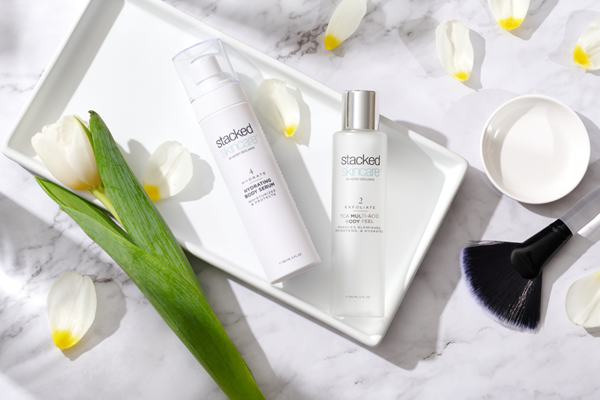
Are you tired of feeling like your body skincare routine is just another chore? Imagine stepping out of the shower with skin that feels as soft as silk and as radiant as a sunrise.
You deserve a skincare routine that doesn’t just maintain your skin but transforms it. By the end of this article, you’ll discover the secrets to achieving healthy, glowing skin that feels as good as it looks. You’re about to uncover tips and tricks that can make all the difference in your daily ritual.
Ready to pamper your skin and boost your confidence? Keep reading to unlock the potential of your perfect body skincare routine.
Daily Cleansing Habits
Daily cleansing is the foundation of any effective body skincare routine. It removes dirt, sweat, and impurities that accumulate throughout the day, keeping your skin fresh and healthy. But are you sure your cleansing habits are actually benefiting your skin?
Choosing The Right Cleanser
Not all cleansers suit every skin type. If you have dry skin, opt for a moisturizing cleanser that won’t strip natural oils. For oily or acne-prone skin, a gentle foaming cleanser can help remove excess sebum without irritation.
Pay attention to ingredients. Avoid harsh sulfates and fragrances if your skin is sensitive. I once switched to a sulfate-free cleanser and noticed less redness and itching within days. That small change made a big difference.
Proper Washing Techniques
How you wash your body matters as much as what you use. Use lukewarm water instead of hot, which can dry out your skin. Apply cleanser with your hands or a soft cloth—avoid rough scrubbing that can cause irritation.
Take your time to gently massage the cleanser in circular motions. This not only cleans but also stimulates circulation. Rinse thoroughly to remove all residue, as leftover product can clog pores and cause breakouts.
Frequency Of Cleansing
How often should you cleanse your body? Daily cleansing is generally recommended, but over-washing can lead to dryness and sensitivity. Consider cleansing once a day or every other day if your skin feels tight or flaky.
Think about your lifestyle too. If you exercise or sweat heavily, a second cleanse might be necessary. But on low-activity days, skipping a wash could actually help your skin retain moisture better. What has your experience been with balancing cleanliness and skin comfort?

Credit: www.allure.com
Exfoliation Essentials
Exfoliation is a key part of any effective body skincare routine. It removes dead skin cells, revealing fresher, smoother skin underneath. But how do you choose the right exfoliant, and how often should you use it to avoid irritation? Let’s break down the essentials to help you make the best decision for your skin.
Types Of Exfoliants
There are two main types of exfoliants: physical and chemical. Physical exfoliants use small granules or tools like scrubs and brushes to manually slough off dead skin. Chemical exfoliants use ingredients like alpha hydroxy acids (AHAs) and beta hydroxy acids (BHAs) to dissolve dead skin cells gently.
Physical exfoliants work well for rough patches, but you must be careful not to scrub too hard. Chemical exfoliants can be great if your skin is sensitive or prone to redness. Have you ever tried a gentle chemical peel and noticed how much smoother your skin felt the next day?
How Often To Exfoliate
How often you exfoliate depends on your skin type and the product you use. For most people, exfoliating 1-3 times a week is enough to keep skin smooth without causing damage. If your skin is dry or sensitive, stick to once a week with a mild exfoliant.
Oily or acne-prone skin can tolerate more frequent exfoliation, but it’s important to listen to your skin. Over-exfoliating can lead to irritation, redness, and even breakouts. What signs does your skin give you when it’s had too much exfoliation?
Precautions And Tips
- Start slow:Introduce exfoliation gradually to see how your skin reacts.
- Be gentle:Avoid scrubbing aggressively, especially with physical exfoliants.
- Moisturize:Always apply a good moisturizer after exfoliating to lock in hydration.
- Sun protection:Exfoliation can make your skin more sensitive to the sun, so don’t skip sunscreen.
I once ignored these precautions and ended up with irritated skin that took weeks to heal. Now, I always test new exfoliants on a small patch first and keep my routine simple. How might your skin improve if you adjusted your exfoliation habits with care?
Moisturizing For Smoothness
Moisturizing plays a key role in keeping skin soft and smooth. It locks in moisture and protects the skin’s natural barrier. Regular moisturizing helps prevent dryness and rough patches. It also improves the skin’s texture, making it look healthy and fresh.
Selecting Suitable Moisturizers
Choose moisturizers based on your skin type. For dry skin, pick creams with rich, nourishing ingredients. Oily skin benefits from lightweight, non-comedogenic lotions. Sensitive skin requires gentle, fragrance-free products. Look for ingredients like hyaluronic acid, glycerin, and ceramides. These help retain moisture and repair the skin barrier.
Applying Moisturizer Effectively
Apply moisturizer on clean, slightly damp skin. Use gentle, upward strokes to spread the product evenly. Avoid rubbing too hard to prevent irritation. Focus on dry areas like elbows and knees. Allow the moisturizer to absorb fully before dressing. Reapply as needed, especially after bathing or washing.
Hydration Benefits
Hydrated skin feels soft and looks radiant. Moisturizing reduces flakiness and tightness. It supports skin’s natural repair process. Well-hydrated skin resists damage from the environment. It also helps reduce the appearance of fine lines. Consistent hydration improves overall skin health and comfort.
Sun Protection Strategies
Protecting your skin from the sun is a crucial part of any body skincare routine. Sun exposure can lead to premature aging, dark spots, and even skin cancer. Knowing how to shield your skin effectively helps you maintain a healthy, radiant glow while avoiding damage.
Importance Of Spf
SPF, or Sun Protection Factor, measures how well a sunscreen protects your skin from UVB rays. These rays cause sunburn and contribute to skin cancer. Using sunscreen daily—even on cloudy days—can prevent harmful effects and keep your skin looking youthful.
I once skipped SPF during a short outdoor walk and ended up with a painful burn. That experience taught me the value of applying SPF every time I step outside, no matter the weather or duration. Are you confident your skin is fully protected?
Choosing Sunscreens
Selecting the right sunscreen is about more than just SPF number. Look for broad-spectrum options that protect against both UVA and UVB rays. Consider your skin type: if you have oily skin, a lightweight, non-comedogenic formula works best.
- For dry skin, choose sunscreens with moisturizing ingredients like glycerin or hyaluronic acid.
- Physical blockers with zinc oxide or titanium dioxide are ideal for sensitive skin.
- Water-resistant sunscreens are essential if you sweat or swim often.
Have you checked the ingredients of your sunscreen recently? A simple switch could improve your skin’s comfort and protection.
Reapplication Tips
Applying sunscreen once in the morning isn’t enough. You need to reapply every two hours, especially if you’re outdoors. Activities like swimming or sweating wash away the sunscreen, reducing its effectiveness.
Carry a small bottle or sunscreen stick with you for easy touch-ups. Remember to cover all exposed areas, including often-missed spots like ears, back of the neck, and hands. Are you making reapplication part of your routine?
Targeted Treatments
Targeted treatments focus on specific skin concerns. They help improve the skin’s condition and appearance. Using the right products can soothe, heal, and protect the skin. These treatments work best when matched to your unique needs. Here are some ways to address common skin issues effectively.
Dealing With Dry Patches
Dry patches can feel rough and look flaky. Use rich moisturizers that contain ingredients like shea butter or glycerin. These help lock in moisture and soften the skin. Apply moisturizers right after showering to seal in hydration. Exfoliate gently once or twice a week to remove dead skin. Avoid hot water, which can dry out your skin further.
Managing Acne And Blemishes
Acne and blemishes often appear on the body due to clogged pores. Use body washes with salicylic acid or benzoyl peroxide to clear pores. Spot treatments can reduce redness and swelling quickly. Keep skin clean and avoid heavy, oily lotions that block pores. Wear breathable fabrics to reduce sweat buildup and irritation.
Soothing Sensitive Skin
Sensitive skin reacts easily to harsh products and environmental factors. Choose fragrance-free, hypoallergenic lotions to calm irritation. Ingredients like aloe vera and chamomile provide soothing effects. Avoid scrubs or strong acids that can worsen sensitivity. Test new products on a small skin area before full use.
Healthy Lifestyle Habits
Healthy lifestyle habits form the foundation of glowing, nourished skin. What you do daily beyond skincare products plays a huge role in how your skin looks and feels. Small choices in your diet, hydration, sleep, and activity level can either support or hinder your skin’s natural beauty.
Nutrition For Skin Health
Your skin reflects what you eat. Foods rich in antioxidants, vitamins, and healthy fats can help protect your skin from damage and keep it supple.
- Vitamin Cfound in oranges and strawberries supports collagen production.
- Omega-3 fatty acidsin salmon and walnuts reduce inflammation and dryness.
- Zincfrom pumpkin seeds helps repair skin and prevent breakouts.
Think about your last meal—did it include colorful fruits and vegetables? If not, what small changes can you make to add more skin-friendly nutrients?
Staying Hydrated
Water is essential for keeping your skin plump and clear. When you don’t drink enough, your skin can look dull and flaky.
I used to ignore hydration, thinking lotions were enough. Once I started drinking at least eight glasses of water daily, my skin’s texture improved noticeably within a week.
- Carry a water bottle to remind yourself to drink regularly.
- Eat hydrating foods like cucumber and watermelon.
- Limit sugary drinks that can dehydrate you.
How much water did you drink today? Could upping that number improve your skin’s glow?
Importance Of Sleep And Exercise
Sleep and exercise work together to rejuvenate your skin from within. During deep sleep, your body repairs damaged skin cells and balances hydration.
Exercise increases blood flow, delivering oxygen and nutrients to the skin. I noticed my skin clears up faster and looks brighter when I stick to a regular workout routine.
- Aim for 7–9 hours of quality sleep each night.
- Include moderate exercise like walking or yoga to boost circulation.
- Manage stress through mindfulness to avoid skin flare-ups.
Are you getting enough rest and movement to support your skin’s natural repair? What small tweaks can you try tonight and tomorrow morning?
Seasonal Skincare Adjustments
Adjusting your body skincare routine according to the seasons is key to maintaining healthy, glowing skin year-round. Each season brings unique challenges that require tailored care. Ignoring these changes can leave your skin dry, oily, or irritated.
Adapting To Weather Changes
As weather shifts, your skin’s needs shift too. Cold air tends to dry out your skin by stripping away natural oils. In contrast, heat and humidity increase sweat and oil production, which can clog pores.
Think about how your skin feels on a chilly morning versus a hot afternoon. Are you noticing tightness or excess shine? These clues tell you when to adjust your products and routine.
Adding a richer moisturizer during cold months can protect your skin’s barrier. In warmer weather, lighter lotions or gels help prevent clogged pores and discomfort. Also, don’t forget to boost hydration by drinking water and using hydrating sprays throughout the day.
Winter Vs Summer Tips
Winter calls for deep nourishment. Choose creams with ingredients like shea butter, ceramides, or hyaluronic acid to lock in moisture. Avoid hot showers, which can worsen dryness, and switch to gentle, fragrance-free cleansers.
Summer demands a different approach. Use sunscreens with at least SPF 30 to shield your skin from UV damage. Opt for non-comedogenic products that won’t block pores during sweaty days.
Have you ever noticed breakouts or flakiness when seasons change? That’s your skin signaling it needs a new strategy. Try adjusting the frequency of exfoliation and moisturizing to match the season’s demands.
- Winter:Use heavier creams, avoid hot water, and protect skin from wind.
- Summer:Apply lightweight moisturizers, increase sun protection, and cleanse gently but thoroughly.

Credit: wildcraftcare.ca

Credit: www.freepik.com
Frequently Asked Questions
What Is The Best Daily Body Skincare Routine?
A good daily body skincare routine includes cleansing, exfoliating, moisturizing, and sun protection. Use gentle products suited for your skin type. Hydrate your skin to maintain softness and prevent dryness.
How Often Should I Exfoliate My Body Skin?
Exfoliate your body skin 1-2 times a week to remove dead skin cells. Over-exfoliating can cause irritation and dryness. Choose gentle exfoliants to keep your skin smooth and healthy.
Which Moisturizer Is Best For Body Skin Care?
Choose a moisturizer with hydrating ingredients like glycerin, hyaluronic acid, or shea butter. It should suit your skin type—light lotions for oily skin and rich creams for dry skin.
Can Body Skincare Help With Dry And Rough Skin?
Yes, a proper skincare routine with moisturizing and exfoliating improves dry, rough skin. Regular hydration and gentle exfoliation boost skin softness and smoothness, reducing flakiness and irritation.
Conclusion
Taking care of your body skin needs daily effort and simple steps. Cleanse gently, moisturize well, and protect from sun damage. Healthy skin feels soft and looks glowing. Small changes make a big difference over time. Choose products that suit your skin type.
Drink water and eat balanced meals to support skin health. Your body deserves care and attention every day. Keep your routine easy and consistent for best results. Enjoy the confidence that comes with healthy skin.
