
Are you rocking that trendy bleached hair look? There’s no denying the allure of vibrant, sun-kissed locks.
But with great style comes great responsibility. You might have noticed your hair feeling a bit dry, maybe even a little brittle. Don’t worry; you’re not alone. Many people experience these issues after bleaching. The good news? You can keep your bleached hair looking fabulous and healthy with just a bit of extra care.
In this guide, you’ll discover essential tips and tricks to help you maintain that stunning shade while keeping your hair nourished and strong. Let’s dive in and ensure your bleached hair remains your crowning glory!

Credit: www.walmart.ca
Choosing The Right Bleach
Choosing the right bleach is the first step in safe and effective hair bleaching. The wrong product can cause damage or fail to deliver the desired color. Understanding the types, strength, and application methods helps protect your hair and achieve better results.
Types Of Bleach Products
Bleach comes in powder and cream forms. Powder bleach is strong and works fast. Cream bleach is gentler and easier to apply. Some products contain added conditioners to reduce damage. Pick one based on your hair’s condition and your skill level.
Bleach Strength And Hair Type
Bleach strength depends on the developer volume used. Developers range from 10 to 40 volume. Low volume is best for fine or damaged hair. High volume lifts color faster but can cause more harm. Match the strength to your hair type to avoid breakage.
Professional Vs. At-home Bleaching
Professional bleach offers expert application and less risk. Stylists customize bleach strength and timing for your hair. At-home kits are cheaper but risk uneven color and damage. Choose professionals for major color changes or fragile hair.
Credit: pumphaircare.com
Pre-bleach Hair Preparation
Preparing your hair before bleaching is essential for healthy results. It reduces damage and makes the process easier. Strong and nourished hair stands a better chance against bleach.
Start by focusing on hair health and avoiding anything that could weaken strands. Simple steps taken before bleaching protect your hair and improve its texture afterward.
Deep Conditioning Treatments
Deep conditioning restores moisture and strength. Use a rich conditioner or hair mask once or twice a week. Leave it on for 20 to 30 minutes for best effects.
Look for products with natural oils, keratin, or proteins. These ingredients rebuild hair structure and prepare it for bleaching. Your hair will feel softer and less fragile.
Avoiding Chemical Treatments
Skip any chemical treatments like perms, relaxers, or color dyes before bleaching. Chemicals weaken the hair and increase damage risk. Give your hair time to recover from previous treatments.
Chemical-free hair responds better to bleach. It also helps maintain scalp health. Aim to avoid treatments at least two weeks before bleaching.
Trimming Damaged Ends
Trim split or damaged ends before bleaching. This prevents further breakage and uneven color results. Healthy ends improve the overall look of bleached hair.
Regular trims keep hair stronger and easier to manage. Even a small trim helps reduce damage caused by bleaching.
Post-bleach Hair Care Routine
Bleached hair needs special care to stay healthy and strong. The post-bleach hair care routine helps repair damage and keeps hair soft. Proper care improves hair texture and shine after bleaching. Follow these key steps to care for your bleached hair daily.
Moisturizing Shampoos And Conditioners
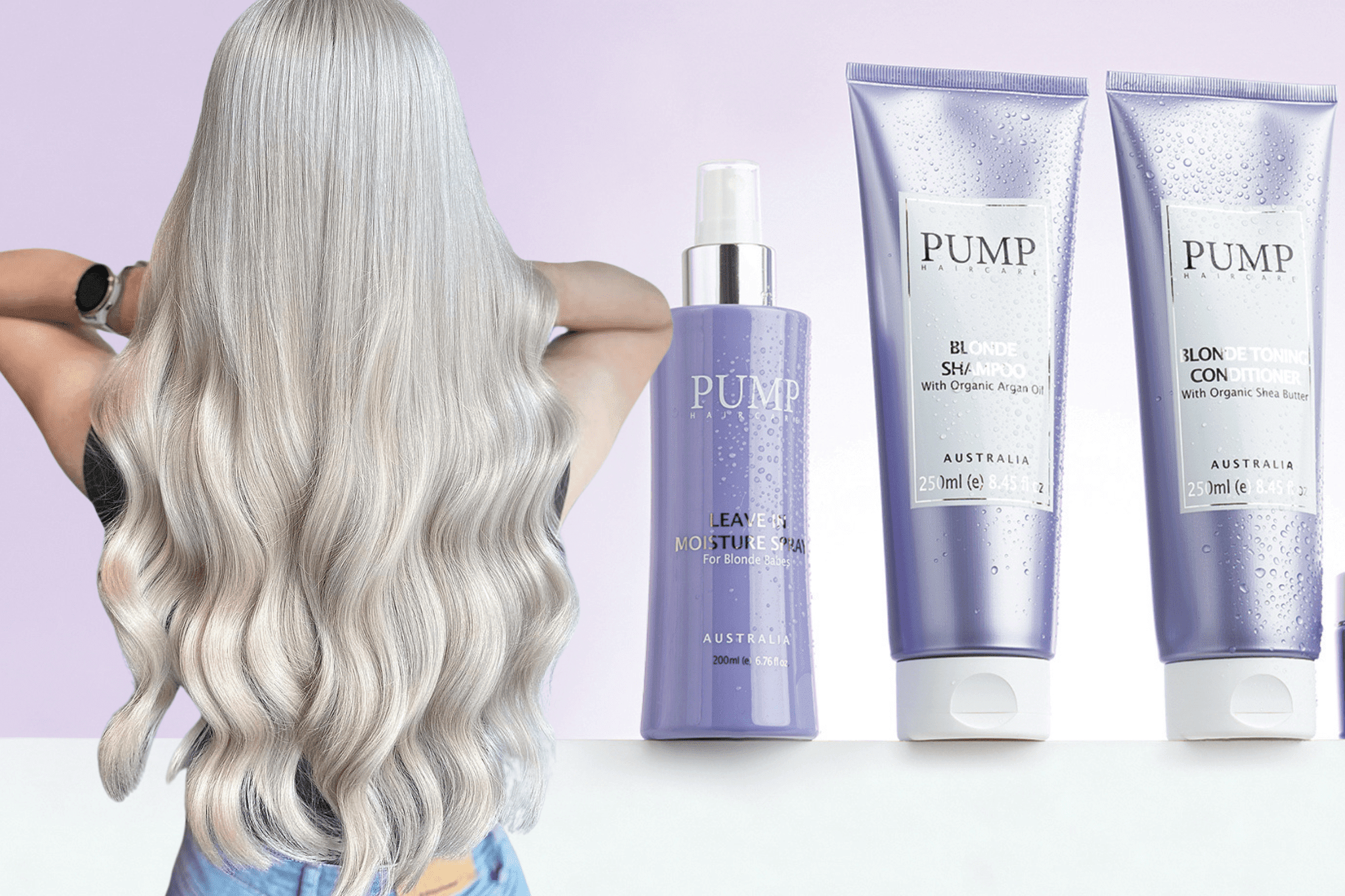
Bleached hair loses natural oils and moisture. Use shampoos and conditioners made for dry or damaged hair. These products add hydration and protect hair from further damage. Choose sulfate-free formulas to avoid stripping oils. Wash hair gently and avoid hot water to keep moisture locked in.
Using Protein Treatments
Bleaching breaks down hair proteins, making hair weak. Protein treatments help rebuild and strengthen hair strands. Use a protein mask once a week for best results. Follow instructions carefully to avoid overuse, which can cause stiffness. Protein treatments improve hair elasticity and reduce breakage.
Avoiding Heat Styling Tools
Heat styling tools can worsen hair damage. Avoid using flat irons, curling wands, and blow dryers often. Let hair air dry whenever possible. If heat styling is necessary, use a heat protectant spray. Keeping heat exposure low helps maintain hair strength and prevents split ends.
Credit: www.walmart.ca
Repairing And Strengthening Hair
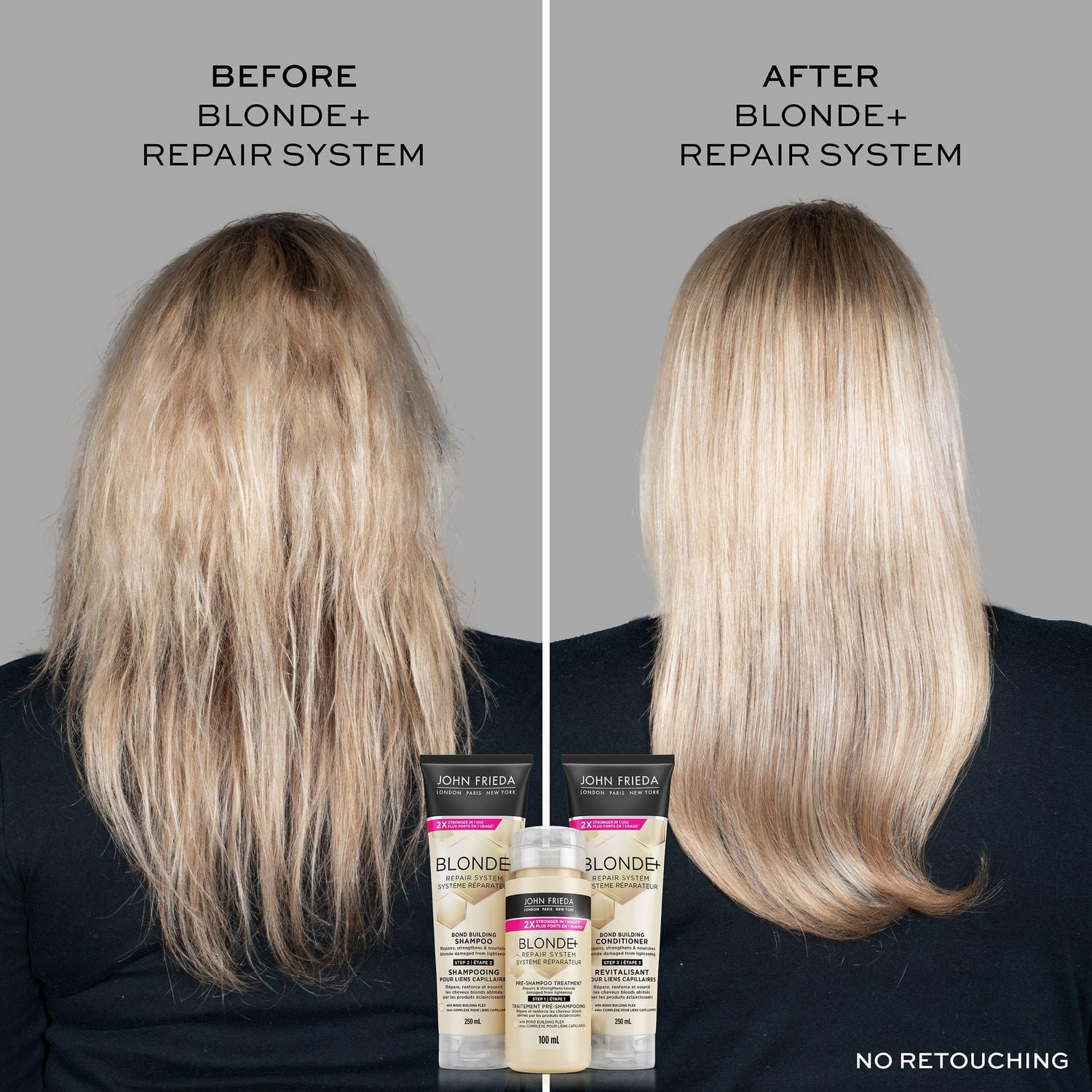
Repairing and strengthening bleached hair takes more than just wishful thinking. Bleaching strips away natural oils and proteins, leaving your hair fragile and prone to breakage. The good news? You can rebuild your hair’s strength with the right care and attention.
Diy Hair Masks
Creating your own hair masks at home is a cost-effective way to nourish and repair bleached hair. Ingredients like avocado, coconut oil, and honey provide deep hydration and help restore lost moisture.
Try mixing mashed avocado with a tablespoon of honey and coconut oil. Apply it to damp hair and leave it on for 20-30 minutes before rinsing out. You’ll notice your hair feels softer and looks shinier after just one treatment.
What’s your go-to natural ingredient for hair care? Experimenting with what suits your hair best can make all the difference.
Salon Treatments For Damage
Professional treatments can offer targeted repair for bleached hair that feels brittle or weak. Keratin treatments, for example, infuse your hair with protein to rebuild its structure and reduce frizz.
Olaplex is another popular salon option that works on a molecular level to reconnect broken bonds caused by bleaching. This treatment is especially effective if your hair is breaking or thinning after color processing.
Consider scheduling regular salon visits if you want long-term improvement. How often do you think your hair needs a professional boost?
Supplements For Hair Health
What you eat reflects on your hair’s strength and shine. Supplements like biotin, collagen, and omega-3 fatty acids support hair growth and repair from within.
Biotin, in particular, is known to improve hair thickness and reduce shedding. Collagen helps maintain the elasticity of your hair strands, making them less prone to breakage.
Before adding new supplements to your routine, check with a healthcare provider to ensure they fit your needs. Could your daily diet be missing key nutrients that affect your hair’s recovery?
Protecting Color And Shine
Bleached hair needs extra care to keep its color bright and shiny. The bleaching process can make hair dry and dull. Protecting color and shine helps hair look fresh longer. It also prevents damage from outside elements. Simple habits and the right products make a big difference.
Uv Protection For Hair
Sunlight can fade bleached hair fast. UV rays break down hair color molecules. Use hair products with UV filters. Wear hats or scarves when outside in strong sun. Try to stay in shade during peak sunlight hours. This protects hair from drying and color loss.
Color-safe Hair Products
Choose shampoos and conditioners made for color-treated hair. These products are gentle and do not strip color. Avoid shampoos with sulfates and harsh chemicals. Use moisturizing conditioners to keep hair soft. Color-safe products help maintain vibrancy and shine.
Regular Gloss And Toner Use
Gloss treatments add shine and seal hair cuticles. They refresh faded color and smooth the hair surface. Toners correct unwanted tones like brassiness. Use toner every few weeks to keep color true. Regular gloss and toner use improves hair look and feel.
Daily Habits For Vibrant Locks
Maintaining vibrant bleached hair goes beyond just salon visits and special products. What you do every day plays a huge role in keeping your locks looking fresh and healthy. Small, consistent habits can prevent damage and boost your hair’s natural shine.
Gentle Brushing Techniques
Brushing bleached hair requires extra care because it’s more fragile than untreated hair. Use a wide-tooth comb or a brush with soft bristles to reduce breakage. Start detangling from the ends and gently work your way up to avoid pulling and snapping strands.
Have you noticed how harsh brushing can create split ends? Try to brush your hair only when it’s dry or slightly damp, not soaking wet, to minimize damage. Think of brushing as a way to smooth your hair, not to force out knots.
Sleeping With Hair Protection
Sleeping without protecting your hair can cause friction that leads to frizz and breakage. Use a silk or satin pillowcase to reduce friction and help your hair retain moisture. Alternatively, wrap your hair in a silk scarf before bed to keep strands aligned and smooth.
Do you wake up with tangled, dull hair? Protecting your hair while you sleep can prevent those morning struggles. It’s a simple change that can make a noticeable difference in your hair’s texture over time.
Healthy Diet And Hydration
Your hair reflects what you feed your body. Eating foods rich in vitamins A, C, D, and E, along with minerals like zinc and iron, supports hair strength and shine. Including protein-rich foods like eggs, nuts, and fish helps rebuild hair fibers damaged by bleaching.
Drinking enough water is just as important. Hydration keeps your hair moisturized from the inside out, which is key for bleached hair that tends to dry out quickly. Have you tracked how much water you drink daily? It might be the missing link in your hair care routine.
Frequently Asked Questions
How Often Should I Wash Bleached Hair?
Washing bleached hair 2-3 times a week helps maintain moisture. Overwashing can strip natural oils, causing dryness and damage.
What Shampoo Is Best For Bleached Hair?
Use sulfate-free, moisturizing shampoos designed for color-treated hair. These protect hair color and prevent excessive dryness or breakage.
How Can I Prevent Damage To Bleached Hair?
Apply deep conditioning treatments weekly. Use heat protectants before styling and avoid excessive heat to minimize damage and dryness.
Is It Necessary To Use A Purple Shampoo?
Purple shampoo neutralizes yellow or brassy tones in bleached hair. Use it once a week to maintain a cool, bright color.
Conclusion
Bleached hair needs gentle care every day. Use mild shampoo and deep conditioner often. Avoid heat styling to keep hair strong. Protect hair from sun and harsh weather. Regular trims help prevent split ends and damage. Drink water and eat healthy for better hair.
Patience is key; hair will improve with time. Follow these tips to keep bleached hair soft and shiny. Your hair deserves simple care to stay beautiful and healthy.
