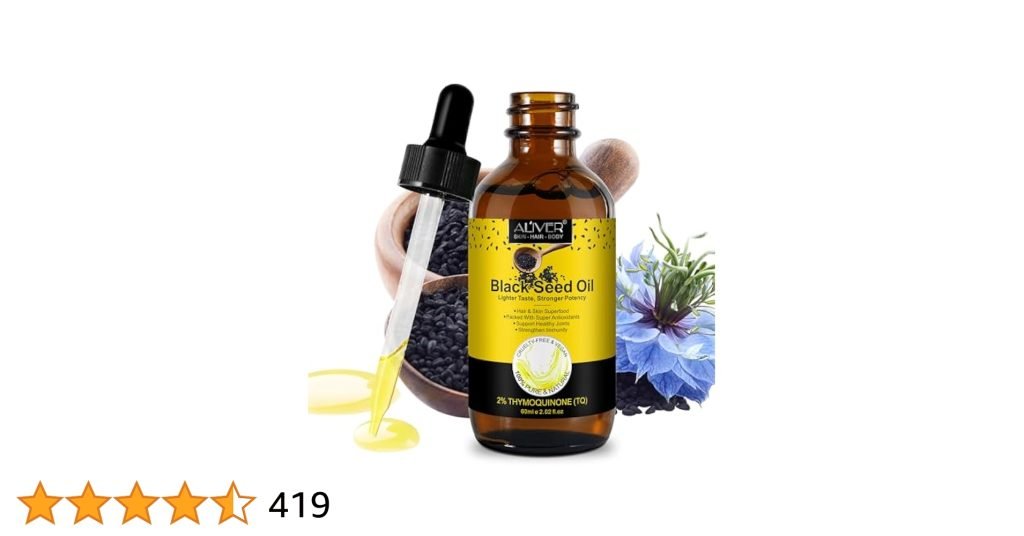
Imagine unlocking the secret to radiant and healthy skin with just a few drops of nature’s elixir. Black seed oil, often hailed as a miracle cure, could be the game-changer in your skincare routine.
This ancient remedy, extracted from the seeds of Nigella sativa, is packed with benefits that your skin craves. Are you tired of dull skin, or those pesky blemishes that just won’t disappear? Black seed oil might be your answer. It’s time to discover how this potent oil can transform your skin, leaving it smooth, clear, and glowing.
Ready to unveil the magic hidden in this tiny seed? Dive in to learn how black seed oil can become your skin’s new best friend.

Credit: www.amazon.com
Benefits For Skin Health
Black seed oil offers many benefits for skin health. It nourishes and protects the skin naturally. The oil contains vitamins and antioxidants that support skin repair and vitality. Using black seed oil can improve skin texture and overall appearance.
Hydration And Moisturizing Effects
Black seed oil deeply hydrates the skin. It locks in moisture to prevent dryness. The oil absorbs quickly, leaving skin soft and smooth. It works well for all skin types, including sensitive skin. Regular use helps maintain skin’s natural moisture balance.
Anti-aging Properties
The oil contains powerful antioxidants that fight free radicals. These substances reduce signs of aging like wrinkles and fine lines. Black seed oil promotes skin elasticity and firmness. It supports collagen production for a youthful glow. Using it daily can help skin look younger.
Reducing Inflammation And Redness
Black seed oil has anti-inflammatory effects that calm irritated skin. It soothes redness and reduces swelling. The oil helps with conditions like eczema and acne. Applying it gently can ease discomfort and improve skin tone. It promotes healing and restores skin’s natural balance.
Key Nutrients In Black Seed Oil
Black seed oil is rich in nutrients that benefit the skin deeply. These nutrients work together to nourish, protect, and heal the skin. Understanding these key components helps reveal why black seed oil is popular in skincare routines.
Thymoquinone And Antioxidants
Thymoquinone is a powerful compound found in black seed oil. It acts as a strong antioxidant that fights free radicals. Free radicals cause skin damage and aging. Antioxidants in the oil reduce inflammation and redness. They help calm irritated skin and promote healing.
Essential Fatty Acids
Black seed oil contains essential fatty acids like omega-6 and omega-9. These fats keep the skin hydrated and soft. They strengthen the skin’s barrier to lock in moisture. This helps prevent dryness and flakiness. Fatty acids also support skin cell repair and regeneration.
Vitamins And Minerals
The oil includes vitamins such as vitamin A, B, and C. These vitamins improve skin tone and texture. They also help reduce dark spots and blemishes. Minerals like zinc and calcium are present too. These minerals aid in skin healing and boost overall skin health.
How To Use Black Seed Oil
Black seed oil is a natural remedy for skin health. It can soothe, hydrate, and protect your skin. Knowing how to use it correctly helps you get the best results. This section explains easy ways to apply black seed oil safely and effectively.
Application Methods
Apply black seed oil directly to clean skin. Use your fingertips to gently massage it in circular motions. Focus on dry or problem areas for better absorption. You can also mix a few drops with your moisturizer. This helps spread the oil evenly without clogging pores.
Another method is to use black seed oil as a spot treatment. Dab a small amount on blemishes or irritated spots. Leave it on overnight for deep healing. Always do a patch test before full application to avoid irritation.
Recommended Dosage For Skin
Use 2-3 drops of black seed oil per application. Avoid using too much oil to prevent greasy skin. Start with a small amount and increase if needed. For sensitive skin, dilute the oil with a carrier oil like coconut or jojoba. Limit use to once or twice daily to maintain skin balance.
Combining With Other Skincare Products
Black seed oil works well with many skincare products. Mix it with gentle cleansers or creams for extra nourishment. Avoid combining with strong acids or retinoids to prevent irritation. Always apply black seed oil after toners but before heavier creams. This layering helps lock in moisture and enhances benefits.
Targeted Skin Concerns
Black seed oil has been used for centuries to support skin health. It offers targeted benefits for specific skin issues. Its natural properties help soothe, heal, and improve the skin’s appearance. Many people use it to address common skin concerns effectively and gently.
Acne And Blemish Control
Black seed oil contains anti-inflammatory and antibacterial compounds. These help reduce redness and swelling in acne-prone skin. It unclogs pores and prevents new breakouts. Regular use can calm irritated skin and fade blemishes over time. It balances oil production, which is key for clearer skin.
Eczema And Psoriasis Relief
The oil’s moisturizing effect helps soothe dry, itchy skin. It reduces inflammation linked to eczema and psoriasis. Black seed oil supports skin repair and reduces scaling. Its gentle nature makes it suitable for sensitive skin types. Applying it regularly can ease discomfort and improve skin texture.
Brightening Dull Complexion
Black seed oil nourishes the skin deeply. It helps remove dead skin cells and promotes new cell growth. This process results in a brighter, more radiant complexion. The oil’s antioxidants fight damage caused by free radicals. Regular use gives the skin a healthy, glowing look.
Possible Side Effects
Black seed oil offers many benefits for your skin, but it’s important to be aware of possible side effects. Not everyone reacts the same way, and some people might experience discomfort or irritation. Understanding these side effects helps you make safer choices for your skincare routine.
Allergic Reactions
Some people may develop allergic reactions to black seed oil. Symptoms can include redness, itching, swelling, or a rash at the application site. If you notice any of these signs, stop using the oil immediately and consult a healthcare professional.
Have you ever tried a new skincare product and felt an unexpected sting or rash? That could be your skin’s way of telling you it doesn’t agree with an ingredient.
Skin Sensitivity
Black seed oil can sometimes cause increased skin sensitivity, especially if used in high concentrations. This might lead to dryness, peeling, or irritation. Mixing the oil with a carrier oil, like coconut or jojoba oil, can help reduce sensitivity.
Try applying a small amount to a hidden patch of skin before regular use. This patch test can save you from bigger skin issues later on.
Precautions For Sensitive Skin
If you have sensitive skin, take extra care when using black seed oil. Start with a low concentration and gradually increase it as your skin adjusts. Avoid using black seed oil on broken or inflamed skin to prevent further irritation.
- Always do a patch test before full application.
- Use diluted oil instead of pure black seed oil.
- Stop use if you experience burning or excessive redness.
Are you willing to try black seed oil knowing these precautions? Listening to your skin’s signals is key to finding what truly works for you.

Credit: www.amazon.com
Choosing Quality Black Seed Oil
Choosing quality black seed oil is essential for the best skin benefits. Pure, well-made oil delivers more nutrients and fewer additives. Low-quality oil may lose potency and cause skin irritation. Knowing how to pick the right oil helps protect your skin and maximize results.
Cold-pressed Vs. Refined Oil
Cold-pressed black seed oil is extracted without heat. This method keeps most nutrients and natural compounds intact. Refined oil goes through heat and chemicals, which reduce its quality. Cold-pressed oil usually has a stronger aroma and darker color. For skin care, cold-pressed oil is the better choice.
Certifications To Look For
Certifications show the oil meets safety and quality standards. Look for:
- Organic certification – no pesticides or chemicals used
- Cold-pressed label – confirms gentle extraction
- Third-party testing – ensures purity and potency
- Non-GMO verification – no genetically modified seeds
These labels help you trust the product’s quality and safety.
Storage Tips To Maintain Freshness
Store black seed oil properly to keep it fresh longer. Follow these tips:
- Keep the bottle tightly closed
- Store in a cool, dark place
- Avoid heat, sunlight, and air exposure
- Refrigerate after opening for best results
Proper storage preserves the oil’s nutrients and extends shelf life.
Diy Skincare Recipes
DIY skincare recipes with black seed oil offer natural ways to nourish your skin. These simple blends harness the oil’s rich nutrients to soothe, hydrate, and brighten. Making your own skincare products lets you control ingredients and avoid harsh chemicals.
Black seed oil blends easily with other natural ingredients. You can create treatments suited to your skin type and needs. Below are easy recipes to try at home for glowing, healthy skin.
Face Masks With Black Seed Oil
Face masks with black seed oil help to calm irritation and clear pores. Mix black seed oil with clay or honey for a gentle, effective mask.
- Combine 1 tablespoon of bentonite clay with 1 teaspoon black seed oil.
- Add a little water or rose water to form a smooth paste.
- Apply to your face and leave for 10-15 minutes.
- Rinse with warm water and pat dry.
This mask absorbs excess oil while nourishing skin deeply. It works well for oily and acne-prone skin types.
Moisturizer Blends
Adding black seed oil to your moisturizer boosts hydration and repairs skin. Mix a few drops into your daily cream for extra softness.
- Take 1 teaspoon of your favorite moisturizer.
- Stir in 3-4 drops of black seed oil.
- Apply gently to face and neck after cleansing.
This blend soothes dryness and improves skin texture. Use daily for smooth, glowing skin.
Soothing Serums
Black seed oil serums calm redness and reduce inflammation. Combine it with other calming oils for a gentle serum.
- Mix 1 tablespoon jojoba oil with 5 drops black seed oil.
- Add 3 drops of lavender essential oil for fragrance and calm.
- Store in a small dropper bottle.
- Apply a few drops to clean skin before moisturizing.
This serum helps reduce redness and supports skin healing. Perfect for sensitive or irritated skin.

Credit: www.hollandandbarrett.com
Frequently Asked Questions
What Are The Main Benefits Of Black Seed Oil For Skin?
Black seed oil deeply moisturizes and nourishes the skin. It reduces inflammation, fights acne, and promotes a clear complexion. Its antioxidants protect skin from damage and aging. Regular use improves skin texture and tone naturally.
How Does Black Seed Oil Help Treat Acne?
Black seed oil has antibacterial and anti-inflammatory properties. It reduces acne-causing bacteria and soothes redness. Applying it regularly can prevent breakouts and heal scars. It balances oil production, reducing clogged pores and inflammation.
Can Black Seed Oil Reduce Skin Aging Signs?
Yes, black seed oil contains antioxidants that fight free radicals. These antioxidants help reduce wrinkles and fine lines. It boosts skin elasticity and promotes a youthful glow. Regular use supports skin regeneration and hydration.
How To Safely Apply Black Seed Oil On Skin?
Cleanse your skin before applying black seed oil. Use a few drops and gently massage it in circular motions. Perform a patch test to check for allergies. Avoid eye contact and use it 1-2 times daily for best results.
Conclusion
Black seed oil offers many benefits for healthy skin care. It helps reduce inflammation and soothes irritation. Using it regularly can improve skin texture and glow. Many find it useful for acne and dryness. Always test a small area first to avoid reactions.
Natural and gentle, it fits well in daily routines. Try adding black seed oil to your skin care today. See how nature supports your skin’s health. Simple, natural care often works best.
