
Imagine a world where your hard-earned tips stay in your pocket, untouched by taxes. Sounds like a dream, right?
Well, for many, this dream is becoming a reality thanks to the Big Beautiful Bill No Tax on Tips. This groundbreaking legislation promises to revolutionize the way you take home your earnings, especially if you’re one of the many who rely on tips for a living.
Why should you care? If you’ve ever worked in the service industry or know someone who has, you understand how crucial tips are. They’re not just extra change; they’re an essential part of the paycheck. And now, there’s a chance to keep more of what you earn. In this blog, we’ll uncover how this bill could impact your financial future, why it’s gaining momentum, and what it means for the service industry at large. You won’t want to miss how this could change the way you think about taxes and your income. Ready to dive in? Let’s explore the potential of the Big Beautiful Bill and how it can benefit you directly.
Impact On Workers’ Income
The Big Beautiful Bill No Tax on Tips brings notable changes to workers’ income. This change affects how much money employees keep after taxes. It offers a chance for workers to earn more without extra tax deductions.
Understanding this impact helps workers see how their paychecks might improve. It also shows the potential for better financial health and less money taken out for taxes.
Boost In Take-home Pay
Workers receive a larger paycheck with no tax on their tips. More money stays in their hands after each pay period. This increase helps cover daily expenses and savings goals. The change makes tips more rewarding and valuable.
Reduced Tax Burden
Removing taxes on tips lowers overall tax payments for workers. This means less money goes to the government. Workers keep a bigger part of their earnings. It eases the financial pressure during tax season.
Improved Financial Stability
With more income and fewer taxes, workers gain better money control. They can plan budgets more easily and manage bills on time. This stability reduces stress and improves quality of life. It supports long-term savings and financial goals.

Credit: www.accupos.com
Effects On Employers
The Big Beautiful Bill No Tax on Tips brings significant changes that directly impact employers. Understanding these effects can help you adjust your business operations smoothly and avoid unexpected challenges. Let’s break down how this bill affects your day-to-day management and finances.
Simplified Payroll Processes
One of the biggest benefits you’ll notice is the simplification of payroll tasks. Without the need to withhold taxes on tips, calculating employee earnings becomes more straightforward. This reduction in complexity can save you time and reduce errors during payroll processing.
Imagine cutting down hours spent double-checking tip reports and tax withholdings. Your payroll team can focus on other priorities, making your entire HR operation more efficient. Have you considered how much time your staff spends on managing tips currently?
Changes In Reporting Requirements
Although payroll becomes simpler, the bill introduces new rules for reporting tips. Employers must still track tip income accurately, but the focus shifts from taxation to transparency. You’ll need to update your reporting systems to reflect these changes.
This might mean adjusting your software or training your staff to handle tip records differently. Clear communication with your team is crucial to avoid confusion. Are your current reporting tools flexible enough to adapt to these new requirements?
Potential Cost Implications
The financial impact of the bill can vary depending on your business model. On one hand, you might save on administrative costs related to tax collection and remittance. On the other hand, you could face increased costs if you choose to provide additional benefits or bonuses to tip-earning employees.
Evaluating your overall payroll expenses will help you understand the real cost implications. Have you thought about reinvesting savings from tax withholding into employee rewards or training? This could boost morale and improve retention.
Broader Economic Implications
The introduction of Big Beautiful Bill No Tax on Tips carries economic effects that stretch beyond immediate tax relief. It influences how consumers spend, how workers and employers interact, and how the service industry evolves. Understanding these broader implications helps you see the full picture of this policy’s impact on everyday life and the economy.
Increased Consumer Spending
When tips are no longer taxed, workers take home more money. This extra income often leads to greater spending on goods and services. People feel more confident opening their wallets when they see direct benefits in their paycheck.
Think about your own spending habits—would you spend more if you kept all your tips? This boost in consumer spending can stimulate local businesses and create a ripple effect throughout the economy, benefiting many sectors beyond the service industry.
Shifts In Labor Market Dynamics
The bill changes how employees and employers view compensation. With tips fully going to workers, jobs in restaurants and hospitality may become more attractive. This could reduce high turnover rates and improve worker satisfaction.
Employers might adjust wage structures as tipping becomes a clearer part of income. For workers, this shift may encourage seeking jobs where their effort is directly rewarded, potentially altering hiring and retention trends across the service sector.
Influence On Service Industry Growth
Service businesses often operate on tight margins, and changes in tipping policies affect their financial strategies. With no tax on tips, employees might feel more motivated to provide excellent service, improving customer experiences.
This improved service quality can attract more patrons, encouraging business expansion. Would you be more likely to frequent a restaurant where waitstaff seem happier and more engaged? The bill’s impact could drive growth and innovation in the service industry as a whole.
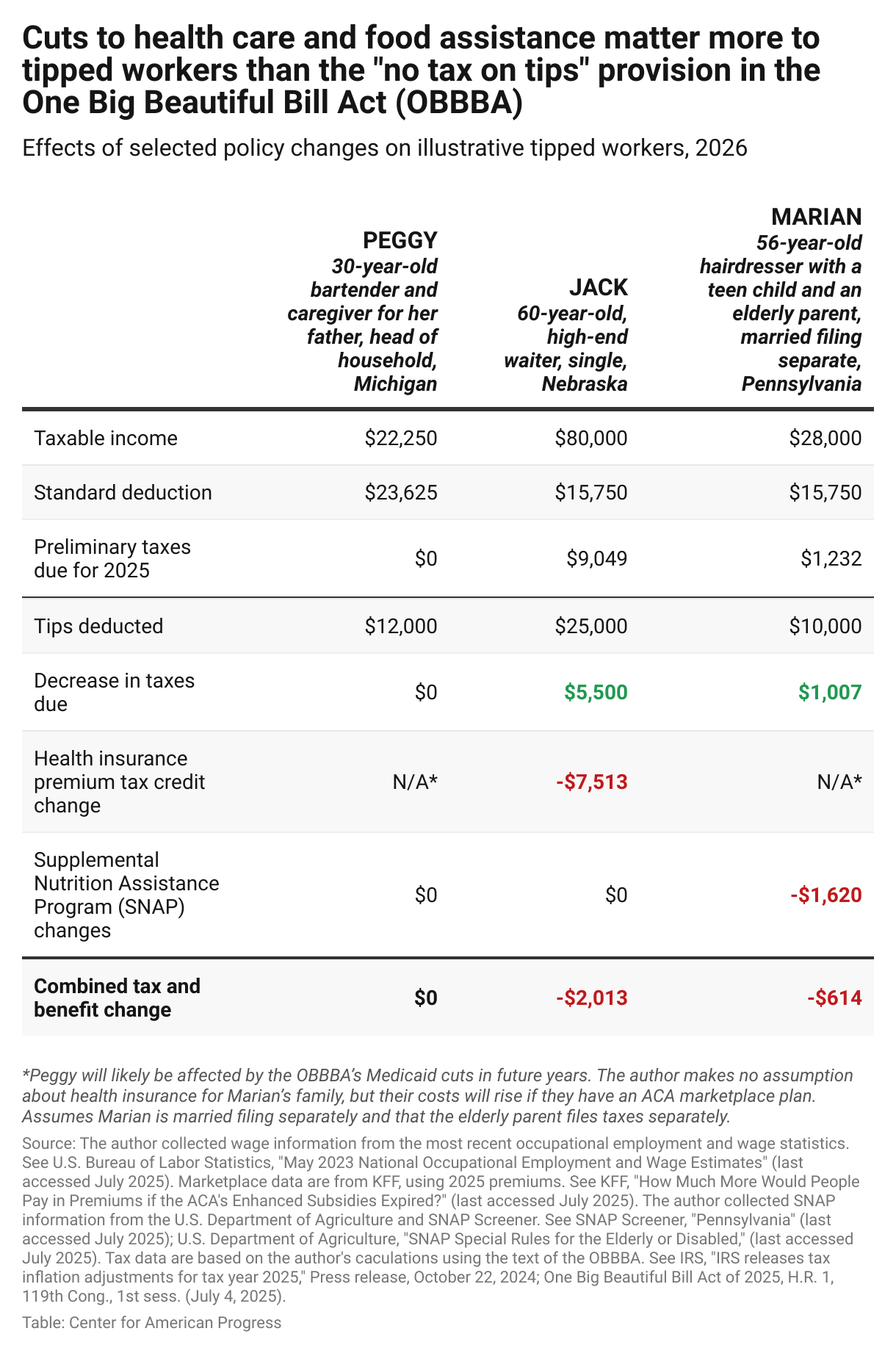
Credit: www.americanprogress.org
Challenges And Criticisms
The Big Beautiful Bill No Tax on Tips has sparked several debates. While it aims to ease the tax burden on tipped workers, it faces challenges and criticisms. These concerns come from various angles, affecting policy makers and the public. Understanding these issues helps reveal the bill’s full impact.
Concerns Over Tax Revenue
The bill may reduce tax income for governments. Tips are a significant source of tax revenue. Without taxing tips, funds for public services could shrink. This loss might affect programs like healthcare and education. Some worry about how to balance the budget.
Possible Loopholes And Abuse
Critics fear the bill could create loopholes. Employers or employees might hide income to avoid taxes. This abuse can lead to unfair advantages in the workplace. It could also make it harder to track actual earnings. Enforcement might become more difficult for tax authorities.
Impact On Wage Transparency
The bill might reduce wage transparency. Tips often vary and can be hard to track. Without proper reporting, workers’ true earnings might stay unclear. This lack of clarity can hurt workers’ rights and benefits. Clear wages help ensure fair treatment and better work conditions.
Comparisons With Previous Tax Policies
The Big Beautiful Bill No Tax on Tips marks a shift in how tips are handled for tax purposes. Comparing it to past policies helps to understand its impact. It shows what changes and what stays the same for workers and businesses.
Old Tax Treatment Of Tips
Previously, tips were treated as taxable income. Workers had to report all tips to the IRS. This included cash tips and those added to credit card payments.
Employers were responsible for withholding taxes on reported tips. Many workers found this process confusing and stressful. Some tips went unreported, causing legal risks.
Key Differences In The New Bill
The new bill removes tax on tips under certain conditions. It simplifies reporting for workers and employers. Tips no longer add to taxable income for many employees.
This change aims to reduce tax burdens on service workers. It encourages more honest reporting of tips. Employers have fewer tax withholding duties related to tips.
Lessons From Other Jurisdictions
Other regions have tested similar tax rules on tips. Some saw increased tip reporting and worker satisfaction. Others faced challenges in enforcement and compliance.
These examples highlight the need for clear rules and education. Successful policies balance fairness for workers and tax systems. The new bill draws on these lessons for better results.

Credit: fridayfirm.com
Future Outlook For Workers And Employers
The Big Beautiful Bill No Tax on Tips marks a significant shift in how tipped income is treated, offering new possibilities for both workers and employers. Understanding the future outlook can help you prepare for changes that may affect your finances and business operations. Let’s examine the long-term financial effects, potential policy tweaks, and practical advice tailored to your role.
Long-term Financial Benefits
For workers, eliminating taxes on tips means more take-home pay. This extra income can build savings, reduce debt, or improve quality of life. Imagine having an extra $100 a month simply because your tips aren’t taxed.
Employers could see benefits too. With happier staff earning more, turnover may decrease, saving hiring and training costs. Plus, businesses might attract more skilled workers drawn by better net earnings.
Potential Policy Adjustments
No law stays unchanged forever. Expect some policy updates as lawmakers respond to economic shifts or stakeholder feedback. These adjustments could clarify definitions, adjust thresholds, or introduce new reporting standards.
Are you ready to adapt if the rules around tip taxation evolve? Staying informed and flexible will be key for both workers and businesses to avoid surprises and maximize benefits.
Advice For Workers And Businesses
- Track your tips carefully.Accurate records ensure you fully benefit from the tax exemption.
- Plan your budget.Use the extra income wisely—consider saving or investing for future stability.
- For employers:Update payroll systems to comply with the new rules and communicate changes clearly to staff.
- Seek professional advice.Tax laws can be complex; consulting with an accountant can save money and prevent errors.
What steps will you take to make the most of this change? Whether you’re earning tips or managing a team, being proactive puts you ahead in this new financial landscape.
Frequently Asked Questions
What Is The Big Beautiful Bill About Tax On Tips?
The Big Beautiful Bill proposes no tax on tips received by workers. It aims to support service employees by exempting tips from income tax. This change helps increase workers’ take-home pay and encourages fair tipping practices.
Who Benefits From No Tax On Tips Policy?
Service industry workers, including waiters, bartenders, and delivery drivers, benefit most. They keep all tips without tax deductions, increasing their net income. This policy promotes financial stability for low-wage workers relying on tips.
How Does No Tax On Tips Affect Employers?
Employers may see simplified payroll processes with fewer tip tax calculations. They must still report tips accurately but won’t withhold taxes on them. This reduces administrative burdens and fosters a transparent tipping culture.
Will No Tax On Tips Reduce Government Revenue?
It might slightly reduce tax revenue but aims to boost worker earnings and spending. Increased worker income can stimulate the economy, potentially offsetting revenue loss. Policymakers balance fairness and fiscal impact in this proposal.
Conclusion
Big Beautiful Bill No Tax on Tips offers clear benefits for workers. It means more money stays in their hands. Tips become fully theirs, without tax cuts. This can improve their daily lives and work motivation. Businesses may also see happier staff and better service.
Such changes create a fairer system for all. Everyone should understand how this bill affects them. Staying informed helps people make smart choices. The bill brings a simple, positive change worth watching closely.
