Are you looking for a simple way to boost your skin’s health and glow? Vitamin C might be the secret you’ve been missing.
This powerful nutrient does more than just support your immune system—it can transform your skin in amazing ways. Imagine brighter, smoother, and more youthful skin every day. Curious to know how Vitamin C works its magic and why it should be a part of your skincare routine?
Keep reading to discover the top benefits of Vitamin C for your skin and how it can help you look and feel your best.
Vitamin C And Skin Health
Vitamin C plays a vital role in maintaining your skin’s health and appearance. It’s more than just a nutrient—it supports key functions that keep your skin firm, radiant, and protected. Understanding how Vitamin C works can help you make smarter choices for your skincare routine.
Role In Collagen Production
Collagen is the protein that gives your skin strength and elasticity. Vitamin C helps your body produce collagen efficiently, which slows down the appearance of wrinkles and fine lines.
If you’ve noticed your skin losing its bounce, adding Vitamin C might be the change you need. It supports the repair and growth of skin tissues, helping you maintain a youthful look naturally.
Antioxidant Properties
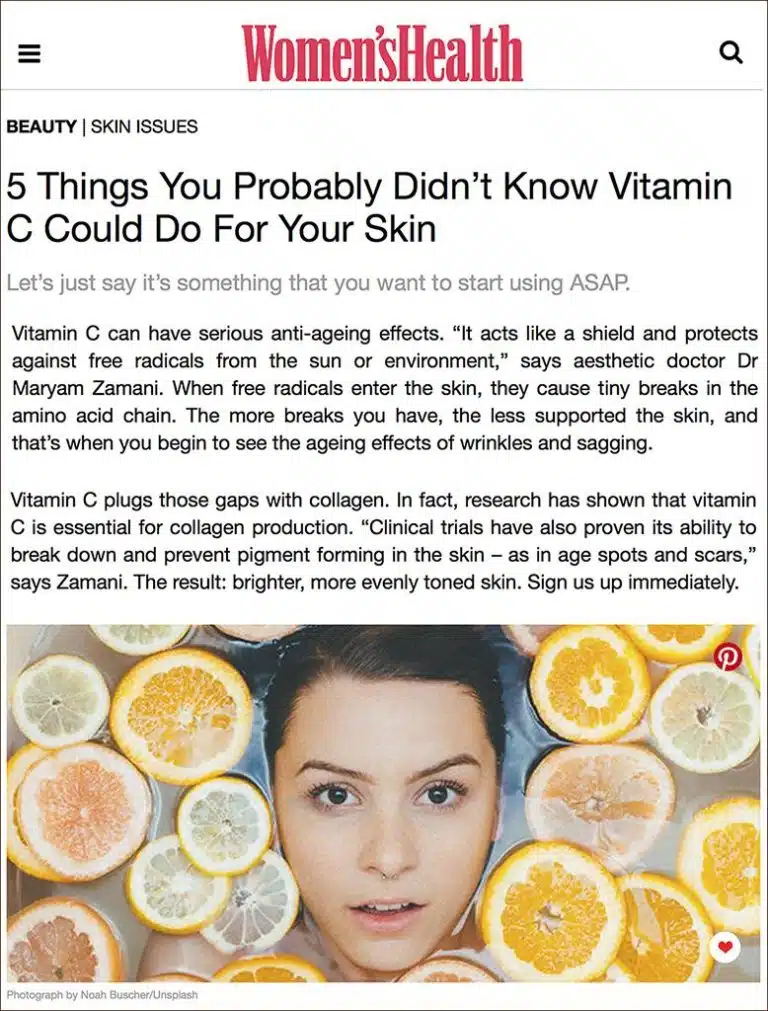
Vitamin C acts as a powerful antioxidant that fights free radicals. These unstable molecules can damage your skin cells and speed up aging.
By neutralizing these harmful agents, Vitamin C helps reduce inflammation and promotes a clearer, healthier complexion. Have you ever felt your skin was dull or tired? This is often due to oxidative stress, which Vitamin C can counteract.
Protection Against Sun Damage
While Vitamin C isn’t a sunscreen, it enhances your skin’s defense against UV damage. It reduces the impact of sun exposure by repairing damaged skin cells and minimizing redness.
Using Vitamin C alongside your regular sunscreen can improve your skin’s resilience. Do you want to reduce sun spots and uneven skin tone? Vitamin C can help you achieve a more even, glowing complexion over time.

Credit: x.com
Enhancing Skin Radiance
Vitamin C plays a crucial role in boosting your skin’s natural glow. Its powerful antioxidant properties help refresh tired, lackluster skin, making it look visibly healthier and more vibrant. Adding vitamin C to your skincare routine can be a game changer for enhancing your skin’s radiance.
Brightening Dull Complexion
Vitamin C helps brighten dull skin by promoting collagen production and improving cell turnover. This means your skin sheds dead cells faster, revealing fresh, glowing skin underneath. Have you noticed how your face looks after a good night’s sleep? Vitamin C can help you achieve that refreshed look every day.
Reducing Hyperpigmentation
Dark spots and uneven patches can make your skin look tired and uneven. Vitamin C works to reduce hyperpigmentation by inhibiting melanin production, the pigment responsible for dark spots. Using a vitamin C serum regularly can lighten these spots and give your skin a more youthful, clear appearance.
Evening Skin Tone
Uneven skin tone can be frustrating, but vitamin C helps balance it out by calming inflammation and protecting against sun damage. It supports your skin’s natural repair process, making your complexion look smoother and more uniform. If you want your skin to look even and bright, vitamin C might be the missing piece you need.
Anti-aging Effects
Vitamin C offers powerful anti-aging benefits that help keep skin youthful. It works deep within skin layers to reduce signs of aging. This vitamin supports the skin’s natural defenses and promotes a radiant, smooth appearance. Regular use can lead to noticeable improvements in skin texture and tone.
Minimizing Fine Lines And Wrinkles
Vitamin C helps reduce fine lines and wrinkles by boosting collagen production. Collagen is a protein that keeps skin firm and plump. As we age, collagen levels drop, causing skin to sag and wrinkle. Vitamin C encourages new collagen growth, softening existing lines and preventing new ones from forming.
Boosting Skin Elasticity
Elastic skin looks healthy and youthful. Vitamin C supports elastin fibers, which give skin its stretch. Improved elasticity means skin bounces back more easily after stretching or pressure. This helps prevent sagging and maintains a tight, lifted appearance over time.
Supporting Skin Repair
Vitamin C speeds up skin repair by fighting free radicals. Free radicals cause damage that ages the skin faster. This vitamin acts as an antioxidant, protecting cells and promoting healing. It also helps fade dark spots and evens out skin tone for a fresher look.
Credit: sundayriley.com
Best Ways To Use Vitamin C
Vitamin C offers impressive benefits for your skin, but how you use it can make all the difference. Whether you choose to apply it directly, eat it, or mix it with other products, the right approach helps maximize its power. Let’s look at the best ways you can add Vitamin C to your routine for clearer, brighter skin.
Topical Serums And Creams
Applying Vitamin C directly to your skin is one of the fastest ways to see results. Serums and creams with a concentration between 10% and 20% are ideal for most skin types. They help reduce dark spots, boost collagen, and protect against sun damage.
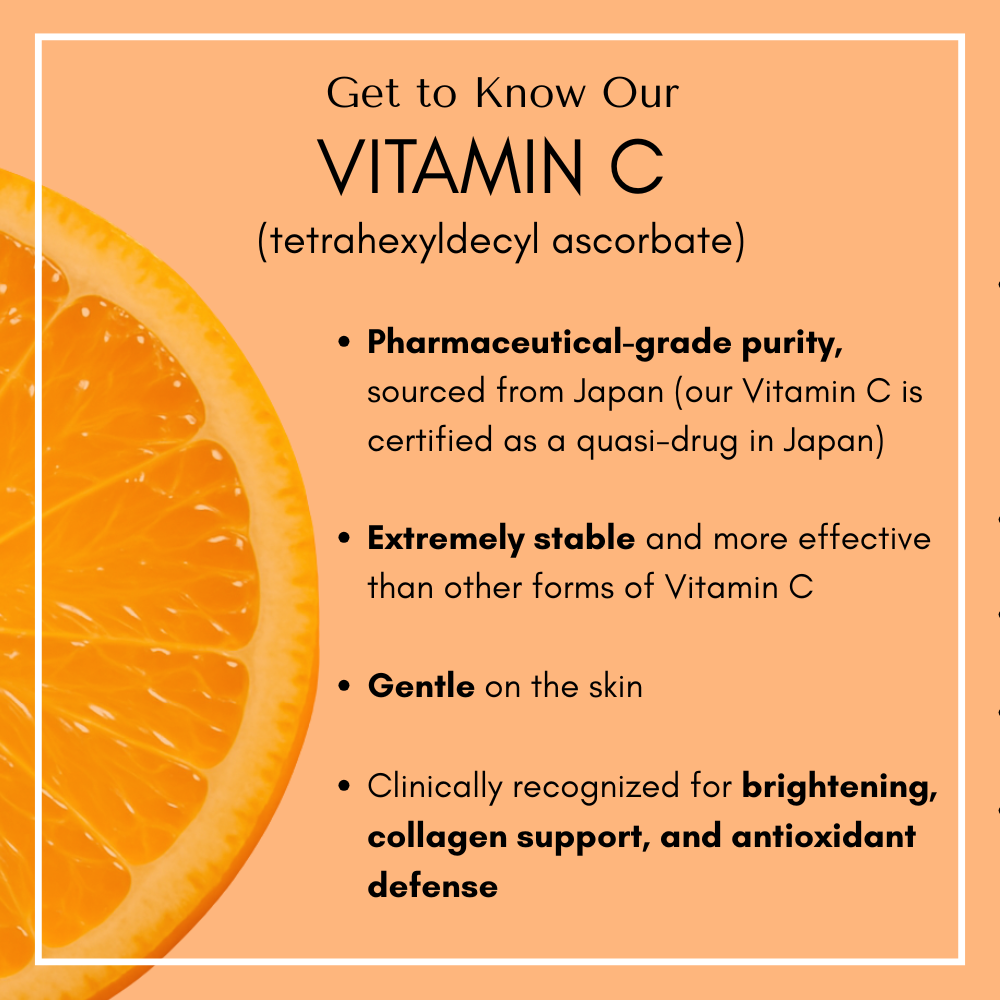
Look for products with L-ascorbic acid, the most effective form of Vitamin C. Remember to apply it on clean skin and follow up with sunscreen during the day. Have you noticed how some serums absorb faster? That’s often due to the product’s formulation, so try a few to find what works best for you.
Dietary Sources
Eating foods rich in Vitamin C supports your skin from the inside out. Citrus fruits like oranges and lemons, strawberries, kiwi, and bell peppers are excellent choices. Including these in your meals helps repair skin and fight free radicals naturally.
Don’t rely solely on supplements or topical products—your diet plays a key role. When was the last time you had a colorful salad packed with fresh veggies? Adding a handful of these every day can make a noticeable difference.
Combining With Other Skincare Ingredients
Vitamin C works best when paired carefully with other ingredients. It pairs well with Vitamin E and ferulic acid, which boost its antioxidant effects and stability. You can find serums that combine these for a powerful skin boost.
Be cautious mixing Vitamin C with retinol or niacinamide, as it may reduce effectiveness or cause irritation. Instead, use them at different times—Vitamin C in the morning and retinol at night. Have you experimented with combining ingredients to see what your skin loves?
Potential Side Effects And Precautions
Vitamin C offers many benefits for skin, but some people may experience side effects. Knowing these helps you use it safely. Careful use prevents irritation and improves results. Below are important points about side effects and precautions.
Skin Sensitivity
Vitamin C can cause skin sensitivity in some users. Redness, itching, or mild burning may occur after application. Sensitive skin types are more prone to these reactions. Patch testing before full use is a smart step. Stop use if irritation worsens or lasts long.
Proper Dosage And Application
Using the right amount of Vitamin C is key. Overuse can lead to dryness or peeling. Follow product instructions carefully. Start with lower concentrations to build tolerance. Apply on clean, dry skin to improve absorption. Avoid mixing with harsh acids or exfoliants to reduce irritation.
Who Should Avoid Vitamin C Products
People with very sensitive or allergy-prone skin should be cautious. Those with eczema or rosacea might find Vitamin C irritating. Avoid use if you have open wounds or sunburn. Consult a dermatologist before starting Vitamin C if you use prescription skin treatments. Pregnant or nursing women should also seek medical advice.
Credit: drmaryamzamani.com
Frequently Asked Questions
What Are The Main Benefits Of Vitamin C For Skin?
Vitamin C brightens skin, reduces wrinkles, and boosts collagen production. It also protects against sun damage and improves skin texture, making it vital for healthy skin.
How Does Vitamin C Help With Skin Aging?
Vitamin C stimulates collagen, reducing fine lines and wrinkles. It fights free radicals that cause aging, helping skin stay firm and youthful.
Can Vitamin C Reduce Dark Spots And Hyperpigmentation?
Yes, Vitamin C inhibits melanin production, fading dark spots and uneven skin tone. Regular use leads to brighter, more even skin.
Is Vitamin C Safe For All Skin Types?
Vitamin C is generally safe for all skin types. However, sensitive skin may experience mild irritation, so patch testing is recommended before full use.
Conclusion
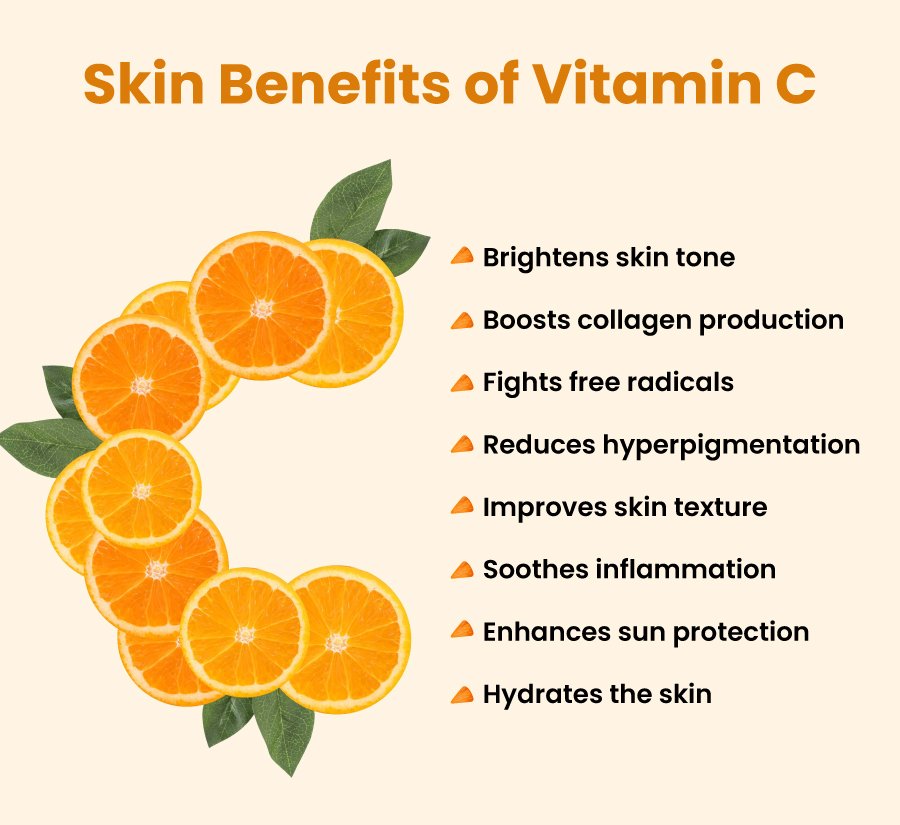
Vitamin C offers many benefits for skin health. It brightens skin and reduces dark spots. Its antioxidants fight free radicals. This helps slow aging signs. Vitamin C also boosts collagen production. This leads to firmer, smoother skin. Regular use can improve overall skin texture.
It keeps skin hydrated and radiant. Easy to add to your routine. Look for creams or serums with Vitamin C. Consistent use brings visible results. Enjoy healthier, glowing skin with Vitamin C. Perfect for all skin types. Simple and effective.
