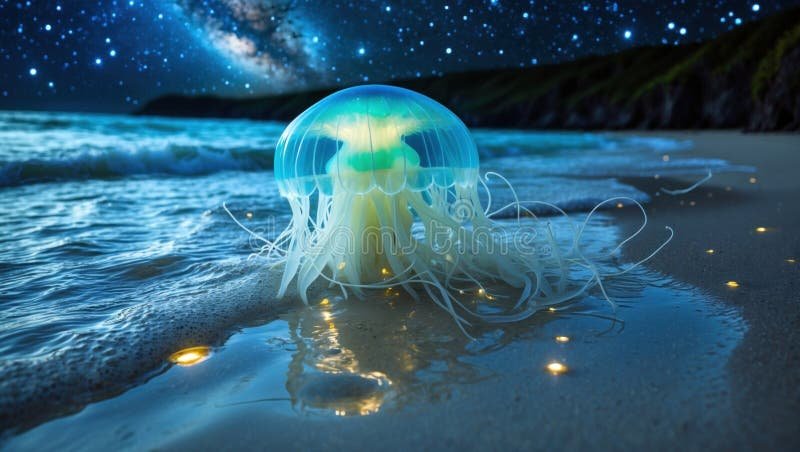
Have you ever imagined walking along a beach where the water lights up with a magical glow? Beautiful beach glowing jellyfish create a stunning natural spectacle that feels almost otherworldly.
These glowing creatures transform ordinary shorelines into a mesmerizing light show that you won’t want to miss. If you’re curious about where to find them, why they glow, and how this enchanting sight happens, keep reading. Your next beach visit might just become the most unforgettable experience.
Credit: m.economictimes.com
Jellyfish Bioluminescence
Jellyfish bioluminescence is one of nature’s most captivating light shows. This natural glow comes from chemical reactions inside the jellyfish’s body, creating a mesmerizing blue or green light. Witnessing these glowing creatures in the dark ocean feels like stepping into another world.
Have you ever wondered how these delicate sea animals produce such bright light without any batteries or electricity? Understanding their glowing mechanism not only deepens your appreciation but also reveals fascinating survival strategies.
How Jellyfish Glow
The glow of jellyfish comes from a chemical called luciferin reacting with oxygen, triggered by an enzyme called luciferase. This reaction produces light without heat, which is why it’s called bioluminescence.
Inside the jellyfish, special cells called photocytes carry out this light production. When disturbed or threatened, these cells activate, making the jellyfish shine brilliantly in the dark water.
This glowing ability serves multiple purposes: it can scare away predators, attract prey, or even communicate with other jellyfish. Next time you see a glowing jellyfish, think about how that light might be its way of staying safe or finding food.
Types Of Bioluminescent Jellyfish
Not all jellyfish glow the same way or color. Different species have unique bioluminescence patterns and intensities.
- Aequorea victoria:Known for its stunning blue-green glow, this jellyfish was the source of the famous Green Fluorescent Protein (GFP), widely used in scientific research.
- Atolla wyvillei:This deep-sea jellyfish produces intense flashes of light to confuse predators and escape danger quickly.
- Pelagia noctiluca:Often found in warm seas, this jellyfish glows pinkish-purple, creating a surreal spectacle during nighttime swims.
Each species’ glow adapts to its environment. Have you noticed how some jellyfish glow softly while others flash brightly? That difference tells you a lot about their lifestyle and habitat.
Famous Beaches With Glowing Jellyfish
Glowing jellyfish create a magical spectacle along certain beaches worldwide. These bioluminescent creatures light up the water with an otherworldly glow, captivating visitors and photographers alike. If you want to see this natural wonder in person, some famous beaches stand out as prime spots for witnessing these radiant marine animals.
Vaadhoo Island, Maldives
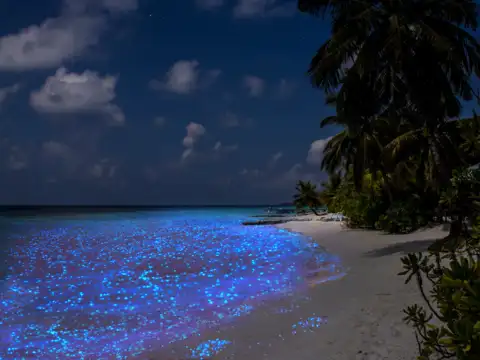
Vaadhoo Island is famous for its “Sea of Stars,” where the shoreline sparkles with blue bioluminescence. The glowing effect comes from millions of tiny jellyfish and plankton lighting up the waves at night. Visiting here feels like stepping into a dream, especially when you walk along the beach and the water glows under your feet.
Have you ever imagined walking on a glowing beach? Vaadhoo offers that rare experience, making it a must-visit for nature lovers and adventurers.
Toyama Bay, Japan
Toyama Bay is known for its firefly squid, a small jellyfish-like creature that illuminates the waters every spring. These glowing squids create a mesmerizing blue light show, visible during night fishing seasons. Locals and tourists gather to witness this natural light display, which also supports sustainable fishing practices.
What draws you more—the idea of glowing jellyfish or the chance to see a unique sea creature lighting up the bay? Toyama Bay offers both in an unforgettable way.
Jellyfish Lake, Palau
Jellyfish Lake in Palau is home to millions of golden jellyfish that glow softly as they swim in the calm waters. Unlike other places, you can snorkel right among them, experiencing their gentle pulses up close. The lack of predators here allows these jellyfish to thrive, creating a stunning glowing environment.
Would you dive into a lake filled with glowing jellyfish? Palau offers that rare opportunity, combining adventure with a peaceful, glowing underwater world.
Nighttime Beach Experiences
Nighttime beach experiences reveal a magical side of the ocean that most people rarely see. When the sun sets and darkness takes over, the beach transforms into a glowing wonderland thanks to bioluminescent jellyfish. Witnessing these creatures light up the water is not only beautiful but also deeply calming and unforgettable.
Best Times To Visit
Timing is key to enjoy the glowing jellyfish at their brightest. The best months usually fall between late spring and early fall, depending on the location. Warmer waters attract more jellyfish, increasing your chances of seeing a spectacular light show.
Pay attention to the moon phases. Dark or new moon nights offer the clearest view since the absence of bright moonlight enhances the jellyfish’s glow. Also, try visiting after calm weather; rough seas can scatter the jellyfish and make sightings less likely.
Safety Tips For Visitors
While the glowing jellyfish are mesmerizing, safety should never be ignored. Avoid touching the jellyfish, even if they look harmless. Some species can sting, causing mild to severe reactions.
Wear water shoes to protect your feet from accidental stings or sharp objects on the beach. Never swim alone at night, and always stay close to the shore where you can quickly exit if needed.
- Carry a flashlight with a red filter to preserve night vision without disturbing the jellyfish.
- Keep your distance and observe quietly to avoid stressing the creatures.
- Check local guidelines or ask park rangers about any specific jellyfish warnings or protected areas.
Have you ever wondered how such tiny creatures can light up an entire shoreline? Next time you visit the beach at night, look carefully—you might witness nature’s own light show right beneath your feet.
Ecological Role Of Glowing Jellyfish
Glowing jellyfish light up the ocean with their natural bioluminescence. Their glow is not just beautiful but plays a key role in marine life. These creatures influence many ocean processes. Understanding their ecological role helps us appreciate their importance.
Predator And Prey Dynamics
Glowing jellyfish are both hunters and hunted in the sea. They use light to attract small fish and plankton, their main food source. Their glow can confuse or scare away larger predators. Some animals avoid glowing jellyfish to prevent stings.
Their glowing helps them survive by:
- Attracting prey in dark waters
- Deterring predators with sudden flashes
- Communicating with other jellyfish
Impact On Marine Ecosystems
Glowing jellyfish affect many parts of the ocean ecosystem. They help control the population of tiny sea creatures. This keeps the food chain balanced. Their presence influences the health of coral reefs and fish communities.
When jellyfish populations change, it affects:
- Water quality and nutrient cycles
- Availability of food for other species
- Behavior of predators and prey
Conservation And Threats
Glowing jellyfish light up our oceans with their ethereal beauty, but their survival faces increasing challenges. Understanding the threats they encounter and the efforts to protect them is crucial for preserving these mesmerizing creatures. Let’s look at how human actions impact them and what protective measures can help.
Human Impact
Your actions can directly affect jellyfish populations. Pollution from plastic waste and chemicals disrupts their delicate habitats and poisons their food sources.
Overfishing reduces their natural predators and prey balance, sometimes causing jellyfish blooms that harm marine ecosystems. Coastal development also destroys breeding grounds, leaving jellyfish vulnerable.
Have you ever wondered how your daily choices influence ocean life? Even small changes in waste disposal and water use can make a big difference.
Protective Measures
Communities and organizations are taking steps to safeguard glowing jellyfish through habitat preservation and pollution control.
- Establishing marine protected areas shields crucial breeding and feeding zones from human interference.
- Reducing plastic use and improving waste management helps keep oceans cleaner for jellyfish and other marine life.
- Promoting sustainable fishing practices maintains the ecological balance needed for jellyfish survival.
You can contribute by supporting policies that protect marine environments and by spreading awareness about the importance of jellyfish conservation. What role will you play in preserving this glowing wonder?

Credit: www.dreamstime.com
Photography Tips For Capturing Glow
Capturing the magical glow of jellyfish on the beach needs special care. The light they produce is soft and often faint. Using the right camera settings and lighting tricks helps reveal their beauty. This section shares simple tips to photograph glowing jellyfish with clarity and charm.
Camera Settings
- Use a low ISO (100-400) to reduce noise in dark scenes.
- Select a wide aperture (f/2.8 – f/4) to capture more light.
- Set a slow shutter speed (1/10 to 1 second) to gather enough light.
- Use manual focus to keep the jellyfish sharp.
- Turn off the flash to avoid washing out the glow.
- Use a tripod to prevent camera shake during long exposures.
Lighting Techniques
- Use natural light from the moon or nearby lamps for soft illumination.
- Bring a small, dim LED light to gently brighten the scene.
- Try backlighting the jellyfish to highlight their glowing edges.
- Avoid harsh or direct light that can overpower the jellyfish glow.
- Experiment with colored lights to enhance the jellyfish’s natural colors.
- Keep the light source steady to avoid blurring the glow effect.

Credit: www.cornishsecrets.co.uk
Frequently Asked Questions
What Makes Jellyfish Glow In The Ocean?
Jellyfish glow due to bioluminescence, a chemical reaction in their bodies. This light helps them attract prey and avoid predators. Their glowing appearance creates a magical underwater scene, especially in dark waters or at night.
Where Can I See Beautiful Glowing Jellyfish?
Glowing jellyfish are commonly found in warm coastal waters worldwide. Popular spots include Japan’s Toyama Bay, California’s Monterey Bay, and the Maldives. Nighttime tours often offer the best chance to witness their stunning glow.
Are Glowing Jellyfish Dangerous To Humans?
Most glowing jellyfish are harmless, but some species can sting. Their stings range from mild irritation to painful reactions. Always observe from a safe distance and avoid touching jellyfish in the wild.
How Do Jellyfish Produce Bioluminescent Light?
Jellyfish produce light using proteins called luciferins and enzymes called luciferases. When these chemicals react with oxygen, they emit a glowing light. This natural process is an adaptation for survival in deep or dark waters.
Conclusion
Witnessing glowing jellyfish on a beach is truly magical. Their luminescent beauty captivates everyone. These creatures light up the night, creating a surreal scene. Observing them can be an unforgettable experience. They remind us of nature’s wonders. Visiting such beaches offers peace and tranquility.
It’s like walking through a dream. Be sure to protect and respect their habitat. Preserve these moments for future generations. Enjoy the glow and treasure the memory. Nature’s beauty, right at your feet.
