
Starting a skincare routine can feel confusing and overwhelming. You might wonder what steps really matter or which products are worth your time and money.
But it doesn’t have to be complicated. With a simple, basic skincare routine, you can give your skin the care it needs to look fresh and healthy every day. This guide will show you easy steps you can follow right now, so you can feel confident in your skin without any stress.
Ready to discover how simple skincare can transform your look and boost your confidence? Keep reading—you’re about to learn the essentials that will make a real difference.
Choosing The Right Cleanser
Choosing the right cleanser is the foundation of any effective skincare routine. Your skin encounters dirt, oil, and pollution every day, so picking a cleanser that suits your skin’s needs can make a huge difference. The right cleanser not only cleans but also supports your skin’s natural balance, preventing dryness or irritation.
Types Of Cleansers
There are several types of cleansers available, each designed for different skin concerns and preferences. Understanding these can help you find one that feels comfortable and works well for you.
- Gel Cleansers:Lightweight and often oil-free, these are great if your skin tends to be oily or acne-prone. They clean deeply without leaving residue.
- Cream Cleansers:These are thicker and more moisturizing, perfect if your skin feels dry or sensitive. They help maintain hydration while cleansing.
- Foam Cleansers:They create a rich lather and are effective at removing excess oil and impurities. However, they can be drying if overused.
- Micellar Water:A gentle, no-rinse option that lifts dirt with micelles. Ideal for quick cleansing or removing makeup without stripping skin.
- Oil Cleansers:Surprisingly good for all skin types, especially dry or combination skin. They dissolve makeup and sebum without harsh chemicals.
Matching Cleanser To Skin Type
Have you ever bought a cleanser just because it looked popular, only to find it made your skin worse? Matching your cleanser to your skin type avoids this common mistake and improves your results.
| Skin Type | Recommended Cleanser | Why It Works |
|---|---|---|
| Oily | Gel or Foam Cleanser | Removes excess oil and prevents clogged pores without overdrying. |
| Dry | Cream or Oil Cleanser | Hydrates and nourishes while cleansing to avoid flakiness. |
| Combination | Gentle Gel or Micellar Water | Balances oily zones and dry patches without irritation. |
| Sensitive | Micellar Water or Cream Cleanser | Soothes and cleanses gently, reducing redness and discomfort. |
Take a moment to think about your skin right now. Does it feel tight, oily, or balanced after washing? Your answer will guide you toward the best cleanser choice. What small change could you make today to improve your skin’s comfort and clarity?
Importance Of Moisturizing
Moisturizing is a key step in any skincare routine. It helps keep your skin soft, smooth, and healthy. Without moisture, skin can become dry, flaky, and irritated. Moisturizers protect your skin from damage and help it stay balanced. This step works for all skin types, even oily or sensitive skin. Regular moisturizing supports skin repair and slows down signs of aging.
Benefits Of Moisturizer
- Keeps skin hydrated and prevents dryness
- Reduces flakiness and rough patches
- Protects the skin barrier from environmental damage
- Improves skin texture and tone
- Helps reduce redness and irritation
- Supports skin repair and healing
- Can slow down the appearance of fine lines
Selecting Moisturizer For Your Skin
Choose a moisturizer based on your skin type for best results.
| Skin Type | Recommended Moisturizer | Key Ingredients |
|---|---|---|
| Dry Skin | Rich, cream-based moisturizer | Hyaluronic acid, glycerin, ceramides |
| Oily Skin | Lightweight, oil-free moisturizer | Salicylic acid, aloe vera, niacinamide |
| Combination Skin | Balancing, non-comedogenic moisturizer | Green tea extract, hyaluronic acid |
| Sensitive Skin | Gentle, fragrance-free moisturizer | Chamomile, oatmeal, aloe vera |
Test a small amount first. Apply moisturizer after cleansing and toning. Use it daily for best skin health.
Sun Protection Essentials
Sun protection is a key part of any basic skincare routine. It helps keep your skin safe from harmful UV rays. These rays can cause sunburn, aging, and even skin cancer. Using the right products and habits shields your skin daily. This section covers the essentials you need to protect your skin under the sun.
Why Sunscreen Matters
Sunscreen blocks harmful ultraviolet rays from reaching your skin. These rays damage skin cells and cause premature aging. Sunburn is painful and damages skin layers deeply. Over time, UV exposure increases the risk of skin cancer. Sunscreen helps prevent these problems and keeps skin healthy.
Regular use of sunscreen reduces wrinkles and dark spots. It protects your skin even on cloudy days. UV rays can pass through clouds and windows. Applying sunscreen every day, no matter the weather, is important for long-term skin health.
Choosing The Right Spf
SPF stands for Sun Protection Factor. It measures how well sunscreen protects against UVB rays. UVB rays cause sunburn and skin damage. The higher the SPF, the better the protection.
For daily use, choose sunscreen with at least SPF 30. SPF 30 blocks about 97% of UVB rays. If you spend long hours outside, use SPF 50 for extra protection.
Look for broad-spectrum sunscreen. It protects against both UVA and UVB rays. UVA rays cause aging and skin damage too. Apply sunscreen 15 minutes before going outside. Reapply every two hours or after swimming and sweating.
Basic Skincare Tools
Basic skincare tools help keep your skin clean and healthy. Using the right tools makes your routine easier and more effective. These tools work with your products to remove dirt, oil, and dead skin cells. They can also help your skin absorb moisturizers better. Simple tools can make a big difference in your daily care.
Cleansing Brushes And Cloths
Cleansing brushes and cloths remove dirt and oil from your skin. Brushes have soft bristles that gently clean your face. Cloths are usually made from soft, absorbent material. They help wipe away makeup and impurities. Using these tools can leave your skin feeling fresh and smooth.
- Choose a brush with soft, gentle bristles.
- Use a clean cloth every time to avoid bacteria.
- Move the brush or cloth in small circles for better cleaning.
- Do not press too hard to protect your skin.
Using Facial Masks
Facial masks give your skin extra care. They can hydrate, brighten, or deep clean your face. Different masks suit different skin types and needs. Applying masks regularly can improve your skin’s texture and look. It is easy to use masks at home.
- Apply masks on a clean face for best results.
- Leave the mask on for the time shown on the package.
- Rinse off with warm water and pat dry gently.
- Use masks once or twice a week for healthy skin.
Simple Weekly Treatments
Adding simple weekly treatments to your skincare routine can make a big difference in how your skin looks and feels. These treatments go beyond daily cleansing and moisturizing, targeting specific concerns like dullness, dryness, or uneven texture. They don’t have to be complicated or time-consuming, but they do need to be consistent.
Exfoliation Tips
Exfoliation removes dead skin cells, helping your skin look brighter and smoother. You don’t need to exfoliate every day—once or twice a week is enough to avoid irritation.
Choose a gentle exfoliator that suits your skin type. If your skin is sensitive, opt for a mild chemical exfoliant with ingredients like lactic acid instead of harsh scrubs. When I switched to a gentle exfoliant, my skin stopped feeling tight and looked more even.
Apply exfoliant on clean, dry skin and use light circular motions. Rinse thoroughly and follow with a hydrating product to soothe your skin. How often do you really pay attention to how your skin feels after exfoliation?
Hydrating Masks
Hydrating masks are a great way to boost your skin’s moisture levels once a week. They can help calm irritation, plump up dry skin, and give your face a refreshed look.
Look for masks with ingredients like hyaluronic acid, aloe vera, or glycerin. These ingredients draw moisture into the skin and keep it there. I noticed that after using a hydrating mask on dry days, my makeup applied more smoothly and lasted longer.
Apply the mask on clean skin and leave it on for the recommended time, usually 10-20 minutes. Don’t forget to rinse or wipe off gently, then seal in the moisture with your favorite moisturizer. What’s your go-to way to treat your skin when it feels parched?
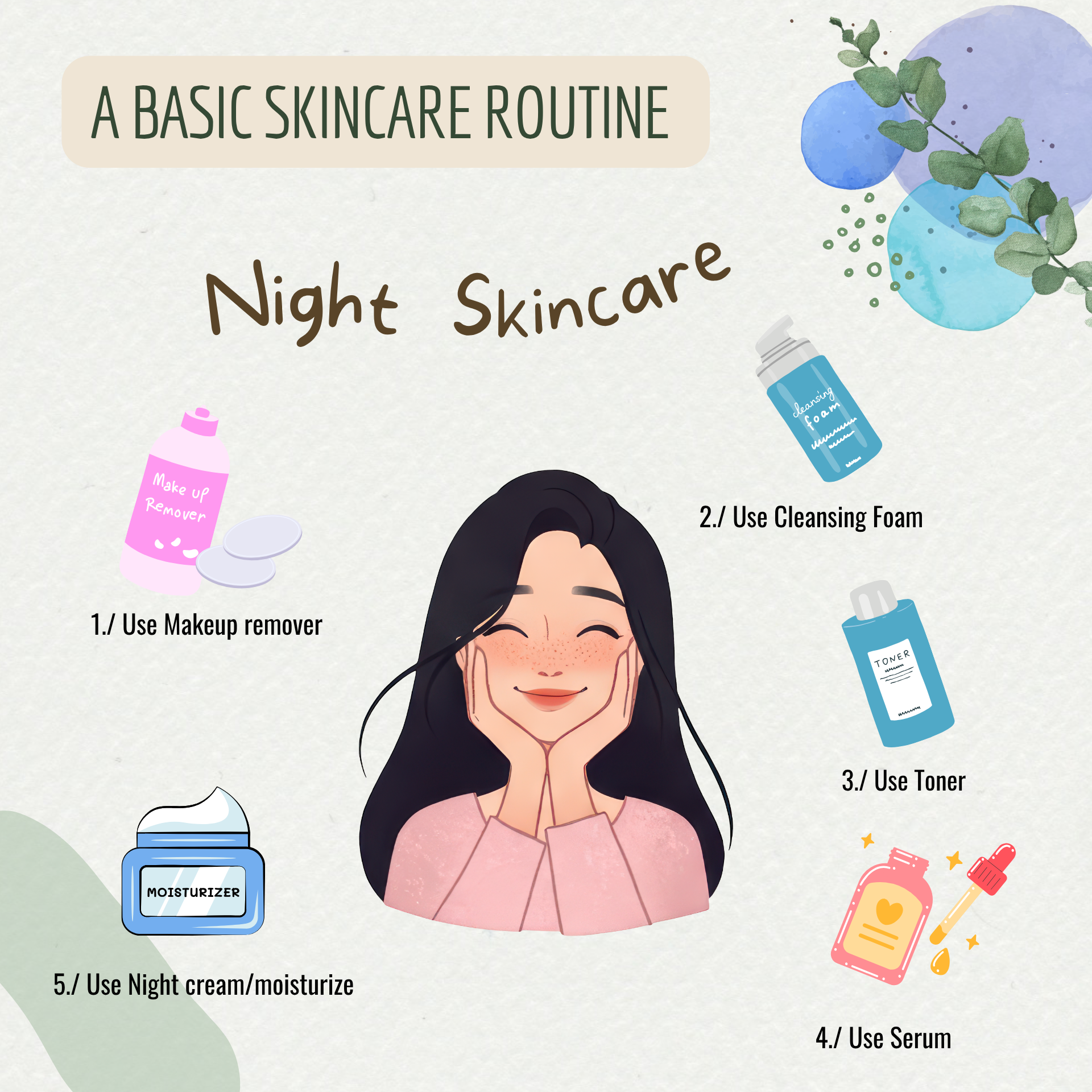
Credit: timicosmetics.com
Common Mistakes To Avoid
Starting a skincare routine can be exciting but tricky. Many beginners make simple mistakes that harm their skin. Avoiding these errors helps your skin stay healthy and clear. Understanding what not to do is as important as knowing what to do.
Over-cleansing
Cleaning your face twice a day is enough for most skin types. Washing too often removes natural oils and causes dryness or irritation. Harsh scrubbing or using strong cleansers can damage the skin barrier. Gentle cleansing keeps skin balanced and hydrated.
Skipping Steps
Every step in a skincare routine has a purpose. Skipping moisturizer or sunscreen leaves skin unprotected and dull. Missing cleansing or exfoliating can cause clogged pores and breakouts. Follow each step to help your skin look its best.
Tips For Maintaining Glow
Maintaining a natural glow doesn’t happen by chance—it’s a result of daily choices you make for your skin and overall health. Small habits can either boost your radiance or dull it down. Let’s look at practical tips that help your skin shine from the inside out.
Healthy Lifestyle Habits
Your skin reflects what you do every day. Drinking enough water keeps your skin hydrated and plump. Aim for at least 8 glasses a day, and notice how your complexion feels fresher.
Sleep plays a huge role too. Getting 7-8 hours each night allows your skin to repair and regenerate. Ever noticed how tired skin looks dull? Giving yourself rest can fix that.
What you eat matters as well. Foods rich in antioxidants, like berries and leafy greens, protect your skin from damage. Try adding a colorful salad or smoothie to your meals—it’s an easy way to feed your glow.
Consistent Skincare Routine
Consistency beats complexity in skincare. Sticking to a simple daily routine helps your skin adapt and improve over time. You don’t need 10 products; just a cleanser, moisturizer, and sunscreen can do wonders.
Clean your face twice a day to remove dirt and oils. I used to skip night cleansing, thinking it was not a big deal, but my skin improved significantly once I made it a habit.
Applying sunscreen daily prevents sun damage, which causes dullness and premature aging. Even on cloudy days, your skin needs protection—make it a non-negotiable step.
- Choose gentle products suited for your skin type.
- Introduce new products slowly to avoid irritation.
- Pay attention to how your skin reacts and adjust accordingly.
How often do you check your skincare routine and adjust it based on your skin’s needs? Staying mindful can keep your glow alive all year round.
Credit: medium.com
Credit: www.lemon8-app.com
Frequently Asked Questions
What Are The Essential Steps In A Basic Skincare Routine?
A basic skincare routine includes cleansing, moisturizing, and applying sunscreen daily. Cleansing removes dirt and oil. Moisturizing keeps skin hydrated. Sunscreen protects from UV damage. These steps maintain skin health and prevent common issues like dryness and acne.
How Often Should Beginners Cleanse Their Face?
Beginners should cleanse their face twice daily, morning and night. This routine removes impurities and excess oil. Avoid harsh scrubbing to prevent irritation. Gentle cleansing helps maintain a clear, balanced complexion. Consistency is key for effective skincare.
Can Beginners Use Moisturizer With Oily Skin?
Yes, beginners with oily skin should use lightweight, non-comedogenic moisturizers. These hydrate without clogging pores or increasing oiliness. Look for gel-based or oil-free formulas. Proper moisturizing balances skin and reduces excess oil production.
Why Is Sunscreen Important In A Skincare Routine?
Sunscreen protects skin from harmful UV rays that cause aging and cancer. Daily use prevents sunburn, dark spots, and wrinkles. It is essential even on cloudy days. Applying sunscreen after moisturizer is crucial for effective protection.
Conclusion
Creating a skincare routine is simple and rewarding. Start with basic steps. Cleanse your face daily to remove dirt. Moisturize to keep skin hydrated and smooth. Don’t forget sunscreen during the day. Protects from harmful UV rays. Choose products that suit your skin type.
Consistency is key for best results. With time, your skin will feel healthier. Remember, simplicity leads to success in skincare. Enjoy the journey to healthier skin. Stay patient and observe changes over time. Your skin will thank you.
