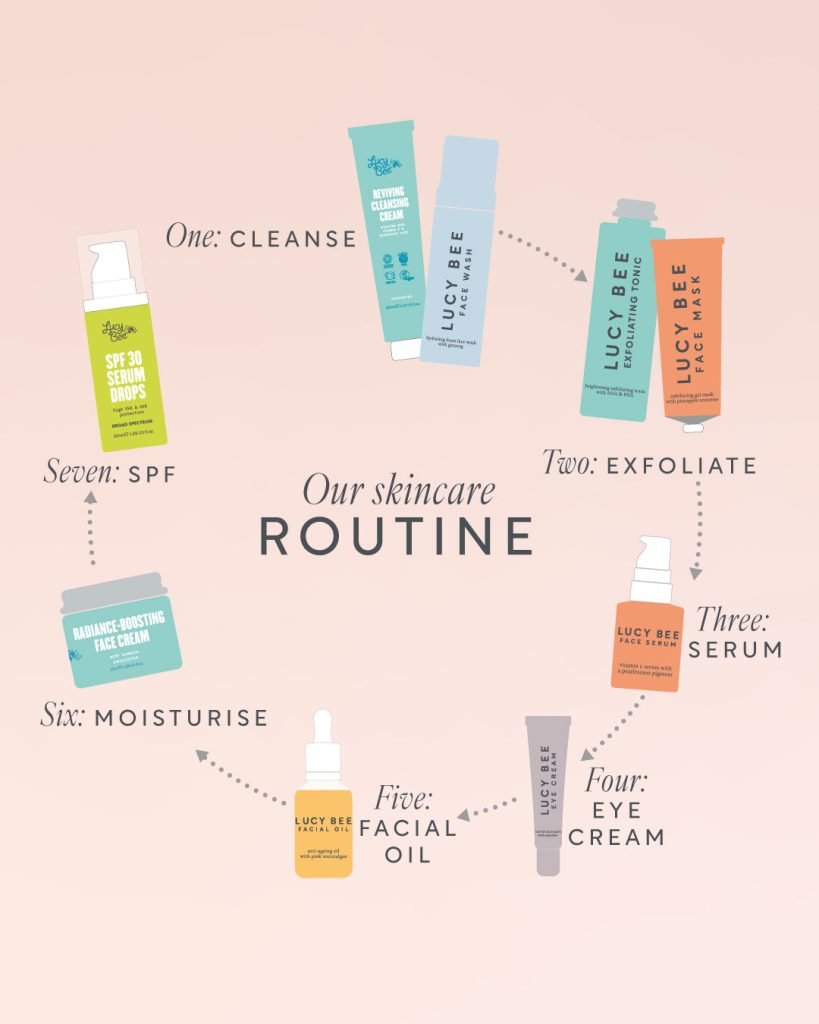
Imagine waking up each morning to skin that looks and feels refreshed, vibrant, and healthy. That’s the dream, right?
But here’s the thing: achieving that dream is easier than you think. With a simple yet effective basic skincare routine, you can transform your skin and boost your confidence every day. Whether you’re a skincare novice or someone looking to simplify your routine, this guide is crafted just for you.
We’ll break down the essentials, cut through the noise, and give you the tools to take charge of your skin’s health. Curious about the steps to glowing skin? Keep reading to discover how you can make your skin the best it can be!
Cleansing Techniques
Cleansing is the foundation of any effective skincare routine. It removes dirt, oil, and impurities that build up on your skin throughout the day. Mastering the right cleansing techniques can make a noticeable difference in how your skin feels and looks.
Choosing The Right Cleanser
Your skin type should guide your cleanser choice. If you have dry skin, opt for cream-based or hydrating cleansers that add moisture. Oily skin benefits from gel or foaming cleansers that help control excess oil without stripping your skin.
Think about any sensitivities or allergies you have. Avoid harsh ingredients like sulfates if your skin is easily irritated. Sometimes, switching to a gentle cleanser made a huge difference for me—I stopped feeling tightness and redness after just a week.
Morning Vs Evening Cleansing
Cleansing in the morning preps your skin for the day ahead. It removes any sweat or oil produced overnight and creates a clean canvas for your products. Use a gentle cleanser in the morning to avoid over-drying your skin.
Evening cleansing is crucial to remove makeup, sunscreen, and pollutants from the day. Double cleansing can work wonders here—start with an oil-based cleanser to break down makeup, then follow with a water-based cleanser to clean deeper. Have you tried double cleansing yet? It’s a game-changer for clear skin.
Avoiding Common Cleansing Mistakes
Over-cleansing can strip your skin of natural oils, causing dryness and irritation. Stick to cleansing twice a day unless you’ve been sweating heavily or exposed to dirt. Using hot water might feel relaxing but it can damage your skin barrier—lukewarm water is best.
Be gentle with your skin. Rubbing harshly or using rough washcloths can cause micro-tears. Instead, use your fingertips in circular motions and rinse thoroughly. How often do you check your cleanser’s ingredients? Avoiding alcohol-heavy formulas can prevent unnecessary dryness.

Credit: www.playingwithapparel.com
Exfoliation Basics
Exfoliation is a key part of any skincare routine. It helps remove dead skin cells, revealing fresh and glowing skin underneath. Proper exfoliation can prevent clogged pores and dullness. It also prepares your skin to better absorb moisturizers and serums. Understanding the basics helps you choose the right exfoliant and frequency.
Physical Vs Chemical Exfoliants
Physical exfoliants use small particles or tools to scrub away dead skin. Examples include scrubs with beads, brushes, or sponges. They give instant smoothness but can be harsh on sensitive skin.
Chemical exfoliants use acids or enzymes to dissolve dead skin cells. Common types include AHAs (like glycolic acid) and BHAs (like salicylic acid). They work gently and evenly without scrubbing. Chemical exfoliants suit most skin types and improve skin texture over time.
How Often To Exfoliate
Frequency depends on skin type and exfoliant strength. Most people exfoliate 1 to 3 times per week. Sensitive skin needs less, about once a week. Oily or acne-prone skin can tolerate more frequent exfoliation. Over-exfoliating causes dryness and irritation. Always listen to your skin’s response.
Benefits For Skin Texture
Exfoliation smooths rough patches and evens skin tone. It helps reduce bumps and dry flakes. Regular exfoliation can shrink pores and brighten dull skin. It also promotes new cell growth for a youthful look. Healthy skin feels soft, smooth, and fresh to touch.
Toning Benefits
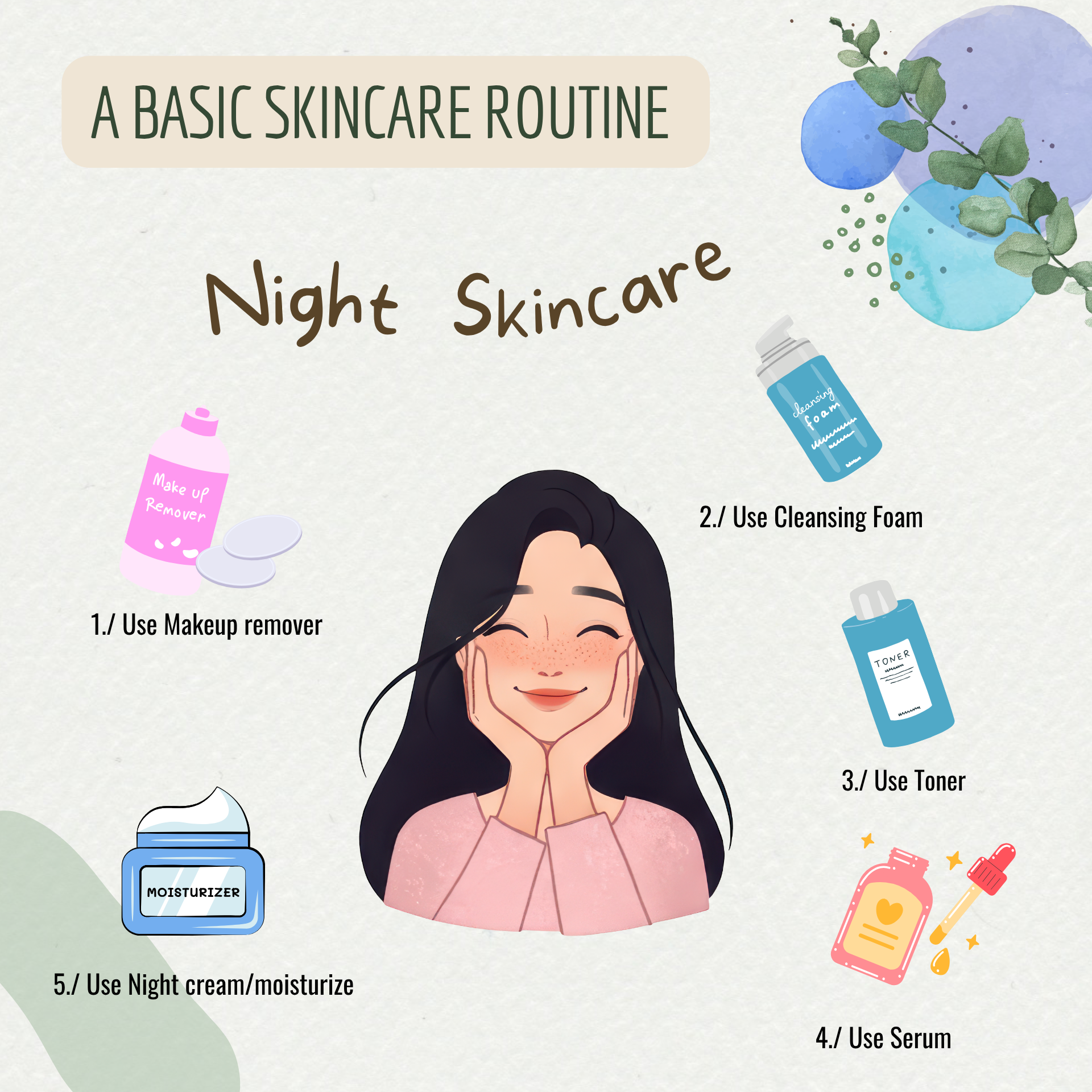
Toning is an essential step in a basic skincare routine. It helps refresh the skin and removes leftover dirt and makeup. Toners also prepare the skin for better absorption of moisturizers and serums. Using toner regularly can improve skin texture and balance oil levels.
Selecting A Suitable Toner
Choose a toner that matches your skin type. For dry skin, opt for hydrating toners with ingredients like glycerin or aloe vera. Oily skin benefits from toners with salicylic acid or witch hazel. Sensitive skin needs alcohol-free, gentle formulas to avoid irritation.
Balancing Skin Ph
The skin’s natural pH is slightly acidic, around 5.5. Cleansers can disrupt this balance, making skin dry or oily. Toner helps restore the skin’s pH to its natural level. Balanced pH supports healthy skin and strengthens its barrier against bacteria.
Applying Toner Effectively
Apply toner to clean skin using a cotton pad or your hands. Gently pat the toner on your face, avoiding harsh rubbing. Allow the toner to fully absorb before adding moisturizer. This step ensures the skin stays hydrated and fresh all day.
Credit: timicosmetics.com
Moisturizing Essentials
Moisturizing is a key part of any skincare routine. It helps keep your skin soft, smooth, and healthy. Moisturizers add water and oils to your skin. They protect your skin from dryness and damage. Choosing the right moisturizer makes a big difference. It supports your skin’s natural barrier and keeps it balanced.
Types Of Moisturizers
Moisturizers come in different forms. Each type works well for certain skin needs.
- Creams:Thick and rich. Good for dry or mature skin.
- Lotions:Light and easy to spread. Ideal for normal to oily skin.
- Gels:Water-based and non-greasy. Best for oily or acne-prone skin.
- Ointments:Very thick and oily. Great for very dry or damaged skin.
- Serums:Lightweight with active ingredients. Used before moisturizer for extra care.
Matching Moisturizer To Skin Type
Choosing a moisturizer for your skin type helps it work better.
| Skin Type | Recommended Moisturizer | Key Benefit |
|---|---|---|
| Dry | Rich creams or ointments | Deep hydration and protection |
| Oily | Light gels or lotions | Controls shine and hydrates |
| Normal | Light to medium lotions | Maintains balance and softness |
| Sensitive | Fragrance-free creams or gels | Soothes and reduces irritation |
Locking In Hydration
Moisturizers help seal water inside the skin. They stop moisture from escaping.
Apply moisturizer while skin is still damp. This traps water and boosts hydration.
Look for ingredients like:
- Hyaluronic acid
- Glycerin
- Ceramides
- Shea butter
These ingredients hold water and repair the skin barrier. They keep skin soft all day.
Sun Protection
Sun protection is a crucial part of any skincare routine. It shields your skin from harmful UV rays that can cause premature aging, sunburn, and even skin cancer. Understanding how to protect your skin effectively can make a big difference in its health and appearance.
Choosing The Right Spf
Not all sunscreens are created equal. Look for an SPF of at least 30 for daily use, which blocks about 97% of UVB rays. If you spend extended time outdoors, consider SPF 50 or higher for extra protection.
Also, choose a broad-spectrum sunscreen. This means it protects against both UVA and UVB rays. Check the label to ensure it covers both.
Applying Sunscreen Correctly
Applying sunscreen isn’t just about slapping it on your face. You need to use enough—about a teaspoon for your face and neck. Missing spots like your ears, hairline, and under your chin is common but should be avoided.
Apply sunscreen 15 to 30 minutes before going outside. This gives it time to absorb and form a protective layer. Don’t forget to apply it even on cloudy days—UV rays penetrate clouds easily.
Reapplying Throughout The Day
Sunscreen wears off over time, especially if you sweat or swim. Reapply every two hours for continuous protection. If you’re outdoors and active, check your sunscreen’s water resistance and reapply accordingly.
Think about your day—are you stepping out for a quick errand or spending hours outside? Adjust your reapplication schedule to match your exposure. Your skin will thank you for the extra care.

Credit: www.eraorganics.com
Additional Skincare Tips
Extra care can enhance your basic skincare routine. Small changes can lead to better skin health and appearance. Focus on adding useful products and habits. These tips help protect and nourish your skin daily.
Incorporating Serums
Serums are lightweight formulas with active ingredients. They target specific skin concerns like dryness, dullness, or wrinkles. Apply serums after cleansing and before moisturizing. Use a few drops and gently pat onto your face. Choose serums based on your skin type and needs.
Eye Cream Usage
The skin around your eyes is thin and sensitive. Eye creams help reduce puffiness, dark circles, and fine lines. Dab a small amount with your ring finger. Avoid rubbing or pulling the skin. Use eye cream twice daily for best results.
Lifestyle Factors Affecting Skin
Your daily habits affect your skin’s health significantly. Drink plenty of water to stay hydrated. Eat fruits and vegetables rich in vitamins. Avoid too much sun exposure and use sunscreen. Get enough sleep to help skin repair itself. Manage stress through relaxation techniques or exercise.
Frequently Asked Questions
What Are The Essential Steps In A Basic Skincare Routine?
A basic skincare routine includes cleansing, toning, moisturizing, and sun protection. These steps keep your skin clean, hydrated, and protected from damage. Consistency is key for healthy skin. Tailor products to your skin type for best results.
How Often Should I Follow My Skincare Routine Daily?
Follow your skincare routine twice daily—morning and night. Morning care protects and hydrates your skin for the day. Nighttime routine removes impurities and supports skin repair. Regular care maintains skin health and appearance.
What Products Are Best For A Simple Skincare Routine?
Use gentle cleanser, alcohol-free toner, lightweight moisturizer, and broad-spectrum sunscreen. Choose products suitable for your skin type, like oily or dry. Avoid harsh ingredients to prevent irritation. Simple products work best for daily use.
Can A Basic Skincare Routine Improve Skin Texture?
Yes, a basic routine improves skin texture by removing dirt and dead cells. Moisturizing keeps skin soft and smooth. Sunscreen prevents sun damage that causes roughness and wrinkles. Consistent care reveals healthier, glowing skin.
Conclusion
A basic skincare routine keeps your skin clean and healthy. Use gentle products and follow simple steps daily. Consistency matters more than fancy treatments. Drink water and eat well to help your skin glow. Remember, healthy skin shows your natural beauty.
Start small and stay patient with your routine. Your skin will thank you over time. Easy habits create lasting results. Keep it simple, keep it steady.
