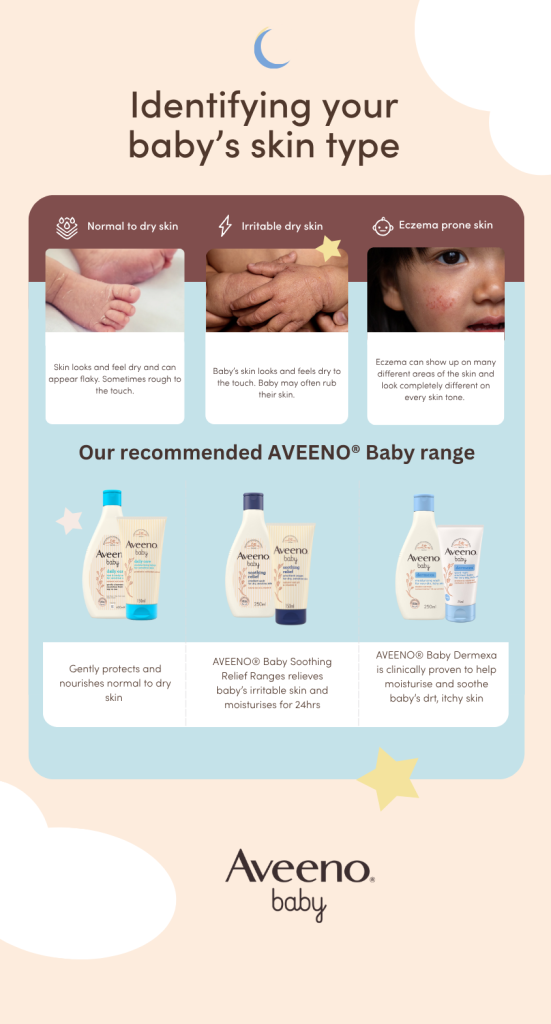
Caring for your baby’s delicate skin can feel like a daunting task. You want to ensure that every product you use is gentle, every step is safe, and every choice is the right one.
As a parent, you naturally worry about what’s best for your little one. Imagine a simple and effective baby skincare routine that leaves your baby’s skin soft, nourished, and free from irritation. In this guide, you’ll discover essential tips and expert advice to help you create a nurturing skincare routine that you can trust.
Get ready to unlock the secrets of baby skincare that will give you peace of mind and keep your baby smiling.

Credit: www.youtube.com
Choosing Gentle Products
Choosing gentle products for your baby’s skincare routine is essential to protect their delicate skin. Harsh ingredients can cause irritation, dryness, or allergic reactions. Selecting the right products helps maintain your baby’s natural skin barrier and keeps their skin soft and healthy.
Fragrance-free Options
Fragrances often contain chemicals that can irritate sensitive skin. Opting for fragrance-free products reduces the risk of rashes or allergic reactions. You might be surprised how many popular baby lotions and washes include added scents that aren’t necessary.
When shopping, check labels carefully. If you notice “fragrance” or “parfum,” consider skipping that product. Your baby’s skin will thank you for a gentler, more natural option.
Hypoallergenic Ingredients
Products labeled hypoallergenic are formulated to minimize the chance of allergic reactions. These options are usually free from common irritants like dyes and certain preservatives. It’s a good idea to patch test any new product on a small skin area before full use.
Look for ingredients like aloe vera, chamomile, and calendula, which soothe and nourish skin. Have you ever noticed how some natural extracts calm your baby’s skin after a diaper change? That’s the power of choosing the right ingredients.
Avoiding Harsh Chemicals
Steer clear of products containing sulfates, parabens, phthalates, and alcohol. These chemicals can strip moisture and cause dryness or redness. Even if a product is marketed for babies, always double-check the ingredient list.
Instead, pick products with simple, recognizable ingredients. A cleaner formula means fewer chances of irritation and keeps your baby’s skin balanced. How confident are you in reading labels to protect your little one’s skin?
Bathing Tips For Babies
Bath time can be a special moment for both you and your baby, but it also requires careful attention to keep your little one safe and comfortable. Knowing the right water temperature, how often to bathe, and safe techniques can make a big difference in your baby’s skin health and overall experience. Let’s look at some important tips to help you create a gentle and effective bathing routine.
Optimal Water Temperature
Water that is too hot can irritate your baby’s delicate skin, while water that’s too cold can cause discomfort. Aim for a temperature between 37°C and 38°C (98.6°F to 100.4°F), which feels warm but not hot to your wrist or elbow.
Using a bath thermometer can give you confidence, especially if you’re new to bathing your baby. Have you ever tested the water with your hand only to find it was too hot or cold? A thermometer removes that guesswork and keeps your baby safe.
Bath Frequency
Newborns don’t need daily baths since their skin can dry out easily. Bathing 2-3 times a week is usually enough in the early weeks. On other days, a gentle wipe with a warm, damp cloth can keep your baby clean.
As your baby grows and becomes more active, you might increase bath frequency. Watch your baby’s skin for signs of dryness or irritation and adjust accordingly to avoid over-washing.
Safe Bathing Techniques
Always keep one hand supporting your baby during the bath. Use a non-slip mat in the tub or sink to prevent slipping. Never leave your baby unattended, even for a moment.
Use mild, fragrance-free baby soap sparingly, focusing on areas that tend to get dirty like the face, neck, and diaper area. Rinse thoroughly and pat your baby dry instead of rubbing to protect their sensitive skin.
Do you feel confident holding your baby securely during bath time? Practicing a few times with a doll or stuffed animal can help build your comfort and ensure your baby’s safety.
Moisturizing Baby Skin
Moisturizing baby skin is a key part of keeping it soft and healthy. Babies have delicate skin that can dry out easily. Using the right moisturizer helps protect their skin from irritation and dryness. It also creates a gentle barrier against harsh weather and frequent washing.
Best Moisturizers For Babies
Choose moisturizers made for sensitive baby skin. Look for products that are fragrance-free and hypoallergenic. Ingredients like shea butter, aloe vera, and natural oils work well. Avoid lotions with dyes or strong chemicals. Creams and ointments often provide better hydration than lotions.
- Fragrance-free and hypoallergenic
- Contains natural oils like coconut or jojoba
- Rich creams or ointments for extra dryness
- Free from alcohol and artificial dyes
When To Apply Moisturizer
Apply moisturizer right after bathing your baby. The skin is still damp, helping to lock in moisture. Use a small amount and gently pat it on. Moisturize before bedtime to keep skin soft overnight. Reapply during the day if the skin feels dry.
Dealing With Dry Patches
Dry patches need extra care. Use a thicker cream or ointment on these areas. Avoid scratching or rubbing the skin harshly. Keep the skin clean and moisturized often. If dry patches persist, consult a pediatrician for advice.

Credit: www.babyforest.in
Protecting From Sun Exposure
Babies have delicate skin that needs special care under the sun. Protecting your baby from sun exposure reduces the risk of burns and long-term skin damage. Gentle, consistent sun protection helps keep their skin safe and healthy.
Choosing Baby-safe Sunscreens
Select sunscreens made specifically for babies. These products usually contain mineral-based ingredients like zinc oxide or titanium dioxide. They provide broad-spectrum protection without harsh chemicals. Look for sunscreens labeled “fragrance-free” and “hypoallergenic.” Apply a thin layer 15 minutes before sun exposure. Reapply every two hours or after swimming and sweating.
Sun Protection Clothing
Dress your baby in lightweight, long-sleeved shirts and pants. Clothes with a tight weave offer better sun defense. Use wide-brimmed hats to shield your baby’s face, neck, and ears. Sunglasses with UV protection help protect their sensitive eyes. Choose breathable fabrics to keep your baby comfortable in warm weather.
Avoiding Peak Sun Hours
Sun rays are strongest between 10 a.m. and 4 p.m. Stay indoors or in shaded areas during these hours. Plan outdoor activities in the early morning or late afternoon. Use umbrellas or canopies for extra shade when outside. Limiting direct sun exposure reduces the chance of sunburn and skin irritation.
Handling Common Skin Issues
Babies have delicate skin that can easily react to various factors, leading to common issues like diaper rash, eczema, and cradle cap. Handling these problems promptly and gently is key to keeping your little one comfortable and happy. Understanding how to care for these conditions can make a big difference in your daily routine.
Treating Diaper Rash
Diaper rash often appears as red, irritated patches on your baby’s skin. To soothe it, change diapers frequently and clean the area with warm water and a soft cloth. Avoid wipes with alcohol or fragrance, as they can worsen irritation.
Applying a thick layer of zinc oxide cream creates a protective barrier. Let the skin breathe by giving your baby some diaper-free time each day. Have you noticed how small changes in diaper habits can prevent rashes from developing?
Managing Eczema
Eczema can cause dry, itchy, and inflamed patches on your baby’s skin. Moisturize the affected areas several times daily using fragrance-free, gentle creams. Keeping your baby’s nails trimmed helps prevent scratching, which can lead to infection.
Baths should be lukewarm and brief, followed by immediate moisturizing. Avoid harsh soaps or detergents that strip natural oils. Does your baby’s eczema flare up in certain environments or after using specific products? Tracking these triggers can help you avoid them.
Soothing Cradle Cap
Cradle cap shows up as scaly, greasy patches on your baby’s scalp. Gently massage the scalp with baby oil or coconut oil to loosen the scales. Let it sit for about 15 minutes before washing with a mild baby shampoo.
Use a soft brush or cloth to remove flakes softly. Regular gentle washing can prevent buildup. Have you tried different oils or shampoos to find what works best for your baby’s scalp?
Maintaining Hygiene Safely
Maintaining hygiene safely is essential for your baby’s health and comfort. Babies have delicate skin that can easily get irritated or infected if not cared for properly. You want to keep your little one clean without causing any harm or discomfort.
Cleaning Sensitive Areas
Focus on gentle cleaning methods for sensitive spots like the face, neck folds, and diaper area. Use mild, fragrance-free wipes or a soft cloth dipped in warm water. Avoid harsh soaps that strip natural oils and always pat dry instead of rubbing.
Check for redness or rashes after cleaning to catch irritation early. Have you noticed how a simple change in wipes can make a big difference in your baby’s skin condition?
Nail Care
Baby nails grow fast and can scratch their face or eyes. Keep nails trimmed regularly using baby-specific nail clippers or a soft file. Trim nails when your baby is calm or asleep to avoid sudden movements.
Cleaning under the nails is also important to prevent dirt buildup. Use a soft brush or a damp cloth gently to clean beneath the nails without hurting the skin.
Keeping Baby’s Environment Clean
Your baby’s skin is exposed to the environment constantly, so keeping their surroundings clean is key. Wash bedding, clothes, and toys frequently with mild detergents. Avoid strong chemicals or fabric softeners that can irritate sensitive skin.
Regularly disinfect surfaces your baby touches, such as play mats and high chairs. Do you find that a clutter-free, clean space helps your baby stay healthier and happier?
Signs To Watch For
Keeping an eye on your baby’s skin is more important than you might think. Babies can’t tell you when something feels off, so you need to watch for signs that suggest their skin needs extra care or medical attention. Knowing what to look for can help you act fast and keep your little one comfortable and healthy.
Allergic Reactions
Redness, itching, or tiny bumps appearing suddenly might mean your baby is having an allergic reaction. Sometimes, new soaps, lotions, or even laundry detergent can trigger this. If you notice any unusual rash or swelling, stop using the product and watch if the irritation improves.
It’s easy to confuse dry skin with an allergy, but allergies often come with persistent redness and discomfort. Have you ever changed a baby product only to see a rash pop up? That’s a clear hint to check the ingredients or try a gentler alternative.
Infections
Infections can show up as redness that spreads, warmth in the area, swelling, or even small blisters or pus. Diaper rash is common, but if it looks very red, swollen, or your baby seems more uncomfortable than usual, it might be infected. Look out for fever or if your baby pulls away when you touch the area.
Don’t ignore unusual skin changes, especially around folds like the neck or behind the ears. These places can trap moisture and become breeding grounds for infections. Have you noticed your baby scratching or fussing more than usual? That’s a signal to check for infection.
When To Consult A Pediatrician
Trust your instincts. If your baby’s skin changes don’t improve within a few days of home care, it’s time to see a doctor. Persistent redness, swelling, blisters, or if your baby develops a fever alongside skin issues, don’t wait.
Sometimes, what looks like a simple rash could be a sign of something more serious. Consulting a pediatrician early can prevent complications. Have you ever hesitated to call the doctor, only to wish you had reached out sooner? Your baby’s health is worth the call.
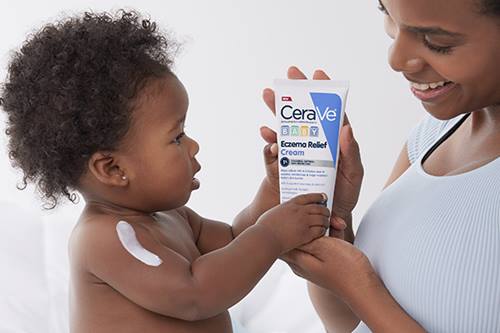
Credit: www.cerave.com
Frequently Asked Questions
What Is The Best Skincare Routine For Newborn Babies?
A gentle routine includes daily cleansing with mild soap and water, followed by moisturizing. Avoid harsh chemicals or fragrances to protect sensitive skin.
How Often Should I Bathe My Baby For Healthy Skin?
Bathing 2-3 times a week is enough to keep baby’s skin clean. Overbathing can cause dryness and irritation.
Which Ingredients Are Safe In Baby Skincare Products?
Look for natural, hypoallergenic ingredients like aloe vera, chamomile, and shea butter. Avoid parabens, sulfates, and artificial fragrances.
How Can I Prevent Diaper Rash During Skincare?
Change diapers frequently and use a barrier cream with zinc oxide. Clean the area gently and let skin air dry.
Conclusion
A gentle baby skincare routine keeps your little one’s skin healthy. Use mild products made for babies. Clean and moisturize daily to avoid dryness. Watch for any signs of irritation or rash. Keep your baby’s skin safe from harsh weather.
Consistency helps build good habits early. Caring for baby’s skin shows your love and attention. Simple steps make a big difference in comfort. Stay patient and enjoy this special time together.
