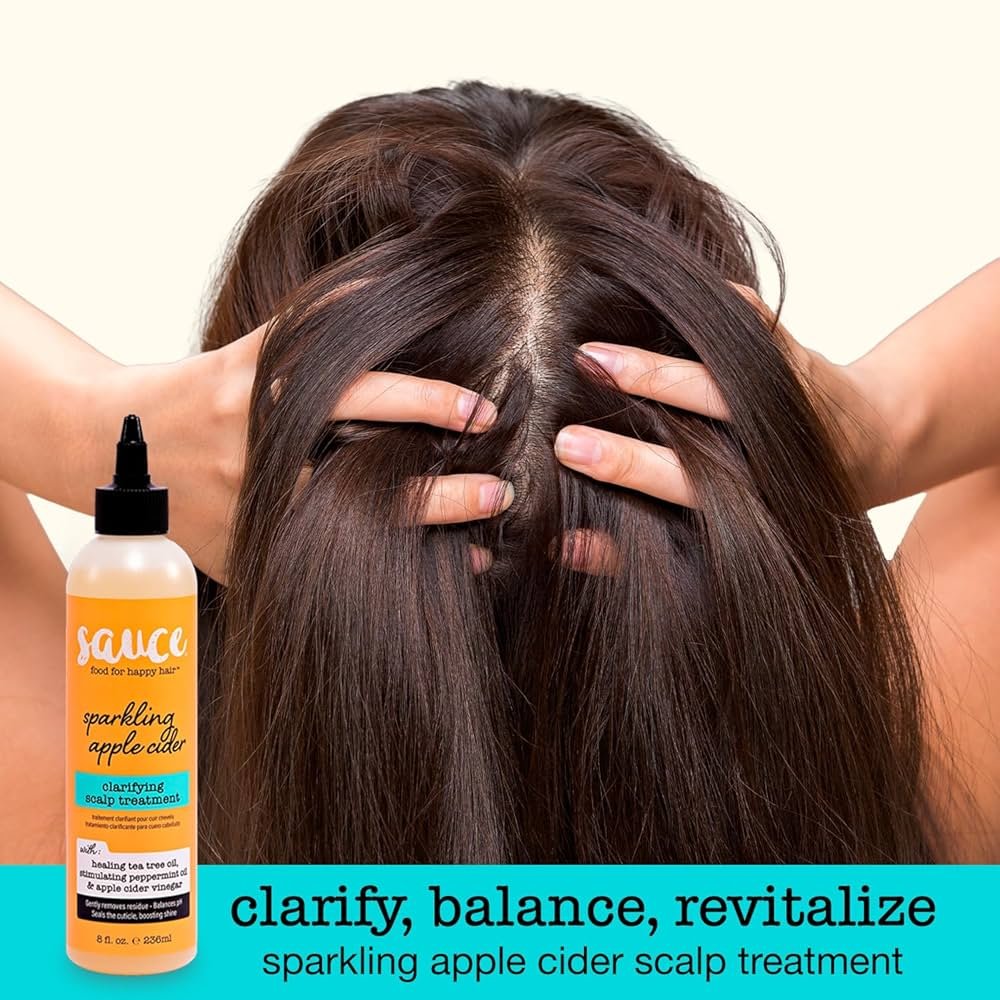
Are you looking for a simple, natural way to boost your hair health? Apple cider vinegar might be the secret ingredient you’ve been missing.
This everyday kitchen staple can do wonders for your scalp and hair, from adding shine to fighting dandruff. If you want stronger, fresher, and more vibrant hair without harsh chemicals, keep reading to discover how apple cider vinegar can transform your hair care routine.
Your hair deserves this natural boost!
Credit: www.aveeno.ca
Benefits Of Apple Cider Vinegar For Hair
Apple cider vinegar (ACV) offers several benefits that can improve the health and appearance of your hair. It’s a natural, affordable option that many people overlook. Using ACV regularly can help your scalp and hair feel fresher and look shinier without relying on harsh chemicals.
Restoring Scalp Ph Balance
Your scalp has a natural pH level that keeps it healthy and prevents infections. Sometimes shampoos and styling products disrupt this balance, causing dryness or oiliness. Apple cider vinegar helps restore the scalp’s ideal pH by making it slightly acidic, which can soothe irritation and support a healthier environment for hair growth.
Have you noticed your scalp feeling itchy or tight after washing? ACV might be what your routine is missing to bring back comfort and balance.
Reducing Dandruff And Itchiness
Dandruff can be stubborn and frustrating, often linked to fungal growth or dryness. ACV’s natural antibacterial and antifungal properties can reduce flakes and calm itchiness. Regular rinses with diluted ACV can clear away buildup that causes dandruff, helping your scalp breathe better.
Many people share how switching to ACV rinses transformed their scalp health when other treatments failed. Could this simple step be your solution too?
Enhancing Hair Shine And Smoothness
ACV smooths the hair cuticle, which is the outer layer of each strand. When the cuticle lies flat, light reflects better, giving your hair a natural shine. It also helps detangle hair, reducing frizz and making hair feel silkier to the touch.
If your hair looks dull or feels rough, try an ACV rinse after shampooing. The difference in texture and shine can be surprisingly noticeable after just a few uses.
Strengthening Hair Follicles
Stronger hair starts at the root. ACV can improve circulation in the scalp, which nourishes hair follicles and promotes healthier growth. It also helps clear away excess oil and residue that can clog follicles and weaken strands over time.
Think about how your hair responds to different treatments—could an ACV rinse give your follicles the boost they need to grow stronger, thicker hair?

Credit: www.amazon.com
How To Use Apple Cider Vinegar Safely
Using apple cider vinegar (ACV) for hair care can offer amazing benefits, but it’s important to use it safely to avoid irritation or damage. The key lies in choosing the right type of vinegar, diluting it properly, and knowing how often to apply it. Let’s break down how you can enjoy the perks of ACV without risking your scalp or hair health.
Choosing The Right Vinegar
Not all apple cider vinegars are created equal. Look for raw, unfiltered, and organic ACV with the “mother” still intact. This type contains beneficial enzymes and probiotics that support scalp health and shine.
Avoid vinegars with added sugars, preservatives, or artificial flavors, as they can irritate your scalp. If you’re sensitive, try a small amount first to see how your skin reacts.
Dilution Ratios For Hair Rinses
ACV is acidic, so never apply it directly to your scalp or hair without diluting. A common ratio is 1 part apple cider vinegar to 3 or 4 parts water.
If you have very sensitive skin, increase the water to 5 or 6 parts. You can adjust based on how your hair and scalp respond—thicker hair might handle a stronger mix, while fine hair may prefer a gentler solution.
Application Frequency
How often you use ACV depends on your hair type and scalp condition. For oily or dandruff-prone scalps, 1-2 times a week can help balance oils and reduce buildup.
Dry or sensitive scalps may only need a rinse every 2 weeks or even less frequently. Pay attention to how your scalp feels—if it becomes dry or irritated, cut back the frequency.
Precautions And Patch Testing
Before applying ACV to your whole scalp, test it on a small skin patch behind your ear or on your wrist. Wait 24 hours to check for any redness, itching, or burning.
If you experience discomfort, dilute the ACV more or avoid it altogether. Never use ACV on broken or irritated skin, and avoid contact with your eyes to prevent stinging.
Diy Apple Cider Vinegar Hair Treatments
DIY apple cider vinegar (ACV) hair treatments offer a natural, cost-effective way to boost your hair’s health. These simple recipes help balance scalp pH, reduce dandruff, and add shine without harsh chemicals. If you’ve ever wondered how to use ACV beyond the bottle, try these easy treatments at home to see what works best for your hair type.
Basic Acv Hair Rinse Recipe
This straightforward rinse is perfect for beginners. Mix 1-2 tablespoons of apple cider vinegarwith 1 cup of water. After shampooing, pour the mixture over your hair and scalp, let it sit for a few minutes, then rinse with cool water.
You’ll notice your hair feels smoother and looks shinier right away. The acidic nature of ACV helps remove buildup from styling products that regular shampoo can miss. Have you ever felt like your hair is weighed down or dull after washing? This rinse might be the solution.
Acv And Essential Oils Blend
Adding essential oils makes the rinse smell amazing and boosts its benefits. Try mixing 1 cup water, 2 tablespoons ACV, and 5-6 drops of oils like lavender, rosemary, or tea tree. These oils can soothe the scalp, promote growth, and fight dandruff.
Shake the bottle well before use and apply after shampooing. You’ll get a refreshing scent and a scalp that feels balanced and less itchy. What essential oil scent do you find most relaxing or invigorating?
Apple Cider Vinegar Hair Mask Variations
For deeper conditioning, mix ACV with natural ingredients to create a mask. Combine 2 tablespoons ACVwith 1 tablespoon honeyand 1 tablespoon coconut oilfor hydration and shine. Apply to damp hair, leave for 15-20 minutes, then rinse thoroughly.
If your scalp is oily, swap coconut oil for aloe vera gel to avoid extra greasiness. These masks tackle dryness, frizz, and scalp irritation simultaneously. Are you ready to customize your mask based on your hair’s unique needs?
Targeting Specific Hair Issues
Apple cider vinegar (ACV) offers natural solutions for many hair problems. Its unique properties help balance the scalp and improve hair texture. Targeting specific hair issues with ACV can bring noticeable benefits. The acidity and nutrients in ACV support healthier hair and scalp conditions.
Fighting Oily Scalp
ACV helps reduce excess oil on the scalp. Its acidity balances pH levels, controlling oil production. Using a diluted ACV rinse clears away dirt and oil buildup. This leaves the scalp feeling fresh and less greasy.
Managing Dry And Frizzy Hair
ACV smooths the hair cuticles, reducing frizz. It seals moisture inside the hair strands for better hydration. Applying ACV rinse after shampoo softens dry hair. The natural acids also add shine and improve hair texture.
Promoting Hair Growth
ACV stimulates blood flow to hair follicles. This encourages healthier hair growth over time. It also removes scalp buildup that can block follicles. Regular use supports a clean scalp environment, ideal for new growth.
Tackling Product Buildup
Many hair products leave residues that weigh hair down. ACV acts as a gentle clarifier to remove this buildup. It restores hair’s natural bounce and lightness. Using ACV rinse weekly keeps hair clean and vibrant.
Common Myths And Facts
Apple cider vinegar (ACV) is popular in hair care but surrounded by many myths. Separating fact from fiction helps understand its true effects. People often confuse its benefits and risks. This section clears up common misunderstandings.
Does Acv Damage Hair?
ACV is acidic, but diluted use rarely harms hair. It can remove product buildup and balance scalp pH. Overuse or applying it undiluted may cause dryness or irritation. Using a mix of one part ACV to three parts water protects hair. Proper use supports scalp health without damage.
Acv Vs Commercial Hair Products
Commercial products often contain chemicals and fragrances. ACV is natural and free from synthetic additives. It works as a gentle cleanser and clarifier. Commercial shampoos can strip natural oils; ACV helps restore balance. ACV lacks foaming agents but promotes shine and softness. It suits people seeking a chemical-free option.
Long-term Effects On Hair Health
Regular ACV use may improve scalp condition and hair texture. It helps control dandruff and reduces itchiness. ACV strengthens hair by smoothing cuticles, which reduces breakage. Results take time and consistent use. Avoid daily application to prevent scalp dryness. Long-term use supports healthier, shinier hair naturally.
Tips For Best Results
Apple cider vinegar (ACV) can improve hair health effectively. Using it properly helps avoid dryness or irritation. Follow these tips for the best results and maintain healthy, shiny hair.
Combining Acv With Healthy Hair Habits
ACV works best with good hair care habits. Use gentle shampoos and conditioners suited for your hair type. Avoid washing hair with very hot water to prevent damage. Keep hair hydrated by drinking water and using leave-in conditioners. Limit heat styling tools to reduce breakage and dryness. Regular scalp massages improve blood flow and complement ACV treatments.
Timing And Routine Integration
Use ACV rinses 1-2 times weekly for balance. Apply ACV after shampooing, then rinse with cool water. Avoid leaving ACV on scalp too long to prevent irritation. Let hair air dry for better results and less damage. Adjust frequency based on hair’s response. Consistency helps maintain scalp pH and shine over time.
Storing And Handling Acv
Store ACV in a cool, dark place away from sunlight. Keep the bottle tightly closed to preserve its quality. Use diluted ACV to protect hair and scalp from acidity. Mix one part ACV with three to four parts water. Avoid using metal containers, which can react with vinegar. Clean any spills promptly to prevent stains or damage.
Credit: www.walmart.com
Frequently Asked Questions
What Are The Benefits Of Apple Cider Vinegar For Hair?
Apple cider vinegar balances scalp pH, reduces dandruff, and removes product buildup. It also adds shine and smoothness to hair, promoting a healthy scalp and stronger hair growth.
How To Use Apple Cider Vinegar For Hair Care?
Dilute apple cider vinegar with water in a 1:3 ratio. After shampooing, apply the mixture to hair and scalp. Leave for 2-3 minutes, then rinse thoroughly with water for best results.
Can Apple Cider Vinegar Help With Dandruff?
Yes, apple cider vinegar has antimicrobial properties that help reduce dandruff. It soothes scalp irritation and removes flakes, promoting a cleaner and healthier scalp environment.
Is Apple Cider Vinegar Safe For Colored Hair?
When diluted properly, apple cider vinegar is safe for colored hair. It helps maintain hair shine without stripping color. However, always perform a patch test to avoid adverse reactions.
Conclusion
Apple cider vinegar benefits hair in various ways. It promotes shine and strength. Regular use helps balance scalp pH. This can reduce dandruff and itchiness. It’s a natural and affordable option. Easy to incorporate into your routine. Suitable for most hair types.
But always patch-test first. Listen to your hair’s needs. Natural remedies can offer great results. Try apple cider vinegar and see the difference. Your hair might thank you for it.
