
Are you tired of dull, lifeless hair that just won’t shine? What if a simple, natural ingredient sitting in your kitchen could transform your hair care routine?
Apple cider vinegar might be the secret you’ve been missing. It’s not just for cooking or health drinks—this powerful ingredient can work wonders for your scalp and hair. Imagine smoother, shinier hair with less buildup and fewer tangles. Keep reading to discover how apple cider can give your hair the boost it deserves and why it’s becoming a favorite among hair care enthusiasts.
Your best hair days could be just one rinse away!
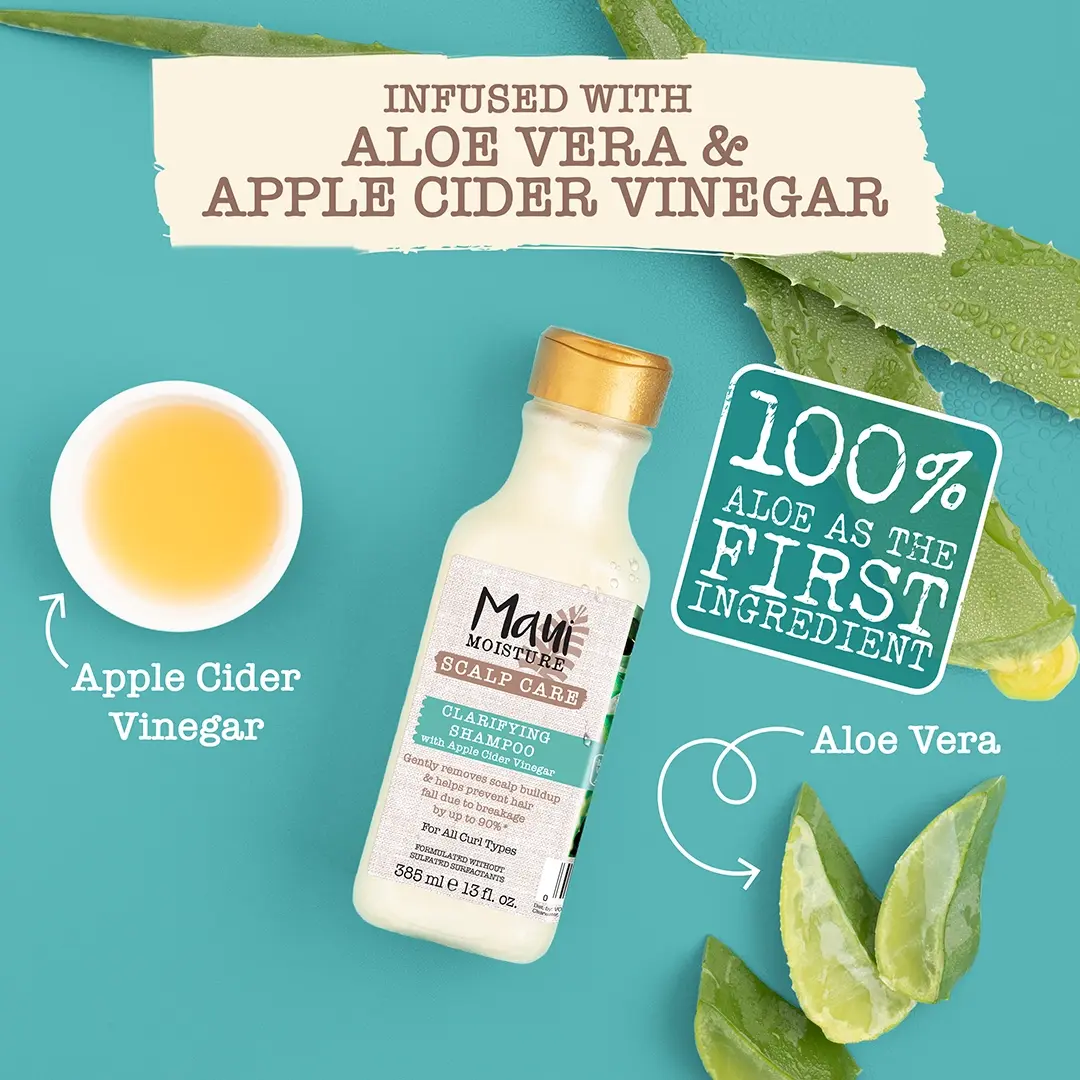
Credit: www.mauimoisture.com
Benefits Of Apple Cider Vinegar
Apple cider vinegar offers several benefits for hair care. It is a natural product that helps keep hair and scalp healthy. Its unique properties improve hair texture and scalp condition. Many people use it to solve common hair problems without harsh chemicals.
Nourishing Hair Scalp
Apple cider vinegar contains vitamins and minerals that nourish the scalp. It helps remove buildup from hair products. This creates a clean and healthy scalp environment. A healthy scalp supports strong and healthy hair growth.
Balancing Hair Ph
Hair and scalp have a natural pH balance that keeps them healthy. Apple cider vinegar helps restore this balance. It prevents dryness and oiliness by maintaining proper pH levels. Balanced pH also reduces irritation and improves scalp comfort.
Reducing Dandruff
Apple cider vinegar has antifungal properties that fight dandruff. It helps remove flakes and soothe itchy scalp. Regular use can reduce dandruff buildup effectively. It creates a cleaner scalp that feels fresh and healthy.
Enhancing Shine And Softness
Apple cider vinegar smooths hair cuticles, making hair look shiny. It helps reduce frizz and improves softness. Hair feels lighter and more manageable after use. This natural shine boost makes hair look healthy and vibrant.
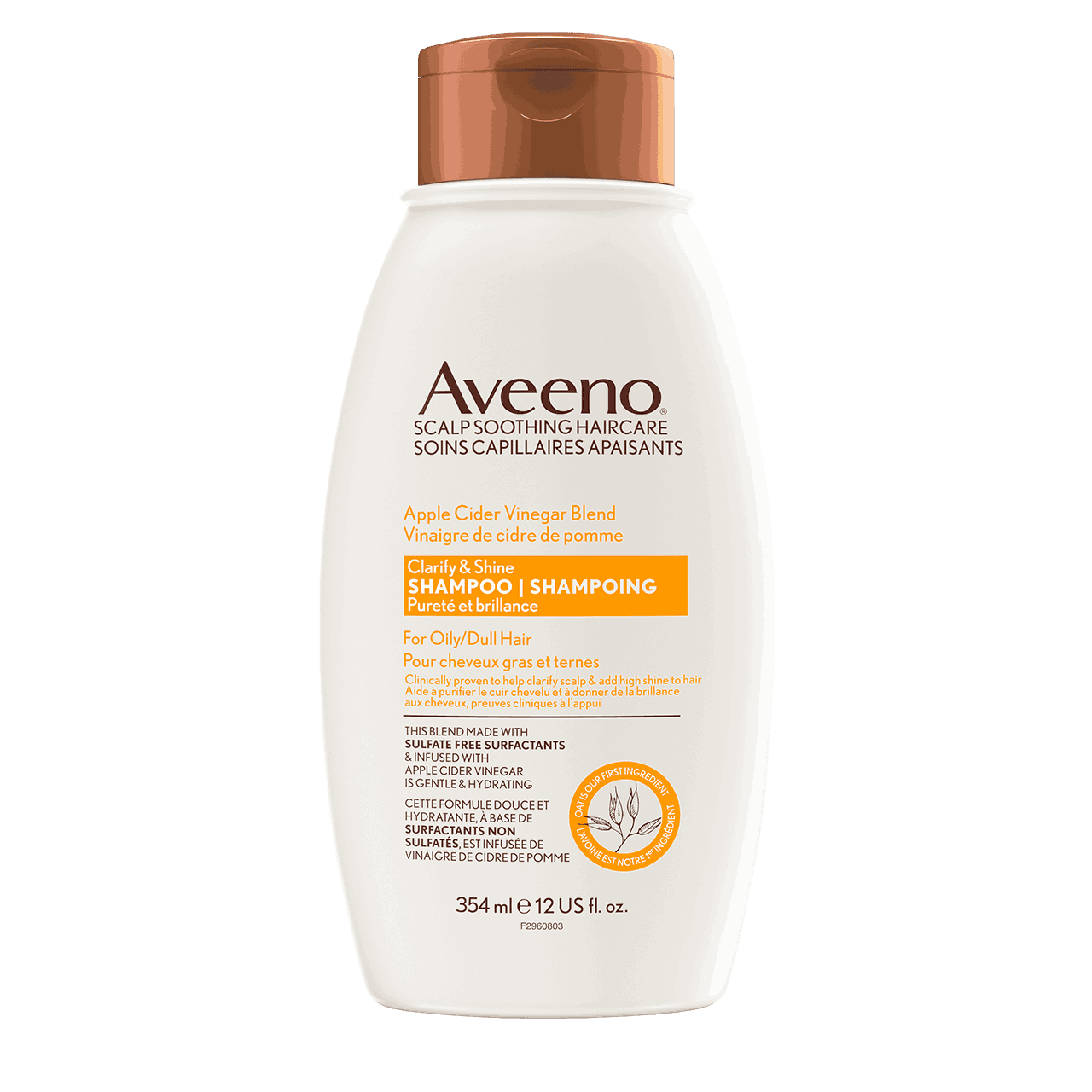
Credit: www.aveeno.ca
How Apple Cider Vinegar Works
Apple cider vinegar (ACV) has gained popularity in hair care for good reasons. Its unique composition interacts with your scalp and hair in several beneficial ways. Understanding how ACV works helps you use it more effectively for healthier, shinier hair.
Acidic Properties And Hair Health
Apple cider vinegar is naturally acidic, with a pH that closely matches that of your scalp. This acidity helps balance the scalp’s pH, which can often become too alkaline from shampoos or hard water. When your scalp’s pH is balanced, hair cuticles lie flat, resulting in smoother, less frizzy hair.
Have you noticed how your hair feels after using harsh shampoos? ACV can restore the natural acidity quickly, reducing dryness and irritation. This makes your scalp a healthier environment for hair growth.
Antimicrobial Effects
ACV contains acetic acid, which has antimicrobial properties. This means it can help reduce bacteria and fungi on your scalp, common culprits behind dandruff and scalp infections.
When I started rinsing with diluted ACV, I saw a noticeable drop in scalp itchiness and flakes within a couple of weeks. This simple step can be a game-changer if you struggle with scalp issues.
Sealing Hair Cuticles
After washing, your hair cuticles tend to open up, leaving strands vulnerable to damage and moisture loss. Rinsing with ACV helps seal these cuticles, locking in moisture and shine.
This sealing effect makes your hair feel softer and look glossier. It also reduces tangling, making your hair easier to manage daily. Have you ever felt the difference after a vinegar rinse? That smooth finish is exactly why it’s worth trying.
Choosing The Right Apple Cider Vinegar
Choosing the right apple cider vinegar (ACV) can make a big difference in your hair care routine. Not all ACV products offer the same benefits, and the quality you pick affects how your hair looks and feels. Understanding the differences helps you select the best vinegar for your specific hair needs.
Raw Vs. Filtered Vinegar
Raw apple cider vinegar contains the “mother,” a mix of enzymes, proteins, and friendly bacteria. This type helps balance your scalp’s pH and fights dandruff more effectively than filtered versions.
Filtered vinegar looks clear and lacks the cloudy sediment, but it misses out on many nutrients. If you want to boost your hair’s shine and health naturally, raw vinegar is the smarter choice.
Organic And Unpasteurized Options
Organic apple cider vinegar comes from apples grown without pesticides, making it safer for your scalp. Unpasteurized means it hasn’t been heated, which keeps all the natural enzymes intact.
Choosing an organic, unpasteurized ACV ensures you get the purest form. Have you ever noticed how some products cause irritation? This choice often reduces that risk and gives your hair a gentle yet effective treatment.
Diy Apple Cider Vinegar Hair Rinse Recipes
Apple cider vinegar (ACV) is a natural ingredient that benefits hair health. It balances scalp pH, reduces dandruff, and adds shine. Making your own ACV hair rinse is simple and cost-effective. You can customize recipes for different hair needs. Below are easy DIY apple cider vinegar rinse recipes to try.
Basic Apple Cider Vinegar Rinse
This rinse is perfect for all hair types. It cleanses the scalp and smooths hair cuticles.
- Mix 2 tablespoons of apple cider vinegar with 2 cups of water.
- Pour the mixture over damp hair after shampooing.
- Massage gently into the scalp.
- Rinse with cool water to seal the hair cuticles.
Soothing Scalp Treatment
This recipe calms itchy, irritated scalps. It helps reduce redness and dryness.
- Combine 2 tablespoons apple cider vinegar with 1 cup water.
- Add 1 teaspoon aloe vera gel for soothing effects.
- Apply the mixture to your scalp using a spray bottle.
- Leave on for 5 minutes, then rinse thoroughly.
Fragrant Herbal Infused Rinse
This rinse adds a fresh scent and extra nourishment. Herbs provide antioxidants and improve scalp health.
- Steep 1 tablespoon dried rosemary or chamomile in 1 cup hot water for 15 minutes.
- Strain the herbs and mix the liquid with 2 tablespoons apple cider vinegar.
- Allow the mixture to cool before use.
- Apply after shampooing, then rinse with cool water.
Application Tips And Frequency
Using apple cider vinegar (ACV) for hair care can transform your hair health, but how you apply it and how often matters a lot. Applying ACV correctly ensures you get the benefits without irritation or dryness. Let’s dive into practical tips on dilution, timing, and safety to make the most of your ACV routine.
Dilution Ratios For Different Hair Types
ACV is highly acidic, so it’s important to dilute it properly before applying it to your hair. The right ratio depends on your hair type and sensitivity.
| Hair Type | Dilution Ratio (ACV : Water) | Notes |
|---|---|---|
| Oily Hair | 1:3 | Stronger mix helps balance excess oil but avoid leaving it on too long. |
| Dry or Damaged Hair | 1:6 | Gentle mix prevents stripping natural oils and reduces dryness. |
| Normal Hair | 1:4 to 1:5 | Moderate mix maintains scalp pH without irritation. |
| Sensitive Scalp | 1:8 or more | Very mild mix to avoid redness or itching. |
If you’re unsure, start with a weaker dilution and increase strength gradually. Your scalp’s reaction will guide you.
Best Times To Use
Timing your ACV application can enhance its effectiveness. Many find it best after shampooing, as a final rinse to remove residue and balance pH.
- After Shampooing:Use ACV rinse to clarify and smooth hair cuticles.
- Before Shampooing:Some prefer applying ACV as a pre-wash treatment to loosen buildup.
- Frequency:1-2 times per week is enough for most hair types to avoid over-drying.
Experiment with these timings and observe how your hair feels. Have you noticed your scalp feels fresher or hair shinier after certain applications?
Precautions And Patch Testing
Applying ACV blindly can cause irritation or allergic reactions. It’s crucial to test it safely before regular use.
- Mix your chosen dilution ratio and apply a small amount to the inside of your wrist or behind your ear.
- Wait 24 hours and check for redness, itching, or burning sensations.
- If irritation occurs, dilute the solution further or avoid use altogether.
Remember, even natural ingredients can cause reactions. Avoid contact with your eyes and stop use immediately if you experience discomfort. Your scalp deserves gentle care, so listen carefully to what it tells you.
Common Mistakes To Avoid
Apple cider vinegar (ACV) offers many benefits for hair care. Mistakes can reduce its effects or harm your hair. Avoid these common errors to get the best results. Simple care can protect your hair and scalp while using ACV.
Using Undiluted Vinegar
ACV is very strong and acidic. Using it undiluted can burn your scalp or dry out hair. Always mix ACV with water before applying. A common ratio is one part vinegar to three parts water. This keeps the scalp safe and hair healthy.
Overusing The Rinse
Too much ACV rinse can upset the natural oils on your scalp. Limit use to one or two times per week. Overuse can cause dryness, itchiness, or flaking. Give your scalp time to balance between rinses for best results.
Ignoring Hair And Scalp Reactions
Watch for redness, itching, or unusual dryness after using ACV. These signs mean your scalp may not tolerate it well. Stop using ACV if you see these reactions. Try a patch test before applying it to your whole scalp. This helps avoid problems early.
Combining Apple Cider Vinegar With Other Hair Care
Apple cider vinegar (ACV) works well with other hair care products. Combining it properly can improve hair health and shine. It balances scalp pH and removes buildup. Mixing ACV with shampoos, conditioners, and oils enhances its effects. Use gentle methods for best results.
Using With Shampoos And Conditioners
Add a small amount of ACV to your shampoo or conditioner. This helps cleanse the scalp deeply and removes residue. Avoid mixing large amounts directly to prevent scalp irritation. Use ACV as a rinse after shampooing for softness. It smooths hair cuticles and reduces frizz.
Natural Oils And Treatments
Combine ACV with natural oils like coconut or jojoba for extra moisture. Mix a few drops of oil with diluted ACV and apply to hair ends. This blend nourishes dry hair and adds shine. Use as a pre-wash treatment or leave-in conditioner. The vinegar balances scalp oils, while oils hydrate strands.
Success Stories And Testimonials
Many people share positive stories about using apple cider vinegar for hair care. These success stories show real results and honest experiences. They help others understand how apple cider vinegar might improve hair health. Reading these testimonials can inspire you to try this natural remedy yourself.
Before And After Results
Photos often show clear changes after using apple cider vinegar. Hair looks shinier, smoother, and healthier. Some users report less dandruff and reduced scalp itchiness. Others see stronger hair with less breakage. These visual proofs help build trust in apple cider vinegar’s benefits.
Personal Experiences
- Many notice a fresher scalp feeling after rinsing with apple cider vinegar.
- Some people say their hair smells better and feels lighter.
- Users often mention fewer tangles and easier combing.
- Several share stories about their hair growing thicker over time.
- Others appreciate the natural approach without harsh chemicals.
These personal experiences show how apple cider vinegar supports healthy hair care routines. The simple steps and natural ingredients make it a popular choice for many.

Credit: www.amazon.com
Frequently Asked Questions
What Are The Benefits Of Apple Cider Vinegar For Hair?
Apple cider vinegar balances scalp pH, reduces dandruff, and adds shine. It also detangles hair and promotes healthy hair growth naturally.
How Do I Use Apple Cider Vinegar For Hair Care?
Dilute apple cider vinegar with water in a 1:3 ratio. Use it as a final rinse after shampooing for best results.
Can Apple Cider Vinegar Help With Itchy Scalp?
Yes, apple cider vinegar has antimicrobial properties that soothe itchiness and reduce scalp inflammation. It helps maintain a healthy scalp environment.
How Often Should I Apply Apple Cider Vinegar To Hair?
Use apple cider vinegar rinse 1-2 times per week. Overuse can cause dryness, so moderate application is key for benefits.
Conclusion
Apple cider vinegar offers many benefits for hair care. It helps balance scalp pH and reduces dandruff. Regular use can make hair shinier and softer. This natural remedy is easy to use at home. Mix with water before applying to avoid irritation.
People love its simple and effective results. Always do a patch test first. This ensures no allergic reactions occur. Try incorporating apple cider vinegar in your routine. Your hair might just thank you. Enjoy healthier, more manageable hair with this natural solution.
