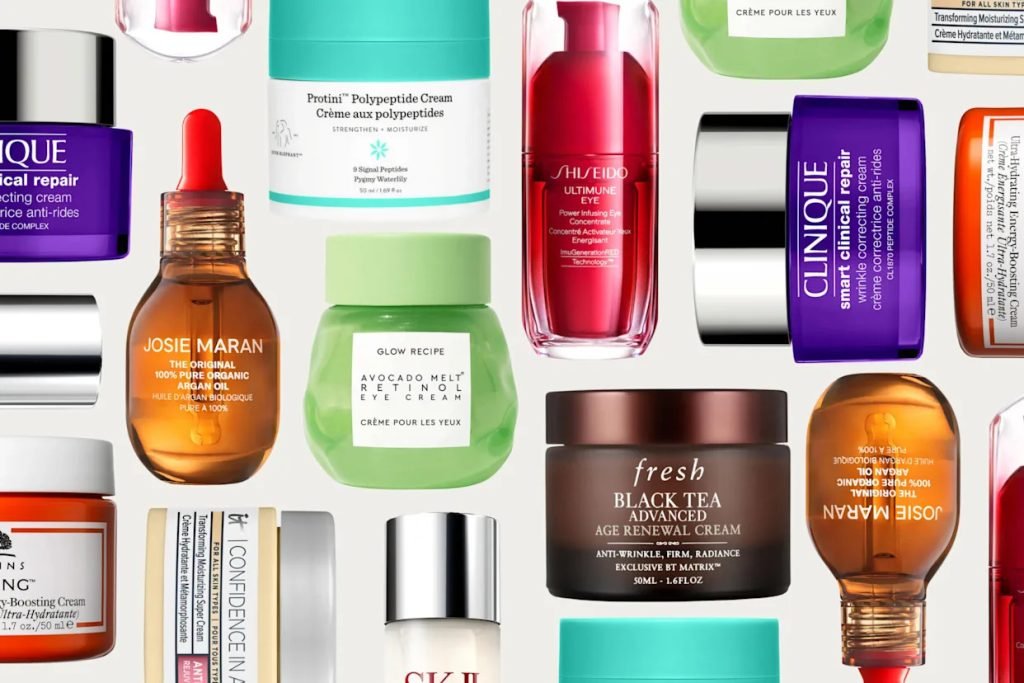
Imagine feeling confident every time you look in the mirror. You notice your skin glowing, fine lines fading, and a youthful appearance that makes you smile.
This isn’t just a dream—it’s what the right anti-aging products can do for you. If you’re tired of feeling like your skin isn’t reflecting how vibrant you feel inside, you’re in the right place. You’ll discover which anti-aging products actually work, why they make a difference, and how they can transform your skincare routine.
Don’t miss out on unlocking the secrets to looking and feeling younger. Your journey to radiant skin starts here.
Key Ingredients In Anti-aging Products
Understanding the key ingredients in anti-aging products can transform how you care for your skin. These components target specific signs of aging like wrinkles, dullness, and loss of firmness. Knowing what each ingredient does helps you pick products that truly work for your skin type and concerns.
Retinoids And Their Benefits
Retinoids are derivatives of vitamin A and are known for their powerful ability to boost collagen production. They speed up cell turnover, which means your skin sheds old cells faster and reveals fresher, smoother skin underneath.
You might notice some initial irritation when you start using retinoids, but this is a sign your skin is adjusting and renewing. Over time, retinoids help reduce fine lines, improve texture, and even out skin tone. Have you ever wondered why retinoids are a staple in so many dermatologist-recommended treatments?
Power Of Antioxidants
Antioxidants protect your skin from damage caused by free radicals, which come from pollution, UV rays, and stress. Ingredients like vitamin C, vitamin E, and green tea extract neutralize these harmful molecules before they can harm your skin cells.
Using products rich in antioxidants daily can brighten your complexion and prevent premature aging. Think about adding a vitamin C serum to your morning routine to give your skin an extra shield against environmental stressors.
Role Of Peptides
Peptides are small chains of amino acids that send signals to your skin to produce more collagen and elastin. These proteins are essential for maintaining skin’s firmness and elasticity.
Including peptides in your skincare can help reduce the appearance of wrinkles and improve skin texture. If you want firmer skin without invasive treatments, peptides might be your best ally.
Hydrating Hyaluronic Acid
Hyaluronic acid is a hydration superstar that can hold up to 1,000 times its weight in water. It draws moisture into your skin, plumping it up and smoothing out fine lines caused by dryness.
Even if you have oily skin, hyaluronic acid is lightweight and won’t clog pores. How often do you consider hydration as a key step in fighting aging? Keeping your skin well-hydrated is one of the simplest yet most effective ways to maintain a youthful glow.

Credit: www.amazon.ca
Choosing The Right Product For Your Skin
Choosing the right anti-aging product for your skin can be a game changer in your skincare routine. It’s not just about picking what’s popular or heavily advertised. Understanding your skin’s unique needs and how different products interact with it is essential for visible, lasting results.
Assessing Skin Type
Knowing your skin type is the first step to selecting an effective anti-aging product. Is your skin oily, dry, combination, or sensitive? Each type responds differently to ingredients like retinol, hyaluronic acid, or peptides.
If you have dry skin, look for products rich in moisturizers and emollients. Oily skin benefits from lightweight, non-comedogenic formulas. Have you ever used a product that left your skin feeling tight or greasy? That’s a sign it might not suit your skin type.
Targeting Specific Concerns
Anti-aging isn’t one-size-fits-all. Are you dealing with fine lines, wrinkles, uneven texture, or sagging? Identify the specific signs of aging you want to address.
Products with antioxidants like vitamin C work well for brightening dull skin, while retinoids boost collagen to reduce wrinkles. If your main concern is sagging, look for firming ingredients such as peptides. What’s your skin telling you it needs most right now?
Reading Product Labels
Understanding product labels helps you avoid harmful ingredients and find beneficial ones. Look for active ingredients known for anti-aging benefits, but also check for irritants like alcohol or synthetic fragrances.
Labels also reveal the concentration of ingredients—higher isn’t always better. Sometimes a gentle formula with lower concentrations works best for sensitive skin. Do you usually check the full ingredient list before buying?
Patch Testing And Allergies
Patch testing is a simple step that can prevent painful reactions. Apply a small amount of the product on your wrist or behind your ear and wait 24-48 hours.
If redness, itching, or swelling appears, that product isn’t right for you. Allergies to anti-aging ingredients can slow your progress and damage your skin barrier. Have you ever skipped patch testing and regretted it later?
Daily Skincare Routine Tips
Creating a solid daily skincare routine is key to keeping your skin youthful and healthy. Small changes in how you care for your skin can make a big difference over time. Let’s look at practical tips that you can easily add to your day-to-day life for better anti-aging results.
Cleansing Techniques
Cleaning your skin properly sets the foundation for any anti-aging routine. Use a gentle cleanser that suits your skin type—harsh soaps can strip away natural oils and cause irritation.
Try cleansing with lukewarm water to avoid drying out your skin. Pat your face dry instead of rubbing to protect the skin barrier. Have you noticed how your skin feels after skipping cleansing? That’s a clear sign it needs your attention.
Effective Moisturizing
Moisturizing keeps skin plump and smooth, reducing the appearance of fine lines. Look for moisturizers with ingredients like hyaluronic acid or ceramides that lock in hydration.
Apply moisturizer while your skin is still slightly damp to seal in moisture. Don’t forget to include your neck and décolletage; these areas show aging too but are often neglected.
Importance Of Sunscreen
Sunscreen is your best defense against premature aging caused by sun damage. Choose a broad-spectrum sunscreen with at least SPF 30 and apply it every morning—even on cloudy days.
Reapply every two hours if you’re outdoors. Have you thought about how much sun exposure you really get daily? Even short walks can add up and affect your skin’s health.
Nighttime Care
Your skin repairs itself while you sleep, so nighttime care is crucial. Use products that contain retinoids or peptides to boost cell turnover and collagen production.
Make sure to remove all makeup before bed to prevent clogged pores. What’s your current nighttime routine missing? Adding one targeted product could dramatically improve your skin’s recovery overnight.
Lifestyle Habits That Enhance Skin Youthfulness
Keeping your skin youthful is not just about the products you apply. Your daily habits play a huge role in how your skin looks and feels. Simple changes in your lifestyle can make a noticeable difference in your skin’s health and glow.
Balanced Diet And Hydration
Eating the right foods feeds your skin from the inside out. Nutrients like vitamins C and E, found in fruits and nuts, help protect your skin against damage. Drinking enough water keeps your skin hydrated and plump, reducing dryness and wrinkles.
Think about what you eat daily. Are you adding colorful veggies and fresh fruits to your meals? Cutting down on sugar and processed foods can also prevent skin problems like acne and dullness.
Quality Sleep Patterns
Sleep is when your body repairs itself, including your skin. Poor sleep can cause dark circles, puffiness, and a tired complexion. Aim for 7-9 hours of uninterrupted sleep to let your skin regenerate properly.
Have you noticed how your skin looks after a good night’s rest? It often appears brighter and more refreshed. Establishing a calming bedtime routine can help improve your sleep quality significantly.
Stress Management
Stress triggers hormones that can accelerate skin aging and cause breakouts. Finding ways to relax and manage stress can improve your skin’s appearance. Activities like meditation, deep breathing, or even a short walk can lower stress levels.
Ask yourself, how often do you take time to unwind during your busy day? Small breaks can protect your skin from the harmful effects of stress hormones.
Regular Exercise Benefits
Exercise increases blood flow, delivering oxygen and nutrients to your skin. This helps remove toxins and keeps your skin looking vibrant. Sweating also opens up pores, which can improve skin clarity.
You don’t need intense workouts; even daily walks can boost your skin health. How often do you move your body each day to help your skin glow?
Myths And Facts About Anti-aging Products
Anti-aging products often come with a lot of hype and conflicting information. It’s easy to get caught up in promises of turning back the clock overnight. Understanding the myths and facts behind these products can help you make smarter choices for your skin and wallet.
Common Misconceptions
Many people believe that anti-aging creams can completely erase wrinkles or reverse aging. This is not true. No topical product can stop the natural aging process or make you look decades younger instantly.
Another common misconception is that more expensive products always work better. Price doesn’t guarantee effectiveness—sometimes simple ingredients like retinol or vitamin C can outperform costly brands.
Do you think applying a product once or twice is enough? Consistency is key. Skipping days or not using the right product for your skin type reduces the potential benefits drastically.
Scientific Evidence
Research shows that certain ingredients in anti-aging products can improve skin texture and reduce fine lines. Ingredients like retinoids, peptides, and antioxidants have proven effects on collagen production and skin repair.
However, these effects take time. Most studies report noticeable improvements after 8 to 12 weeks of regular use. Instant results are mostly marketing exaggerations.
It’s important to choose products backed by clinical studies rather than just relying on celebrity endorsements or fancy packaging. Have you checked if your product has been tested rigorously?
Setting Realistic Expectations
Anti-aging products are tools to support healthy skin, not magic cures. They work best when combined with good lifestyle habits like sun protection, hydration, and a balanced diet.
Expect gradual changes rather than overnight miracles. You might notice smoother skin, fewer fine lines, or better hydration, but deep wrinkles and age spots may require professional treatments.
Ask yourself: Are you ready to commit to a consistent skincare routine? Managing expectations will help you avoid disappointment and get the most out of your anti-aging products.
Credit: ca.style.yahoo.com
Emerging Trends In Anti-aging Skincare
Anti-aging skincare is changing fast. New products use different methods to fight aging signs. These trends focus on safer, smarter, and more effective ways to keep skin youthful.
Natural And Organic Options
Many people choose products with natural ingredients. These options often avoid harsh chemicals. Ingredients like aloe vera, green tea, and vitamin E help soothe and protect skin. Organic skincare uses plants grown without pesticides. This appeals to those wanting a gentle, eco-friendly choice. Natural products support skin’s health over time.
Tech-driven Skincare Solutions
Technology is shaping skincare products today. Devices using light therapy and microcurrents boost skin repair. Smart serums include ingredients that respond to skin needs. These tools improve product absorption and target wrinkles better. Tech solutions offer precise care and faster results. They bring a new level of innovation to anti-aging routines.
Personalized Skincare
Skincare is becoming more personal. Customized products match individual skin types and concerns. Tests analyze skin moisture, elasticity, and sensitivity. Brands then create formulas just for one person. This approach reduces trial and error. Personalized skincare helps users get the best results for their skin.
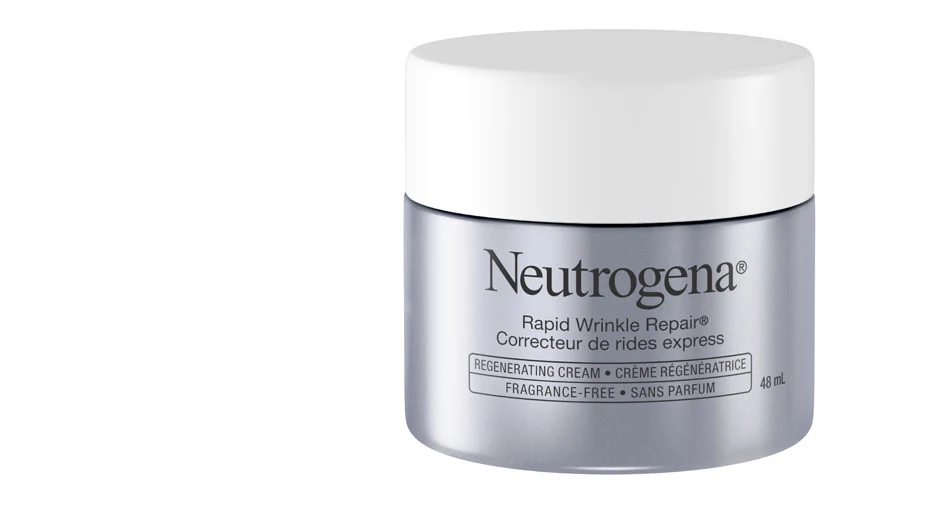
Credit: www.neutrogena.ca
Frequently Asked Questions
What Are The Best Ingredients In Anti-aging Products?
Key ingredients include retinol, hyaluronic acid, peptides, and antioxidants. They help reduce wrinkles, hydrate skin, and improve elasticity effectively.
How Long Do Anti-aging Products Take To Show Results?
Most products show visible results within 4 to 8 weeks of consistent use. Patience and daily application are essential for best outcomes.
Can Anti-aging Products Prevent Wrinkles Completely?
Anti-aging products can reduce and delay wrinkles but not prevent them entirely. Genetics and lifestyle also significantly impact skin aging.
Are Anti-aging Products Suitable For All Skin Types?
Many anti-aging products are formulated for various skin types, but always check labels. Sensitive skin may require gentler formulas to avoid irritation.
Conclusion
Anti-aging products help keep your skin healthy and fresh. They can reduce wrinkles and fine lines over time. Choosing the right product depends on your skin type and needs. Regular use shows better results and improves skin texture. Always check ingredients to avoid irritation or allergies.
Healthy habits like good sleep and hydration also support skin care. Taking small steps today can make a big difference tomorrow. Aging is natural, but caring for your skin feels good and boosts confidence.
