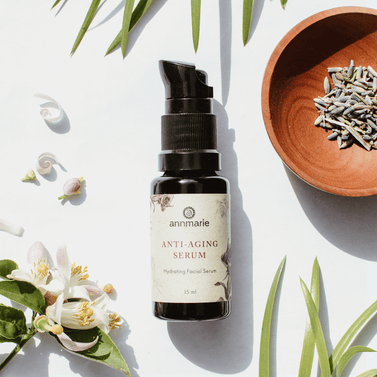
Are you tired of seeing fine lines and wrinkles every time you look in the mirror? Do you wish there was a magic potion to turn back the hands of time?
Enter anti-aging facial serums—the skincare secret that can help you maintain a youthful glow. Imagine waking up each morning to smoother, more radiant skin. With the right serum, you can. But how do you choose the right one for you?
And what makes these serums so effective? You’ll discover the power behind these potent elixirs and learn how they can transform your skincare routine. Get ready to unlock the secret to timeless beauty and feel more confident in your skin than ever before. Let’s dive into the world of anti-aging facial serums and find out what they can do for you.
Why Choose Anti-aging Serums
Choosing the right product for aging skin is important. Anti-aging facial serums offer unique qualities that help improve skin texture and appearance. These serums target specific skin concerns with concentrated ingredients. Their lightweight formula allows deep skin penetration for better results. Many people prefer serums over other skincare products for their efficiency and quick absorption.
Serums Vs Creams
Serums contain smaller molecules than creams. This allows serums to reach deeper skin layers. Creams usually focus on hydration and surface protection. Serums deliver active ingredients directly to skin cells. They feel lighter and absorb faster than creams. Creams create a barrier that locks moisture in. Serums work below this barrier to repair and renew skin.
Key Benefits For Skin
- Reduce fine lines and wrinkles
- Boost collagen production for firmer skin
- Improve skin texture and tone
- Deliver antioxidants to fight free radicals
- Hydrate without feeling heavy or greasy
- Brighten dull and tired skin
Regular use of anti-aging serums helps maintain youthful skin. Their potent formulas target aging signs effectively. Serums suit all skin types and can be layered with other products. This makes them a smart choice for daily skincare routines.
Top Ingredients To Look For
Choosing the right anti-aging facial serum can feel overwhelming with so many products on the market. Focusing on key ingredients helps you cut through the noise and find formulas that deliver real results. Understanding what each ingredient does empowers you to pick a serum tailored to your skin’s needs and goals.
Retinol And Its Effects
Retinol is a powerhouse ingredient known for speeding up skin cell turnover. It helps reduce fine lines and wrinkles by encouraging your skin to produce fresh, new cells. You might notice some initial dryness or redness, but these effects usually fade as your skin adjusts.
Have you ever tried a retinol serum and wondered why your skin felt sensitive at first? That’s a sign it’s working to renew your skin beneath the surface. Start with a low concentration and increase gradually to avoid irritation.
Vitamin C For Brightening
Vitamin C brightens your complexion and evens out skin tone by fighting free radicals. It can also help fade dark spots caused by sun damage. Plus, it supports collagen production, making your skin look firmer and more youthful.
Looking for a radiant glow? Adding a vitamin C serum to your routine can make a visible difference in dullness. Just remember to apply it in the morning for the best protection against environmental damage.
Hyaluronic Acid For Hydration
Hyaluronic acid is famous for its ability to hold 1,000 times its weight in water. This means it plumps up your skin and keeps it hydrated throughout the day. Hydration is key to reducing the appearance of wrinkles and maintaining a smooth texture.
If your skin feels dry or tight, a hyaluronic acid serum might be exactly what you need. It works well under makeup and other skincare products without feeling heavy or greasy.
Peptides And Collagen Boosters
Peptides are small chains of amino acids that signal your skin to produce more collagen. More collagen means firmer skin and fewer wrinkles over time. These ingredients work slowly but steadily, making them perfect for long-term anti-aging care.
Have you noticed your skin losing firmness? Peptide serums can help bring back that youthful bounce. Look for products that combine peptides with other collagen-supporting ingredients for enhanced effects.
How Serums Target Aging Signs
Anti-aging facial serums work by delivering powerful ingredients deep into the skin. These ingredients focus on the key signs of aging. Serums often contain antioxidants, peptides, and vitamins. These help to repair damage and boost skin health at a cellular level.
The lightweight formula allows quick absorption. This means active ingredients reach the layers where aging begins. Regular use of serums can improve how the skin looks and feels over time. Below are the main ways serums target aging signs.
Reducing Fine Lines And Wrinkles
Serums contain ingredients like retinol and peptides. These stimulate collagen production, which firms the skin. Collagen helps fill in fine lines and wrinkles. Antioxidants protect skin from damage caused by free radicals. Over time, skin appears smoother and younger.
Improving Skin Elasticity
Loss of elasticity makes skin sag and look tired. Serums boost elastin fibers in the skin. Ingredients such as hyaluronic acid hydrate and plump the skin. This hydration supports elasticity and resilience. The skin feels firmer and more flexible after use.
Evening Skin Tone And Texture
Age spots and rough texture are common aging signs. Serums with vitamin C and niacinamide brighten dark spots. Gentle exfoliating acids help remove dead skin cells. This creates a smoother surface and more even tone. Skin looks clearer, fresher, and more radiant.
Choosing The Right Serum For Your Skin
Choosing the right anti-aging facial serum is not just about picking the most popular product on the shelf. Your skin’s unique needs should guide your choice. Using the wrong serum can cause irritation, breakouts, or simply waste your time and money.
Understanding your skin type helps you select ingredients that work best for you. What works wonders for dry skin might clog pores if your skin is oily. Let’s look at how to match serums to your skin type so you get the best results.
Serums For Dry Skin
If your skin feels tight or flaky, you need a serum that boosts hydration and locks in moisture. Look for ingredients like hyaluronic acid, glycerin, and ceramides. These attract water to the skin and create a protective barrier.
Vitamin E and squalane are great for soothing dry, irritated skin. Avoid serums with alcohol or strong acids that can strip your natural oils. Have you noticed your skin looks dull and tired? A serum with antioxidants like vitamin C can brighten and refresh your complexion.
Options For Oily And Acne-prone Skin
Oily skin needs lightweight, non-comedogenic serums that won’t clog pores. Ingredients like niacinamide help control oil production and reduce inflammation. Salicylic acid serums can gently exfoliate and clear out blocked pores.
Serums with retinol work well to promote cell turnover, but start slow to avoid dryness or irritation. Avoid heavy oils and thick formulas that can worsen acne. Ever wondered if a serum can actually reduce breakouts? Choosing the right one can calm your skin and improve texture over time.
Sensitive Skin Considerations
Sensitive skin demands gentle, fragrance-free serums with calming ingredients. Look for products containing aloe vera, chamomile, or centella asiatica. These ingredients reduce redness and soothe irritation.
Avoid serums with strong acids, artificial fragrances, or harsh preservatives. Patch testing is key before applying any new product to your face. Have you experienced redness or burning from a serum? That’s a sign your skin needs a gentler approach.
Best Practices For Serum Application
Applying your anti-aging facial serum correctly can make a huge difference in how well it works. Understanding the best practices ensures you get the most out of each drop, enhancing your skin’s texture and glow. Let’s dive into the key steps that will help you maximize the benefits of your serum.
When To Apply Serums
Serums should be applied on clean skin, right after cleansing and toning but before moisturizing. This timing allows the serum’s active ingredients to penetrate deeply without any barrier. Think of your skin as a sponge—when it’s fresh and slightly damp, it soaks up nutrients better.
Applying serum too late in your routine can reduce its effectiveness because moisturizers and sunscreens form a protective layer. Have you noticed your skin feels heavier when layering products? That could be why your serum isn’t absorbing well.
Layering With Other Products
Serums are lightweight and designed to be layered under heavier creams or oils. Always apply the thinnest product first and work your way up to thicker ones. For example, start with your serum, then follow with eye cream if you use one, and finish with moisturizer.
Be cautious about mixing serums with active ingredients like retinol or vitamin C. Sometimes, combining too many actives can irritate your skin. If you want to use multiple serums, try alternating them between morning and night or on different days.
Tips For Maximum Absorption
- Use the right amount:A pea-sized amount usually suffices. Overloading your face can lead to waste and poor absorption.
- Pat, don’t rub:Gently pat the serum into your skin using your fingertips. This encourages better absorption and reduces irritation.
- Apply on slightly damp skin:After cleansing, spritz your face with a hydrating mist or leave it a bit moist to improve serum penetration.
- Warm the serum:Rub the serum between your palms before application. The warmth helps activate ingredients and spreads the product more evenly.
Have you ever tried patting your serum instead of rubbing? It might feel different but can dramatically improve how your skin takes in the product. Small changes like this can make your anti-aging routine far more effective.

Credit: www.amazon.ca
Common Mistakes To Avoid
Using anti-aging facial serums can boost your skincare routine. Avoiding common mistakes helps you get the best results without harm. Many people make errors that lead to irritation or poor effects. Knowing what to avoid keeps your skin healthy and glowing.
Overuse And Irritation
Applying too much serum can cause redness and dryness. Your skin needs time to absorb the product. Start with a small amount and increase if needed. Using serums twice a day is often enough. Overuse can damage your skin barrier and worsen wrinkles.
Ignoring Sun Protection
Anti-aging serums often make skin more sensitive to the sun. Skipping sunscreen can lead to sunburn and dark spots. Always apply a broad-spectrum sunscreen after your serum. This protects your skin from harmful UV rays. Sun protection keeps your skin smooth and prevents aging signs.
Mixing Incompatible Ingredients
Some ingredients do not work well together. For example, retinol and vitamin C may cause irritation if used at once. Avoid combining acids like glycolic acid with strong retinoids. Read product labels carefully before mixing serums. Use one active ingredient at a time for better results.
Real Results: What To Expect And When
Anti-aging facial serums offer more than just promises. They deliver noticeable changes when used correctly. Understanding the timeline and how to keep results helps set realistic expectations. This knowledge guides your skincare routine for the best outcome.
Timeline For Visible Changes
Serums start working beneath the skin surface immediately. Visible results take time as skin cells renew and repair. Expect slight improvements in skin texture and glow within 2 to 4 weeks. Fine lines and wrinkles may begin to soften after 6 to 8 weeks. For deeper wrinkles and firmness, changes often appear around 12 weeks.
Patience is key. Consistent use supports gradual improvements. Every skin type reacts differently, so timing can vary slightly.
Maintaining Long-term Benefits
Continuous serum use keeps skin youthful and healthy. Stopping use may cause skin to return to its original state. Combine serums with daily sunscreen to protect results from sun damage. Healthy habits like hydration and balanced diet boost serum effects.
Regularly update your skincare products to meet changing skin needs. This approach helps maintain smoothness, firmness, and brightness over time.

Credit: www.amazon.ca
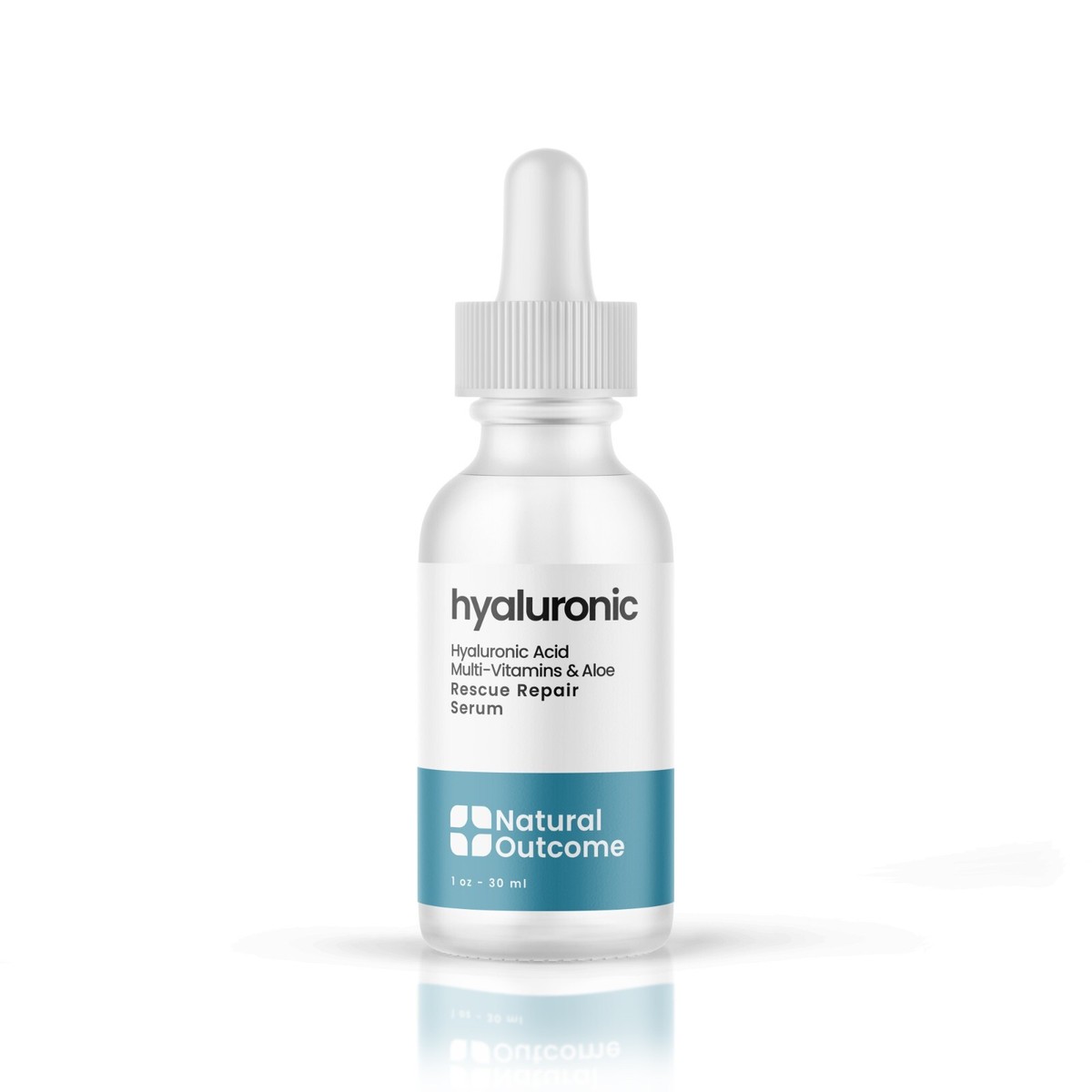
Credit: www.ebay.ca
Frequently Asked Questions
What Are The Best Ingredients In Anti-aging Serums?
The best ingredients include retinol, vitamin C, hyaluronic acid, peptides, and niacinamide. These boost collagen, reduce wrinkles, and hydrate skin effectively.
How Often Should I Apply Anti-aging Facial Serum?
Apply anti-aging serum once or twice daily, ideally after cleansing and before moisturizing. Consistency ensures optimal skin benefits and visible results.
Can Anti-aging Serums Work On All Skin Types?
Yes, most anti-aging serums suit all skin types but choose formulas for your skin’s sensitivity to avoid irritation and maximize effectiveness.
When Will I See Results From Anti-aging Serums?
Visible improvements usually appear after 4 to 6 weeks of regular use. Continued application enhances skin texture, firmness, and brightness over time.
Conclusion
Anti-aging facial serums help keep skin fresh and smooth. They work by reducing wrinkles and fine lines. Using a serum regularly can improve skin texture and glow. Choose one that fits your skin type and needs. Consistency is key to see real results over time.
Healthy skin boosts confidence and feels good too. Start small, and watch your skin become healthier day by day. Simple care can make a big difference in your skin’s appearance.
