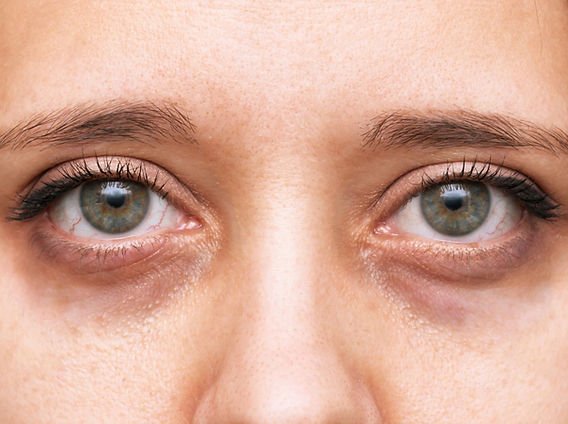
Do you ever look in the mirror and notice those stubborn dark circles under your eyes? They seem to have taken up permanent residence, making you look more tired than you feel.
You might be surprised to learn that these shadows could be telling you something important about your health. If you’ve tried every cream and concealer with little success, it might be time to consider a different culprit: anemia. Understanding the connection between anemia and dark eye circles could be the key to brighter eyes and better health.
Ready to uncover the mystery behind those pesky circles? Let’s dive in and explore how you can take charge of your well-being.
Link Between Anemia And Dark Circles
Dark circles under the eyes often hint at more than just tiredness. One common cause is anemia, a condition where the body lacks enough healthy red blood cells. This shortage affects how oxygen travels through the body, including the skin around the eyes. The delicate skin there reacts quickly to changes in blood flow and oxygen levels.
Understanding the link between anemia and dark circles helps in identifying the right treatment. The skin’s appearance can tell us about internal health issues. Let’s explore how anemia changes the skin and why iron deficiency plays a key role in causing dark circles.
How Anemia Affects Skin Appearance
Anemia reduces the number of red blood cells carrying oxygen. The skin receives less oxygen, making it look pale and dull. The area under the eyes has thin skin, showing blood vessels more clearly.
Less oxygen causes blood vessels to expand, creating a shadow under the eyes. This shadow looks like a dark circle. The skin loses its natural glow and appears tired or sick.
Role Of Iron Deficiency In Dark Circles
Iron is essential for producing hemoglobin, a protein in red blood cells. Low iron means less hemoglobin, leading to poor oxygen supply. Iron deficiency anemia is a common cause of dark circles.
- Iron deficiency reduces skin’s ability to heal and regenerate.
- It causes paleness, making blood vessels under the eyes more visible.
- Low iron can lead to fatigue, which worsens skin appearance.
Fixing iron deficiency often improves skin color and reduces dark circles. Proper nutrition and supplements can restore iron levels and brighten the under-eye area.
Common Causes Of Anemia Dark Circles
Dark circles under the eyes can be more than just a sign of tiredness—they might reveal underlying anemia. Understanding the common causes of anemia dark circles helps you identify what’s really behind your skin’s dull appearance. Let’s look at the main factors that contribute to these persistent dark shadows.
Nutritional Deficiencies
Iron deficiency is a primary cause of anemia and often shows up as dark circles. Without enough iron, your body can’t produce enough healthy red blood cells to carry oxygen, leading to pale skin and visible veins under the eyes.
Other nutrients like vitamin B12 and folate also play a role. If you notice dark circles, check your diet for these key nutrients—you might need to add more leafy greens, beans, or lean meats.
Poor Sleep And Fatigue
Not getting enough rest worsens anemia symptoms and dark circles. Fatigue causes blood vessels to dilate, making the skin under your eyes look darker.
If you’re always tired, your dark circles may not just be from lack of sleep but also your body struggling with anemia. Have you noticed your circles getting worse after sleepless nights?
Genetic Factors
Your genes can influence how prone you are to anemia and dark circles. Some people naturally have thinner skin around their eyes, making blood vessels more visible.
Family history of anemia or dark circles means you should monitor your symptoms closely. Understanding your genetic risk can help you take early action.
Dehydration Effects
When you don’t drink enough water, your skin loses its plumpness and appears dull. This makes dark circles stand out more sharply.
Dehydration also thickens the blood, which can worsen anemia symptoms. Drinking enough water daily might reduce the darkness and improve your overall skin health.
Home Remedies For Anemia Dark Circles
Dark circles under the eyes can signal anemia, a condition caused by low iron levels. Treating these dark circles at home can help improve your appearance and overall health. Simple changes and natural remedies support your body’s iron levels and reduce discoloration.
Try easy home remedies that focus on diet, skin care, herbs, and daily habits. These steps work gently to brighten the skin and boost iron naturally.
Dietary Changes To Boost Iron
Eating iron-rich foods helps replenish your body’s iron stores. Choose foods that contain heme iron, which the body absorbs well.
- Red meat like beef and lamb
- Chicken and turkey
- Leafy greens such as spinach and kale
- Beans and lentils
- Fortified cereals and bread
- Nuts and seeds
Vitamin C helps absorb iron better. Include oranges, strawberries, or bell peppers in meals.
Cold Compress Benefits
Applying a cold compress reduces swelling and shrinks blood vessels. This eases the dark appearance under the eyes.
- Use chilled cucumber slices or cold tea bags
- Apply for 10-15 minutes
- Repeat twice daily for best results
Cold compresses soothe tired eyes and refresh the skin.
Herbal Treatments
Herbs can improve blood flow and lighten dark circles naturally. Some herbs work as antioxidants and reduce skin discoloration.
- Apply aloe vera gel to nourish the skin
- Use chamomile tea bags cooled after brewing
- Try rose water for gentle skin tightening
- Apply turmeric paste mixed with milk to brighten skin
Always test herbs on a small skin patch first to avoid irritation.
Lifestyle Adjustments
Healthy habits play a key role in reducing anemia dark circles. Simple changes improve blood health and skin condition.
- Get 7-8 hours of sleep each night
- Drink plenty of water to stay hydrated
- Avoid smoking and excessive alcohol consumption
- Reduce stress through meditation or light exercise
- Protect skin from sun exposure with sunglasses or hats
Consistent care supports your skin and overall well-being.

Credit: www.drhealthclinic.com
Medical Treatments And Diagnosis
Medical treatments and diagnosis play a key role in managing anemia-related dark eye circles. Proper diagnosis helps identify the cause and guides effective treatment. Treatments often focus on restoring healthy iron levels and addressing underlying health issues. Regular monitoring ensures recovery and prevents complications.
When To See A Doctor
Seek medical advice if dark circles worsen or come with fatigue and weakness. Persistent symptoms may indicate anemia or other health problems. Early diagnosis improves treatment success and prevents severe issues. A doctor can evaluate symptoms and recommend tests or treatments.
Iron Supplements And Medications
Iron supplements are common treatments for anemia-related dark circles. They help replenish iron stores and improve red blood cell production. Doctors may prescribe oral iron pills or, in severe cases, intravenous iron. Other medications might address underlying causes like vitamin deficiencies or chronic diseases.
Blood Tests And Monitoring
Blood tests confirm anemia and measure iron levels, hemoglobin, and red blood cells. Regular monitoring tracks treatment progress and adjusts doses as needed. Tests may include:
- Complete blood count (CBC)
- Serum ferritin
- Iron and total iron-binding capacity (TIBC)
- Vitamin B12 and folate levels
Timely testing helps ensure proper treatment and reduces dark circle symptoms effectively.
Prevention Tips For Dark Circles
Preventing dark circles linked to anemia requires consistent habits that support your skin and overall health. Simple lifestyle changes can make a big difference in reducing the appearance of those stubborn shadows under your eyes. Let’s look at some practical tips you can start using today.
Balanced Diet For Healthy Skin
Your skin reflects what you eat. A diet rich in iron, vitamin C, and antioxidants helps improve blood flow and skin tone, reducing dark circles caused by anemia.
- Include leafy greens like spinach and kale for iron.
- Add citrus fruits and bell peppers to boost vitamin C absorption.
- Eat nuts and seeds for healthy fats that nourish your skin.
I once struggled with dark circles until I added more iron-rich foods to my meals. The change was slow but visible, proving that what you eat truly shows on your face.
Proper Hydration Habits
Water is your skin’s best friend. Dehydration can make dark circles look worse by causing your skin to appear dull and sunken.
- Drink at least 8 glasses of water daily.
- Limit caffeine and alcohol, which can dehydrate your body.
- Try herbal teas to keep hydrated and soothe your skin.
Have you noticed your skin looks brighter on days you drink enough water? Staying hydrated helps maintain skin elasticity and reduces puffiness around your eyes.
Adequate Sleep Patterns
Sleep impacts skin regeneration and circulation. Poor sleep worsens dark circles by making blood vessels more visible beneath thin skin.
- Aim for 7-9 hours of quality sleep each night.
- Stick to a consistent sleep schedule, even on weekends.
- Create a relaxing bedtime routine to improve sleep quality.
When I started prioritizing sleep, I noticed my dark circles faded significantly. Could your sleep habits be the missing link to brighter eyes?
Stress Management Techniques
Stress affects your hormones and skin health, often making dark circles more pronounced. Managing stress can help keep your skin calm and balanced.
- Practice mindfulness or meditation daily.
- Take breaks and engage in activities you enjoy.
- Try gentle exercises like yoga to relax your body and mind.
After adding short meditation sessions to my routine, my skin appeared less tired. How do you manage stress, and could it be impacting your dark circles?

Credit: wwwphilhealthgovph.online

Credit: uk.typology.com
Frequently Asked Questions
What Causes Dark Eye Circles Due To Anemia?
Anemia causes dark circles by reducing oxygen in blood. Low hemoglobin leads to pale skin, making veins under eyes visible. This creates a dark, shadowy appearance around the eyes.
How To Identify Anemia-related Dark Eye Circles?
Anemia dark circles often appear with fatigue, pale skin, and weakness. A blood test confirms low iron or hemoglobin levels. Consult a doctor if dark circles persist with these symptoms.
Can Iron Deficiency Worsen Dark Eye Circles?
Yes, iron deficiency reduces oxygen flow, worsening dark circles. Proper iron intake helps improve blood quality and skin tone. This reduces the darkness under the eyes over time.
What Treatments Help Anemia-induced Dark Circles?
Treating anemia with iron supplements and a healthy diet improves dark circles. Adequate sleep and hydration also support skin health. Consult a healthcare professional for personalized treatment.
Conclusion
Dark circles under the eyes often signal anemia. Low iron reduces oxygen in your blood. This lack causes tired, dull skin around the eyes. Eating iron-rich foods helps improve your condition. Rest and hydration support skin health too. Simple changes can brighten your face and boost energy.
Watch for symptoms and seek advice if needed. Healthy habits make a clear difference over time. Don’t ignore persistent dark circles; they reveal more. Take small steps today for a healthier, fresher look tomorrow.
