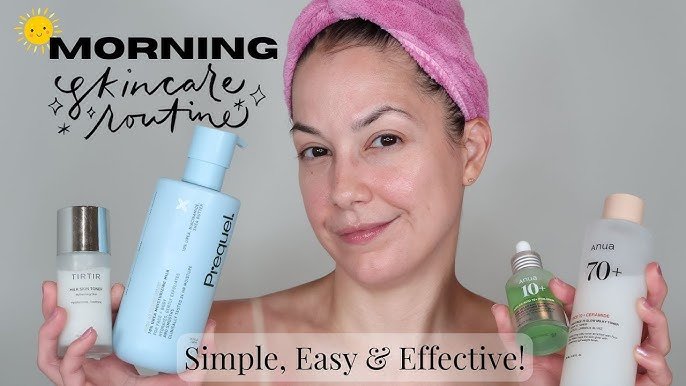
Imagine waking up each morning, looking in the mirror, and seeing fresh, glowing skin staring back at you. This isn’t just a dream—it’s possible with the right AM skincare routine.
You might wonder why your skin doesn’t always look its best or why it feels dull and tired. The secret often lies in how you start your day. By focusing on a morning routine tailored to your skin’s needs, you unlock the potential for a radiant complexion that lasts all day.
In this guide, you’ll discover straightforward steps to rejuvenate your skin every morning. Get ready to transform your morning ritual and see how small changes can make a big difference. Dive in and find out how you can achieve that healthy, luminous glow you’ve always wanted.
Choosing The Right Cleanser
Choosing the right cleanser is the foundation of your AM skincare routine. It sets the tone for how your skin will absorb the products you apply afterward. Picking a cleanser that fits your skin’s unique needs can make a noticeable difference in clarity, texture, and overall health.
Types Of Cleansers
Cleansers come in many forms, each designed for specific skin concerns:
- Gel Cleansers:Great for oily and acne-prone skin as they remove excess oil without clogging pores.
- Cream Cleansers:Ideal for dry or sensitive skin because they hydrate while cleansing.
- Foam Cleansers:Work well for combination skin, offering a balance of deep cleaning and gentle care.
- Micellar Water:Perfect for quick cleansing and removing light makeup without rinsing.
Have you ever noticed your skin feeling tight or greasy after cleansing? That’s often a sign you’re using the wrong type of cleanser.
How To Match Cleanser To Skin Type
Knowing your skin type is key to choosing the right cleanser. If your skin feels dry or flaky, opt for a creamy or hydrating cleanser. Oily skin benefits from gel or foam formulas that control shine.
Combination skin may need a gentle cleanser that doesn’t strip the dry areas while clearing the oily parts. Sensitive skin requires fragrance-free, gentle cleansers to avoid irritation. What changes do you notice when switching cleansers tailored to your skin type?
Cleansing Techniques
How you cleanse can be as important as what you cleanse with. Use lukewarm water to open pores without causing dryness. Gently massage the cleanser in circular motions to boost circulation and ensure thorough cleaning.
Avoid harsh scrubbing, which can damage your skin’s barrier. Rinse thoroughly and pat dry with a soft towel. Have you tried adjusting your technique to see if your skin feels calmer or more refreshed?

Credit: www.youtube.com
Toning For Balance
Toning is a crucial step in your AM skincare routine that often gets overlooked. It helps restore your skin’s natural balance after cleansing, preparing it for moisturizer and sunscreen. Think of toner as a gentle reset button that refreshes and soothes your skin, setting the stage for the day ahead.
Benefits Of Toning
Toner helps remove leftover dirt, oil, and makeup that your cleanser might miss. It tightens pores and smooths your skin’s texture, making your face feel fresh and clean. Many toners also deliver hydration and calm irritation, which is especially important if you have sensitive or combination skin.
Have you noticed your moisturizer sometimes feels less effective? That could be because your skin wasn’t properly toned. Using a toner can improve how well your skin absorbs other products, making your entire routine work better.
Selecting Alcohol-free Toners
Alcohol-based toners can dry out your skin, causing irritation and redness. Instead, look for alcohol-free options that contain soothing ingredients like aloe vera, rose water, or chamomile. These keep your skin hydrated while balancing its pH level.
For example, if you have dry skin, a hydrating toner with glycerin can add moisture without clogging pores. On the other hand, oily skin types might benefit from toners with salicylic acid to control shine. Choosing the right toner depends on understanding what your skin truly needs.
Applying Toner Correctly
Pour a small amount of toner onto a cotton pad or your clean hands. Gently swipe it across your face, avoiding the eye area. Pat the remaining toner into your skin to boost absorption.
Avoid rubbing or harsh movements; gentle application is key to preventing irritation. Ask yourself: Are you giving your skin time to absorb the toner before moving on? Waiting a minute or two helps maximize its benefits and prepares your skin for the next step.
Serums And Treatments
Serums and treatments are the power players in your AM skincare routine. They deliver concentrated ingredients that target specific skin issues, making your morning regimen more effective. Using the right serum can brighten your complexion, reduce redness, or protect your skin from daily environmental stress.
Popular Morning Serums
Vitamin C serums are a top choice for mornings. They help brighten dull skin and provide antioxidant protection against pollution.
Hyaluronic acid serums boost hydration, keeping your skin plump throughout the day.
Niacinamide serums balance oil production and minimize pores, ideal if you deal with oily or combination skin.
Have you tried layering a vitamin C serum under your moisturizer? It can give your skin a noticeable glow by noon.
Targeting Specific Skin Concerns
Pinpointing your skin’s main concern helps you pick the right serum. If you’re battling acne, look for serums with salicylic acid or tea tree oil.
For redness or sensitivity, serums with calming ingredients like centella asiatica or chamomile work well.
Dealing with fine lines? Peptides and antioxidants in serums can improve skin texture and firmness.
Think about which concern affects your skin the most in the morning—addressing it early can change your whole day.
Layering Serums Safely
Layering serums requires attention to ingredient compatibility. Avoid mixing strong acids like vitamin C with retinol in the morning to prevent irritation.
Apply the thinnest, water-based serums first, then follow with thicker, oil-based treatments.
Give each serum a minute or two to absorb before adding the next. This helps your skin fully benefit from each product.
Have you noticed your skin reacting badly after combining certain products? It might be time to rethink your layering strategy.

Credit: www.youtube.com
Moisturizing Essentials
Moisturizing is a key part of any AM skincare routine. It helps keep skin soft, smooth, and protected throughout the day. Choosing the right moisturizer depends on your skin type and needs. Hydration supports healthy skin and prevents dryness, irritation, and dullness. Knowing how and when to apply moisturizer can improve its effectiveness. Here are the essentials to consider for morning moisturizing.
Lightweight Vs. Rich Moisturizers
Lightweight moisturizers absorb quickly and feel fresh. They suit oily and combination skin well. These often come as gels or lotions. Rich moisturizers are thicker and heavier. They work best for dry or mature skin. Creams and balms offer deep nourishment and longer hydration. Choose based on how your skin feels and reacts each morning.
Ingredients For Hydration
Look for these key ingredients in your moisturizer:
- Hyaluronic Acid:Holds moisture and plumps skin.
- Glycerin:Draws water into the skin surface.
- Ceramides:Strengthen the skin barrier to lock in moisture.
- Natural Oils:Like jojoba or squalane, they add softness without clogging pores.
- Niacinamide:Improves texture and reduces redness.
When And How To Apply
Apply moisturizer after cleansing and toning your skin. Your face should be slightly damp to lock in hydration. Use gentle upward strokes to spread the product evenly. Don’t forget your neck and décolletage. Allow a few minutes for absorption before applying sunscreen or makeup. Moisturizing first thing in the morning sets a smooth base for the day.
Sun Protection Strategies
Sun protection is a crucial part of any AM skincare routine. It shields your skin from harmful UV rays that cause premature aging, sunburn, and increase the risk of skin cancer. Understanding how to choose and use sunscreen effectively can make a significant difference in your skin’s health.
Choosing The Right Spf
SPF stands for Sun Protection Factor, and it measures how well a sunscreen protects against UVB rays. Dermatologists recommend using at least SPF 30 for daily wear, even on cloudy days. If you spend extended time outdoors, consider SPF 50 or higher for better defense.
Look for broad-spectrum sunscreens that protect against both UVA and UVB rays. Don’t just pick the highest SPF thinking it’s always best; sometimes formulas with extremely high SPF can feel heavy or cause breakouts. Test a few to find one that suits your skin type and comfort.
Physical Vs. Chemical Sunscreens
Physical sunscreens contain mineral ingredients like zinc oxide or titanium dioxide. They sit on top of your skin and reflect UV rays. These are great if you have sensitive skin or want immediate protection after application.
Chemical sunscreens absorb UV rays through ingredients like avobenzone or oxybenzone. They tend to be lighter and blend in better under makeup. However, some people experience irritation or allergic reactions with chemical formulas.
Consider your skin’s sensitivity and daily activities when choosing between the two. Have you noticed how some sunscreens leave a white cast? That’s often physical sunscreen. Finding a tinted version can solve this issue and provide a natural finish.
Reapplication Tips
Sunscreen isn’t a one-and-done step. It loses effectiveness after a couple of hours or if you sweat or swim. Make a habit of reapplying every two hours, especially if you’re outdoors.
Keep a travel-size sunscreen in your bag or desk. This makes reapplication easier and more consistent throughout the day. Applying sunscreen as the last step in your skincare routine and before makeup helps create a strong protective barrier.
Have you ever skipped reapplying and noticed your skin burning or feeling tight? That’s a sign your protection wore off. Don’t let your hard work with skincare go to waste—make reapplication part of your daily ritual.

Credit: www.youtube.com
Additional Am Skincare Tips
Adding a few extra touches to your AM skincare routine can make a big difference in how your skin looks and feels throughout the day. These tips help you maximize your routine’s effectiveness and avoid common pitfalls that many people overlook. Let’s dive into some practical ways you can boost your morning skincare game.
Incorporating Antioxidants
Antioxidants protect your skin from daily damage caused by pollution and UV rays. Adding a serum with vitamin C or green tea extract can brighten your complexion and reduce signs of aging.
Try applying your antioxidant serum right after cleansing and before moisturizing. This small step can improve your skin’s defense and give you a healthy glow.
Avoiding Common Mistakes
Are you skipping sunscreen because you think your moisturizer has enough SPF? Many moisturizers don’t offer full protection, so always add a dedicated sunscreen after your moisturizer.
Another mistake is over-exfoliating in the morning, which can leave your skin sensitive. Save exfoliation for the evenings and stick to gentle cleansing in the AM.
Adjusting Routine Seasonally
Your skin changes with the seasons, so your routine should too. In colder months, swap lightweight moisturizers for richer creams to keep skin hydrated.
During warmer months, use lighter formulas to avoid clogged pores and increase your sunscreen’s SPF for extra protection. Are you paying attention to how your skin feels each season?
Frequently Asked Questions
What Is The Essential Am Skincare Routine?
An essential AM skincare routine includes cleansing, toning, moisturizing, and sunscreen. These steps protect and hydrate your skin for the day. Sunscreen is crucial to prevent UV damage. Consistency improves skin texture and health over time.
How Often Should I Do My Am Skincare Routine?
You should follow your AM skincare routine every morning. This helps prepare and protect your skin from environmental stressors. Daily care boosts hydration and prevents premature aging. Skipping mornings can reduce your skin’s defense against sun and pollution.
Can I Skip Moisturizer In The Am Routine?
Skipping moisturizer in the AM is not recommended. Moisturizer locks in hydration and protects the skin barrier. It prepares your skin for makeup or sunscreen application. Without it, your skin can become dry and irritated throughout the day.
Why Is Sunscreen Important In Am Skincare?
Sunscreen protects your skin from harmful UV rays that cause aging and damage. Applying it every morning prevents sunburn, dark spots, and skin cancer risks. It’s the most vital step for healthy, glowing skin. Reapply if exposed to sunlight for long periods.
Conclusion
A good AM skincare routine helps your skin feel fresh and healthy. Cleanse your face gently to remove dirt and oil. Use a light moisturizer to keep skin soft all day. Don’t forget sunscreen to protect from harmful sun rays.
Simple steps, done daily, make a big difference. Healthy skin starts with small habits each morning. Try to keep your routine consistent for best results. Your skin will thank you with a natural glow. Easy and steady care brings lasting skin benefits.
