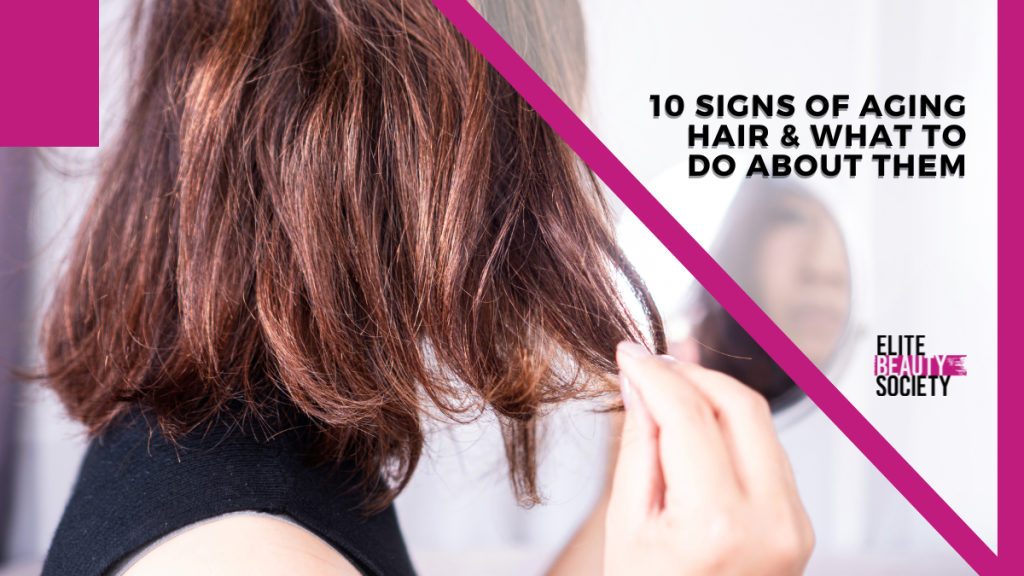
Aging hair is something we all have to face eventually, and it can leave you feeling frustrated and unsure of what to do next. As the years go by, you might notice your hair becoming thinner, grayer, or more brittle.
But don’t worry – you’re not alone, and there are solutions that can help. Imagine having the knowledge to keep your hair looking vibrant and healthy, no matter your age. This isn’t just about vanity; it’s about confidence and feeling your best every day.
You’re about to discover simple, effective tips that can make a real difference in your hair care routine. These insights are designed to empower you, making sure you have everything you need to embrace your hair’s natural beauty. Are you ready to transform your approach to aging hair care? Let’s dive in and explore how you can maintain luscious locks at any age.
Changes In Aging Hair
As hair ages, it undergoes many visible and structural changes. These changes affect the hair’s look, feel, and strength. Understanding these shifts helps in adapting care routines for healthy hair at every age.
Common Hair Changes With Age
- Hair becomes thinner and less dense.
- Scalp may show more due to hair loss.
- Hair strands turn gray or white.
- Hair loses natural shine and appears dull.
- Increased dryness and brittleness.
- Slower hair growth rate.
Causes Of Hair Aging
- Reduction in melanin production causes graying.
- Hormonal changes affect hair growth cycles.
- Decreased oil production leads to dryness.
- Environmental damage weakens hair fibers.
- Genetics play a significant role in aging.
- Stress and poor nutrition impact hair health.
Impact On Hair Texture And Color
Aging hair often loses its original texture. It may feel coarse or brittle. Some hair becomes fine and soft. Color fades as melanin cells die off.
Gray hair lacks pigment, appearing white or silver. This change can happen gradually or quickly. Texture and color changes affect overall hair appearance.
Daily Hair Care Routine
Keeping your hair healthy as it ages means paying close attention to your daily hair care routine. The right habits can protect fragile strands and boost shine, even if your hair feels thinner or drier than before. Your routine should focus on gentle cleansing, proper conditioning, and nurturing your scalp, which is the foundation for strong hair growth.
Choosing Gentle Cleansers
Your scalp produces less oil as you age, so harsh shampoos can strip away essential moisture, making hair brittle. Look for sulfate-free shampoos with mild ingredients like aloe vera or chamomile. These cleansers clean without causing dryness or irritation.
Try washing your hair less frequently if it feels dry. Washing every other day or even twice a week might help maintain natural oils. Have you noticed how your hair responds when you switch to a gentler shampoo?
Effective Conditioning Techniques
Conditioning is crucial to keep aging hair soft and manageable. Focus on products with hydrating ingredients such as argan oil, shea butter, or keratin. These help seal moisture and repair damage.
Apply conditioner mainly to the mid-lengths and ends, avoiding the scalp to prevent buildup. Leave it on for a few minutes to maximize absorption. You might find that a weekly deep-conditioning treatment adds extra strength and shine.
Scalp Care Essentials
A healthy scalp supports hair growth and prevents issues like itching or flaking. Regular scalp massages stimulate blood flow and encourage hair follicles to stay active. Use your fingertips to gently massage with circular motions for a few minutes daily.
Consider adding a scalp serum with ingredients like tea tree oil or niacinamide to soothe and nourish. Have you ever tried a scalp treatment and noticed a difference in hair texture or growth?
Nourishing Treatments
Nourishing treatments play a key role in caring for aging hair. Hair becomes drier and more fragile with age. It needs extra moisture and nutrients to stay healthy. Using the right treatments helps restore softness and shine. These treatments also protect hair from damage and breakage. A regular routine with nourishing products can improve hair texture and strength.
Deep Conditioning Masks
Deep conditioning masks provide intense hydration and repair. They penetrate the hair shaft to restore moisture. Use masks once or twice a week for best results. Look for ingredients like keratin, shea butter, and argan oil. These ingredients smooth the hair and reduce frizz. Apply the mask after shampooing and leave it on for 10 to 20 minutes. Rinse well and enjoy softer, stronger hair.
Oils And Serums For Aging Hair
Oils and serums help lock in moisture and add shine. They form a protective barrier on the hair surface. Light oils like jojoba and grapeseed are good for fine hair. Thicker oils like coconut and castor oil suit coarse hair. Serums often contain silicones that smooth the hair cuticle. Apply a small amount to damp or dry hair. Focus on the ends to prevent split ends and dryness.
Diy Natural Remedies
Natural remedies offer gentle nourishment for aging hair. Ingredients from the kitchen can boost hair health. Try mixing honey and olive oil for a moisturizing mask. Aloe vera gel soothes the scalp and adds moisture. Avocado mashed with yogurt creates a rich treatment full of vitamins. Use these remedies once a week to improve softness and shine. They are affordable and free of harsh chemicals.
.JPG)
Credit: www.cosmeticproof.com
Styling Tips For Aging Hair
Styling aging hair needs gentle care and smart choices. Hair thins and becomes fragile with age. It requires special attention to stay healthy and look good. Adopting the right styling tips helps maintain its strength and shine. Here are key ways to style aging hair safely and beautifully.
Low-heat Styling Methods
High heat damages delicate hair strands. Use low-heat tools like cool blow dryers or steamers. Air drying is best for reducing heat stress. Choose styling products that protect hair from heat. Try these tips for gentle styling:
- Set curling irons or straighteners on low settings
- Use heat protectant sprays before styling
- Limit heat styling to once or twice a week
- Allow hair to dry naturally when possible
Protective Hairstyles
Protective hairstyles reduce hair breakage and stress. They keep hair ends tucked away and prevent tangling. Styles like loose buns, braids, or twists work well. Avoid tight ponytails or styles that pull on the scalp. Protective styling benefits include:
- Shielding hair from environmental damage
- Maintaining moisture in hair strands
- Reducing the risk of split ends
- Making hair easier to manage daily
Avoiding Damage From Chemicals
Chemical treatments weaken aging hair. Hair dyes, relaxers, and perms can cause dryness and breakage. Opt for natural or mild products instead. Space out treatments to give hair recovery time. Follow these steps to protect hair from chemicals:
- Choose ammonia-free hair colors
- Use deep conditioners after chemical treatments
- Limit the frequency of chemical processes
- Consult a professional before any major chemical change
Diet And Supplements
Good diet and supplements play a big role in caring for aging hair. Hair needs the right nutrients to stay strong and healthy. Eating well and taking certain supplements can help reduce hair thinning and loss. Drinking enough water also supports healthy hair growth. This section covers key nutrients, helpful supplements, and the importance of hydration for aging hair care.
Nutrients For Hair Health
Healthy hair depends on essential nutrients found in food. Protein helps build hair strands. Iron carries oxygen to hair roots, keeping them alive. Vitamin D supports hair follicle growth. Zinc helps repair damaged hair and keeps oil glands working. Omega-3 fatty acids add shine and prevent dryness. Eating a balanced diet with these nutrients promotes strong, vibrant hair.
Supplements To Support Hair Growth
Supplements can fill nutrition gaps and support hair growth. Biotin is popular for improving hair strength. Collagen supplements help rebuild hair structure. Vitamin E acts as an antioxidant protecting hair cells. Saw palmetto may reduce hair thinning by blocking certain hormones. Always choose supplements from trusted sources and talk to a doctor before starting any new regimen.
Hydration And Its Role
Water makes up a large part of hair structure. Proper hydration keeps hair flexible and less prone to breakage. Dry hair looks dull and feels brittle. Drinking enough water daily supports scalp health and hair growth. Use hydrating shampoos and conditioners to lock in moisture. Hydration is a simple but powerful step in aging hair care.

Credit: www.momtrends.com
Professional Treatments
Professional treatments play a key role in caring for aging hair. They address common concerns like thinning, dryness, and brittleness. These treatments provide targeted care that daily routines might miss. Experts use advanced techniques to restore hair’s health and shine. Choosing the right professional service can improve hair strength and appearance.
Salon Services For Aging Hair
Salons offer specific treatments designed for mature hair. These include deep conditioning, scalp massages, and protein treatments. Such services help to nourish and hydrate hair strands. Color services use gentle formulas to protect fragile hair. Regular salon visits can maintain hair’s softness and manageability.
When To Consult A Trichologist
A trichologist is a hair and scalp specialist. Consult one if hair thinning or loss worsens. Persistent scalp irritation or dryness also signals a visit. They diagnose underlying issues affecting hair health. Treatment plans may include scalp therapy and medical advice. Early consultation can prevent further hair damage.
Latest Innovations In Hair Care
New technologies improve aging hair treatment outcomes. Laser therapy stimulates hair follicles and boosts growth. Bioactive serums repair damage and strengthen hair fibers. Customized hair masks with natural ingredients restore moisture. These innovations offer effective solutions with minimal side effects. Staying updated helps in choosing the best care.
Lifestyle Factors Affecting Hair
Lifestyle plays a big role in how hair ages. Daily habits and choices affect hair health and growth. Understanding these factors helps protect hair from damage and thinning. Simple changes in routine can improve hair strength and shine over time.
Stress And Hair Health
Stress causes hormone changes that harm hair follicles. It can lead to hair shedding and slower growth. Long-term stress may trigger conditions like telogen effluvium, causing noticeable hair loss. Managing stress with relaxation and exercise supports healthier hair.
Sleep Patterns And Hair Growth
Poor sleep reduces the body’s ability to repair hair cells. Hair grows best during deep sleep stages. Not enough sleep can weaken hair and slow new growth. Aim for regular, restful sleep to keep hair strong and vibrant.
Environmental Impact On Hair
Sun, pollution, and harsh weather damage hair cuticles. These factors cause dryness, breakage, and color fading. Protect hair by wearing hats or using products with UV filters. Washing hair gently removes pollutants and keeps it healthy.

Credit: www.momtrends.com
Frequently Asked Questions
What Causes Hair Aging And Thinning?
Hair aging is caused by reduced collagen and protein production. Hormonal changes and genetics also lead to thinning and slower growth.
How To Prevent Dry, Brittle Aging Hair?
Use moisturizing shampoos and conditioners. Avoid heat styling and harsh chemicals to keep hair hydrated and strong.
What Are The Best Treatments For Aging Hair?
Use anti-aging hair serums, oils, and protein treatments. Regular scalp massages improve blood flow and hair health.
Can Diet Improve Aging Hair Quality?
Yes, a diet rich in vitamins, minerals, and proteins supports hair strength and growth. Hydration is also essential.
Conclusion
Caring for aging hair takes patience and gentle steps. Choose mild shampoos and nourishing conditioners. Regular trims keep hair healthy and neat. Protect hair from sun and heat damage. Eat foods rich in vitamins and drink plenty of water. Simple habits make hair look better and feel stronger.
Small changes create lasting results. Healthy hair grows from good care every day. Keep your hair routine easy and kind to your scalp. Aging hair deserves attention and love, just like you.
