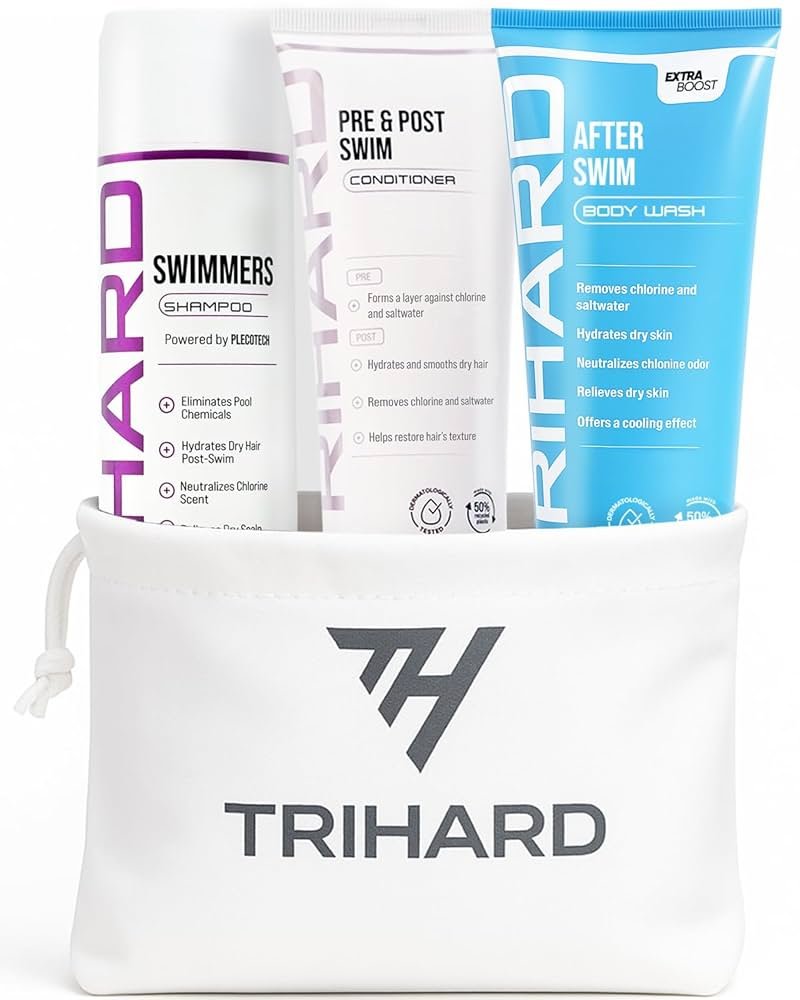
Your hair deserves special care after a swim in the pool. Chlorine and other chemicals can leave your strands dry, brittle, and dull.
If you want to keep your hair healthy and shiny, knowing the right steps for after pool hair care is key. You’ll discover simple and effective ways to restore moisture, protect your hair, and prevent damage. Keep reading to unlock easy tips that will make your hair look and feel amazing after every swim.

Credit: www.amazon.com
Effects Of Pool Water On Hair
Swimming pool water affects hair in many ways. Chemicals and minerals in the water can change hair texture and health. Understanding these effects helps protect hair after swimming.
Chlorine And Its Impact
Chlorine kills germs in pool water. It also strips natural oils from hair. This makes hair dry and brittle. Chlorine can cause color-treated hair to fade. It may also lead to scalp irritation. Hair feels rough and loses shine after swimming.
Saltwater And Minerals
Saltwater pools contain salt and minerals. These elements can build up on hair strands. Mineral deposits make hair feel heavy and stiff. Salt dries out hair by removing moisture. Hair becomes tangled and hard to manage. Minerals can dull the natural hair color.
Common Hair Problems After Swimming
- Dryness and rough texture
- Color fading or discoloration
- Increased hair breakage
- Frizz and split ends
- Itchy, dry scalp
Swimming often causes these problems. Proper care after swimming keeps hair healthy and smooth.
Credit: of.tv
Pre-swim Hair Protection
Protecting your hair before you dive into the pool is just as important as taking care of it afterward. Pre-swim hair protection helps minimize damage caused by chlorine, salt, and other harsh chemicals found in pool water. Taking a few simple steps can keep your hair healthier and make your post-swim routine much easier.
Wet Hair Before Swimming
Did you know wetting your hair before swimming can reduce how much pool water it absorbs? When your hair is already soaked with clean water, it won’t soak up as much chlorinated water. This simple trick creates a barrier that shields your strands from harsh chemicals.
Try rinsing your hair with fresh water just before you jump in. You’ll notice less dryness and breakage after your swim. This step is quick and can make a big difference over time.
Using Protective Hair Products
Applying protective hair products before swimming can save your hair from serious damage. Leave-in conditioners or hair oils act like a protective shield. They help lock in moisture and reduce the impact of chlorine and salt.
Look for products labeled “swim-proof” or those with natural oils like coconut or argan oil. These ingredients nourish your hair and prevent it from becoming brittle. Have you tried applying a small amount of oil to your hair ends before swimming? It can stop split ends from forming.
Choosing The Right Swim Cap
A swim cap isn’t just for speed or style—it’s a powerful tool for hair protection. Silicone caps are usually better than latex because they provide a tighter seal and last longer. A well-fitting cap keeps most of your hair out of the water.
Consider caps with extra lining or those designed specifically for curly or fragile hair. They reduce friction and prevent hair from getting tangled. Have you ever noticed how much easier your hair feels after a swim with a good cap on? It’s worth investing in one that fits you perfectly.
Immediate Post-swim Hair Care
Right after you step out of the pool, your hair needs immediate attention to prevent damage from chlorine and salt. The longer these chemicals stay on your strands, the more they strip away natural oils and cause dryness. Taking quick action protects your hair’s health and keeps it looking vibrant.
Rinsing Hair Thoroughly
Start by rinsing your hair with clean, fresh water as soon as possible. This simple step washes away most of the chlorine or salt before it has a chance to settle in. Cold or lukewarm water works best because hot water can open your hair cuticles, allowing chemicals to penetrate deeper.
Think about how you feel when you rinse your skin after a swim—your hair deserves the same care. Skipping this step might leave your hair brittle and prone to breakage. Do you make rinsing an immediate habit after every swim?
Gentle Detangling Techniques
Wet hair is fragile, especially after swimming, so be gentle when detangling. Use a wide-tooth comb or your fingers to slowly work through knots without pulling harshly. Start detangling from the ends and gradually move up to the roots.
Applying a leave-in conditioner or detangling spray before combing can reduce friction and make the process smoother. Have you noticed less breakage when you handle your hair gently after swimming? This small change can save you from split ends and damaged strands.
Deep Cleansing And Conditioning
After swimming, hair often feels heavy and dull. Chemicals in pool water can leave buildup and dry out strands. Deep cleansing and conditioning restore hair’s natural softness and shine. This process removes residue and adds moisture back into the hair.
Clarifying Shampoos For Residue Removal
Clarifying shampoos clean hair deeply by removing chlorine and mineral buildup. They open hair cuticles to wash away trapped chemicals. Use clarifying shampoo once a week to avoid over-drying. Choose gentle formulas made for frequent use. Always follow with a conditioner to keep hair balanced.
Hydrating Conditioners And Masks
Hydrating conditioners lock in moisture and smooth the hair surface. Look for products with ingredients like aloe vera, glycerin, or shea butter. Leave-in conditioners help protect hair throughout the day. Use deep conditioning masks weekly to repair and soften strands. Apply from roots to ends for full hydration.
Natural Remedies For Hair Repair
Natural treatments soothe and rebuild damaged hair. Coconut oil penetrates deeply, restoring softness and shine. Aloe vera gel calms the scalp and moisturizes hair. Honey acts as a humectant, attracting moisture to strands. Combine these ingredients for a nourishing hair mask. Apply to damp hair, leave for 30 minutes, then rinse well.
Daily Hair Care Routine After Swimming
Swimming is a refreshing way to cool down and get some exercise, but your hair often pays the price. Chlorine, salt, and even hard water can strip moisture and leave your strands dry and brittle. Establishing a daily hair care routine after swimming can help you maintain healthy, vibrant hair without sacrificing your love of the pool.
Moisturizing And Nourishing Tips
Right after swimming, rinse your hair thoroughly with fresh water to remove chlorine or salt. Follow up with a gentle, hydrating shampoo designed for swimmers or color-treated hair. Leaving shampoo residue can cause dryness, so make sure to rinse well.
Apply a deep conditioner or hair mask to restore moisture. Focus on the ends where damage is most visible. Leave it on for at least 5–10 minutes to let your hair absorb the nutrients fully.
Have you tried adding a few drops of natural oils like argan or coconut oil to your routine? They can seal in moisture and add shine without weighing your hair down.
Avoiding Heat Styling Damage
Swimming already stresses your hair, so avoid adding heat damage with blow dryers, straighteners, or curling irons right after. Give your hair a break by air-drying whenever possible. If you must use heat, always apply a heat protectant spray first.
Think about how often you use hot tools. Could skipping them a few days a week improve your hair’s health significantly? Paying attention to this can prevent breakage and split ends that worsen post-swim damage.
Protective Hairstyles
Choosing the right hairstyle before and after swimming can reduce tangling and breakage. Braids, buns, or ponytails keep hair secure and minimize friction against pool surfaces and towels.
Try loose braids to avoid pulling on your scalp but still keep your hair contained. After swimming, gently detangle with a wide-tooth comb to prevent unnecessary breakage.
Have you noticed how protective hairstyles can also make your post-swim routine faster? They help reduce the time you spend on detangling and styling, giving you more time to enjoy your day.

Credit: goldielocks.com
Long-term Hair Health Strategies
Maintaining healthy hair after frequent pool visits requires more than just rinsing and conditioning. Long-term care builds resilience and prevents damage caused by chlorine and other pool chemicals. You need strategies that protect your hair’s natural strength and shine over time.
Regular Trims And Maintenance
Trimming your hair every 6 to 8 weeks helps remove split ends before they travel up the hair shaft. This simple habit keeps your hair looking fresh and prevents breakage that can worsen from chlorine exposure.
Think about how your hair feels after swimming: dry ends often become brittle. Regular trims act like a reset button, giving your hair a chance to grow strong and healthy without damage piling up.
Balanced Diet And Hydration
Your hair’s health starts from within. Eating foods rich in vitamins A, C, D, and E, plus minerals like zinc and iron, supports hair growth and repair.
Don’t underestimate the power of water. Staying well-hydrated flushes out toxins and keeps your scalp moisturized. Have you noticed your hair feels dull when you’re dehydrated? Drinking enough water can change that.
- Include leafy greens, nuts, and fish in your meals
- Drink at least 8 glasses of water daily
- Consider a hair-friendly supplement if your diet lacks variety
When To Seek Professional Help
Sometimes, home care isn’t enough—especially if your hair feels brittle or shows signs of severe damage. A hairstylist or trichologist can assess your hair’s condition and recommend treatments like deep conditioning or protein therapy.
Don’t wait until your hair breaks off or becomes unmanageable. Early professional intervention can save you time and frustration later. Have you ever ignored hair damage and wished you hadn’t?
Frequently Asked Questions
How To Protect Hair From Chlorine Damage After Swimming?
Rinse hair immediately with fresh water to remove chlorine. Use a clarifying shampoo to deep clean. Follow with a hydrating conditioner to restore moisture. Regularly apply leave-in treatments or oils to repair damage and prevent dryness.
What Are The Best Shampoos For Post-pool Hair Care?
Choose sulfate-free clarifying shampoos to remove chlorine gently. Look for products with hydrating ingredients like aloe or coconut oil. Avoid harsh chemicals that strip natural oils. Use shampoos designed specifically for swimmers to maintain hair health.
How Often Should I Wash My Hair After Swimming?
Wash hair right after swimming to remove chlorine and salt. Avoid overwashing; 2-3 times a week is ideal. Overwashing can strip natural oils, causing dryness. Use gentle cleansing methods and follow with conditioners to keep hair nourished.
Can Leave-in Conditioners Help After Pool Hair Exposure?
Yes, leave-in conditioners add moisture and protect hair from chlorine damage. They smooth the hair cuticle and reduce dryness. Apply evenly on damp hair after swimming. Choose formulas with UV protection and hydrating ingredients for best results.
Conclusion
Caring for your hair after swimming is vital. Chlorine and salt damage strands. Rinse your hair immediately after leaving the pool. Use a gentle, nourishing shampoo. Apply a deep conditioner to restore moisture. Protect your hair from sun with a hat.
Limit heat styling for healthier hair. Regular trims prevent split ends. Healthy hair boosts confidence. Enjoy the pool without hair worries. With these simple steps, keep hair shiny and strong. Remember, consistent care makes a big difference. Happy swimming and healthy hair days ahead!
