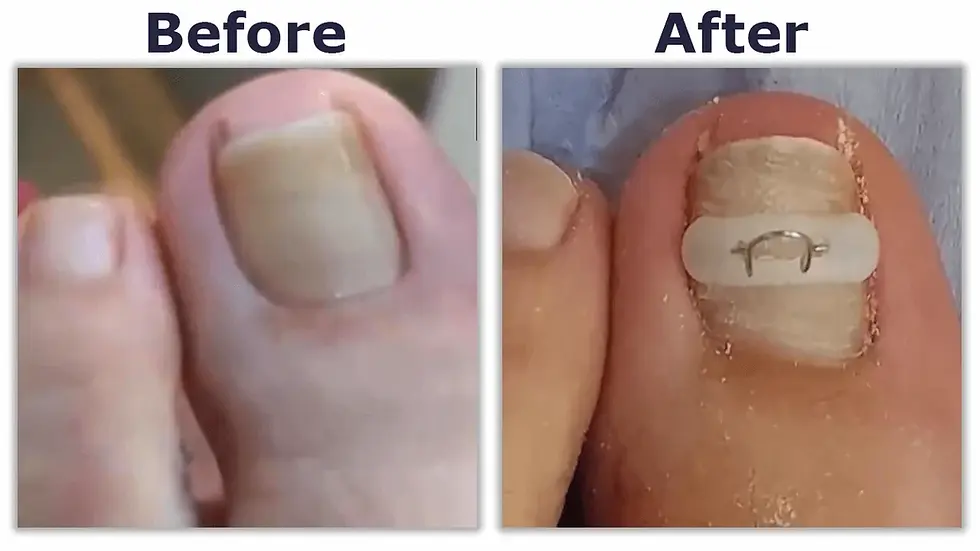
After nail removal, whether due to injury or a medical procedure, the healing process can be both physically and emotionally challenging. You might feel a mix of discomfort and curiosity about how to care for your nail bed properly.
But don’t worry, you’re not alone on this journey. This article is designed to guide you through every step of after nail removal care, ensuring your healing process is smooth and as pain-free as possible. Imagine feeling confident and relaxed, knowing you’re doing everything right to promote healthy regrowth and prevent infections.
Are you ready to discover the secrets to effective nail care post-removal? Keep reading, and you’ll find simple, practical tips that will make your recovery a breeze!
Immediate Care Steps
After nail removal, immediate care is vital to prevent infection and ease discomfort. Quick and proper actions support healing. Follow these steps carefully to protect the wound and reduce pain.
Cleaning The Wound
Gently rinse the area with clean, lukewarm water. Avoid harsh soaps or scrubbing. Use a mild antiseptic solution if recommended by a doctor. Pat dry with a soft, clean cloth. Keep the wound free from dirt and bacteria.
Applying A Bandage
Cover the wound with a sterile bandage to protect it. Choose a bandage that is not too tight to allow blood flow. Change the bandage daily or when it becomes wet or dirty. This keeps the area clean and helps healing.
Managing Pain And Swelling
Apply a cold compress to reduce swelling. Wrap ice in a cloth; do not apply directly to skin. Take pain medicine as advised by a healthcare provider. Rest the affected finger or toe to avoid extra pressure or injury.

Credit: www.youtube.com
Preventing Infection
Preventing infection after nail removal is key to a smooth recovery. Your skin has just lost a protective barrier, making it vulnerable to bacteria. Taking proper care right after the procedure can stop complications and keep your healing on track.
Using Antibiotic Ointments
Applying antibiotic ointment is a simple but effective way to reduce infection risk. These ointments create a protective layer that blocks germs from entering the wound.
Make sure your hands are clean before applying the ointment. Use a clean cotton swab or your fingertip to spread a thin layer over the area.
Don’t overuse the ointment; too much can trap moisture and slow healing. Follow the instructions your doctor gives, and reapply as often as recommended.
Recognizing Infection Signs
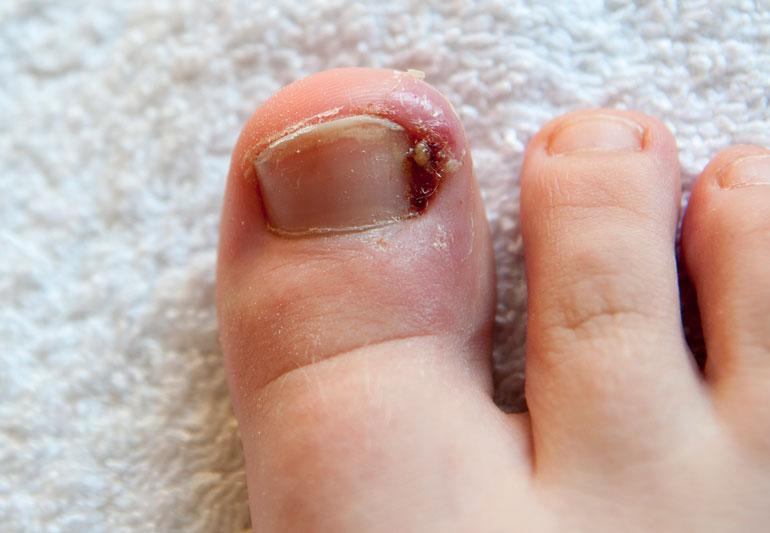
Knowing what infection looks like helps you act fast. Watch for increased redness, swelling, or warmth around the nail bed.
If you notice pus, foul odor, or pain that worsens instead of improving, these are warning signs. Sometimes, fever or chills may also indicate your body is fighting an infection.
Ask yourself, is the area feeling more tender than before or producing unusual discharge? These clues mean you should pay extra attention and possibly adjust your care routine.
When To See A Doctor
You might wonder when it’s necessary to seek medical help. If redness and swelling spread rapidly or the pain becomes severe, don’t wait.
Also, if you see thick yellow or green pus or develop a fever above 100.4°F (38°C), contact your healthcare provider immediately.
Remember, early treatment can prevent complications like deeper infections or delayed healing. Your doctor can prescribe stronger antibiotics or other treatments if needed.
Promoting Healing
Proper care after nail removal is vital for fast healing. The skin and tissue need a clean, safe space to repair. Promoting healing reduces pain and prevents infection. Simple habits can help the area recover quickly and comfortably.
Keeping The Area Dry
Moisture slows healing and increases infection risk. Keep the wound dry by covering it with a waterproof bandage. Avoid soaking the area in water during baths or showers. Change dressings regularly to maintain dryness and cleanliness.
Avoiding Pressure And Trauma
Pressure can cause pain and damage new tissue. Avoid tight shoes or gloves that press on the wound. Do not touch or pick at the healing skin. Rest the affected hand or foot to prevent accidental injury.
Elevating The Foot Or Hand
Elevation reduces swelling and eases discomfort. Raise the injured area above heart level when resting. Use pillows or cushions to keep it elevated comfortably. This simple step helps blood flow and speeds healing.
Lifestyle Adjustments
Adjusting your lifestyle after nail removal is key to a smooth recovery. Small changes can make a big difference in how quickly your nail bed heals and how comfortable you feel during the process. Paying attention to what you wear, how active you are, and what you eat can support your body’s healing and prevent complications.
Choosing Proper Footwear
Wearing the right shoes is essential after nail removal. Avoid tight or closed shoes that press on your toe, as they can cause pain and delay healing.
Opt for open-toed sandals or shoes with a wide toe box to give your toe space to breathe. Soft materials and cushioned soles help reduce pressure and irritation.
Have you noticed how your usual shoes suddenly feel uncomfortable? This is your body telling you to switch to footwear that supports recovery.
Limiting Physical Activity
Cutting back on physical activities that put strain on your feet helps prevent injury and infection. High-impact sports, running, or long walks may cause unnecessary stress on your healing toe.
Try gentle activities like swimming or seated exercises instead. These keep you active without risking damage to your nail bed.
Think about your daily routine—can you replace one high-impact activity with a low-impact alternative? This small change protects your recovery while keeping you moving.
Maintaining Good Nutrition
Your body needs the right fuel to heal well after nail removal. Eating foods rich in protein, vitamins, and minerals supports tissue repair and strengthens your immune system.
Include lean meats, leafy greens, nuts, and fruits like oranges and berries in your meals. Staying hydrated is also crucial for healing.
Have you checked if your diet includes enough nutrients that promote skin and nail health? Adjusting your meals can speed up recovery and improve overall wellness.
Long-term Care Tips
Taking care of your nail after removal goes beyond the first few days. Long-term care plays a big role in how well your nail regrows and how comfortable you feel during the healing process. Paying attention to small changes and maintaining good habits can make a noticeable difference over time.
Monitoring Nail Regrowth
Keep an eye on how your nail starts to grow back. Healthy regrowth usually begins within a few weeks but can take several months to fully return. Watch for signs like unusual discoloration, thickening, or irregular shapes that could mean an infection or other issues.
Documenting progress with photos can help you track changes you might not notice day to day. Have you ever caught a problem early just by comparing pictures over time? This simple action can save you from bigger problems later.
Managing Discomfort
Some discomfort is normal as your nail bed heals and new nail forms. If you feel persistent pain or sensitivity, try soaking your finger or toe in warm, salty water to reduce inflammation. Avoid tight shoes or gloves that put pressure on the area.
Over-the-counter pain relief can help, but don’t rely on it long-term without consulting your doctor. What small changes could you make to your daily routine to keep your healing nail comfortable?
Scheduling Follow-up Appointments
Don’t skip your follow-up visits with your healthcare provider. These appointments let professionals assess your healing progress and catch any complications early. They can also give you personalized advice based on how your nail is growing back.
Set reminders for these check-ups and prepare any questions or concerns you might have. How often you need to go back depends on your specific case, but staying proactive is always beneficial.
Credit: health.clevelandclinic.org

Credit: www.youtube.com
Frequently Asked Questions
How Should I Clean The Area After Nail Removal?
Clean the area gently with mild soap and water. Avoid harsh scrubbing. Pat dry with a clean towel to prevent infection.
What Pain Relief Methods Work Best Post Nail Removal?
Use over-the-counter pain relievers like ibuprofen. Apply ice packs for 15 minutes to reduce swelling. Follow your doctor’s advice for medication.
When Can I Resume Normal Activities After Nail Removal?
Avoid strenuous activities for at least a week. Light movements are fine, but protect the area from injury. Follow your healthcare provider’s guidance.
How Do I Prevent Infection After Nail Removal?
Keep the wound clean and dry. Change dressings daily or as advised. Watch for redness, swelling, or pus, and consult your doctor if symptoms appear.
Conclusion
Taking good care after nail removal helps your skin heal fast. Keep the area clean and dry to avoid infection. Apply any medicines as your doctor says. Rest and avoid putting pressure on your finger or toe. Watch for signs of redness, swelling, or pain.
These might mean you need to see a doctor. Healing takes time, so be patient with your body. Follow these steps to stay comfortable and recover well. Your nail will grow back healthy with proper care.
