
You’ve just had a hair transplant, and now you want to make sure your new hair grows strong and healthy. What you do in the days and weeks after the procedure is just as important as the transplant itself.
Proper aftercare can boost your results and help you avoid common problems. You’ll discover simple, effective steps to protect your investment and enjoy the best outcome possible. Keep reading to learn exactly how to care for your scalp and hair after your transplant.
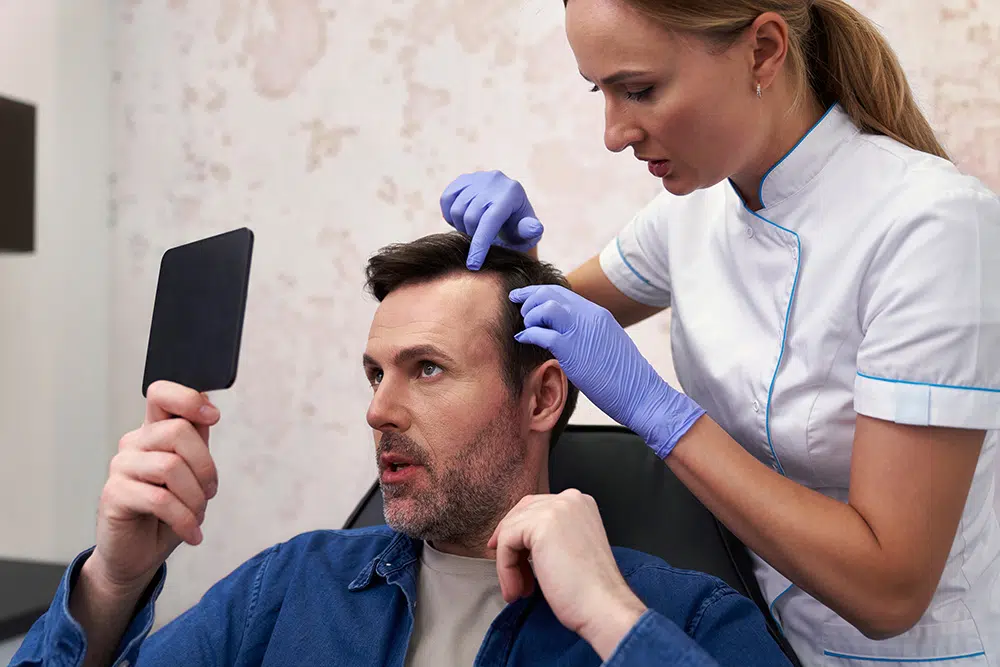
Credit: www.drmalaymehta.com
Immediate Post-transplant Care
Immediate care after a hair transplant is crucial for a healthy recovery. The first few days are delicate. Proper care helps protect the transplanted hair and scalp. Following simple steps reduces risks of infection and damage. It also helps ensure better hair growth.
Managing Pain And Swelling
Mild pain and swelling are common after the procedure. Use prescribed painkillers to ease discomfort. Applying a cold compress gently can reduce swelling. Avoid touching or pressing the treated area. Keep your head elevated during sleep to minimize swelling.
Proper Cleaning Techniques
Cleaning the scalp requires gentle care. Use a mild shampoo recommended by your doctor. Avoid rubbing or scratching the transplanted area. Pat the scalp dry with a soft towel instead of rubbing. Rinse hair gently with lukewarm water to remove dirt.
Avoiding Physical Strain
Rest is important after a hair transplant. Avoid heavy lifting or vigorous exercise. Physical strain can increase blood flow and cause bleeding. Stay away from activities that cause sweating. Protect the scalp from direct sunlight and dust during recovery.
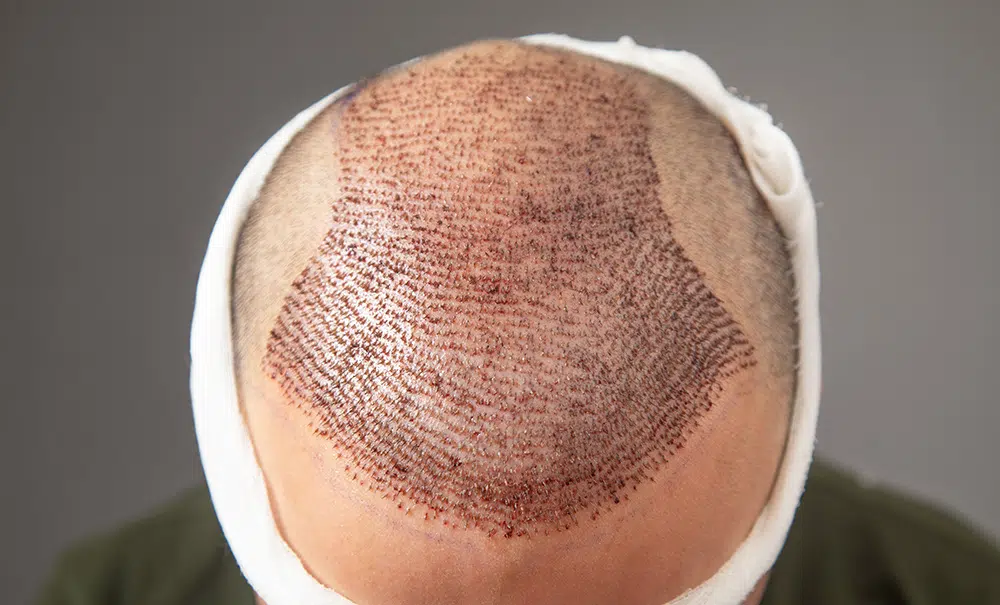
Credit: www.drmalaymehta.com
Protecting Transplanted Area
Protecting the transplanted area after your hair transplant is crucial for a successful outcome. This delicate zone needs extra care to heal properly and to ensure the new hair follicles grow strong. Small actions you take daily can make a big difference in how well your transplant settles in.
Wearing Protective Headgear
Wearing a loose, breathable hat can shield your scalp from accidental bumps and dust. Choose soft fabrics like cotton to avoid irritating the sensitive skin on your scalp. Avoid tight hats that can press on the grafts and disrupt their placement.
Think about the times you accidentally scratched or rubbed your scalp without realizing it. A gentle hat can act as a reminder to be careful, reducing the chances of damaging the new follicles.
Avoiding Sun Exposure
Direct sunlight can cause redness and swelling on your transplanted scalp. It also risks drying out the skin, which slows healing. Try to stay out of the sun during peak hours, especially the first two weeks after your procedure.
If you need to go outside, use a wide-brimmed hat or umbrella to create shade. Have you noticed how your skin feels different after a sunburn? Imagine that discomfort on your healing scalp—it’s best to avoid it entirely.
Preventing Infection
Your new hair follicles are vulnerable to infection right after transplant surgery. Keep the area clean by gently washing with the recommended solution your doctor provides. Avoid touching or scratching the scalp with unwashed hands to reduce the risk of germs entering the tiny wounds.
Watch for signs like excessive redness, swelling, or pus. These could indicate an infection needing immediate attention. How often do you think about hand hygiene? Now is the perfect time to be extra mindful to protect your investment.
Hair Washing Guidelines
Proper hair washing after a hair transplant is crucial for healing. It protects the new grafts and keeps the scalp clean. Following the right steps helps avoid infection and damage. Here are essential guidelines for washing your hair safely after the procedure.
When To Start Washing
Wait at least 48 hours before washing your hair. Your doctor will give exact instructions based on your case. Avoid rubbing or scratching the scalp during the first week. Use gentle water pressure to keep grafts safe.
Gentle Shampooing Tips
- Choose a mild, sulfate-free shampoo recommended by your doctor.
- Mix shampoo with water before applying to avoid harsh contact.
- Gently pour the shampoo-water mix over your scalp without rubbing.
- Use fingertips, not nails, to lightly clean the scalp.
- Rinse with lukewarm water using a gentle stream.
Drying Without Damage
- Pat your scalp dry with a soft towel; avoid rubbing.
- Let hair air dry as much as possible.
- Do not use hair dryers on hot settings for at least two weeks.
- If needed, use the cool setting on the dryer at a safe distance.
Diet And Hydration
Diet and hydration play a crucial role in your recovery after a hair transplant. What you eat and drink can either speed up healing or slow it down. Paying attention to your nutrition gives your body the tools it needs to repair and grow healthy hair faster.
Foods That Promote Healing
Protein is essential because hair is mostly made of keratin, a type of protein. Include lean meats, eggs, and beans in your meals to support new hair growth. Vitamin C-rich foods like oranges and strawberries help your body absorb iron and build collagen, which strengthens hair follicles.
Don’t forget zinc and iron, found in nuts, spinach, and red meat, as they boost healing and prevent hair loss. Fresh vegetables and fruits also provide antioxidants that reduce inflammation and protect your scalp. Have you noticed how eating well makes you feel more energetic? That energy goes into healing too.
Staying Hydrated
Water is your body’s natural healer. Drinking enough water keeps your scalp hydrated and supports blood flow, which delivers oxygen and nutrients to hair follicles. Aim for at least eight glasses a day, but listen to your body’s needs, especially if you’re active or live in a hot climate.
Try to avoid excessive caffeine and alcohol since they can dehydrate you and slow down recovery. Carry a water bottle with you to remind yourself to drink regularly. What simple changes can you make today to stay better hydrated?
Supplements For Hair Growth
Sometimes diet alone isn’t enough, and supplements can fill in the gaps. Biotin is a popular choice because it strengthens hair and nails. Omega-3 fatty acids, found in fish oil capsules, reduce scalp inflammation and improve hair density.
Before starting any supplements, check with your doctor to ensure they’re safe for you. Remember, supplements support your diet but don’t replace healthy eating. Have you considered which supplements might help your hair grow stronger?
Lifestyle Adjustments
After a hair transplant, making lifestyle changes plays a key role in healing and hair growth. Simple habits can improve your results and keep your new hair healthy. Focus on choices that support your body’s recovery and avoid those that can cause damage.
Avoiding Smoking And Alcohol
Smoking reduces blood flow to the scalp. This slows healing and can cause hair loss. Alcohol thins the blood and affects nutrient absorption. Both can increase swelling and delay recovery. Avoid smoking and drinking for at least two weeks after surgery to protect your new hair.
Stress Management
Stress harms hair growth and weakens your immune system. Try relaxation techniques like deep breathing or gentle yoga. Keep a calm routine and avoid heavy physical or emotional stress. Managing stress helps your scalp heal faster and supports healthy hair growth.
Getting Adequate Rest
Rest allows your body to repair itself. Sleep helps reduce swelling and inflammation. Aim for 7 to 8 hours of sleep each night. Use a pillow to keep your head elevated. Good rest boosts blood flow to the scalp and improves transplant success.
Monitoring Progress
Monitoring progress after a hair transplant is vital for a successful outcome. Careful observation helps ensure the scalp heals well and new hair grows properly. Tracking changes lets you spot any problems early and take action quickly. Staying attentive to your scalp’s condition supports the best possible results from your procedure.
Signs Of Healthy Healing
- Redness fades gradually within a few days
- Scabs form and fall off naturally in one to two weeks
- Mild itching indicates the skin is repairing
- New hair starts to appear after three to four months
- No severe pain or swelling around the transplant area
When To Contact Your Doctor
- Intense redness or swelling lasting more than a week
- Severe pain that does not improve with medication
- Signs of infection, such as pus or bad odor
- Sudden hair loss around the transplant site
- Fever or other unusual symptoms after surgery
Follow-up Appointments
Regular visits to your doctor help track healing progress. These appointments allow your doctor to check the transplanted area carefully. Adjustments to care routines may be made based on your healing status. Follow-up visits usually happen at one week, one month, and three months after surgery. Keeping these appointments ensures your recovery stays on the right path.
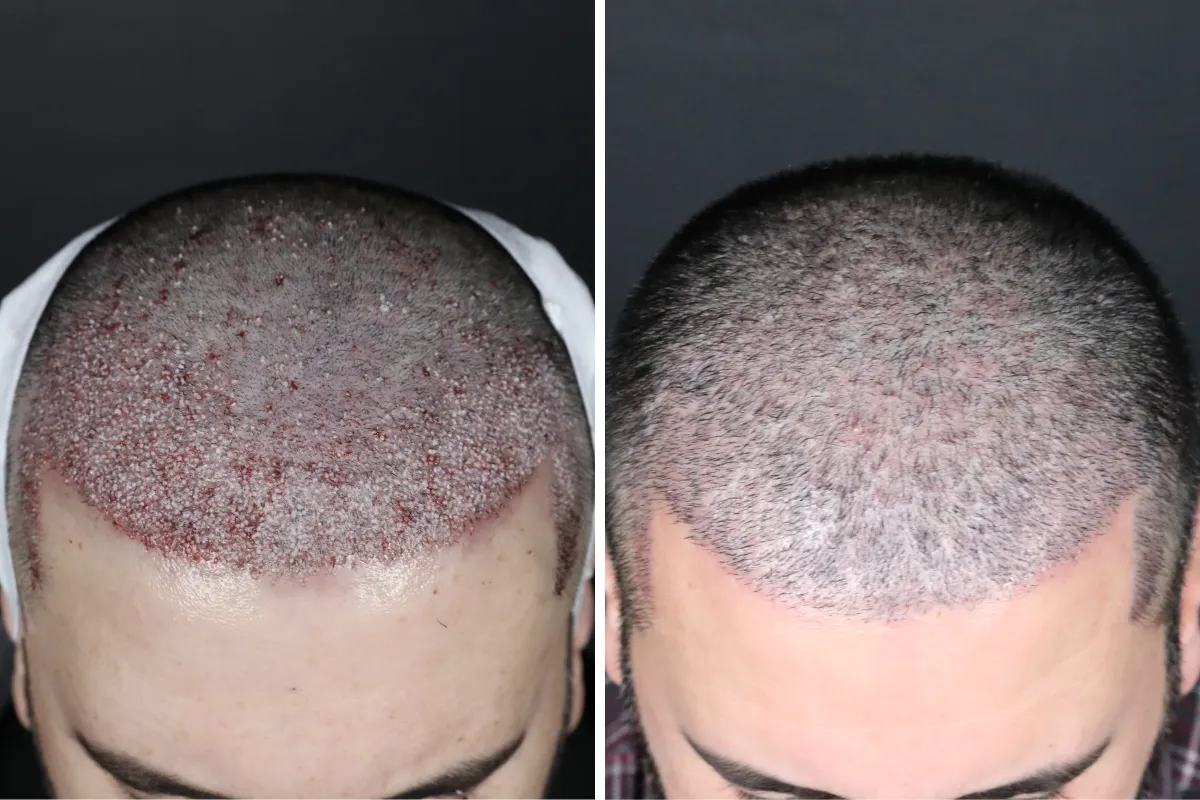
Credit: haircenterofturkey.com
Frequently Asked Questions
How Soon Can I Wash My Hair?
You can typically wash your hair 48 hours after a hair transplant. Use a gentle shampoo and avoid scrubbing. Pat dry with a soft towel. Following these steps helps protect grafts and promotes healthy healing. Always follow your surgeon’s specific instructions for best results.
What Should I Avoid After A Hair Transplant?
Avoid strenuous activities, direct sun exposure, and swimming for at least two weeks. Refrain from alcohol and smoking as they can impede healing. Wearing hats or helmets should be done cautiously to prevent pressure on grafts. Following these precautions aids in a smoother recovery.
Can I Exercise After A Hair Transplant?
It’s advisable to avoid heavy exercise for at least two weeks post-transplant. Light walking can resume after a few days. Intense activities can increase blood flow to the scalp, affecting grafts. Gradually reintroduce exercise once your doctor gives the all-clear.
How Long Does Swelling Last Post-transplant?
Swelling is common and usually lasts for three to five days. It often peaks on the third day. Keeping your head elevated and applying ice packs can reduce swelling. Consult your doctor if swelling persists beyond this period for tailored advice.
Conclusion
Proper care after a hair transplant helps your new hair grow strong. Follow your doctor’s advice carefully to avoid problems. Keep your scalp clean and avoid touching it too much. Rest well and eat healthy foods to support healing. Patience is key; results take time to show.
Protect your scalp from sun and harsh weather. Small daily efforts make a big difference in recovery. Taking good care today means better hair tomorrow. Stay consistent, and enjoy the journey to fuller hair.
