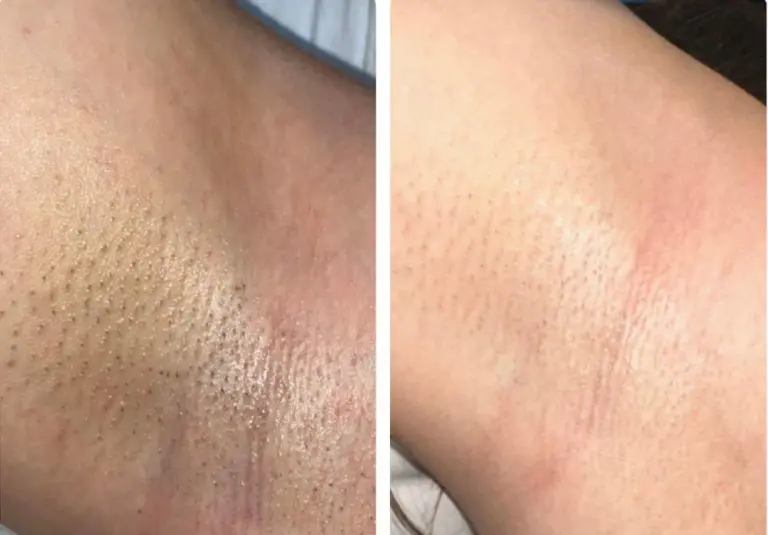
Are you considering laser hair removal or have you recently undergone a session? Understanding the importance of aftercare can make all the difference in achieving the smooth, hair-free skin you desire.
Aftercare for laser hair removal is essential to ensure the best results and maintain your skin’s health. You might wonder what steps you should take to soothe and protect your skin post-treatment. Imagine the confidence boost of knowing your skin is well-cared for and the results will last.
This guide will walk you through simple, effective aftercare tips that promise to keep your skin looking and feeling its best. Stick around to discover how to maximize your laser hair removal results and enjoy the skin you’ve always dreamed of.
Credit: www.laserbyaleya.com
Immediate Care After Treatment
Right after your laser hair removal session, your skin needs special attention. Immediate care helps reduce discomfort and supports healing. How you treat your skin now can affect your results and comfort for days to come.
Cooling The Skin
Cooling your skin immediately after treatment soothes irritation and reduces redness. You can use a cold compress or an ice pack wrapped in a soft cloth. Avoid applying ice directly to the skin to prevent frostbite.
Many people find relief by gently patting their skin with a cool, damp towel. This simple step can make a big difference in how your skin feels. Have you noticed how cooling calms the burning sensation after sunburn? It works similarly here.
Avoiding Sun Exposure
Your skin becomes extra sensitive to sunlight after laser treatment. Direct sun exposure can cause pigmentation changes and prolong healing. It’s best to stay indoors or wear protective clothing for at least 48 hours.
When you do go outside, always apply a broad-spectrum sunscreen with at least SPF 30. Think about how you protect your skin after a chemical peel—laser hair removal needs the same care. This habit shields your skin and maintains your treatment results.
Using Gentle Cleansers
After treatment, your skin barrier is delicate and can react badly to harsh products. Choose mild, fragrance-free cleansers to wash the treated area. Avoid scrubs, exfoliants, or anything abrasive that could irritate your skin.
Using lukewarm water instead of hot water also helps prevent dryness and irritation. How often do you check ingredient labels for irritants? This is the time to be extra cautious and keep your skincare simple and soothing.

Credit: aventusclinic.com
Managing Discomfort And Redness
After laser hair removal, managing discomfort and redness is important for a smooth recovery. These symptoms usually appear because your skin is sensitive and healing. Proper care helps reduce irritation and speeds up healing. Follow simple steps to ease your skin and feel more comfortable.
Applying Soothing Creams
Use creams designed to calm irritated skin. Look for products with aloe vera or chamomile. These ingredients help reduce redness and cool the skin. Apply the cream gently in a thin layer. Avoid strong fragrances or harsh chemicals in the creams. Apply as often as needed, especially after washing the area.
Taking Pain Relief If Needed
Mild pain or discomfort can happen after treatment. Over-the-counter pain medicine like ibuprofen or acetaminophen helps. Follow the instructions on the package carefully. Do not take more than the recommended dose. If pain lasts longer than a few days, contact your doctor. Rest and avoid strenuous activities that may worsen discomfort.
Recognizing Normal Reactions
Redness and slight swelling are common after laser hair removal. These signs usually fade within a few hours to a few days. Skin may also feel warm or tender to touch. Small bumps or mild itching can occur as well. These reactions show your skin is healing. Watch for signs of infection, such as pus, severe pain, or fever. If these happen, seek medical help immediately.
Long-term Skin Protection
Protecting your skin after laser hair removal is important for lasting results. The skin becomes sensitive and needs gentle care. Long-term protection keeps your skin healthy and smooth. It also prevents damage and irritation from sun and harsh chemicals.
Daily Sunscreen Use
Apply sunscreen every day to shield your skin from UV rays. Choose a broad-spectrum sunscreen with at least SPF 30. Even on cloudy days, UV rays can harm the skin. Reapply sunscreen every two hours if you stay outdoors. This helps avoid dark spots and redness after laser treatment.
Moisturizing Regularly
Keep your skin hydrated by moisturizing daily. Use a gentle, fragrance-free moisturizer to soothe the skin. Moisturizers help repair the skin barrier and reduce dryness. Well-hydrated skin heals faster and feels soft. Avoid products with alcohol, as they can dry out the skin further.
Avoiding Harsh Products
Stay away from strong soaps, scrubs, and exfoliants after laser hair removal. These can irritate sensitive skin and cause redness. Use mild, non-abrasive cleansers instead. Avoid products with fragrances or chemicals that can trigger reactions. Give your skin time to recover before using any harsh treatments.

Credit: indulgencemedicaldayspa.com
Activities To Avoid
Proper aftercare is essential for the best results after laser hair removal. Certain activities can irritate the skin or reduce treatment effectiveness. Avoiding these activities helps your skin heal faster and prevents complications.
Steering Clear Of Hot Baths And Saunas
Hot baths and saunas increase skin temperature and cause irritation. They can make treated areas red and swollen. It is best to avoid these for at least 48 hours after treatment. Cooler showers help calm the skin and reduce discomfort.
Skipping Intense Workouts
Heavy exercise causes sweating, which can irritate sensitive skin. Sweat may also clog pores and increase infection risk. Avoid intense workouts like running or weightlifting for 24 to 48 hours. Gentle walks or stretching are safer options during this time.
Postponing Other Skin Treatments
Other skin treatments can interfere with laser healing. Chemical peels, waxing, or tanning should wait until your skin fully recovers. These treatments might cause redness or damage when combined with laser sessions. Discuss timing with your technician before scheduling other procedures.
Monitoring Skin Changes
After your laser hair removal sessions, keeping a close eye on your skin is essential. Monitoring skin changes helps you catch any issues early and ensures your skin heals properly. Paying attention to subtle shifts in texture, color, or sensation can make a big difference in your aftercare experience.
Identifying Signs Of Infection
Watch out for redness that spreads beyond the treatment area or becomes increasingly painful. Swelling, warmth, or pus are also warning signs. If you notice any of these, don’t ignore them—your skin might be infected and need medical attention.
Sometimes, itching or a burning feeling seems normal, but if it intensifies or lasts longer than a few days, it’s worth checking. Your body’s response after laser treatment varies, but infections require prompt care to avoid complications.
When To Contact A Professional
If your skin develops blisters, severe pain, or unusual discharge, it’s time to reach out to your dermatologist or laser technician. Don’t wait for scheduled follow-ups if something feels wrong. Early intervention can prevent more serious problems.
Even persistent dryness or peeling that doesn’t improve might indicate an issue with your skin’s healing process. Professionals can provide advice tailored to your skin type and treatment history, guiding you safely through recovery.
Tracking Hair Growth Patterns
Keep a simple diary or take photos to observe how your hair grows back between sessions. Noticing areas with slower or faster regrowth helps your technician adjust treatment plans. This can improve results and reduce the number of sessions needed.
Have you ever wondered why some spots seem to resist treatment? Monitoring these patterns lets you spot stubborn patches early and discuss options for extra care. Tracking progress empowers you to take control of your laser hair removal journey.
Preparing For Future Sessions
Preparing for future laser hair removal sessions is just as important as the treatment itself. Proper preparation helps you get the best results and keeps your skin healthy between visits. Paying attention to timing, skincare, and communication can make a noticeable difference in your experience and outcome.
Timing Between Appointments
Scheduling your next session at the right time allows hair follicles to be in the optimal growth phase. Most professionals recommend waiting about 4 to 6 weeks between treatments. Have you noticed how your hair growth changes after each session? Keeping track of these changes can help you decide the best timing for your appointments.
Adjusting Skincare Routine
Your skin needs special care to stay calm and healthy after laser treatments. Avoid harsh products like retinoids or exfoliants a few days before and after your session. Adding gentle moisturizers and sunscreen daily will protect your skin and improve healing. Have you tried switching to fragrance-free skincare during your treatment period? It often reduces irritation and supports better results.
Communicating With Your Technician
Open conversations with your laser technician can improve your treatment plan. Share any discomfort, skin changes, or reactions you experience after sessions. They can adjust settings or recommend products tailored to your skin’s needs. Have you ever felt hesitant to ask questions during your appointments? Remember, your technician is there to help you achieve the best results safely.
Frequently Asked Questions
How Should I Care For My Skin After Laser Hair Removal?
After laser hair removal, keep your skin clean and moisturized. Avoid hot showers and harsh soaps. Use gentle, fragrance-free products to soothe irritation and prevent dryness.
Can I Apply Sunscreen Post Laser Hair Removal?
Yes, applying broad-spectrum sunscreen is crucial after laser hair removal. It protects treated skin from UV damage and prevents hyperpigmentation. Use SPF 30 or higher daily for at least two weeks.
When Can I Resume Exercising After Laser Hair Removal?
Avoid intense exercise for 24 to 48 hours post-treatment. Sweating can irritate sensitive skin and increase infection risk. Light activities are usually safe after this period.
Is It Normal To Experience Redness After Laser Hair Removal?
Yes, mild redness and swelling are common immediately after treatment. They usually subside within a few hours to days. Use cold compresses to reduce discomfort if needed.
Conclusion
Proper care after laser hair removal helps skin heal quickly. Avoid sun exposure to protect treated areas. Keep skin clean and moisturized every day. Do not pick or scratch the skin. Wear loose clothes to prevent irritation. Follow these steps for best results.
Your skin will stay smooth and healthy. Small efforts lead to lasting benefits. Take care, and enjoy your hair-free skin.
