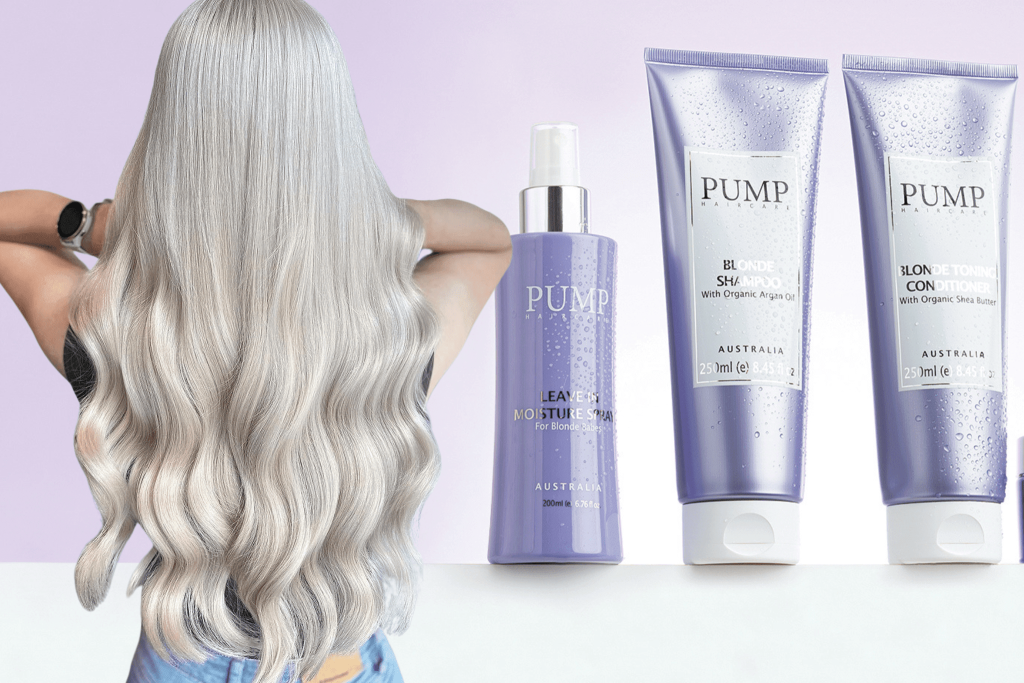
You’ve just stepped out of the salon with your stunning new bleached hair, and you’re loving the fresh, vibrant look. But as you admire your reflection, a crucial question arises: how do you keep your newly bleached hair looking fabulous and healthy?
Bleaching can be tough on your locks, and without the right aftercare, you might find yourself facing dryness, breakage, or even color fading. Don’t worry; you’re not alone in this. Whether you’re a first-timer or a seasoned pro, understanding the secrets of after bleach hair care can make all the difference.
Dive into this guide to discover easy, effective ways to maintain that salon-perfect shine and ensure your hair remains as gorgeous as the day you left the salon. Your hair deserves the best, and so do you. Keep reading to unlock the secrets to maintaining your beautiful bleached hair.
Credit: graziadaily.co.uk
Damage Repair Techniques
Bleaching hair often causes damage by breaking down natural proteins. Repairing this damage is key to healthier, stronger hair. Several techniques help restore moisture and rebuild hair structure. Consistent care improves texture and reduces breakage.
Protein Treatments
Protein treatments add strength by filling gaps in the hair shaft. They help rebuild broken bonds and improve elasticity. Use protein masks once or twice a week for best results. Avoid overuse, which can make hair stiff and dry.
Deep Conditioning
Deep conditioning restores moisture lost during bleaching. It softens hair and reduces frizz. Apply deep conditioners after shampooing and leave them on for 10 to 30 minutes. Regular deep conditioning keeps hair smooth and manageable.
Olaplex And Bond Builders
Olaplex and similar products protect hair bonds from breaking during bleaching. They repair damaged bonds and strengthen hair from inside. Use bond builders as part of your hair care routine. These products improve hair resilience and shine.

Credit: www.reddit.com
Moisture Restoration
Bleaching strips your hair of natural moisture, leaving it dry and brittle. Moisture restoration is key to bringing your hair back to life after bleach. Focusing on deep hydration helps rebuild strength and shine.
Hydrating Masks
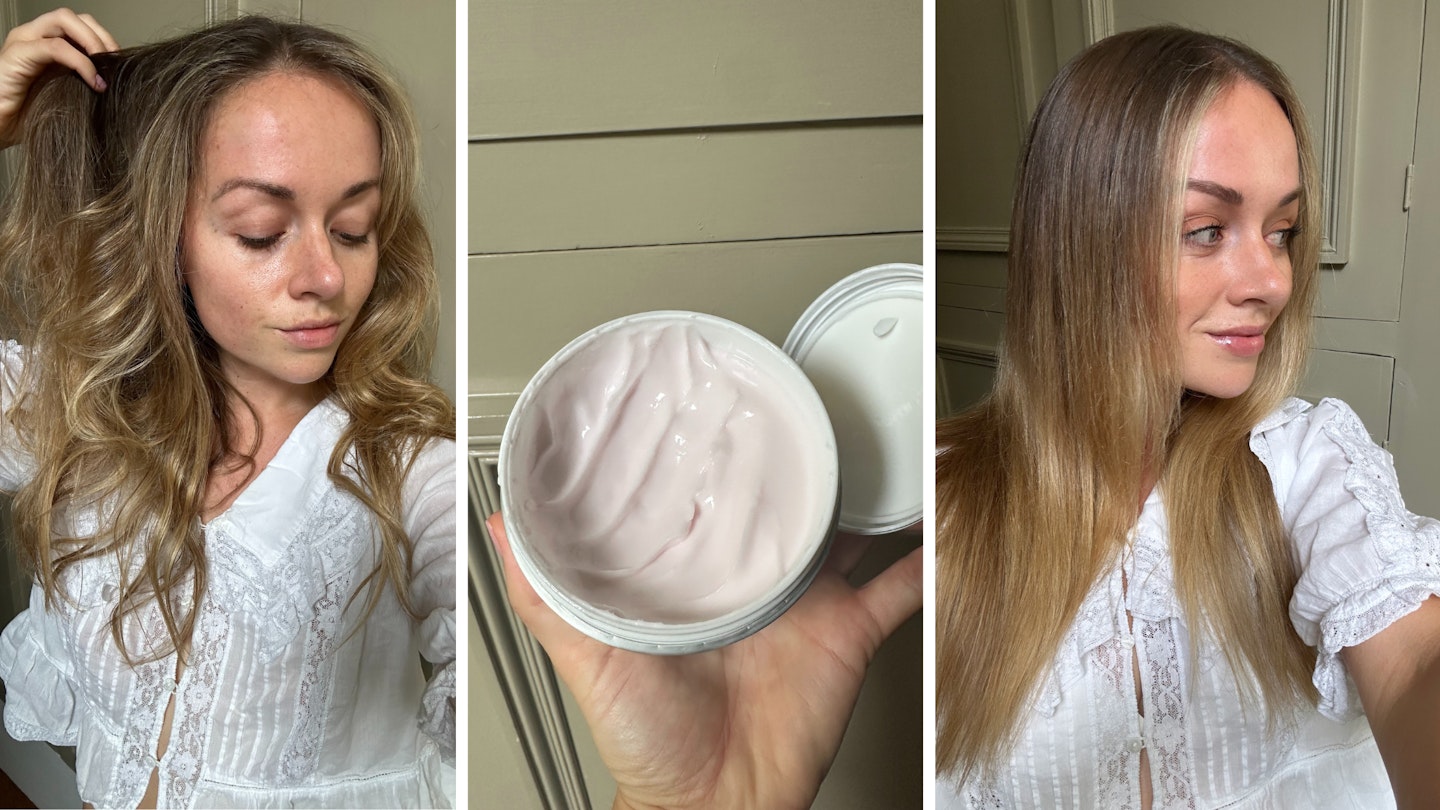
Hydrating masks are like a deep drink for your hair. Use them once or twice a week to replenish lost moisture and repair damage. Look for masks containing ingredients like aloe vera, shea butter, or hyaluronic acid.
Try applying a mask after shampooing and leave it on for at least 15 minutes. You’ll notice your hair feels softer and more manageable right away. Have you ever felt your hair soak up moisture like a sponge? That’s the power of a good hydrating mask.
Leave-in Conditioners
Leave-in conditioners offer continuous moisture throughout the day without weighing hair down. They form a protective layer that keeps your hair hydrated and smooth. Choose lightweight formulas designed for damaged or colored hair.
Spray or apply a small amount on damp hair after washing. This simple step can reduce frizz and make styling easier. Do you find your hair dries out too quickly? A leave-in can help lock in the moisture you just added.
Natural Oils For Shine
Natural oils seal in moisture and add a healthy shine that bleach often steals away. Argan oil, coconut oil, and jojoba oil are great picks to nourish and protect your strands. Use just a few drops to avoid greasy hair.
Rub oil between your palms and smooth it over the ends of your hair. Oils can also calm flyaways and reduce breakage. Have you tried natural oils as a finishing touch? They might be the secret to restoring your hair’s glow.
Daily Care Routine
Maintaining bleached hair daily requires gentle care to keep it healthy. The hair becomes fragile and dry after bleaching. A soft routine helps avoid breakage and dullness. Follow simple steps every day to protect your strands.
Gentle Shampooing
Choose a shampoo designed for damaged or color-treated hair. Use a small amount and massage gently into the scalp. Avoid harsh scrubbing to prevent further damage. Rinse with cool or lukewarm water to keep moisture locked in. Shampooing every 2-3 days helps retain natural oils.
Avoiding Heat Damage
Heat styling tools can worsen bleached hair damage. Skip blow dryers, straighteners, and curling irons as much as possible. If needed, use a heat protectant spray first. Lower heat settings reduce risk of breakage. Air-drying hair is the safest option for daily care.
Detangling Tips
Wet bleached hair is more prone to breakage. Use a wide-tooth comb or a special detangling brush. Start combing from the ends, gently moving upward. Avoid pulling or yanking knots. Detangle hair after applying a conditioner or leave-in treatment for smoothness.
Protecting Hair From Environment
After bleaching, hair becomes delicate and needs extra protection. The environment can cause damage and dryness. Guarding your hair from sun, water, and humidity helps keep it healthy and shiny. Small care steps make a big difference in maintaining soft, strong hair.
Uv Protection
Sunlight can harm bleached hair easily. UV rays break down hair proteins and cause fading. Use hair products with UV filters to block sun damage. Wearing hats or scarves shields hair during long sun exposure. Avoid direct sunlight during peak hours for extra care.
Chlorine And Saltwater Care
Chlorine in pools and saltwater from the ocean dry hair quickly. Both can strip natural oils and cause brittleness. Wet hair with clean water before swimming to reduce absorption. Rinse hair immediately after swimming to remove chemicals and salt. Use a deep conditioner to restore moisture.
Humidity Control
Humidity makes bleached hair frizzy and hard to manage. It swells the hair shaft, causing rough texture. Use anti-frizz serums or lightweight oils to smooth hair. Keep hair tied or braided in humid weather to limit exposure. Regularly trim split ends to maintain neat hair.
Styling Tips For Bleached Hair
Bleached hair needs gentle care during styling to stay healthy and vibrant. Styling with care reduces damage and keeps your hair strong. Choose methods and products that protect and nourish bleached strands.
Low-heat Styling Tools
Use tools with adjustable heat settings. Keep temperature below 300°F (150°C) to prevent extra damage. Limit heat styling to a few times a week. Always apply a heat protectant spray before styling. Avoid using very hot tools on wet hair. Opt for ceramic or tourmaline irons for gentle heat distribution.
Avoiding Over-processing
Do not bleach or color hair too often. Give your hair time to recover between treatments. Skip chemical treatments like perms or relaxers after bleaching. Over-processing weakens hair and causes breakage. Keep styling simple to maintain hair health. Use gentle techniques like air drying or loose braids to reduce stress on hair.
Choosing Hair-friendly Products
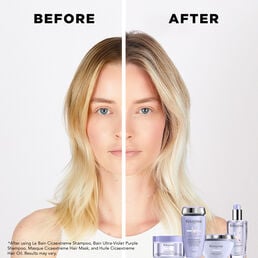
Pick shampoos and conditioners made for damaged or color-treated hair. Look for sulfate-free and moisturizing formulas. Use deep conditioners weekly to restore moisture and strength. Include leave-in conditioners or oils to protect hair from dryness. Avoid heavy products that weigh hair down. Select styling products that add shine without causing buildup.
Credit: www.kerastase-usa.com
Regular Trims And Maintenance
After bleaching, hair becomes fragile and needs special care. Regular trims and maintenance keep hair healthy and looking good. Trimming removes damaged ends and helps hair grow stronger. Maintenance supports the scalp and prevents further damage. This routine protects bleached hair from breakage and dryness.
Split Ends Prevention
Bleached hair is prone to split ends. Regular trims cut off these damaged tips. This stops splits from moving up the hair shaft. Trimming every 6 to 8 weeks keeps hair smooth and neat. Using sharp scissors prevents more damage. Avoid pulling or rough brushing to reduce splits.
Scheduling Salon Visits
Professional salon visits ensure proper care for bleached hair. Stylists check hair health and offer treatments. They trim hair evenly and safely. Schedule visits every 6 to 8 weeks. Salon treatments can add moisture and strength. Follow stylist advice for home care routines.
Scalp Care
Healthy scalp supports strong hair growth. After bleaching, the scalp may feel dry or irritated. Use gentle shampoos that soothe and hydrate. Avoid harsh chemicals that cause dryness. Massage the scalp to improve blood flow. Keep the scalp clean to prevent buildup and itching.
Frequently Asked Questions
How Often Should I Wash Bleached Hair?
Wash bleached hair 2-3 times a week to retain moisture. Over-washing can dry out and damage the hair further.
What Products Are Best For After Bleach Hair Care?
Use sulfate-free shampoos and deep conditioners. Look for products with keratin, protein, and hydrating ingredients to repair and protect.
Can I Use Heat Styling On Bleached Hair?
Limit heat styling to avoid breakage. Always use a heat protectant spray before styling to minimize damage.
How Can I Prevent Hair Breakage After Bleaching?
Regularly apply hair masks and oils. Avoid harsh brushing and tight hairstyles to reduce stress on fragile strands.
Conclusion
Taking care of bleached hair needs patience and gentle care. Use nourishing products to keep hair soft and strong. Avoid heat styling to prevent extra damage. Regular trims help remove split ends and keep hair healthy. Drink water and eat healthy foods for better hair.
Stay consistent with your hair care routine every day. Your hair will thank you with shine and smoothness. Small steps make a big difference after bleaching hair. Keep your hair happy and glowing for a long time.
