
Are you tired of searching for the perfect hair care products that cater to your unique Afro American hair needs? You’re not alone.
Managing and nurturing your beautiful curls, coils, or waves can be a challenge, especially when many products on the market don’t seem to understand your hair’s specific requirements. But what if there were products tailored just for you, promising not only to enhance your natural beauty but also to maintain the health and vitality of your hair?
Imagine the confidence boost of knowing you’re using the best possible products designed for your unique hair type. Dive into this article to discover the must-have Afro American hair care products that could revolutionize your hair care routine and elevate your hair game.

Credit: www.amazon.ca
Hair Types And Textures
Understanding your hair type and texture is the first step in choosing the right Afro American hair care products. Your hair’s unique characteristics determine what products will moisturize, protect, and style it best. Taking time to know your curl pattern, porosity, and common concerns will help you avoid products that don’t work and focus on those that truly enhance your hair’s health and beauty.
Curl Patterns
Your curl pattern shapes how your hair behaves daily. Afro American hair typically ranges from tight coils to loose curls, classified in the 3 and 4 hair types. Knowing if your curls are 4A, 4B, or 4C helps you pick products that provide the right amount of moisture and hold without weighing your hair down.
For example, 4C hair, with its tight coils, often needs heavier creams and butters to lock in moisture, while 3B curls may thrive with lighter leave-in conditioners and curl creams. Have you noticed some products make your curls feel dry or flaky? That often means your curl pattern needs a different formula than what you’re using now.
Porosity Levels
Porosity determines how well your hair absorbs and retains moisture. Hair can be low, medium, or high porosity, and this affects your product choice drastically. Low porosity hair resists moisture absorption, so lightweight, water-based products work best to avoid buildup.
High porosity hair soaks up moisture quickly but loses it just as fast, requiring heavier oils and butters to seal in hydration. Medium porosity is the easiest to manage and can handle a wide range of products. Do you find your hair takes a long time to dry or repels water? That’s a sign of low porosity hair needing a different care approach.
Common Hair Concerns
Afro American hair faces unique challenges like dryness, breakage, and shrinkage. These concerns often stem from the hair’s natural structure and environmental factors. Choosing products that target these issues can make a huge difference in your hair’s health.
For instance, if breakage is your main concern, look for strengthening ingredients like protein and avoid harsh shampoos. If dryness is persistent, products rich in natural oils like jojoba or shea butter will help. What’s your biggest hair challenge right now, and how have you tried to solve it?
Essential Ingredients To Look For
Choosing the right Afro American hair care products can transform your hair’s health and appearance. The secret lies in the ingredients. Knowing what to look for helps you pick products that truly nourish your hair type and texture.
Moisturizing Agents
Dryness is a common challenge for Afro-textured hair, so moisturizing agents are essential. Ingredients like glycerin and aloe vera attract and retain moisture, keeping your hair hydrated throughout the day.
Have you noticed how some products leave your hair feeling dry despite their claims? That’s often due to a lack of effective moisturizers. Look for water-based moisturizers combined with humectants to maintain softness without buildup.
Strengthening Components
Your hair needs strength to resist breakage and damage. Proteins such as keratin and silk amino acids rebuild the hair shaft and fill in weak spots.
Adding products with strengthening components can reduce split ends and improve elasticity. If your hair breaks easily, check for hydrolyzed proteins in your shampoos and conditioners.
Natural Oils And Butters
Natural oils and butters seal in moisture and add shine. Shea butter, coconut oil, and jojoba oil are favorites for Afro-textured hair because they penetrate the hair shaft and nourish deeply.
Have you tried using shea butter on your scalp or ends? It can soothe dryness and protect your hair from environmental stress. Including these ingredients in your routine can make a visible difference in softness and manageability.
Top Product Categories
Choosing the right products is key for healthy Afro American hair. Different categories serve different purposes. Each product type targets specific hair needs, such as moisture, strength, or style. Understanding these categories helps maintain natural hair beauty and health.
Shampoos And Cleansers
Shampoos and cleansers remove dirt, oil, and buildup from the scalp and hair. They keep hair fresh without stripping natural oils. Gentle, sulfate-free formulas are best for Afro-textured hair. Ingredients like shea butter and coconut oil add moisture during cleansing.
Conditioners And Deep Treatments
Conditioners soften hair and improve manageability. Deep treatments offer intense hydration and repair damage. Regular use strengthens hair and reduces breakage. Look for products with natural oils, proteins, and vitamins for better results.
Styling Products
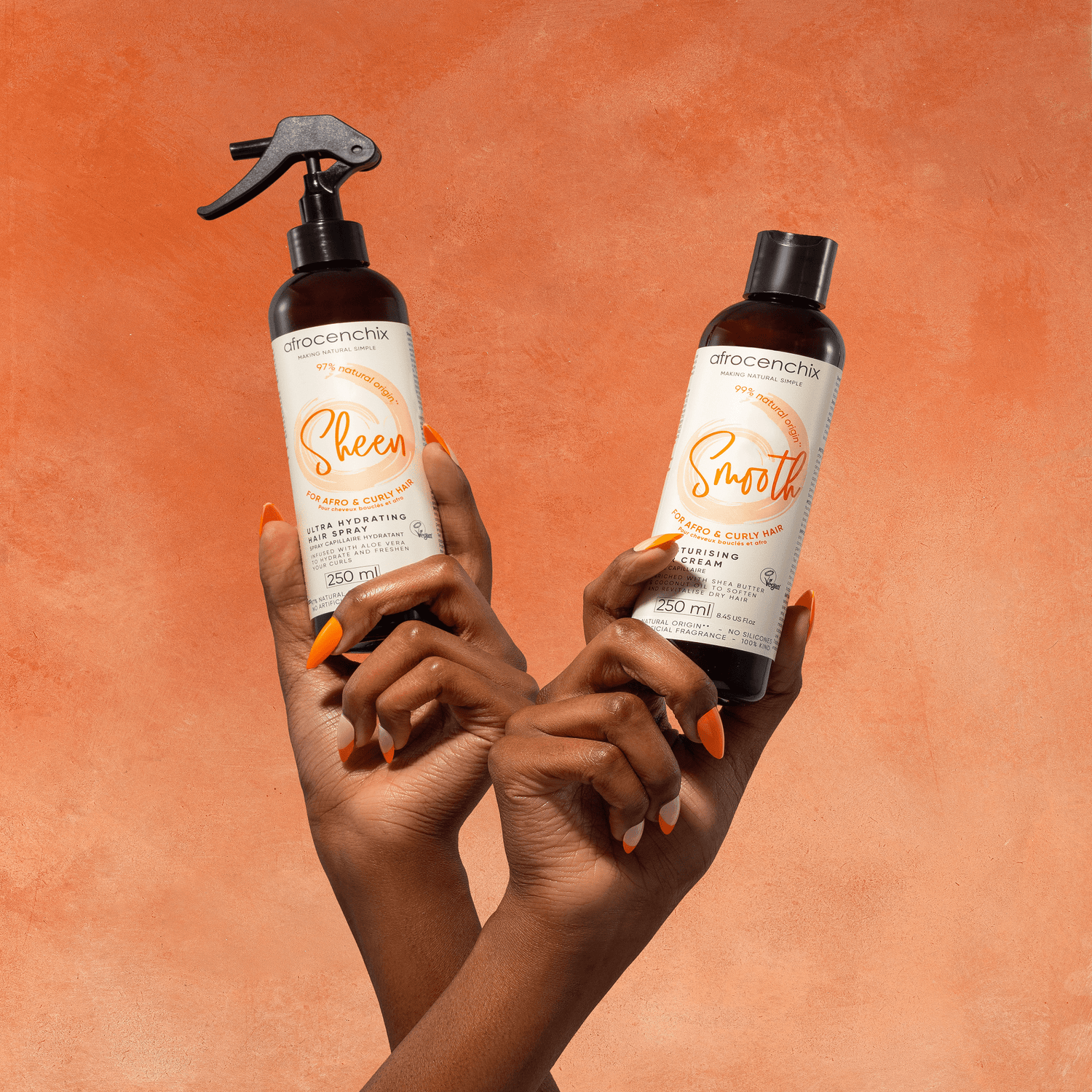
Styling products shape and hold hair styles. They also protect hair from heat and environmental damage. Creams, gels, and butters help define curls and reduce frizz. Choose lightweight formulas that do not cause buildup or stiffness.
Credit: afrocenchix.com
Benefits Of Natural And Organic Products
Choosing natural and organic hair care products can transform how you care for your Afro American hair. These products avoid synthetic additives that often damage hair over time. They offer a gentler, more nourishing approach that respects your hair’s unique texture and needs.
Avoiding Harsh Chemicals
Many conventional hair products contain sulfates, parabens, and silicones that strip your hair of natural oils. These chemicals can cause dryness, breakage, and scalp irritation. Natural and organic products use plant-based ingredients that cleanse without harsh effects, helping your hair retain moisture and strength.
Have you noticed how some shampoos leave your scalp feeling tight or flaky? Switching to chemical-free options can relieve discomfort and promote a healthier scalp environment for growth.
Enhancing Hair Health
Organic oils like coconut, jojoba, and shea butter deeply nourish Afro textured hair. They penetrate the hair shaft, reducing frizz and boosting shine. Unlike synthetic alternatives, these oils support your hair’s natural barrier and improve elasticity.
Using natural products regularly can help you see less breakage and more manageable curls. How often do you check the ingredient list on your hair care products? Choosing items rich in vitamins and antioxidants can make a real difference in your hair’s vitality.
Sustainability And Ethics
Natural and organic products often come from sustainable farming practices that protect the environment. Many brands also commit to cruelty-free testing and fair trade sourcing. Supporting these products means you contribute to ethical beauty standards and a healthier planet.
Would you feel better about your hair care routine if you knew it helped communities and reduced pollution? Opting for these products can align your values with your beauty choices, making each wash feel more rewarding.
Tips For Choosing The Right Products
Choosing the right hair care products is essential for healthy Afro American hair. The right products nourish curls, prevent dryness, and protect hair from damage. It takes careful thought to find what works best.
Knowing how to pick the right items helps keep hair soft, strong, and shiny. This section offers simple tips to guide your choices.
Reading Labels
Look for key ingredients that hydrate and strengthen hair. Natural oils like coconut, jojoba, and shea butter are good signs. Avoid products with sulfates and parabens, as they can dry out hair.
Check for terms like “moisturizing,” “curl defining,” and “damage repair.” These words show the product suits curly or textured hair. Keep an eye on the ingredient list to avoid harsh chemicals.
Matching Products To Hair Needs
Identify your hair type and condition before buying. Dry hair needs extra moisture, so pick deep conditioners and oils. For oily scalp, lighter products like leave-in sprays work well.
Consider your hair goals. Want to reduce frizz? Choose anti-frizz serums. Need volume? Look for lightweight mousses. Tailor your routine to suit your hair’s unique needs.
Patch Testing
Test new products on a small skin area before full use. Apply a tiny amount behind your ear or on your wrist. Wait 24 hours to check for redness or itching.
This step helps avoid allergic reactions and scalp irritation. Patch testing saves your hair and skin from harm and discomfort.
Diy Hair Care Remedies
DIY hair care remedies offer a natural and gentle way to nourish Afro American hair. These remedies use simple ingredients found at home. They help maintain moisture, reduce breakage, and promote healthy growth. Trying these methods can save money and avoid harsh chemicals.
Homemade Masks
Homemade masks provide deep conditioning and hydration. Ingredients like avocado, honey, and yogurt work wonders. They add softness and shine while reducing dryness.
- Mix mashed avocado with honey for a moisturizing mask.
- Use plain yogurt combined with a little olive oil to strengthen hair.
- Apply the mask for 20-30 minutes, then rinse with warm water.
Natural Oils For Scalp And Hair
Natural oils nourish the scalp and protect hair strands. Oils like coconut, castor, and jojoba are popular choices. They help lock in moisture and reduce frizz.
- Massage a few drops of castor oil into the scalp to stimulate growth.
- Apply coconut oil to the ends to prevent split ends.
- Use jojoba oil for a lightweight feel and scalp balance.
Herbal Rinses
Herbal rinses refresh the scalp and improve hair texture. Herbs such as rosemary, chamomile, and nettle have cleansing properties. They soothe irritation and add natural shine.
- Steep rosemary leaves in hot water, cool, and use as a final rinse.
- Use chamomile tea rinse to brighten hair color and calm the scalp.
- Nettle tea rinse can reduce dandruff and strengthen hair roots.
Common Mistakes To Avoid
Taking care of Afro American hair requires attention and the right approach. Many people unknowingly make mistakes that can harm their hair’s natural beauty and health. Avoiding these common errors can help you maintain vibrant, strong, and healthy hair.
Overwashing
Washing your hair too often strips away natural oils that keep it moisturized. Afro American hair tends to be drier, so frequent washing can lead to breakage and frizz.
Try washing your hair once or twice a week instead. This helps maintain moisture and keeps your hair soft. If you feel the need to refresh your hair, consider using a dry shampoo or simply rinsing with water.
Using The Wrong Products
Not all hair care products are created equal, especially for Afro American hair textures. Using products with harsh sulfates or heavy silicones can cause buildup and dryness.
Look for products labeled as sulfate-free and rich in natural oils like shea butter or coconut oil. Have you checked if your current shampoo or conditioner supports moisture retention? Switching to the right product can make a huge difference in your hair’s health.
Ignoring Scalp Health
Your scalp is the foundation of healthy hair, yet it often gets overlooked. A dry or irritated scalp can slow down hair growth and cause dandruff or itching.
Regularly massage your scalp with oils such as jojoba or castor oil to improve blood circulation and keep it hydrated. Are you paying enough attention to your scalp’s condition? Healthy hair starts with a healthy scalp.
Maintaining Healthy Hair Habits
Maintaining healthy hair habits is key to keeping Afro American hair strong, vibrant, and resilient. Your hair needs consistent care that respects its unique texture and moisture requirements. Small daily actions can make a big difference in preventing damage and promoting growth.
Protective Styling
Protective styles shield your hair from daily wear and tear. Styles like braids, twists, and buns reduce manipulation and protect your ends from breaking.
Choose styles that don’t pull too tightly to avoid tension on your scalp. Remember, comfort is just as important as style.
Have you noticed how your hair reacts to different protective styles? Paying attention helps you find what works best for your hair’s health.
Regular Trims
Trimming split ends prevents damage from traveling up the hair shaft. Even if you’re growing your hair out, getting a trim every 6-8 weeks keeps your hair looking fresh and healthy.
Think of trims as a way to reset your hair’s health. You don’t have to lose length to maintain healthy ends.
Try scheduling trims as a regular appointment with yourself—your hair will thank you.
Proper Hydration And Nutrition
Hydration starts from within. Drinking plenty of water helps your scalp stay moisturized and supports hair growth.
Nutritious food fuels your hair. Foods rich in vitamins A, C, and E, as well as proteins and omega-3 fatty acids, strengthen your strands.
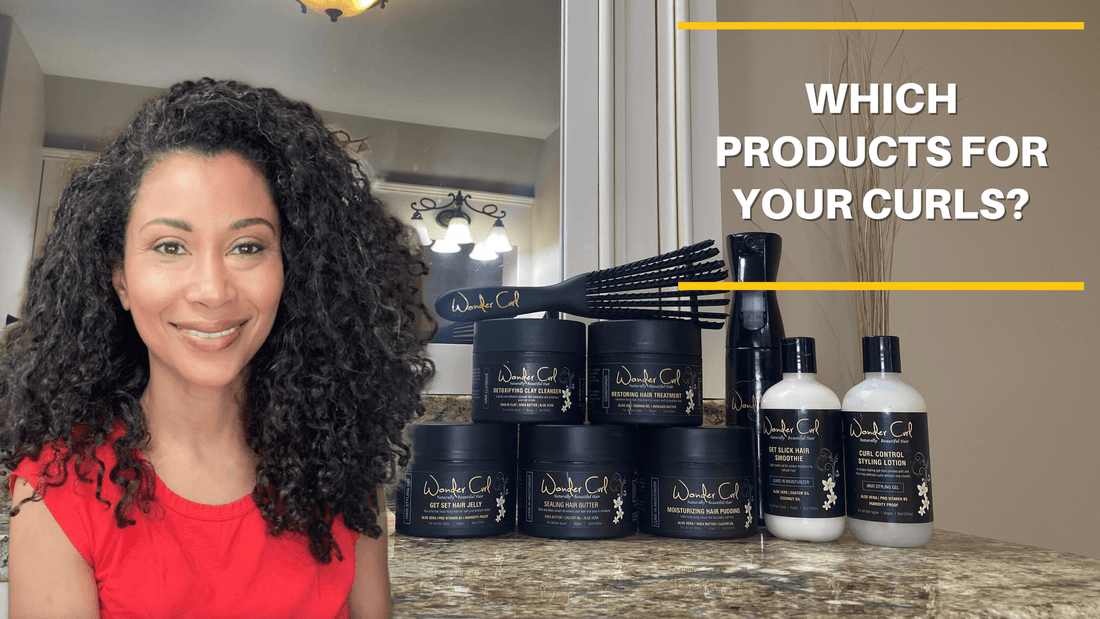
Do you track what you eat and how it affects your hair? Sometimes a small change in diet can lead to noticeable improvements.
Credit: www.wondercurl.com
Frequently Asked Questions
What Are The Best Afro American Hair Care Products?
The best products include moisturizing shampoos, conditioners, and leave-in treatments. Look for ingredients like shea butter, coconut oil, and aloe vera. These nourish and hydrate curly and coily hair textures effectively.
How Often Should Afro American Hair Be Washed?
Washing 1-2 times per week is ideal. This prevents dryness and maintains natural oils. Use sulfate-free shampoos to avoid stripping moisture from hair strands.
Which Ingredients Are Harmful To Afro American Hair?
Avoid products with sulfates, parabens, and alcohol. These can cause dryness and breakage. Opt for natural, hydrating ingredients that strengthen and protect hair instead.
How To Maintain Moisture In Afro American Hair?
Regular deep conditioning and using leave-in conditioners help retain moisture. Seal hair with natural oils like castor or jojoba oil. Protective styles also reduce moisture loss.
Conclusion
Choosing the right Afro American hair care products matters a lot. Healthy hair starts with good care and the right items. Natural ingredients help keep hair strong and shiny. Consistent care brings the best results over time. Everyone’s hair is unique, so find what suits you.
Taking small steps daily improves hair health. Trust your hair’s needs and treat it well. Keep your hair routine simple and effective. Enjoy your hair’s natural beauty every day.
