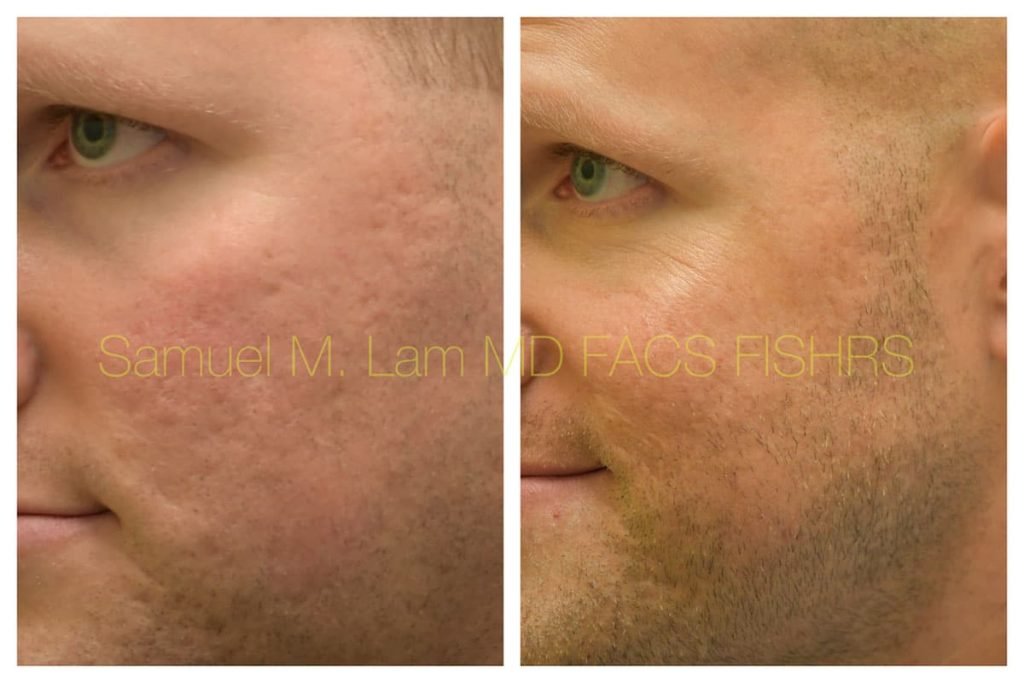
Imagine looking in the mirror and finally seeing smooth, clear skin staring back at you. Acne scars can often feel like a permanent reminder of past battles with breakouts, but the transformation from before to after can be truly remarkable.
Are you tired of trying countless creams and treatments without seeing results? You’re not alone. Many people just like you have embarked on the quest to erase these stubborn marks and reclaim their confidence. In this blog post, we’ll dive into real-life stories and effective solutions that can make a visible difference in your skin.
Discover the secrets behind those jaw-dropping before and after photos and learn how you, too, can achieve the skin of your dreams. Keep reading to uncover the steps to a scar-free complexion.

Credit: www.lamfacialplastics.com
Types Of Acne Scars
Acne scars appear in different forms, and understanding their types can help you choose the best treatment. Each scar type has its own texture and depth, which affects how visible it is and how it responds to healing methods. Knowing what kind of scars you have can give you a clearer idea of what to expect in your acne scars before and after journey.
Ice Pick Scars
Ice pick scars are narrow, deep pits in the skin. They look like small holes, almost as if your skin was pierced with a sharp object. These scars are often the hardest to treat because they extend deep into the skin.
If you’ve struggled with ice pick scars, you might have noticed that over-the-counter creams barely make a difference. Treatments like punch excision or laser therapy often provide better results, helping to smooth the skin significantly.
Boxcar Scars
Boxcar scars have sharp edges and are wider than ice pick scars. They resemble small craters with steep sides and flat bottoms. These scars are common on the cheeks and can make your skin look uneven.
Many find that treatments such as microneedling or chemical peels work well to improve boxcar scars. The key is patience; changes happen gradually, but they can be quite noticeable over time.
Rolling Scars
Rolling scars create a wave-like texture on your skin. They are caused by damage under the surface, pulling the skin down in soft, rounded depressions. These scars can make your skin feel uneven and rough.
Improvement for rolling scars often comes from techniques that stimulate collagen production, like subcision or radiofrequency treatments. Have you tried any methods that helped your skin feel smoother?
Hypertrophic And Keloid Scars
Unlike the other types, hypertrophic and keloid scars are raised above the skin. Hypertrophic scars stay within the injury area, while keloids can grow beyond it. Both can be red, thick, and sometimes itchy.
Treatments include steroid injections and silicone sheets, which help flatten and soften these scars. If you notice raised scars after acne, early treatment can prevent them from becoming larger or more noticeable.
Factors Affecting Scar Appearance
Acne scars vary greatly from person to person. Several factors shape how these scars look after healing. Understanding these factors helps set real expectations for scar improvement.
Scar appearance depends on skin’s natural traits, acne’s intensity, and treatment timing. Each element influences healing and final skin texture.
Skin Type And Tone
Skin type affects scar visibility and healing speed. Oily skin may produce more scars due to clogged pores. Dry skin can cause scars to look rougher or flaky.
Skin tone also matters. Darker skin tones might develop dark spots after acne heals. Lighter skin often shows red or pink scars. Each type needs specific care for best results.
Severity Of Acne
Severe acne causes deeper, more noticeable scars. Large cysts or nodules damage skin layers more. Mild acne usually leaves faint or no scars.
Scars from deep acne take longer to fade. Treatments might need to be stronger or repeated often. Severity guides the choice of scar removal methods.
Duration Before Treatment
How soon treatment starts impacts scar healing. Early care can reduce scar depth and color. Waiting too long may make scars harder to treat.
Immediate action helps skin repair faster. Delayed treatment lets scars settle and become permanent. Prompt skincare improves chances of smoother skin.
Common Treatments For Acne Scars
Acne scars can be stubborn and affect your confidence, but a variety of treatments are available to improve their appearance. Understanding these options can help you choose what fits best with your skin type, budget, and lifestyle. Let’s look at some common treatments that people turn to for clearer, smoother skin.
Topical Creams And Serums
Topical treatments are often the first step in tackling acne scars. Products containing ingredients like retinoids, vitamin C, and alpha hydroxy acids help to promote skin cell turnover and fade discoloration.
Consistency is key here; you might not see changes overnight, but regular use can lighten scars and improve texture. Have you tried any creams that made a noticeable difference in your skin?
Chemical Peels
Chemical peels use acids to remove the top layers of skin, encouraging new, smoother skin to grow. They vary in strength, so a dermatologist can help determine the best peel for your scar type.
One peel can provide subtle improvements, but a series of treatments often yields better results. Are you comfortable with a little downtime for the sake of clearer skin?
Microneedling
This treatment involves tiny needles creating micro-injuries in the skin, which stimulates collagen production. It’s especially effective for depressed or pitted scars.
Many find microneedling less invasive than other procedures, with minimal recovery time. Would you consider this approach if it meant smoother skin without surgery?
Laser Therapy
Laser treatments target scar tissue by removing damaged skin cells and promoting collagen growth underneath. They can be customized based on your scar’s depth and severity.
Results are often quicker compared to topical options, but multiple sessions may be necessary. How much time are you willing to invest in professional treatments for your skin?
Dermal Fillers
Fillers add volume beneath depressed scars, lifting them to the level of surrounding skin. This can offer immediate improvement, making scars less noticeable.
However, fillers are temporary and need to be repeated periodically. Would you prefer a quick fix even if it means regular maintenance?
Surgical Options
For deep or severe scars, surgical methods like punch excision or subcision can physically remove or release scar tissue. These are often combined with other treatments for optimal results.
Surgery carries risks and requires recovery time, but can dramatically change the appearance of scars. Are you ready to consider surgery if it means a more permanent solution?
Before And After: Real Patient Stories
Seeing real patient stories about acne scars before and after treatment can give you hope and clarity about what to expect. These transformations highlight how different scar types respond to various treatments, helping you make informed choices for your skin. Let’s look at real examples that show how mild, moderate, and severe scars have changed over time.
Mild Scars Transformation
One patient with mild acne scars noticed subtle but meaningful improvement after using a consistent skincare routine with gentle exfoliation and vitamin C serums. The scars, initially small and shallow, became less visible within weeks. This shows that even simple treatments can make a visible difference if you stick to them.
Could a few targeted products in your daily routine improve your mild scars without expensive procedures? Many people overlook this option because they expect dramatic changes only from professional treatments.
Moderate Scars Transformation
A patient with moderate scarring combined microneedling sessions with professional chemical peels. After several months, the texture of their skin became smoother, and deeper scars softened noticeably. This combination targeted both collagen production and surface irregularities effectively.
Have you considered pairing treatments to tackle your scars from multiple angles? Sometimes one method alone won’t be enough to get the result you want.
Severe Scars Transformation
Severe acne scars often require more intensive care. One patient underwent laser resurfacing followed by fractional radiofrequency treatments. Over several sessions, their deep pitted scars reduced significantly, and skin tone became more even.
Though these treatments can be costly and require downtime, the results often justify the effort. What level of commitment are you ready to make to see a major transformation in your scars?
Tips For Maintaining Clear Skin Post-treatment
Maintaining clear skin after acne scar treatment requires consistent care. The skin needs gentle attention to stay smooth and healthy. Small daily habits can protect your skin and enhance treatment results. Follow these simple tips to keep your skin clear and fresh after treatment.
Daily Skincare Routine
Cleanse your face twice a day with a mild cleanser. Use lukewarm water to avoid drying out your skin. Apply a gentle moisturizer to keep skin hydrated. Avoid harsh scrubs or strong chemicals that irritate healing skin. Use products suitable for sensitive skin types to prevent breakouts.
Sun Protection
Apply sunscreen every day, even on cloudy days. Use a broad-spectrum sunscreen with at least SPF 30. Reapply sunscreen every two hours when outdoors. Wear hats and sunglasses for extra protection. Sun exposure can darken scars and delay healing.
Healthy Lifestyle Choices
- Drink plenty of water to keep skin hydrated.
- Eat a balanced diet rich in fruits and vegetables.
- Get enough sleep to support skin repair.
- Avoid smoking and limit alcohol consumption.
- Manage stress with relaxation techniques like meditation.
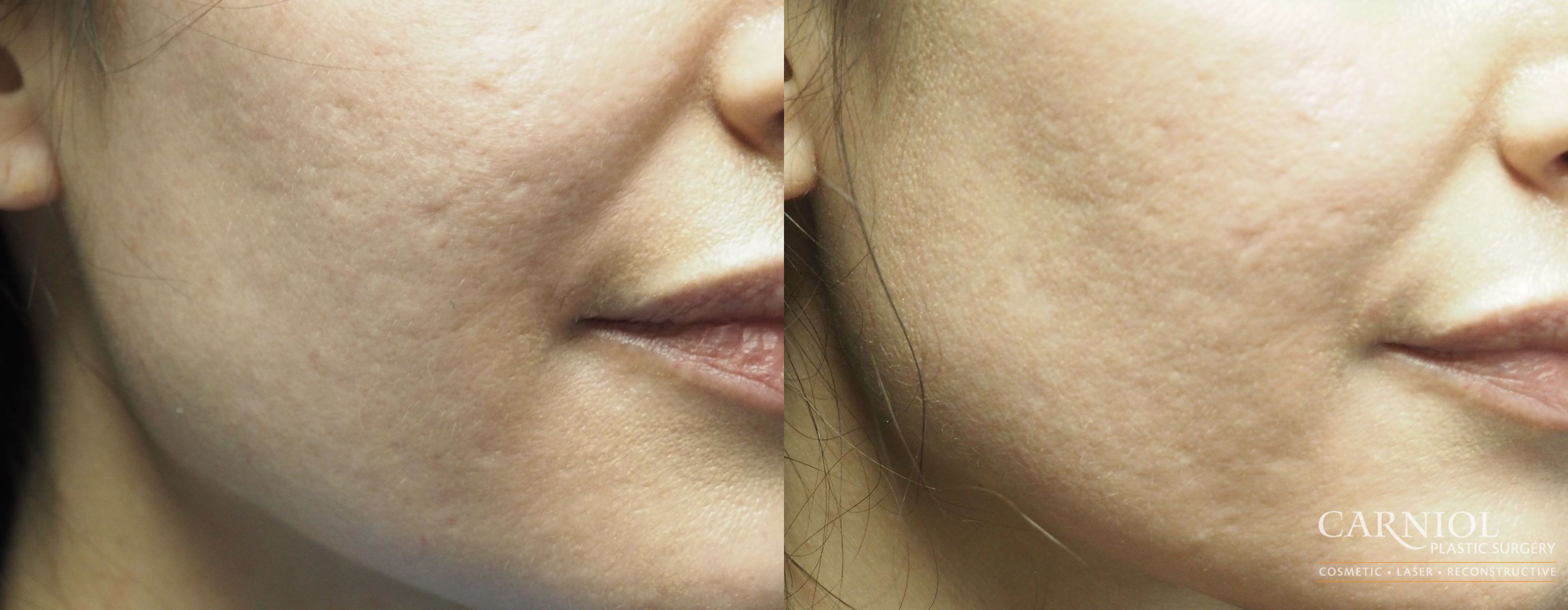
Credit: drcarniol.com
Choosing The Right Treatment For You
Choosing the right treatment for acne scars is key to seeing good results. Each person’s skin and scars are unique. Treatments vary in strength, cost, and recovery time. Understanding these factors helps pick the best option for your needs.
Consulting Dermatologists
Visit a dermatologist to get a professional skin evaluation. They can identify your scar type and recommend suitable treatments. Dermatologists explain the pros and cons of each method. They also check for allergies or skin conditions that affect treatment choices.
Evaluating Treatment Costs
Cost plays a big role in treatment decisions. Some options require multiple sessions, increasing the price. Budget carefully and consider long-term expenses. Ask about payment plans or insurance coverage to ease the financial burden.
Expected Results And Recovery Times
Different treatments deliver varying results and healing periods. Some work faster but may cause redness or swelling. Others take longer but offer gradual improvement with less downtime. Match your lifestyle with the expected recovery to avoid disruptions.

Credit: dermatologyclinics.com.au
Frequently Asked Questions
What Are The Common Treatments For Acne Scars?
Common treatments include laser therapy, chemical peels, microneedling, and dermal fillers. These methods help reduce scar visibility and improve skin texture over time.
How Long Does It Take To See Acne Scars After Treatment?
Results vary by treatment but usually appear within 4 to 12 weeks. Consistency and multiple sessions often enhance scar reduction and skin healing.
Can Acne Scars Fully Disappear With Treatment?
Complete removal is rare, but significant fading is possible. Early and proper treatment improves results and minimizes long-term scar appearance.
What Skincare Routine Helps Prevent Acne Scars?
A gentle cleanser, sunscreen, and moisturizing are key. Avoid picking acne and use products with ingredients like retinoids for healing.
Conclusion
Acne scars can improve with the right care and treatment. Seeing before and after results helps you understand what works best. Consistency is key to achieving clearer, smoother skin. Small steps make a big difference over time. Everyone’s skin heals differently, so stay patient and positive.
Healthy habits support better skin every day. Keep trying and find what fits your needs. Clearer skin is possible with effort and care.
