Are you tired of looking in the mirror and seeing those stubborn acne scars staring back at you? You’re not alone.
Acne scars can be a frustrating reminder of past breakouts, and finding the right solution feels like searching for a needle in a haystack. But don’t worry, there’s hope. Imagine waking up to smoother, clearer skin and feeling confident about your appearance.
The secret lies in choosing the right acne scar treatment products. You’ll discover how these products can transform your skin and boost your self-esteem. Get ready to say goodbye to those pesky scars and hello to a more radiant you! Stay with us to learn which products can make a real difference in your skincare routine.

Credit: www.amazon.com
Causes Of Acne Scars
Acne scars develop when your skin tries to heal itself after an acne breakout. The healing process can sometimes go wrong, leading to scars that stay long after the acne has cleared. Understanding what causes these scars can help you choose the right treatment products and protect your skin better.
Types Of Acne Scars
Not all acne scars look the same. Knowing the type of scar you have can guide your treatment choices.
- Atrophic Scars:These are sunken scars caused by loss of tissue. They include ice pick, boxcar, and rolling scars.
- Hypertrophic Scars:Raised scars that form due to excess collagen during healing.
- Keloid Scars:A more severe type of raised scar that extends beyond the original wound area.
Have you noticed if your scars are raised or sunken? This simple observation can change what products you should use.
Factors Worsening Scars
Several factors can make acne scars worse or more noticeable over time.
- Picking or Squeezing Pimples:This damages the skin further and increases scar risk.
- Delayed Treatment:Ignoring acne or not using proper skincare allows scars to form more deeply.
- Sun Exposure:UV rays darken scars and slow down the healing process.
- Skin Type and Genetics:Some people’s skin is more prone to scarring due to genetics or natural healing responses.
Think about your habits—do you often touch your face or skip sunscreen? Changing these can reduce new scars and improve existing ones.
Key Ingredients To Look For
Choosing the right acne scar treatment products starts with knowing which ingredients truly make a difference. Not all products are created equal, and some ingredients target scars more effectively than others. Understanding what to look for helps you make smarter choices and get better results.
Exfoliants And Acids
Exfoliants help remove dead skin cells, revealing smoother skin underneath. Ingredients like glycolic acid, salicylic acid, and lactic acid are popular because they gently dissolve the bonds between dead cells, promoting faster skin turnover.
Salicylic acid, in particular, is great if you have oily or acne-prone skin—it penetrates pores and clears out impurities. Have you noticed how your skin feels smoother after using a product with alpha hydroxy acids (AHAs)? That’s the exfoliation at work.
Hydrating Agents
Hydration is key to healing and softening scarred skin. Look for ingredients such as hyaluronic acid, glycerin, and ceramides—they attract and lock in moisture.
Dry skin can worsen the appearance of scars. When my skin was flaky from harsh treatments, adding a moisturizer rich in ceramides helped restore my skin’s barrier and made scars less noticeable.
Skin Repairing Compounds
These ingredients support your skin’s natural repair process and boost collagen production. Retinoids, vitamin C, and peptides are powerful options to consider.
Vitamin C not only brightens your skin but also encourages collagen, which can reduce scar depth. Have you tried a serum with peptides? They can speed up healing and improve skin texture over time.
Top Over-the-counter Products
Acne scars can be tough to fade without the right products. Over-the-counter treatments offer many options that help improve skin texture and appearance. These products often include ingredients that boost skin healing and reduce discoloration.
Choosing the right product depends on your skin type and scar severity. Some products work better on certain scars than others. Consistent use is key to seeing visible results over time.
Serums
Serums contain high concentrations of active ingredients. They absorb quickly and target scars deeply. Look for serums with vitamin C, niacinamide, or retinol. These ingredients promote collagen production and brighten dark spots.
- Vitamin C serums help fade discoloration.
- Niacinamide reduces inflammation and redness.
- Retinol encourages skin cell turnover.
Use serums daily for best results. Apply after cleansing and before moisturizing.
Creams And Lotions
Creams and lotions provide hydration and repair. They often include ingredients like hyaluronic acid and peptides. These help smooth skin and improve elasticity. Some creams contain exfoliating acids to gently remove dead skin.
- Hyaluronic acid keeps skin moist and plump.
- Peptides support skin rebuilding.
- Alpha hydroxy acids (AHAs) promote gentle exfoliation.
Apply creams twice daily to keep skin nourished and soft.
Masks And Peels
Masks and peels offer deeper treatment for acne scars. They remove dead skin layers to reveal fresh skin. Ingredients like clay, charcoal, and glycolic acid are common. These help clear pores and smooth rough texture.
- Clay masks absorb oil and impurities.
- Charcoal masks detoxify the skin.
- Glycolic acid peels boost skin renewal.
Use masks or peels once or twice a week to avoid irritation.
:max_bytes(150000):strip_icc()/ins-scar-creams-tested-tout-d53895bfb38d4e8983202a59e95f0c98.jpg)
Credit: www.instyle.com
Prescription Options
Prescription options provide stronger treatments for acne scars. These products often contain active ingredients not found in over-the-counter items. They work deeper in the skin to improve texture and reduce scars. Consulting a dermatologist helps in choosing the right prescription for your skin type and scar severity.
Retinoids
Retinoids are vitamin A derivatives that speed up skin cell turnover. They help fade discoloration and smooth rough skin. Prescription retinoids are stronger than creams sold in stores. Regular use can reduce the appearance of acne scars over time. Some common retinoids include tretinoin, adapalene, and tazarotene. These products may cause dryness or irritation at first. Starting slowly and using moisturizer can help reduce side effects.
Professional Treatments
Professional treatments use prescription-strength products combined with clinical procedures. These include chemical peels, microdermabrasion, and laser therapy. Chemical peels remove the top skin layer, revealing fresher skin beneath. Microdermabrasion exfoliates the surface, improving skin texture. Laser therapy targets deep scars, stimulating collagen production. These treatments often require multiple sessions for best results. A dermatologist can tailor the treatment plan to your skin’s needs.
Natural Remedies With Benefits
Natural remedies for acne scar treatment offer gentle yet effective options that many overlook. These treatments work with your skin’s natural processes, reducing scars without harsh chemicals. Have you ever wondered how simple kitchen ingredients or a few drops of essential oil could transform your skin?
Essential Oils
Essential oils can be powerful allies in fading acne scars. Oils like tea tree, lavender, and rosehip are packed with antioxidants and anti-inflammatory properties. Applying a few diluted drops daily can soothe irritation and promote skin healing.
Rosehip oil, in particular, contains vitamin A and fatty acids that help regenerate skin cells and lighten scars. Lavender oil calms redness and reduces swelling, making your skin look more even. Always do a patch test first to avoid any allergic reactions.
Home Masks And Scrubs
Using natural masks and scrubs at home can exfoliate dead skin and encourage new cell growth. Ingredients like honey, turmeric, and oatmeal are gentle yet effective for treating scars.
- Honey and Turmeric Mask:Mix a teaspoon of honey with a pinch of turmeric. Apply for 15 minutes to reduce inflammation and brighten your skin.
- Oatmeal Scrub:Blend oatmeal with yogurt to create a soft scrub. Use it twice a week to remove dead skin gently and improve texture.
Have you tried a homemade mask that surprisingly worked better than expensive products? Sometimes, the best treatments are right in your pantry.

Credit: www.amazon.com
Tips For Using Scar Treatments
Using acne scar treatment products correctly improves their effects. Simple habits support skin healing and reduce scars. Follow these tips for better results and healthier skin.
Application Techniques
Clean your skin before applying any product. Use gentle, circular motions to spread the treatment. Avoid rubbing too hard; this can irritate your skin. Apply a thin layer to let your skin absorb the product well. Use clean hands or a cotton pad for hygiene. Target only the scarred areas to save product and avoid waste.
Consistency And Patience
Apply the treatment regularly, as the product instructions say. Scar healing takes time, sometimes several weeks or months. Skipping days slows progress and may reduce benefits. Set a daily routine to remember application easily. Keep realistic expectations about how fast scars fade. Patience is key for noticeable, lasting improvements.
Avoiding Irritation
- Do not mix too many products on your skin at once.
- Avoid harsh scrubs or strong chemicals near treated areas.
- Use sunscreen daily to protect healing skin from sun damage.
- Stop use if redness, burning, or swelling appear.
- Consult a dermatologist if irritation continues or worsens.
Preventing Future Scars
Preventing future acne scars is key to maintaining smooth, healthy skin. Treating acne properly and protecting skin from damage can reduce the risk of scars. Taking simple daily steps helps skin heal better and stay clear.
Proper Acne Care
Cleaning skin gently twice a day removes dirt and oil. Avoid harsh scrubbing that irritates skin and worsens acne. Use acne treatments with ingredients like salicylic acid or benzoyl peroxide. These help clear pimples faster and reduce inflammation.
Do not pick or squeeze pimples. This causes deeper skin damage and leaves scars. Keep hands away from the face to prevent spreading bacteria. Moisturize skin to keep it balanced and healthy.
Sun Protection
Sun exposure darkens acne scars and slows healing. Use a broad-spectrum sunscreen with at least SPF 30 every day. Apply sunscreen even on cloudy days and reapply every two hours outdoors.
Wear hats and seek shade during peak sun hours. Protecting skin from UV rays helps scars fade faster. It also prevents new marks from forming after acne clears.
Frequently Asked Questions
What Are The Best Products For Acne Scar Treatment?
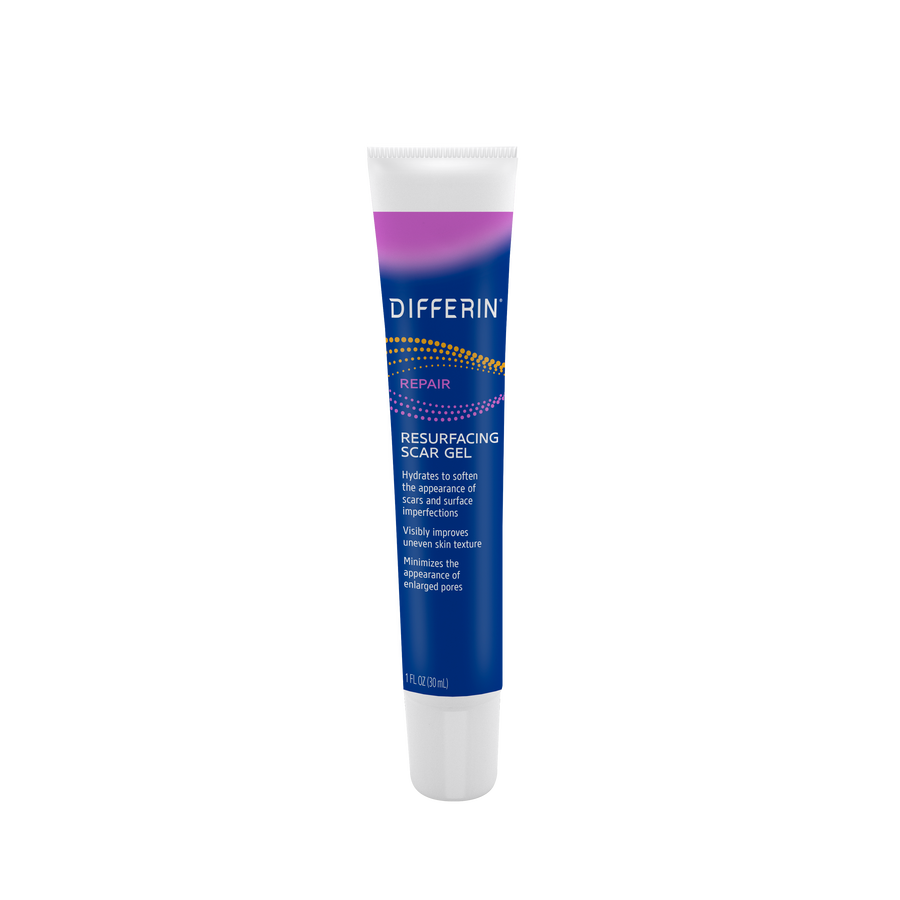
Top acne scar treatments include retinoids, vitamin C serums, and silicone gels. These products promote skin regeneration and fade scars effectively. Consistent use improves texture and tone, reducing scar visibility over time.
How Long Does Acne Scar Treatment Take To Work?
Acne scar treatments typically show results in 4 to 12 weeks. Consistent application and skin type affect healing speed. Patience and proper skincare are key for noticeable scar fading.
Can Acne Scar Treatment Products Prevent Future Scars?
Yes, many acne scar products contain ingredients that reduce inflammation and promote healing. Using them early can minimize new scar formation. Combining treatment with acne prevention improves overall skin health.
Are Natural Acne Scar Treatments Effective?
Natural treatments like aloe vera and honey have mild healing properties. They may reduce redness and soothe skin but often work slower than medical products. For deeper scars, clinical treatments are more effective.
Conclusion
Acne scars can affect your confidence and skin health. Choosing the right treatment product helps improve skin texture. Consistent use and patience bring the best results. Remember to read labels and choose products for your skin type. Simple care routines make a big difference over time.
Clearer, smoother skin is possible with the right approach. Keep your expectations realistic and stay committed. Your skin deserves gentle and effective care daily.