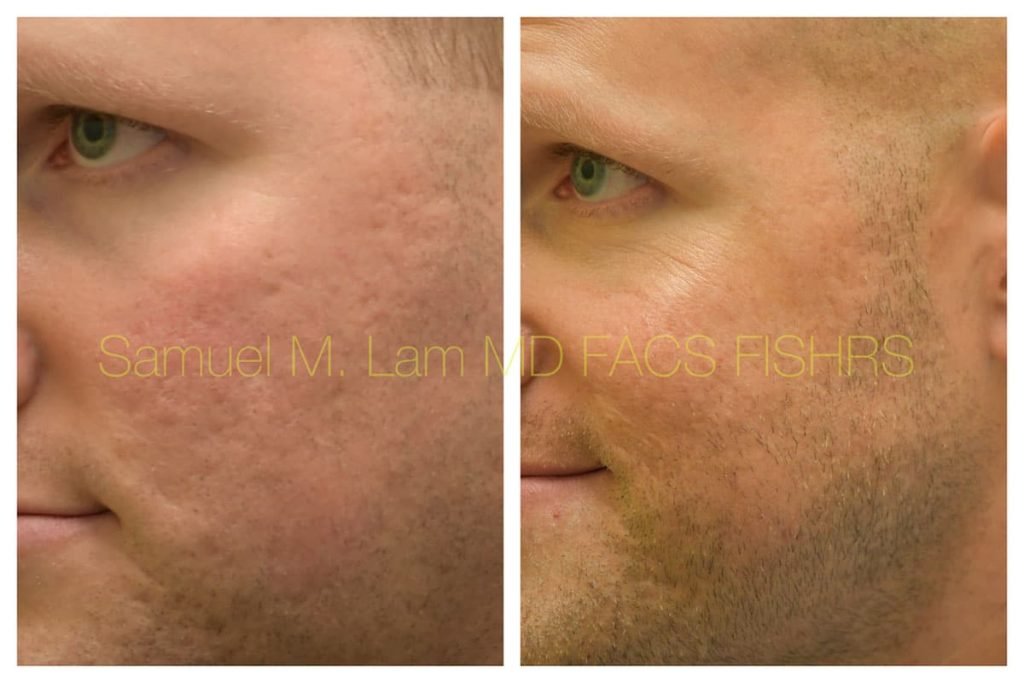
Imagine waking up and feeling confident in your skin, ready to face the world without a second thought about your complexion. That’s the dream, right?
But if you’re dealing with acne scars, that dream might feel just out of reach. You’ve likely tried countless products and remedies, hoping for a solution that finally works. Seeing is believing, and that’s where acne scar before and after photos come into play.
These images don’t just show change; they offer hope and a glimpse into what’s possible for your skin. As you scroll through this article, you’ll uncover stories of transformation that could mirror your own journey. Ready to see how real people achieved real results? Keep reading to discover the visual proof that change is possible.
Types Of Acne Scars
Understanding the types of acne scars is key to recognizing what treatment might work best for your skin. Each scar type has unique characteristics that affect its appearance and how it responds to care. Knowing these differences can help you set realistic expectations when you look at acne scar before and after photos.
Ice Pick Scars
Ice pick scars look like small, deep holes in the skin. They are narrow but go deep into the dermis, making them tricky to treat. You might notice these scars after a severe breakout that leaves behind sharp, pitted marks.
Do you find that these scars catch shadows and make your skin look uneven? Treatments like punch excision or laser resurfacing often show good improvement in before and after photos.
Boxcar Scars
Boxcar scars are wider than ice pick scars and have well-defined edges. They create a crater-like appearance, often seen on the cheeks and temples. These scars can give your skin a rough texture that’s visible even from a distance.
Many people see noticeable changes in boxcar scars after microneedling or chemical peels. Have you noticed how lighting affects the visibility of these scars in your photos?
Rolling Scars
Rolling scars create a wave-like texture on the skin. They are caused by damage under the skin’s surface, pulling it down unevenly. This makes the skin look bumpy rather than pitted.
Improvement in rolling scars often requires treatments that stimulate collagen, like subcision or radiofrequency. What changes do you spot in your before and after photos when collagen-building methods are used?
Hypertrophic Scars
Unlike the other types, hypertrophic scars are raised above the skin’s surface. They form due to excess collagen after acne heals. These scars can feel firm and sometimes itchy or painful.
Silicone sheets, steroid injections, and laser therapy can reduce the size and redness of hypertrophic scars. When you compare your before and after photos, do you see a decrease in the scar’s height or color?

Credit: www.lamfacialplastics.com
Popular Treatments
Acne scars can affect confidence and skin texture. Many people seek treatments to reduce their appearance. Popular treatments vary in technique and results. They target scars differently based on skin type and scar depth. Seeing before and after photos helps understand these treatments better.
Laser Therapy
Laser therapy uses focused light to remove damaged skin layers. It stimulates collagen production, improving skin texture. Results show smoother skin and reduced scar visibility. Sessions are quick but may require downtime. Best for deep scars and uneven skin.
Microneedling
Microneedling creates tiny skin punctures to trigger healing. This encourages new collagen and skin growth. It improves scar texture with minimal discomfort. Multiple sessions enhance results over time. Suitable for mild to moderate scars.
Chemical Peels
Chemical peels remove the outer skin layer using acids. This process reveals fresher, smoother skin underneath. Peels vary in strength for different scar types. They improve skin tone and reduce shallow scars. Recovery time depends on peel depth.
Dermal Fillers
Dermal fillers lift depressed scars by adding volume under the skin. Results are immediate and last several months. Fillers smooth out uneven skin surfaces effectively. They are less invasive and require little recovery time. Ideal for rolling and boxcar scars.
Before And After Insights
Before and after photos of acne scars offer clear proof of what treatments can do. These images show real changes on real skin. They help set honest expectations and inspire confidence.
Seeing progress through photos makes the journey easier. It shows how skin heals step by step. These insights help anyone considering acne scar treatment.
What To Expect
Acne scar treatment results vary. Expect gradual improvement, not instant change. Some scars fade faster than others. Skin texture smooths over time. Redness and discoloration lessen with patience. Multiple sessions might be needed for best results. Healing can cause temporary redness or peeling.
Real Patient Stories
Patients share their honest experiences. Many report feeling more confident after treatment. Some talk about managing expectations. They note how consistent care helped them. Stories often mention both struggles and wins. Real accounts show the journey is personal and unique.
Transformation Timelines
Timelines differ based on scar type and treatment. Some improvements appear within weeks. Deeper scars may take months to fade. Regular follow-ups speed up progress. Photos track changes over days, weeks, and months. Patience is key to seeing full transformation.

Credit: dermatologyclinics.com.au
Choosing The Right Treatment
Choosing the right treatment for acne scars can be challenging. Many factors affect how well a treatment works. Understanding these factors helps you pick the best option for your skin and lifestyle.
Skin Type Considerations
Different skin types react differently to treatments. Oily skin may benefit from treatments that reduce oil production. Dry skin needs gentle methods that avoid irritation. Sensitive skin requires mild treatments to prevent redness. Knowing your skin type guides safe and effective choices.
Severity Of Scars
Scars vary from mild marks to deep indentations. Mild scars often improve with topical creams and light treatments. Moderate scars may need chemical peels or microdermabrasion. Severe scars might require laser therapy or microneedling. Matching treatment intensity to scar severity ensures better results.
Budget And Time
Treatment costs and time commitment differ widely. Some treatments are affordable and quick but offer subtle changes. Others need multiple sessions and higher costs but show dramatic improvement. Balancing your budget and schedule helps maintain consistent care and satisfaction.
Maintaining Results
Seeing dramatic improvements in acne scars through before and after photos can be incredibly motivating. But the real challenge lies in maintaining those results over time. Consistency and care are key to keeping your skin looking its best after treatment.
Skincare Routine
Your daily skincare routine plays a huge role in preserving the improvements you’ve achieved. Use gentle cleansers that don’t strip your skin’s natural oils, and add products with ingredients like hyaluronic acid or ceramides to boost hydration.
Retinoids can also help by promoting skin cell turnover, but start slowly to avoid irritation. Have you noticed how your skin reacts differently to products now compared to before your treatment? Paying attention to these changes helps you adjust your routine effectively.
Sun Protection
Sun exposure can darken scars and slow healing. Wearing a broad-spectrum sunscreen every day, even when it’s cloudy, is non-negotiable if you want to maintain your results.
Look for sunscreens with at least SPF 30 and ingredients like zinc oxide for better protection. Don’t forget to reapply every two hours if you’re outside. Have you considered how much time you spend in the sun daily? Adjust your protection habits accordingly.
Follow-up Care
Regular follow-up visits with your dermatologist or skincare professional ensure your skin stays on track. They can recommend touch-up treatments or adjust your skincare products based on how your skin responds.
Sometimes, small tweaks can prevent scars from worsening or new ones from forming. Are you scheduling follow-ups as part of your skin care plan? It’s one of the best ways to safeguard your progress.
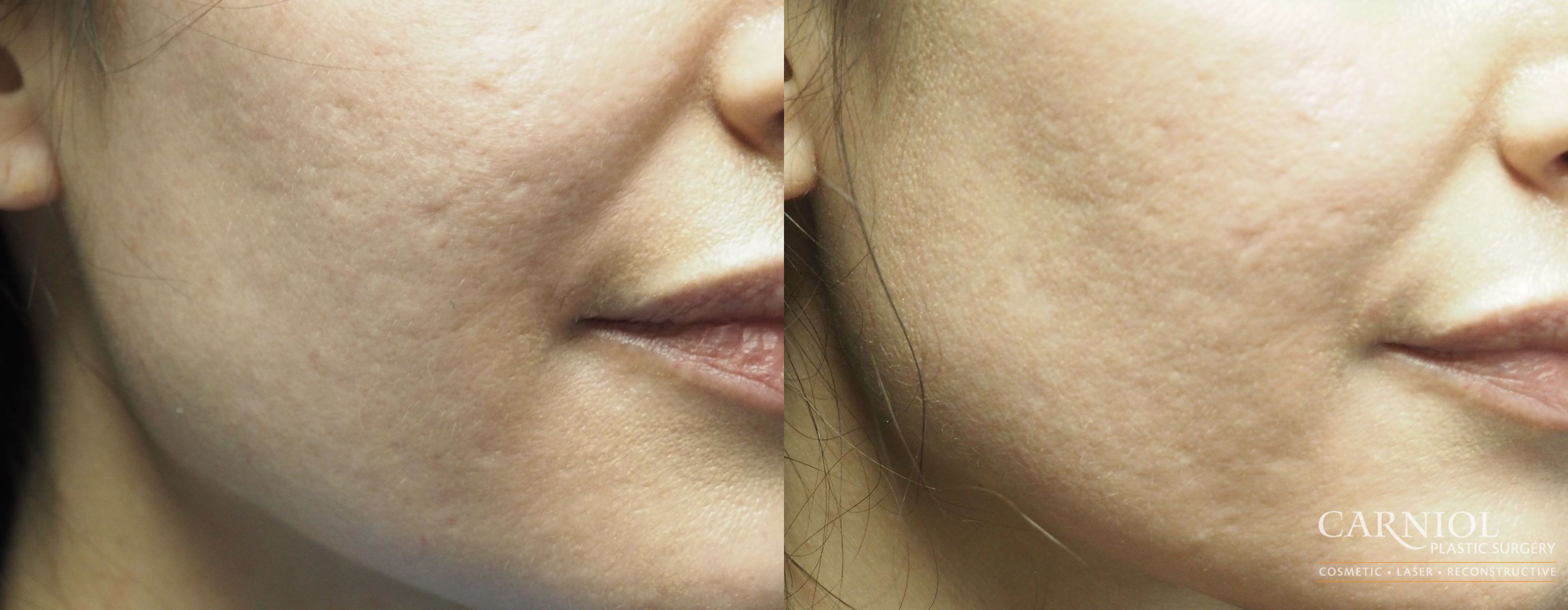
Credit: drcarniol.com
Frequently Asked Questions
What Do Acne Scar Before And After Photos Show?
Acne scar before and after photos illustrate skin improvements after treatments. They help visualize effectiveness and set realistic expectations. These images guide patients and professionals in choosing the best acne scar removal methods.
How Effective Are Acne Scar Treatments Shown In Photos?
Photos demonstrate that many treatments significantly reduce acne scars. Results vary by scar type and skin condition. Consistent care and professional advice boost treatment success and visible improvement.
Can Before And After Photos Predict My Scar Healing?
Photos provide a general idea but don’t guarantee exact results. Individual healing depends on scar severity, skin type, and treatment method. Consult a dermatologist for personalized assessment and realistic outcome predictions.
Why Should I Trust Acne Scar Before And After Photos?
Trusted photos come from reputable clinics or verified sources. They use consistent lighting, angles, and timeframes for accuracy. Always verify photo authenticity before relying on treatment claims.
Conclusion
Acne scar before and after photos show real changes clearly. They help you see what treatments can do. Each person’s skin reacts in its own way. Patience and care matter most during healing. Small steps bring better skin over time.
Keep realistic hopes and stay consistent with your routine. These images inspire and guide many on their skin journey. Remember, progress is often slow but always worth it. Trust the process and celebrate every improvement you notice.
