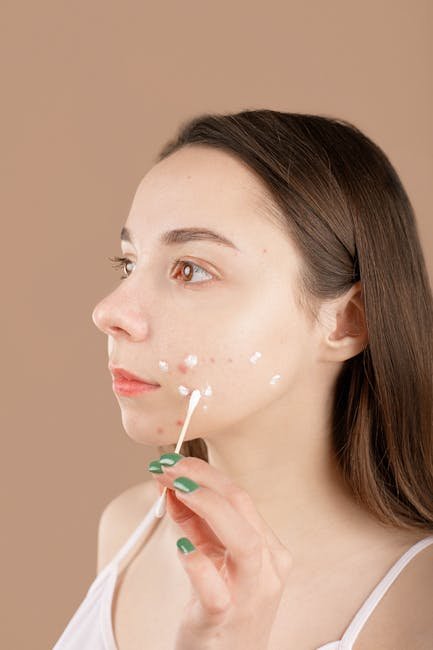
Are you tired of battling acne scars that refuse to fade away? You’re not alone.
Countless individuals seek solutions to smooth their skin and regain their confidence. What if the answer lies in a vitamin that’s already a staple in many of our diets? Enter Vitamin C, a powerhouse nutrient that holds the potential to transform your skin.
With its impressive ability to brighten and heal, Vitamin C might just be the secret weapon you’ve been searching for. Curious to learn how this remarkable vitamin can help diminish those stubborn scars? Read on to discover the science-backed benefits of Vitamin C for acne scars and how you can incorporate it into your skincare routine for visible results.
Role Of Vitamin C In Skin Healing
Vitamin C plays a vital role in healing skin damaged by acne scars. It supports the skin’s natural repair processes and improves overall skin health. This essential nutrient helps rebuild skin structure and protects against further damage. Understanding how Vitamin C aids skin healing can help manage acne scars more effectively.
How Vitamin C Boosts Collagen
Collagen is a protein that gives skin strength and elasticity. Vitamin C helps the body produce collagen faster. It activates enzymes needed for collagen synthesis. More collagen means quicker repair of damaged skin. This process reduces the appearance of acne scars and smooths the skin’s surface.
Vitamin C As An Antioxidant
Vitamin C acts as a powerful antioxidant. It fights free radicals that harm skin cells. Free radicals come from pollution, sun exposure, and stress. By neutralizing them, Vitamin C prevents further skin damage. This protection supports healthier, clearer skin over time.
Impact On Skin Regeneration
Vitamin C promotes faster skin regeneration. It helps new skin cells grow and replace old, damaged ones. This renewal process improves skin texture and tone. Regular use of Vitamin C can reduce redness and lighten dark spots left by acne scars.

Credit: clearstem.com
Types Of Vitamin C Products
Vitamin C products come in many forms. Each type works differently on acne scars. Choosing the right product helps improve skin texture and tone faster. Understanding the forms and strengths aids your decision.
Serums Vs Creams
Serums contain high levels of vitamin C. They absorb quickly into the skin. Serums feel light and are ideal for oily skin. Creams have a thicker texture. They provide extra moisture and suit dry skin better. Both can reduce scars but serve different skin types.
Topical Vs Oral Supplements
Topical vitamin C applies directly to the skin. It targets scars and brightens skin tone. Oral supplements work from inside. They support skin health overall. Topical use shows quicker results for scars. Supplements help improve skin but need more time.
Choosing The Right Concentration
Vitamin C products come in different strengths. Low concentration (around 5%) is gentle for sensitive skin. Medium strength (10-15%) suits most skin types. High concentration (20% or more) offers strong effects but may irritate. Start with lower doses to test skin response.
Applying Vitamin C For Acne Scars
Applying vitamin C to acne scars can be a game changer in your skincare routine. This powerful antioxidant helps brighten the skin, reduce inflammation, and promote collagen production. However, to see real improvement, how you apply vitamin C matters just as much as using it.
Best Practices For Application
Start with a clean face to allow vitamin C to penetrate your skin effectively. Use a gentle cleanser that won’t strip your skin’s natural oils or irritate sensitive areas.
Apply a few drops of vitamin C serum directly onto the scars or affected areas. Gently pat the serum with your fingertips instead of rubbing it in, which can cause irritation.
Wait a few minutes before adding moisturizer or sunscreen to give the serum time to absorb fully. This simple step improves the serum’s effectiveness.
Combining With Other Treatments
Vitamin C works well alongside other treatments but watch out for combinations that might irritate your skin. Avoid using vitamin C with strong acids like glycolic or salicylic acid in the same routine.
Pairing vitamin C with niacinamide or hyaluronic acid can boost hydration and skin barrier repair. These combos can enhance your skin’s healing process and reduce redness around scars.
Have you ever noticed your skin reacting badly when mixing products? It’s worth patch testing new combinations to protect your skin from unnecessary irritation.
Timing And Frequency
Vitamin C is best applied in the morning because it protects your skin from free radicals and UV damage throughout the day. Applying it before sunscreen maximizes its antioxidant benefits.
Start using vitamin C serum once a day, and if your skin tolerates it well, you can increase to twice daily. Overusing may cause dryness or sensitivity, so listen to your skin’s response.
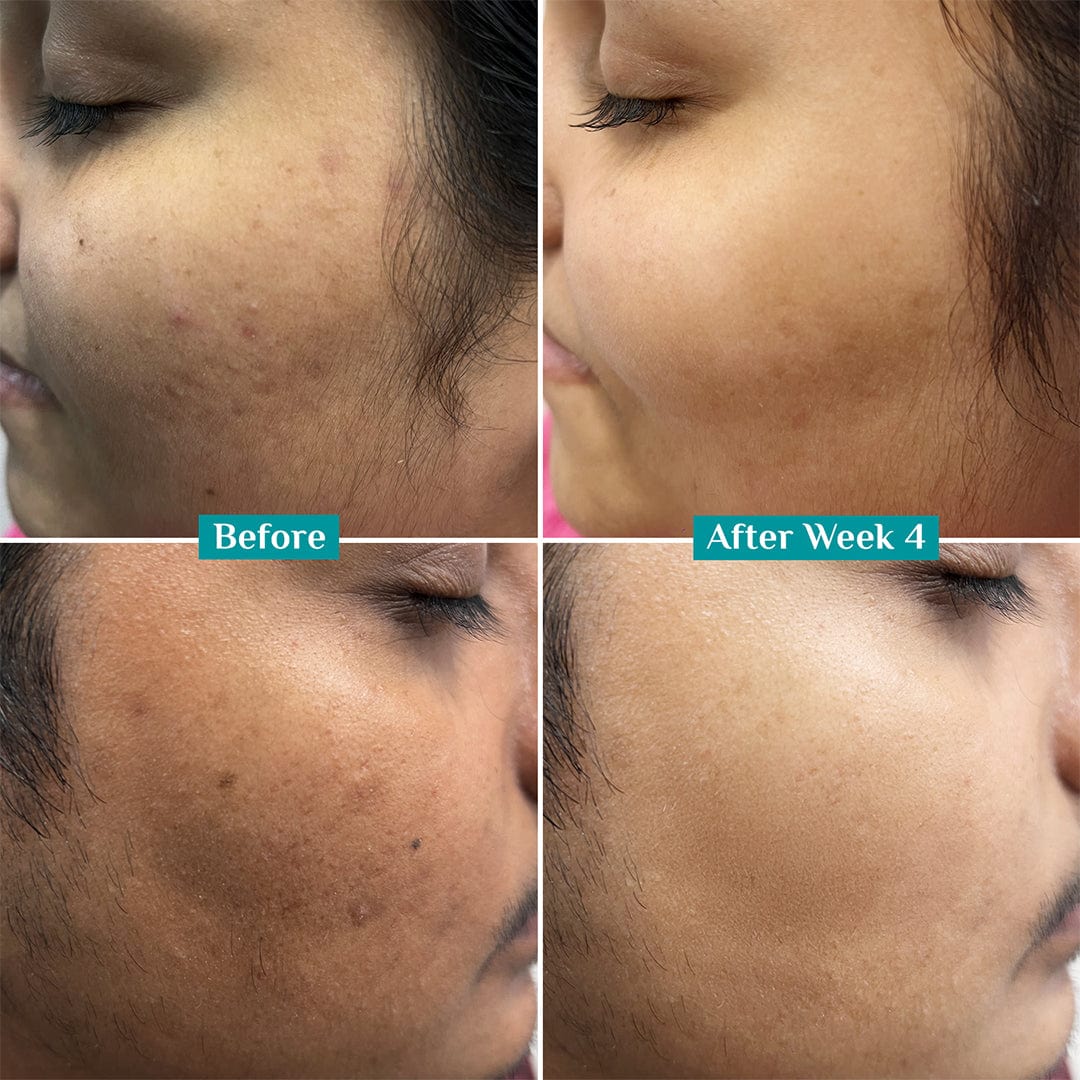
Consistency is key—improvements in acne scars often take several weeks to become visible. Are you ready to commit to a daily routine that your skin will thank you for?
Credit: discoverpilgrim.com
Natural Sources Of Vitamin C
Vitamin C is a powerful nutrient that plays a key role in healing acne scars. You can boost your skin’s repair process by eating foods naturally rich in this vitamin. Let’s look at some natural sources that can help your skin glow and fade scars effectively.
Fruits Rich In Vitamin C
Fruits are some of the best sources of vitamin C. Oranges and kiwis often come to mind, but there are plenty of others that pack a punch.
- Strawberries:Just one cup provides about 100% of your daily vitamin C needs.
- Guava:This tropical fruit contains four times more vitamin C than an orange.
- Pineapple:Besides vitamin C, it has enzymes that help reduce inflammation.
- Mango:A tasty way to get your vitamin C while also benefiting from vitamin A.
Have you ever tried blending these fruits into a fresh smoothie? It’s a delicious way to boost your skin from the inside out.
Vegetables For Skin Health
Don’t overlook vegetables—they offer plenty of vitamin C and other nutrients that support skin healing. Bell peppers, especially the red and yellow ones, are loaded with vitamin C.
- Broccoli:This veggie is great for collagen production, which helps repair skin scars.
- Brussels sprouts:They contain antioxidants that fight skin damage.
- Spinach:Rich in vitamin C and iron, it nourishes your skin deeply.
Adding raw or lightly steamed vegetables to your meals can make a big difference in your skin’s recovery. How often do you include these colorful veggies in your daily plate?
Incorporating Foods Into Diet
Getting enough vitamin C from your diet doesn’t have to be complicated. Try starting your day with a fruit salad or a glass of fresh orange juice.
Snack on bell pepper slices or carrot sticks instead of processed snacks. Adding a handful of spinach or broccoli to your stir-fries or pasta dishes is another easy trick.
Do you notice how small changes in your meals can improve your skin’s texture? Consistency is key—make these foods a regular part of your routine to see real results.
Benefits Beyond Scar Reduction
Vitamin C is famous for fading acne scars, but its benefits don’t stop there. This powerful nutrient offers multiple advantages that improve your skin’s health and appearance in ways you might not expect. Understanding these benefits can help you get more from your skincare routine.
Brightening Dull Skin
Vitamin C acts as a natural brightener by reducing the dullness caused by dead skin cells and environmental damage. It helps to lighten dark spots and uneven patches, giving your skin a fresh, radiant glow.
Have you noticed your complexion looking tired or lackluster after long days? Adding Vitamin C can refresh your skin’s vibrancy and boost your confidence.
Reducing Inflammation
Acne often leaves your skin inflamed and irritated. Vitamin C contains anti-inflammatory properties that calm redness and swelling, making your skin feel more comfortable and less sensitive.
If you struggle with occasional breakouts or redness, Vitamin C can soothe your skin while you heal, supporting a smoother recovery.
Enhancing Overall Skin Tone
Vitamin C helps even out your skin tone by inhibiting excess melanin production. This means fewer blotches and a more uniform complexion over time.
Imagine waking up to skin that looks balanced and healthy every day. Consistent use of Vitamin C can help you achieve that, improving your skin’s texture and clarity.
Potential Side Effects And Precautions
Vitamin C is a popular choice for reducing acne scars, but like any skincare ingredient, it comes with potential side effects and precautions. Understanding these risks helps you use it safely and effectively. Paying attention to how your skin reacts can prevent discomfort and unwanted results.
Skin Sensitivity Issues
Vitamin C, especially in high concentrations, can make your skin more sensitive. You might notice redness, stinging, or mild burning after application. This happens because Vitamin C is acidic and can disrupt your skin’s natural barrier if overused.
To avoid this, start with a lower concentration and apply it every other day. If your skin feels irritated, reduce the frequency or switch to a gentler formula. Have you noticed your skin becoming more sensitive to sunlight or other products after using Vitamin C?
Allergic Reactions
Though rare, some people can develop allergic reactions to Vitamin C products. Symptoms include itching, swelling, or hives at the application site. These reactions usually appear quickly, so it’s important to stop using the product immediately if you experience any of these signs.
Performing a patch test before fully applying Vitamin C can save you from an unpleasant surprise. Apply a small amount on your wrist or behind your ear and wait 24 hours to check for any adverse reaction. Have you ever skipped this step only to regret it later?
Consulting A Dermatologist
Your skin is unique, and what works for one person may not work for you. Consulting a dermatologist ensures Vitamin C fits well into your skincare routine without causing harm. They can recommend the right concentration and combination with other treatments for best results.
Especially if you have sensitive skin, eczema, or other conditions, professional advice is crucial. Have you ever tried a product that didn’t suit your skin and wished you had asked an expert first?
Combining Vitamin C With Other Remedies
Combining Vitamin C with other skincare remedies can significantly boost the healing of acne scars. Vitamin C works well alongside specific products, enhancing your skin’s texture and brightness. However, knowing the right combinations and how to use them safely is key to seeing real results.
Vitamin C And Sunscreen
Using Vitamin C with sunscreen is a powerful duo for protecting and repairing your skin. Vitamin C helps neutralize free radicals caused by sun exposure, while sunscreen blocks harmful UV rays. Applying Vitamin C serum in the morning followed by sunscreen can reduce the risk of scars darkening and prevent new marks from forming.
Have you noticed your scars look worse after sun exposure? Adding sunscreen to your routine with Vitamin C might be the missing step to keep your skin calm and even-toned.
Pairing With Retinoids
Retinoids speed up skin cell turnover, which can make Vitamin C’s brightening effects more noticeable. But both can be strong, so it’s important to introduce them gradually to avoid irritation. Try applying Vitamin C in the morning and retinoids at night to get the best of both without overwhelming your skin.
Many people see smoother, clearer skin by combining these two, but have you checked how your skin reacts? If you experience redness or peeling, slow down and give your skin time to adjust.
Using With Exfoliants
Exfoliants remove dead skin cells, helping Vitamin C penetrate deeper and work more effectively on scars. Using gentle exfoliants like lactic acid or enzymes a few times a week can boost your Vitamin C routine. Avoid harsh scrubs that might irritate your skin and worsen scars.
Do you exfoliate regularly but still don’t see improvement? Pairing exfoliation with Vitamin C might be the step that transforms your skin texture and clarity.

Credit: foxtale.in
Success Stories And Clinical Evidence
Vitamin C has gained attention for its potential to improve acne scars. Many people have shared positive results after using it. Scientific studies also support its benefits. This section explores real case studies, research findings, and user testimonials. It shows how Vitamin C can help fade scars and improve skin texture.
Case Studies
Several case studies highlight Vitamin C’s effect on acne scars. In one study, patients applied Vitamin C serum daily for three months. Most showed noticeable scar fading and smoother skin. Another case involved combining Vitamin C with other treatments. The combination improved skin healing and reduced redness faster.
Research Findings
Research confirms Vitamin C’s role in skin repair. It boosts collagen production, vital for scar healing. Studies show Vitamin C reduces inflammation and lightens dark spots. Clinical trials found that topical Vitamin C improves skin tone and texture. It also protects skin from damage caused by free radicals.
User Testimonials
- “My acne scars became less visible after weeks of Vitamin C use.”
- “Vitamin C serum helped even out my skin tone and fade scars.”
- “I noticed my scars were softer and less red with daily Vitamin C.”
- “Using Vitamin C made my skin look healthier and smoother.”
These testimonials show real people benefit from Vitamin C treatments. Consistent use can lead to clearer, brighter skin over time.
Frequently Asked Questions
What Benefits Does Vitamin C Offer For Acne Scars?
Vitamin C boosts collagen production, helping to heal acne scars faster. It also reduces inflammation and lightens dark spots, improving skin texture and tone.
How Should I Apply Vitamin C For Best Results?
Apply Vitamin C serum on clean, dry skin once or twice daily. Use sunscreen during the day, as Vitamin C can increase sun sensitivity.
Can Vitamin C Completely Remove Acne Scars?
Vitamin C helps fade acne scars but may not completely remove them. Consistent use improves skin appearance over time, especially combined with other treatments.
Are There Any Side Effects Of Vitamin C On Skin?
Vitamin C is generally safe but can cause mild irritation or redness. Always do a patch test before full application to avoid allergic reactions.
Conclusion
Vitamin C helps fade acne scars by boosting skin healing. It also brightens dull skin and evens skin tone. Use products with vitamin C regularly for best results. Be patient; healing takes time and care. Pair vitamin C with sunscreen to protect your skin.
Always test new products to avoid irritation. Healthy skin needs gentle care and good habits. Clearer skin is possible with consistent vitamin C use. Give your skin the chance to renew and glow.