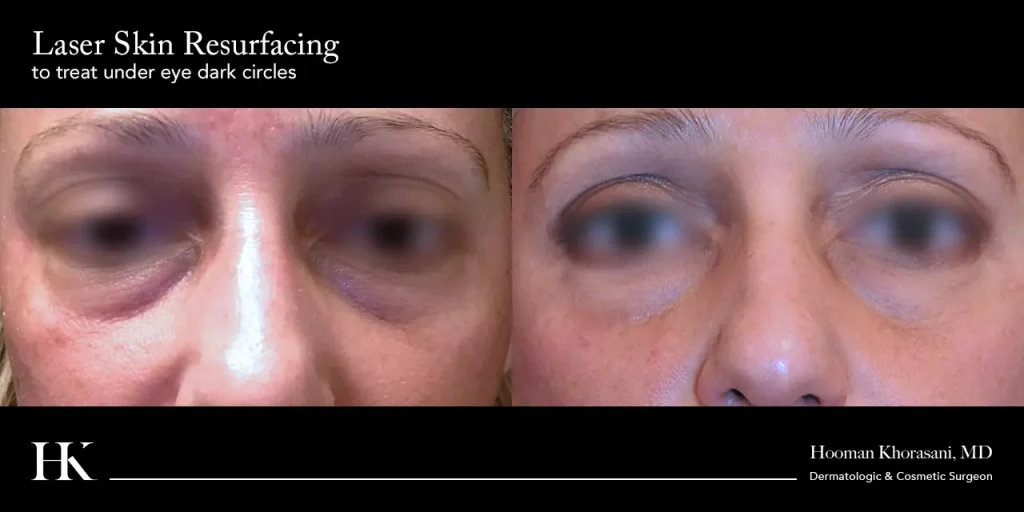
Are you tired of looking in the mirror and seeing dark circles under your eyes that make you appear constantly tired or older than you feel? You’re not alone.
Many people struggle with this common beauty concern, and while creams and home remedies can offer some relief, they often fall short of delivering lasting results. If you’ve tried it all and are still searching for a solution, it might be time to consider a more effective approach: surgery.
In this post, we’ll explore everything you need to know about surgical treatments for dark circles under your eyes. We promise to provide you with clear, straightforward information to help you decide if this option is right for you. Stick with us, and you’ll uncover the secrets to brighter, more youthful-looking eyes.
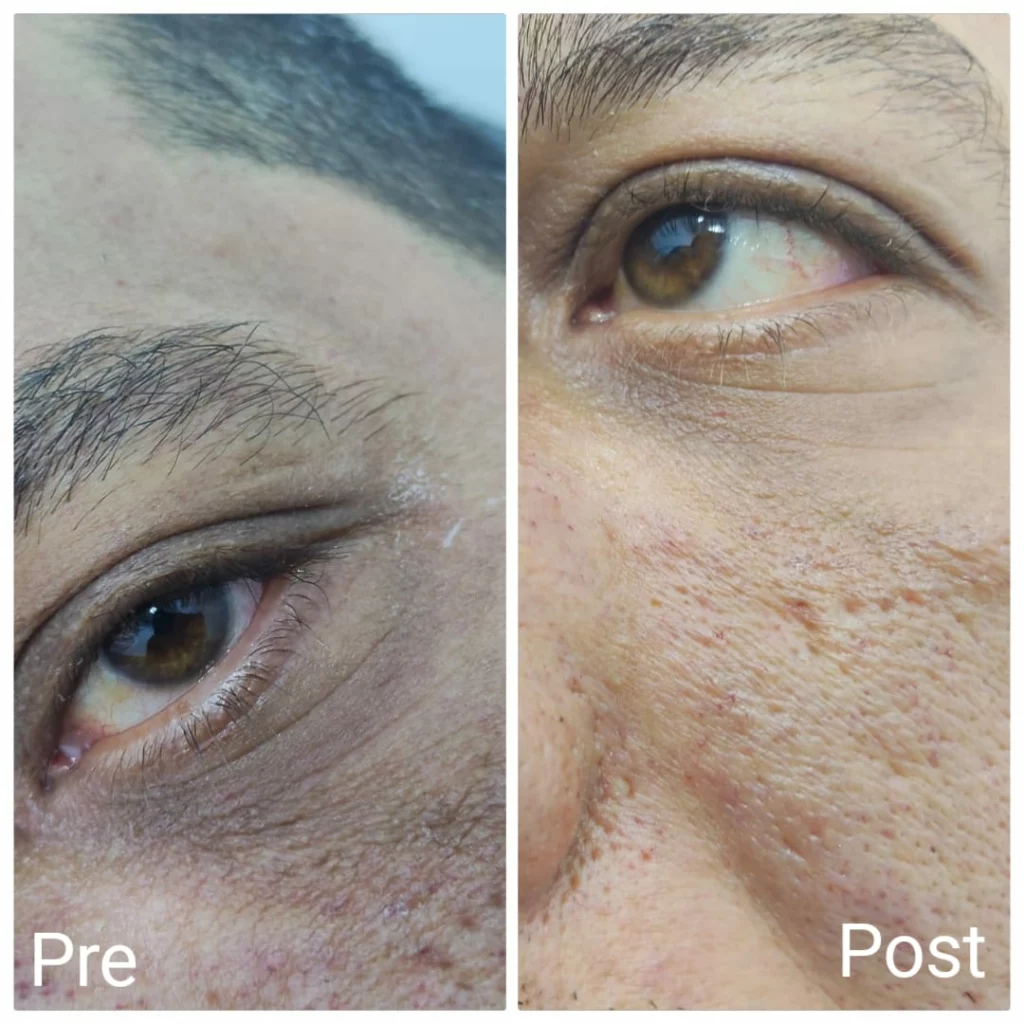
Credit: nadaraclinic.com
Causes Of Dark Circles
Dark circles under the eyes appear for different reasons. Understanding these causes helps in choosing the right treatment. Some causes are natural, while others relate to lifestyle or health. Here are the main reasons behind dark circles.
Genetic Factors
Dark circles often run in families. Some people inherit thin skin under their eyes. This thin skin shows blood vessels more clearly, causing a dark look. Genetics can also mean more pigment in the skin near the eyes. This makes shadows appear even without tiredness.
Aging And Skin Changes
As people age, skin loses fat and collagen. This causes the area under the eyes to look hollow. The skin also becomes thinner, making veins more visible. These changes deepen dark circles and shadows. Aging reduces skin’s ability to hide discoloration.
Lifestyle Influences
Sleep deprivation makes skin pale, showing dark blood vessels. Stress and poor diet add to skin dullness and discoloration. Excess sun exposure increases pigment production under the eyes. Smoking reduces blood flow, causing skin to look darker. These habits worsen dark circles over time.
Medical Conditions
Allergies cause inflammation and swelling near the eyes. Rubbing itchy eyes thickens and darkens the skin. Nasal congestion can also enlarge veins under the eyes. Some health issues, like anemia, reduce oxygen in blood, making skin look pale and eyes darker. Treating these problems can reduce dark circles.
Non-surgical Treatments
Non-surgical treatments for dark circles under the eyes offer effective options without the need for invasive procedures. These treatments focus on improving skin texture, reducing pigmentation, and boosting collagen production to brighten and tighten the under-eye area. If you’re hesitant about surgery, these alternatives can deliver noticeable improvements with minimal downtime.
Topical Creams And Serums
Topical creams and serums are often the first step in treating dark circles. Look for ingredients like vitamin C, retinol, and caffeine which help brighten skin and reduce puffiness. Applying these consistently can improve your under-eye appearance over weeks, making your skin look healthier and more refreshed.
Have you ever noticed how a simple change in your skincare routine can make a difference? Many people underestimate the power of a well-formulated cream. It’s not about quick fixes but steady improvement.
Chemical Peels
Chemical peels gently remove the top layer of dead skin, encouraging new skin growth and reducing dark pigmentation. Mild peels tailored for the delicate eye area can lighten dark circles caused by hyperpigmentation. Treatments are quick, and recovery usually takes just a few days.
What if a simple peel could reveal brighter skin beneath years of discoloration? Many patients report smoother skin texture and a fresher look after just one session.
Laser Therapy
Laser therapy targets pigmentation and stimulates collagen production under the eyes. Different laser types can be used depending on your skin type and the cause of your dark circles. The procedure is precise and can provide long-lasting results by tightening skin and improving color.
Consider laser treatment if you want a more dramatic change without surgery. It’s important to consult a specialist to understand which laser suits your needs best and to avoid side effects.
Microneedling
Microneedling uses tiny needles to create micro-injuries that trigger your skin’s healing response. This process encourages collagen and elastin production, improving skin thickness and reducing the shadow caused by thin skin under the eyes. Combined with serums, microneedling enhances product absorption and effectiveness.
Have you tried microneedling for other skin concerns? Many find it helps with fine lines and texture, which can also brighten the under-eye area. It’s a minimally invasive option with little downtime but noticeable benefits.
Surgical Options For Dark Circles
Surgical options for treating dark circles target the root causes under the skin. These procedures improve the appearance by addressing fat, skin, and muscle issues. Surgery can provide longer-lasting results compared to creams or fillers alone.
Each surgical method suits different types of dark circles. Some involve removing or repositioning fat, while others add volume. Consultation with a specialist helps decide the best approach for each case.
Lower Eyelid Blepharoplasty
Lower eyelid blepharoplasty removes excess skin and fat from under the eyes. This surgery reduces puffiness and tightens loose skin. It creates a smoother, more youthful contour beneath the eyes. The procedure is done through tiny incisions, leaving minimal scarring.
Fat Repositioning Techniques
Fat repositioning moves fat pads from the lower eyelid to hollow areas. This fills the sunken look that causes dark shadows. The technique avoids fat removal, focusing on redistribution. It softens the transition between the lower eyelid and cheek.
Filler Injections
Filler injections add volume to areas with lost fat or thin skin. They use hyaluronic acid or similar materials. This method is less invasive than surgery and offers quick results. Fillers smooth out dark circles caused by volume loss.
Fat Grafting
Fat grafting transfers fat from another body area to under the eyes. This natural method restores volume and improves skin texture. It requires a small liposuction procedure to collect fat. The grafted fat integrates with existing tissue for lasting effects.
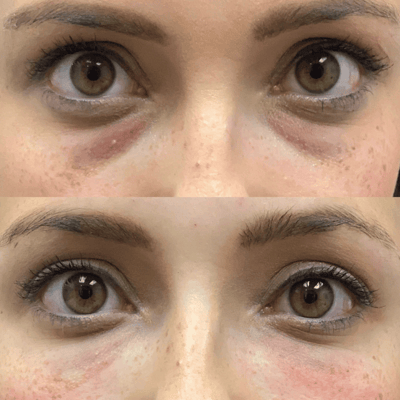
Credit: barriebotox.ca
Choosing The Right Procedure
Choosing the right procedure for dark circles under the eyes surgery is crucial. Each person’s skin and needs differ. Selecting a suitable treatment ensures better results and fewer complications.
Consultation And Assessment
A thorough consultation helps identify the cause of dark circles. The doctor examines skin type, bone structure, and fat distribution. They discuss medical history and any allergies. This step allows customizing the treatment for best outcomes.
Risks And Benefits
Every surgical procedure has risks and benefits. Risks may include swelling, bruising, or infection. Benefits often involve a fresher, more youthful look. Understanding both sides helps patients make informed decisions.
Recovery And Downtime
Recovery time varies by procedure and individual health. Some treatments need only a few days of rest. Others require longer downtime to heal properly. Patients should plan their schedule around recovery for comfort.
Expected Results
Results depend on the technique used and patient’s condition. Surgery can reduce puffiness and dark shadows effectively. Results usually last for years with proper care. Realistic expectations improve satisfaction with the outcome.
Post-treatment Care
Proper care after dark circles under eyes treatment surgery is vital for good results. It helps reduce discomfort and speeds healing. Following the doctor’s advice ensures a smooth recovery. This section covers key steps to take after surgery.
Managing Swelling And Bruising
Swelling and bruising are normal after surgery. Cold compresses help reduce swelling and numb the area. Apply them gently for 10-15 minutes every hour during the first day. Keep your head elevated to lower swelling. Avoid strenuous activities that raise blood flow to the face. Use prescribed medications to ease pain and inflammation. Never rub or press the eyes.
Skincare Tips
Keep the treated area clean and dry. Use mild cleansers recommended by your doctor. Avoid harsh chemicals or exfoliants near the eyes. Apply any ointments or creams exactly as instructed. Sun protection is crucial. Wear sunglasses and use a broad-spectrum sunscreen daily. Do not apply makeup until the area fully heals. Avoid touching the eyes to prevent infection.
Follow-up Visits
Attend all scheduled follow-up visits with your surgeon. These visits allow your doctor to check healing progress. Report any unusual pain, redness, or discharge immediately. Follow-up appointments help catch complications early. Your surgeon will advise when normal activities can resume. They will also guide you on long-term care to maintain results.
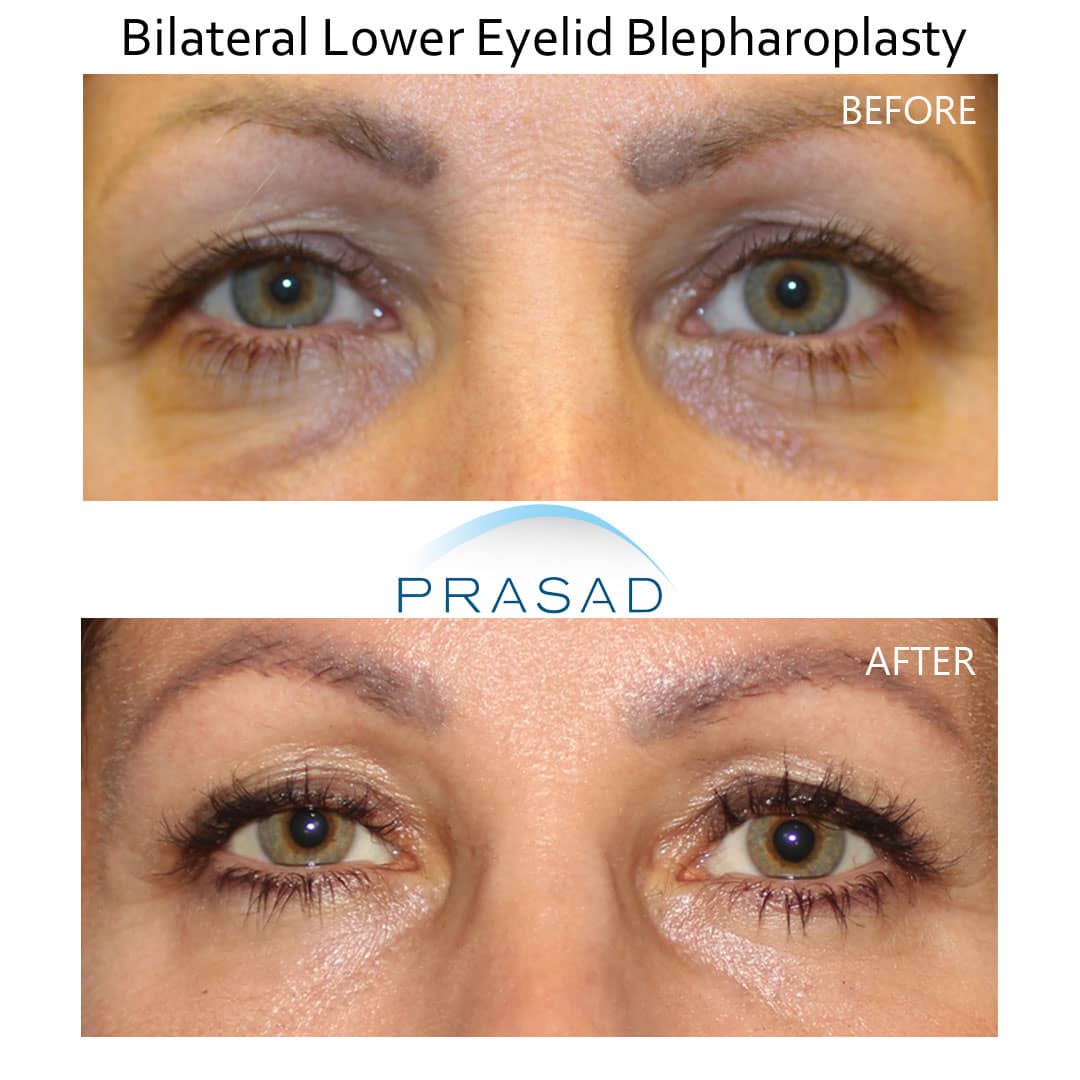
Credit: prasadcosmeticsurgery.com
Cost And Accessibility
Considering surgery to treat dark circles under your eyes means thinking about both cost and how easy it is to access the right care. These factors can vary widely depending on where you live, the type of procedure you choose, and the expertise of the surgeon. Knowing what to expect financially and how to find qualified professionals will help you make informed decisions that fit your needs and budget.
Price Range Of Procedures
The cost of dark circle surgery can range significantly. Simple procedures like lower eyelid blepharoplasty might start around $2,000, while more complex treatments can exceed $5,000. Prices depend on the technique used, anesthesia fees, and the geographic location of the clinic.
Keep in mind that additional costs, such as consultations, follow-ups, and post-surgery care, might not be included in the initial quote. Have you checked multiple clinics to compare prices and services? Doing so can prevent surprises later.
Insurance Considerations
Most insurance plans do not cover cosmetic surgeries, including those for dark circles under the eyes. This means you’re likely to pay out of pocket unless the surgery is deemed medically necessary. For instance, if the procedure improves vision by removing excess skin, some coverage might apply.
It’s important to review your policy carefully and ask your insurer specific questions about coverage. Could your dark circle treatment be partly reimbursed under a health spending account or flexible spending plan? Investigating these options could ease the financial burden.
Finding Qualified Surgeons
Your results depend heavily on the surgeon’s skill and experience. Look for board-certified plastic surgeons or oculoplastic specialists who have a strong track record with eye-area procedures. Reading patient reviews and before-and-after photos can give you insight into their work.
Don’t hesitate to schedule consultations with several surgeons to discuss your goals and ask detailed questions. How comfortable do you feel asking about their techniques, risks, and recovery times? Trust your instincts when choosing someone to perform surgery on such a delicate area.
Alternative Remedies
Dark circles under the eyes can affect anyone. Surgery is one option to treat them, but many prefer gentler ways. Alternative remedies offer natural and less invasive solutions. These methods focus on improving skin health and circulation. They help reduce darkness and puffiness around the eyes.
Home Treatments
Simple home treatments can soothe tired eyes and lighten dark circles. Cold compresses reduce swelling and improve blood flow. Using chilled cucumber slices or tea bags works well. Gentle massage with almond or coconut oil boosts circulation. Applying a small amount of vitamin E oil also helps. These treatments calm the skin and brighten the under-eye area.
Lifestyle Changes
Changing daily habits can lower the chance of dark circles. Getting enough sleep refreshes the skin and reduces puffiness. Drinking plenty of water keeps the skin hydrated and healthy. Avoiding excessive salt intake prevents fluid retention. Protecting skin from sun damage with sunglasses or sunscreen prevents darkening. Managing stress supports overall skin health and glow.
Natural Supplements
Certain natural supplements support skin repair and reduce dark circles. Vitamin C helps strengthen blood vessels and brighten skin. Iron supplements may be useful for those with anemia-related circles. Omega-3 fatty acids improve skin elasticity and reduce inflammation. Herbal extracts like ginkgo biloba promote better blood flow. Always consult a doctor before starting supplements.
Frequently Asked Questions
What Is Dark Circle Surgery For Under Eyes?
Dark circle surgery removes excess fat, skin, or muscle under eyes. It improves hollowness and pigmentation. The procedure enhances a youthful, refreshed look. It’s a permanent solution for stubborn dark circles.
Who Is An Ideal Candidate For Dark Circle Surgery?
Ideal candidates have persistent dark circles due to fat bulges or skin laxity. They should be in good health and have realistic expectations. Consulting a qualified surgeon is essential for personalized advice and safety.
How Long Is The Recovery From Under-eye Dark Circle Surgery?
Recovery typically takes one to two weeks. Swelling and bruising reduce gradually. Patients can resume normal activities after a few days but should avoid strenuous exercise initially.
Are There Risks Associated With Dark Circle Surgery?
Yes, risks include bruising, swelling, infection, and scarring. Choosing an experienced surgeon minimizes complications. Following post-surgery care instructions enhances safety and results.
Conclusion
Dark circles under the eyes can affect anyone’s confidence. Surgery offers a clear way to reduce their appearance. It targets the root cause for lasting results. Always choose a skilled doctor for safe treatment. Recovery is usually quick and manageable.
Remember, surgery is one option among many treatments available. Understanding all choices helps make the best decision for you. Clear, bright eyes can boost how you feel every day. Take care of your skin to keep results longer. Trust your journey toward fresher, healthier-looking eyes.
