Are you tired of looking in the mirror and seeing those stubborn acne scars staring back at you? You’re not alone.
Acne scars can feel like they last forever, lingering long after the blemishes have faded. But how long do they actually last? And more importantly, what can you do about them? Understanding the lifespan of acne scars can empower you to take control of your skin’s future.
You’ll discover the factors that influence how long these scars stick around and learn effective strategies to help them fade faster. Dive in to find out how you can start seeing clearer skin and regain your confidence.
Types Of Acne Scars
Acne scars come in different forms, and understanding their types can help you manage your expectations and choose the right treatment. Not all scars are created equal; some fade over time, while others might need professional help to improve. Let’s look closely at the main types of acne scars you might be dealing with.
Atrophic Scars
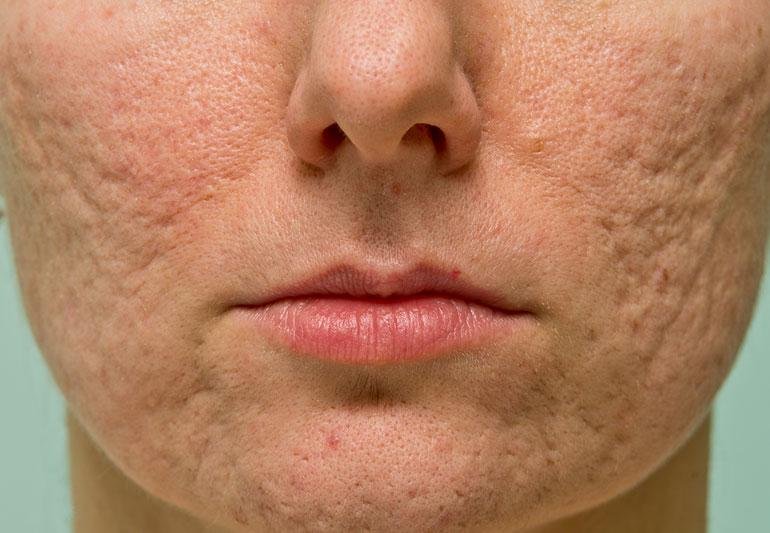
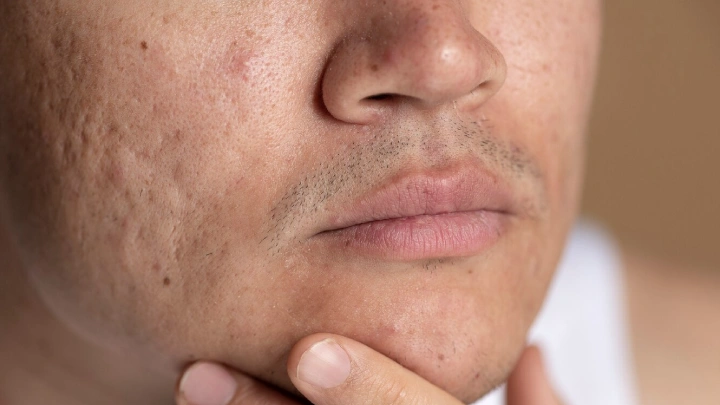
Atrophic scars are the most common type and appear as small indentations or depressions on your skin. They happen when the skin doesn’t produce enough collagen during healing, leaving behind sunken spots.
If you’ve noticed these shallow pits or craters on your cheeks or forehead, you’re likely seeing atrophic scars. Treatments like microneedling or laser therapy often work well here, but patience is key since improvement takes time.
Hypertrophic Scars
Unlike atrophic scars, hypertrophic scars are raised and thick. They form when the skin produces too much collagen as it heals, causing a bump above the skin’s surface.
These scars often appear on the chest or back and can sometimes feel itchy or tight. If you have hypertrophic scars, options like steroid injections or silicone sheets might help flatten them over time.
Post-inflammatory Hyperpigmentation
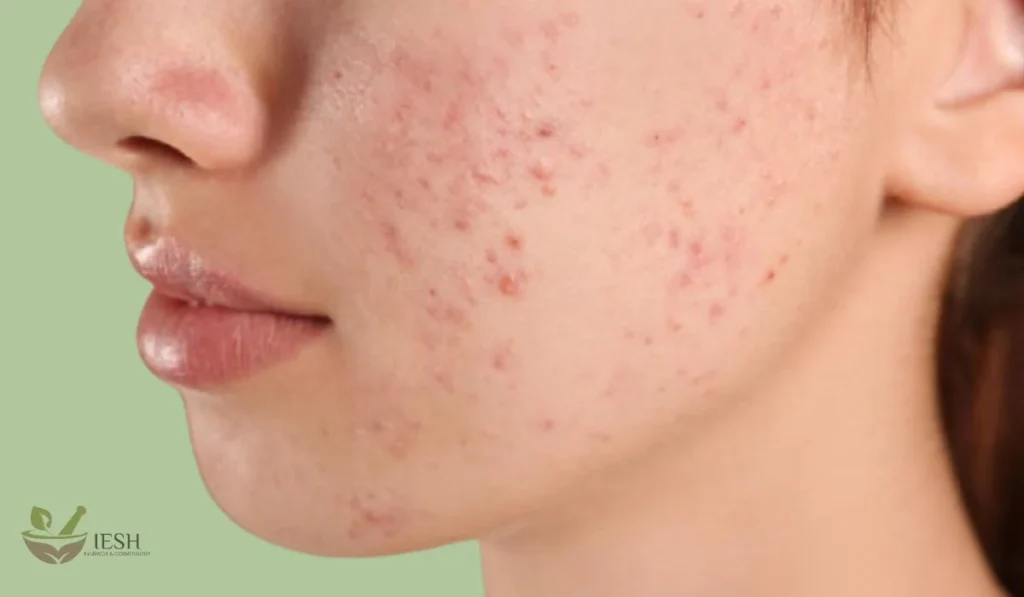
This type isn’t a true scar but a dark mark left behind after acne heals. It happens because your skin produces extra pigment in response to inflammation.
These dark spots can linger for months but often fade with proper skincare. Using sunscreen daily and products with ingredients like vitamin C or niacinamide can speed up the fading process.
Credit: ieshayurveda.com
Factors Affecting Scar Duration
Acne scars do not last the same time for everyone. Many factors influence how long they stay visible. Understanding these factors helps manage expectations and choose the right care.
Skin Type And Genetics
Skin type plays a key role in scar healing. Oily or sensitive skin may scar differently than dry skin. Genetics also determine how your skin repairs itself. Some people heal quickly with minimal scarring. Others may develop deeper, lasting scars.
Severity Of Acne
The depth and size of acne affect scar duration. Mild acne usually leaves faint marks. Severe acne can cause deep scars that take longer to fade. The more inflamed the skin, the higher chance of lasting scars.
Treatment Timing
Early treatment can reduce scar visibility. Starting care soon after acne heals helps skin recover faster. Waiting too long allows scars to settle and become harder to treat. Prompt action improves the chance of smooth skin.
Natural Healing Timeline
Acne scars heal naturally over time, but the process takes patience. The skin repairs itself in stages. Each phase plays a key role in how scars fade.
Understanding the natural healing timeline helps set realistic expectations. It also shows why scars may look worse before they improve.
Early Healing Stages
Right after acne clears, skin is often red or dark. This is the body’s immediate response to injury.
During this phase, new skin cells grow quickly. Blood vessels form to bring nutrients and oxygen to the area.
Inflammation reduces as the skin begins to close the wound. This stage lasts from a few days to several weeks.
Scars may look raised or bumpy at first. This is normal as collagen builds up to repair the skin.
Long-term Scar Fading
After the initial healing, scars start to fade slowly. This phase can last from months to years.
Collagen remodels and strengthens the skin. The scar’s color lightens and texture smooths out.
Some scars may never disappear completely but become less noticeable. Sun protection helps prevent darkening during this time.
Patience is key. The skin’s natural repair process takes time to show full results.
Credit: www.drdixitcosmeticdermatology.com
Home Remedies To Speed Healing
Acne scars can linger, but certain home remedies help speed healing. These remedies support skin repair and reduce scar visibility. Simple actions at home can improve your skin’s appearance over time. Patience and consistency matter most.
Topical Treatments
Natural ingredients can boost skin healing and lighten scars. Applying these regularly helps improve texture and color.
- Aloe vera soothes skin and promotes cell growth.
- Honey acts as a natural moisturizer and has antibacterial properties.
- Coconut oil hydrates and may reduce inflammation.
- Lemon juice lightens dark spots but use with caution and avoid sun exposure.
- Vitamin E oil nourishes skin and supports repair.
Lifestyle Changes
Healthy habits protect skin and speed scar fading. Avoid habits that worsen scars or cause new ones.
- Do not pick or squeeze pimples to prevent scarring.
- Get enough sleep to support skin regeneration.
- Manage stress through relaxation techniques.
- Use sunscreen daily to protect healing skin from UV damage.
- Keep skin clean with gentle cleansing routines.
Diet And Hydration
Foods and water intake impact skin health and healing speed. Choose nutrients that help repair and protect skin.
- Eat fruits rich in vitamin C to boost collagen.
- Include foods with zinc to reduce inflammation.
- Consume omega-3 fatty acids for skin repair.
- Drink plenty of water to keep skin hydrated.
- Limit sugary and processed foods that may worsen inflammation.
Professional Treatments
Professional treatments offer targeted solutions to reduce the appearance of acne scars more effectively than many at-home remedies. These treatments are designed to stimulate skin healing, promote collagen production, and improve skin texture. If you’re wondering how long your acne scars might last, understanding these options can help you set realistic expectations and choose the best path forward.
Laser Therapy
Laser therapy uses focused light to remove damaged skin layers and encourage new skin growth. Many people notice visible improvement after just a few sessions, with scars becoming less deep and prominent. Are you ready to commit to multiple treatments and some downtime to see lasting changes?
Chemical Peels
Chemical peels involve applying a solution that exfoliates the top skin layers, revealing smoother skin underneath. Depending on the strength, peels can address mild to moderate scars and improve overall skin tone. If you want a treatment that also tackles pigmentation along with scars, chemical peels might be a smart choice.
Microneedling
Microneedling creates tiny punctures in the skin to trigger natural healing and collagen formation. Over time, this process can soften scar texture and improve firmness. It’s a great option if you prefer a minimally invasive treatment with gradual but noticeable results.
Dermal Fillers
Dermal fillers offer immediate improvement by plumping up depressed scars, making them less visible. The effects can last several months, but maintenance treatments are necessary to keep results fresh. Would you prefer a quick fix with ongoing upkeep or a slower, more permanent solution?

Credit: www.classycosmeticclinic.com
Preventing Future Scars
Preventing future acne scars is easier than treating old ones. Focus on good skin habits and protection. Healthy skin heals better and avoids deep marks. Start with managing acne properly, guarding your skin from sun, and resisting the urge to pick.
Effective Acne Management
Keep acne under control to stop scars from forming. Use gentle cleansers to wash your face twice daily. Choose non-comedogenic moisturizers that won’t clog pores. Follow your dermatologist’s advice about treatments. Early treatment reduces inflammation and skin damage.
Sun Protection
Sun exposure darkens scars and slows healing. Use a broad-spectrum sunscreen with SPF 30 or higher every day. Reapply sunscreen after sweating or swimming. Wear hats and protective clothing when outside. Avoid tanning beds as they worsen skin damage.
Avoiding Picking And Squeezing
Picking or squeezing acne spreads bacteria and causes wounds. These wounds can turn into deep scars. Keep your hands off your face to let skin heal naturally. Use spot treatments instead of fingers. Keep nails short to reduce the risk of injury.
When To See A Dermatologist
Knowing when to see a dermatologist can make a big difference in how your acne scars heal and look over time. If your scars don’t improve or worsen despite home care, professional advice is essential. Understanding the signs that call for expert help will empower you to make the right decision for your skin health.
Persistent Scars
Some acne scars stay visible for months or even years without fading. If your scars remain noticeable after six months of consistent care, it might be time to visit a dermatologist. Persistent scars often need targeted treatments that you can’t get over the counter.
Have you noticed scars that don’t lighten or change at all? This could be a sign that your skin needs professional intervention to heal properly.
Severe Acne Cases
If your acne was severe or cystic, scars are more likely to be deep and long-lasting. Severe acne damages the skin more extensively, increasing the risk of permanent marks. Consulting a dermatologist early can help reduce the chance of these scars becoming permanent.
Don’t wait for scars to fully form; early treatment after severe breakouts often results in better outcomes. Ask yourself if your acne was more than occasional pimples—this could mean you need specialized care.
Customized Treatment Plans
Dermatologists create treatment plans tailored to your specific skin type and scar severity. These plans might include procedures like laser therapy, microneedling, or chemical peels, which are not available at home. Personalized care improves the chances of fading scars faster and more effectively.
Consider what treatments you’ve tried and whether they worked. If not, a customized plan might be the key to finally seeing the improvements you want.
Frequently Asked Questions
How Long Do Acne Scars Typically Last?
Acne scars can last from several months to years. Their duration depends on scar type, skin healing, and treatments used. Some scars fade naturally, while others need medical intervention for improvement.
Can Acne Scars Disappear Without Treatment?
Yes, mild acne scars may fade over time without treatment. However, deeper scars usually require skincare or professional procedures to improve appearance and speed healing.
What Factors Affect Acne Scar Healing Time?
Scar healing depends on scar severity, skin type, age, and treatment methods. Healthy skin and early care often result in faster fading of acne scars.
Are There Treatments To Shorten Acne Scar Duration?
Yes, treatments like chemical peels, laser therapy, and microneedling can reduce acne scar visibility. Early treatment often leads to better and quicker results.
Conclusion
Acne scars can last from a few months to several years. The time depends on scar type and skin care habits. Some scars fade on their own with time and patience. Treating scars early can help improve their appearance faster.
Healthy skin habits support healing and reduce scar visibility. Remember, everyone’s skin heals differently and at its own pace. Stay consistent with care and be patient. Clearer, smoother skin is possible with time and effort.