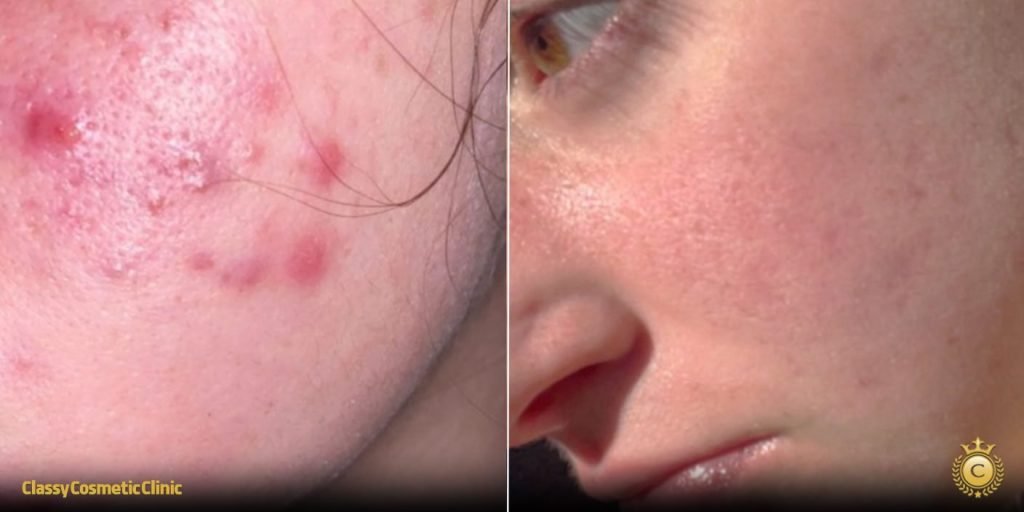
Imagine waking up to a mirror reflection that reveals clearer, smoother skin. For many, the battle with acne scars feels never-ending, leaving you searching for effective solutions that actually work.
You’ve probably heard whispers about hyaluronic acid and its magical reputation in the skincare world. But can it really help with those stubborn acne scars? You’re not alone in this quest for answers. Unlocking the secret to flawless skin could be just a few paragraphs away.
Dive into this article to discover whether hyaluronic acid is your skin’s new best friend or just another fleeting trend. Your path to radiant skin might just start here.
How Acne Scars Form
Understanding how acne scars form is key to figuring out if hyaluronic acid can help your skin heal. Scars appear when your skin tries to repair itself after acne damages the deeper layers. The type and depth of damage determine the kind of scar you’ll have.
Types Of Acne Scars
Not all acne scars look the same. There are several types, each with unique traits that affect treatment options:
- Atrophic scars:These are sunken or depressed scars caused by tissue loss. Common forms include icepick, boxcar, and rolling scars.
- Hypertrophic scars:These scars are raised due to excess collagen buildup during healing.
- Keloid scars:Similar to hypertrophic but larger and more aggressive, extending beyond the original wound area.
Knowing your scar type can help you choose the right products and treatments. Have you ever noticed how some scars fade with time while others stay stubbornly visible?
Skin Healing Process
Your skin heals acne through a series of stages. First, inflammation occurs as your body fights infection and clears dead cells. Then new tissue forms to replace damaged skin.
Collagen plays a major role here. If your skin produces too little collagen, scars become depressed. Too much collagen leads to raised scars. This balance is tricky and varies from person to person.
Hyaluronic acid naturally attracts and retains moisture, which helps create a healthy environment for healing. Could maintaining skin hydration influence how scars develop or fade?
Credit: www.classycosmeticclinic.com
What Is Hyaluronic Acid
Hyaluronic acid is a popular ingredient in skincare, especially when dealing with acne scars. But what exactly is it? Understanding its nature and how it works can help you decide if it fits into your skincare routine.
Natural Role In Skin
Hyaluronic acid is a substance your body produces naturally. It lives mostly in your skin, eyes, and joints. Its main job is to keep your skin hydrated by holding onto water.
Think of it as a moisture magnet. One gram of hyaluronic acid can hold up to six liters of water. This intense hydration helps your skin stay plump and smooth, which is crucial when healing acne scars.
Common Uses In Skincare
Hyaluronic acid is widely used in various skincare products like serums, creams, and masks. Its ability to boost moisture makes it ideal for dry or damaged skin.
- It helps reduce the appearance of fine lines and wrinkles.
- It supports faster healing of wounds, including acne scars.
- It enhances skin elasticity and smoothness.
Have you ever noticed how your skin feels after applying a hyaluronic acid serum? That immediate hydration can transform dull, scarred skin into something visibly healthier.
Hyaluronic Acid And Acne Scars
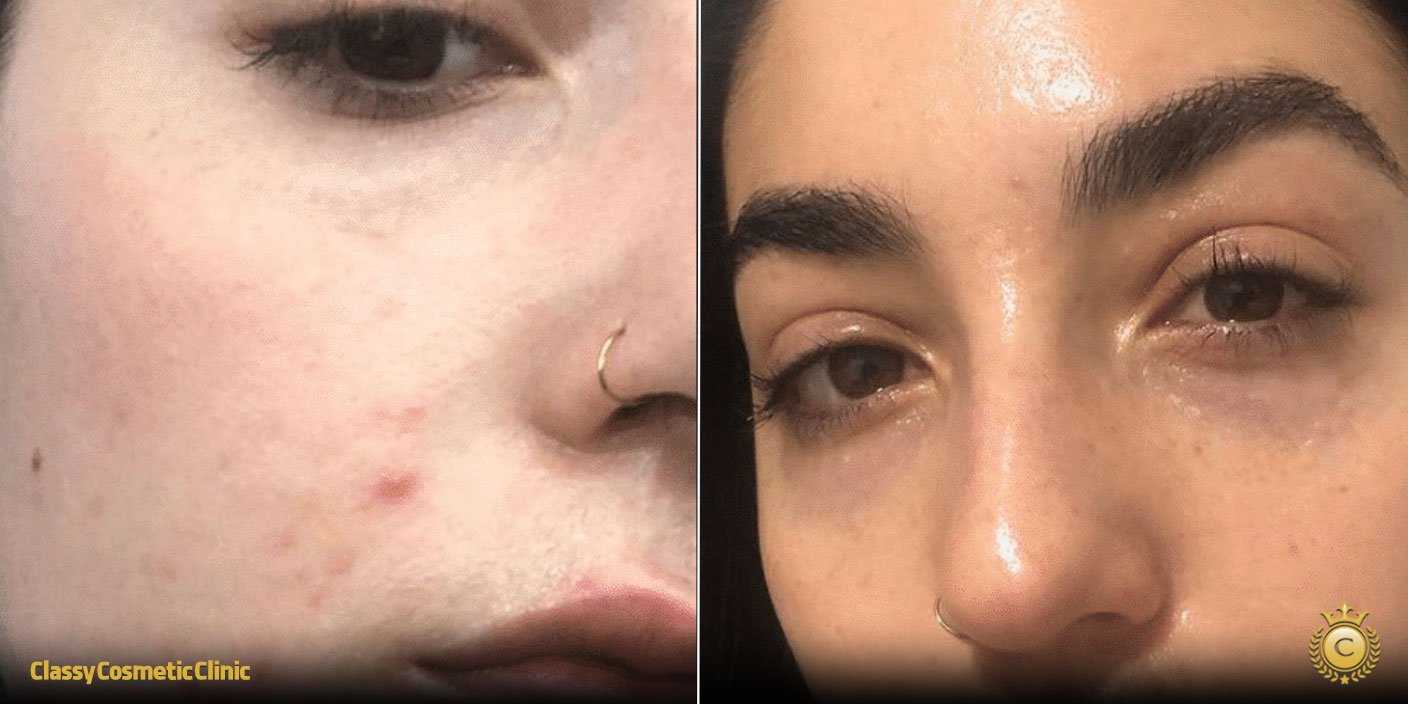
Hyaluronic acid plays a key role in skincare, especially for acne scars. It is a natural substance found in the skin that helps keep it hydrated. Acne scars often make skin look dry and rough. Using hyaluronic acid can improve the skin’s texture and appearance. It helps the skin stay soft and smooth, which can reduce the visibility of scars.
Moisture Retention Benefits
Hyaluronic acid holds water in the skin, keeping it moist. This moisture helps skin cells work better. Well-hydrated skin looks plumper and healthier. Acne scars tend to be sunken or uneven, but moisture can fill in these areas slightly. This effect makes scars less noticeable. Hydrated skin also feels less tight or itchy, which supports healing.
Skin Repair Support
This acid supports the skin’s natural repair process. It helps skin cells grow and heal faster. With regular use, it can reduce redness and inflammation around scars. Hyaluronic acid also boosts collagen production, a protein vital for skin strength. More collagen means skin can repair damage better. This can lead to smoother, clearer skin over time.
Scientific Evidence On Effectiveness
Scientific studies play a key role in understanding how hyaluronic acid affects acne scars. Research shows it helps skin heal and stay hydrated. This can improve the skin’s texture and reduce scar visibility. The following sections explore clinical findings and user experiences with hyaluronic acid for acne scars.
Clinical Studies Summary
Several studies have tested hyaluronic acid on skin wounds and scars. It supports tissue repair by attracting water and promoting cell growth. Research notes these benefits:
- Improved skin hydration and elasticity
- Reduced inflammation and faster healing
- Enhanced collagen production, which smooths scars
- Safe for use on sensitive and damaged skin
Some studies combined hyaluronic acid with other treatments, showing better scar improvement. Overall, clinical evidence supports its role in skin repair and scar reduction.
User Experience Insights
Many users report positive results using hyaluronic acid for acne scars. They notice softer skin and faded scars after consistent use. Common feedback includes:
- Smoother skin texture
- Less redness and irritation
- Better skin moisture levels
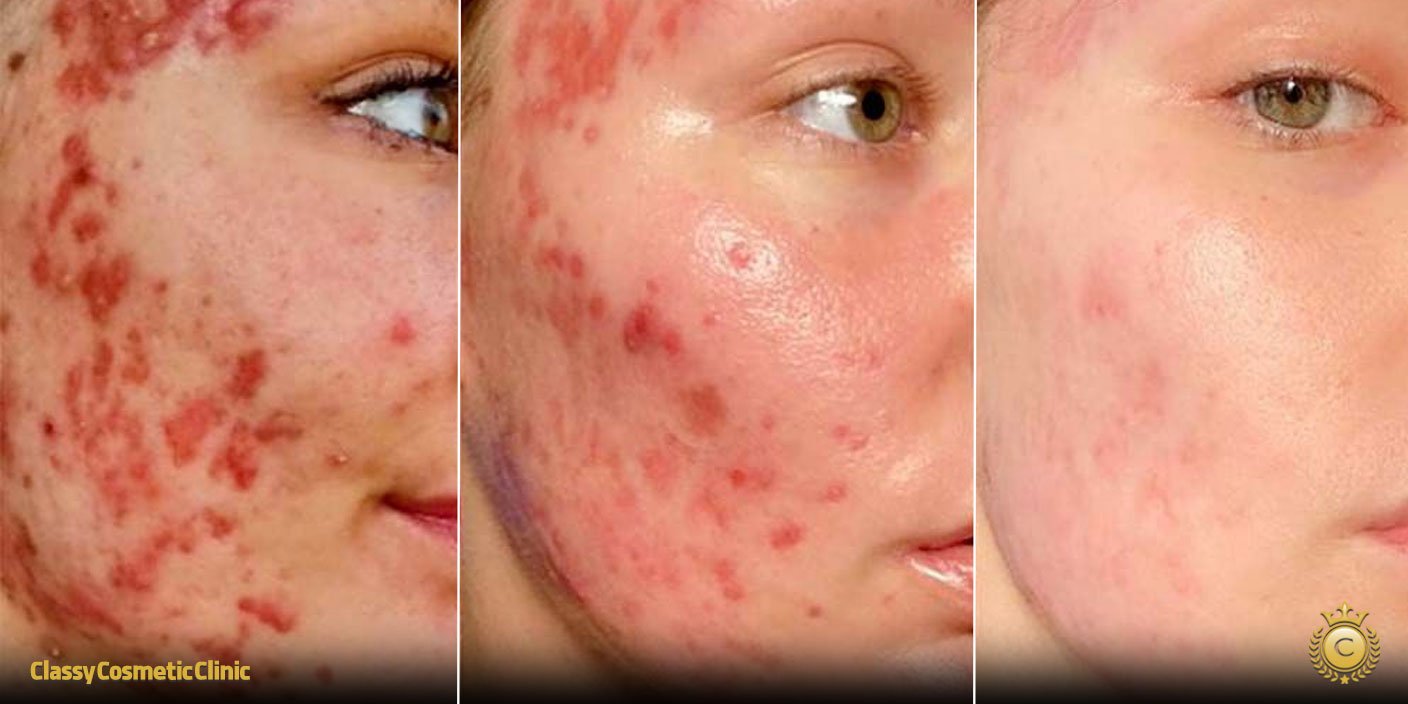
- Improved scar appearance over weeks
Some users say it works best combined with other acne scar treatments. Patience is key, as visible changes take time. Hyaluronic acid often fits well into daily skincare routines.
How To Use Hyaluronic Acid For Scars
Using hyaluronic acid effectively can make a real difference in how your acne scars heal and fade. It’s not just about slapping on any product; you need to understand what suits your skin and how to apply it right. Let’s look at how you can get the most out of hyaluronic acid for your scars.
Choosing The Right Product
Not all hyaluronic acid products are created equal. Look for serums or creams with a concentration between 0.5% and 2%—this range tends to be effective without overwhelming your skin.
Check the label for “low molecular weight” or “multi-molecular weight” hyaluronic acid. These types penetrate deeper into the skin, promoting better hydration and scar repair.
If you have sensitive skin, opt for products that are fragrance-free and formulated for sensitive skin to avoid irritation that can worsen scars.
Application Tips
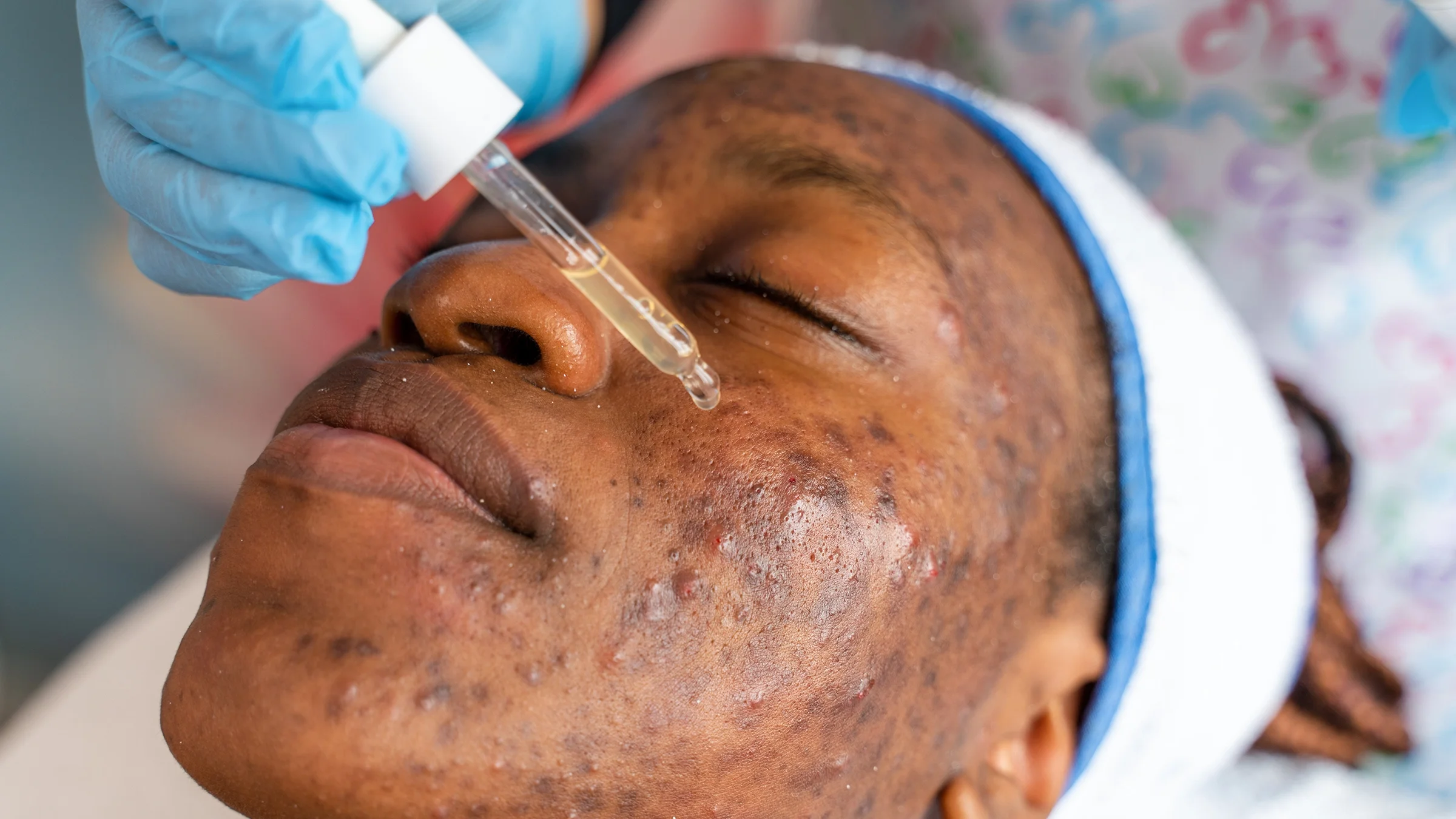
Apply hyaluronic acid on clean, slightly damp skin to help it bind moisture better. This small step can boost its ability to plump and soften scar tissue.
Use a few drops and gently pat it into your skin instead of rubbing. Pressing it in helps the serum absorb without disturbing healing skin.
Follow up with a moisturizer to lock in hydration. Hyaluronic acid attracts water, but without a seal, that moisture can evaporate quickly.
Ask yourself: are you layering your skincare products in the right order? Hyaluronic acid works best when applied before heavier creams or oils.
Don’t forget sunscreen during the day. Healing scars are vulnerable to sun damage, and protecting your skin will enhance the benefits of hyaluronic acid.
Credit: www.goodrx.com
Combining Treatments For Better Results
Combining hyaluronic acid with other acne scar treatments can amplify your results and speed up healing. Hyaluronic acid hydrates and plumps the skin, but pairing it with targeted ingredients or procedures can address scars more deeply. Have you ever noticed how some skincare combos work better than single products alone?
With Retinoids
Retinoids boost collagen production and speed up skin cell turnover, which helps fade acne scars over time. Using hyaluronic acid alongside retinoids can reduce dryness and irritation, making your skin more comfortable. Try applying hyaluronic acid right after your retinoid serum to lock in moisture and calm your skin.
With Vitamin C
Vitamin C brightens skin and evens out discoloration caused by acne scars. When you add hyaluronic acid to your vitamin C routine, it boosts hydration and enhances absorption. This combo can make your skin look smoother and more radiant, helping scars fade faster.
Professional Procedures
Professional treatments like microneedling, chemical peels, or laser therapy work well with hyaluronic acid. After these procedures, your skin often feels dry or sensitive. Applying hyaluronic acid post-treatment helps soothe irritation and supports faster healing, so your scars heal with better texture and less redness.
Potential Side Effects And Precautions
Hyaluronic acid is widely praised for its skin benefits, especially in healing and moisturizing. Yet, like any skincare ingredient, it carries potential side effects and precautions you should be aware of before adding it to your routine. Understanding these risks helps you use it safely and effectively on acne scars.
Allergic Reactions
Although rare, some people may experience allergic reactions to hyaluronic acid products. Symptoms can include redness, itching, swelling, or a rash where the product was applied.
If you notice any irritation, stop using the product immediately and consult a dermatologist. Doing a patch test before applying it to your face can help you avoid unpleasant surprises.
Overuse Risks
Using too much hyaluronic acid or applying it too frequently can sometimes lead to dryness or irritation. This happens because hyaluronic acid pulls moisture from deeper skin layers if the environment is dry.
Have you ever felt your skin getting tight after using a moisturizer? Overuse of hyaluronic acid might cause a similar effect. Stick to the recommended amount and adjust based on how your skin responds.
Credit: www.classycosmeticclinic.com
Frequently Asked Questions
Can Hyaluronic Acid Help Reduce Acne Scars?
Yes, hyaluronic acid hydrates skin and promotes healing. It improves skin texture, making acne scars less noticeable over time.
How Does Hyaluronic Acid Improve Acne Scar Appearance?
Hyaluronic acid boosts collagen production and retains moisture. This helps skin regenerate and smooths out scarred areas effectively.
Is Hyaluronic Acid Safe For Scarred Skin?
Hyaluronic acid is gentle and suitable for most skin types. It rarely causes irritation and supports skin repair safely.
How Often Should I Use Hyaluronic Acid For Scars?
Use hyaluronic acid serum daily for best results. Consistent application helps maintain hydration and supports scar healing.
Conclusion
Hyaluronic acid helps keep skin hydrated and soft. It can reduce the look of acne scars over time. This ingredient supports skin healing and improves texture. Use it regularly for the best results. Remember, patience is key with any skincare.
Pair it with gentle cleansing and sun protection. Clear, smooth skin is possible with good care. Give your skin the moisture it needs. Simple steps bring noticeable changes.
