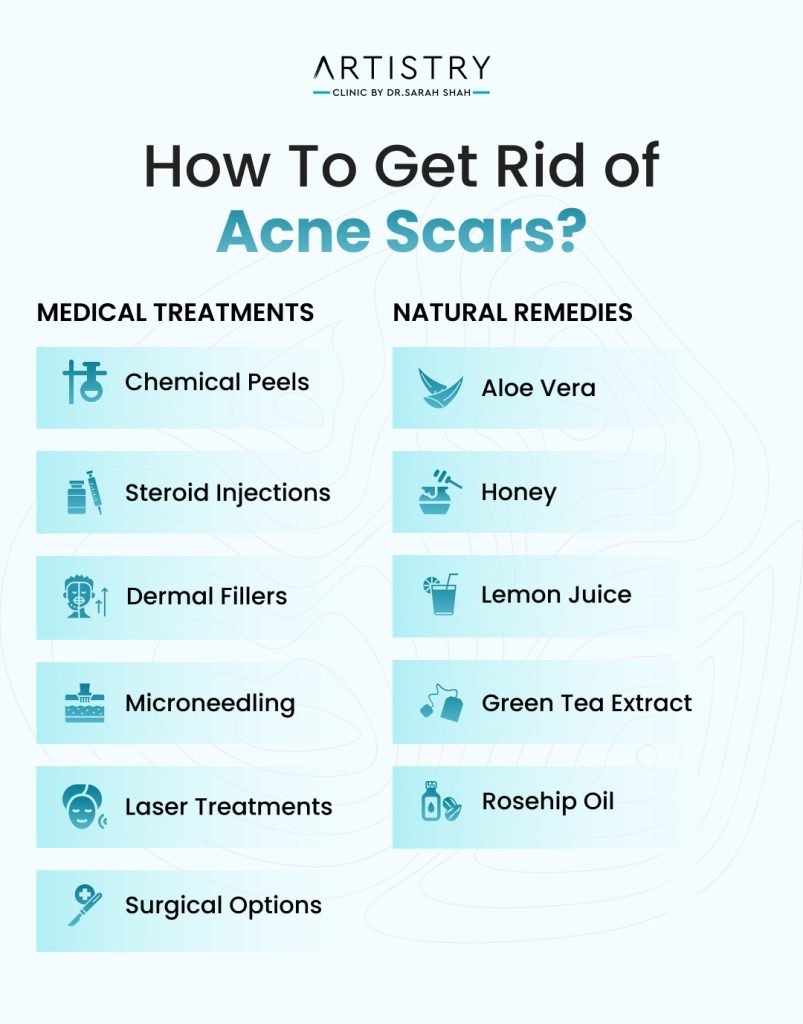
Are you tired of seeing those stubborn acne scars every time you look in the mirror? You’re not alone.
Acne scars can be frustrating, affecting not just your skin but also your confidence. The good news is, you don’t need to rely solely on expensive treatments or harsh chemicals. There are natural remedies that can help reduce and even erase those scars, leaving your skin smoother and healthier.
Curious to find out what these natural solutions are? Keep reading to discover effective, easy-to-use remedies that you can try at home. Your journey to clearer skin starts now, and you deserve to feel good about what you see.

Credit: www.goodrx.com
Causes Of Acne Scars
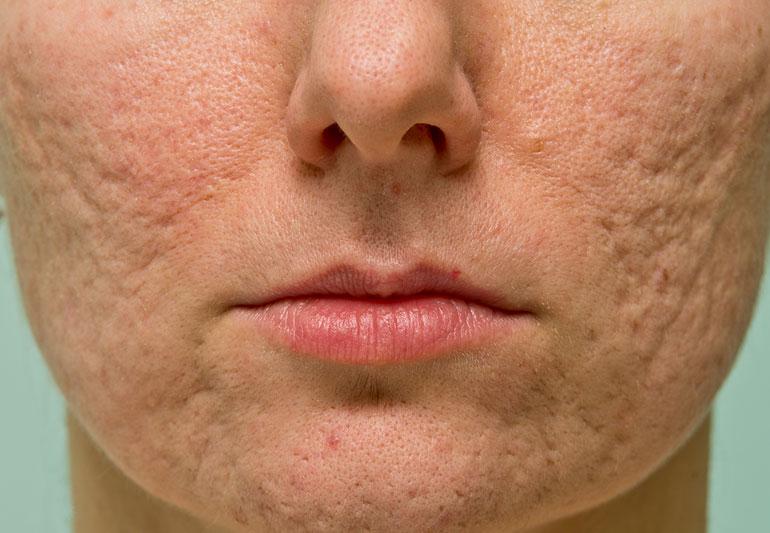
Acne scars appear as marks or indentations on the skin after acne heals. They develop from damage to the skin’s deeper layers. Understanding the causes helps in choosing the right natural remedies for acne scars. Several factors influence scar formation, including the type of acne and how the skin repairs itself.
Types Of Acne Scars
Acne scars come in different shapes and sizes. Each type looks and feels different on the skin. Common types include:
- Ice Pick Scars:Deep, narrow holes in the skin.
- Boxcar Scars:Broad, round or oval depressions with sharp edges.
- Rolling Scars:Wide, shallow depressions with a wave-like appearance.
- Hypertrophic Scars:Raised scars caused by excess tissue.
- Keloid Scars:Thick, raised scars that grow beyond the original wound.
How Scars Form
Scars form during the skin’s healing process. When acne causes deep injury, the skin tries to repair itself. This repair can create extra or less collagen.
Too little collagen causes pits or depressed scars. Too much collagen leads to raised scars. The severity of acne and skin type affect scar development. Picking or squeezing acne also increases scar risk.
Benefits Of Natural Remedies
Natural remedies offer a range of benefits when dealing with acne scars that you might not get from chemical treatments. They tend to be gentler on your skin, reducing the risk of irritation or allergic reactions. Plus, many natural options are easy to find and won’t break the bank.
Fewer Side Effects
You want to heal your skin, not cause more damage. Natural remedies like aloe vera or honey work with your skin’s natural processes, minimizing redness and dryness. Unlike harsh chemicals, these ingredients rarely cause peeling or sensitivity, making them safer for long-term use.
Have you ever tried a product that left your skin worse than before? Natural options can help you avoid that frustration.
Cost-effectiveness
Expensive treatments don’t always guarantee better results. Many natural remedies are budget-friendly and easy to prepare at home. For example, using lemon juice or coconut oil can cost just a few dollars yet provide noticeable improvement over time.
Why spend a fortune when simple kitchen ingredients might do the trick?
Accessibility
You don’t need a prescription or a trip to a specialist to get natural treatments. Ingredients like tea tree oil, turmeric, or oatmeal are available in most supermarkets or health stores. This means you can start treating your acne scars right away without waiting or extra hassle.
Isn’t it empowering to know you can take care of your skin with items already within reach?
Top Natural Ingredients For Scar Healing
Healing acne scars naturally is a gentle and effective way to improve your skin’s texture and appearance. Certain ingredients from your kitchen or garden offer powerful benefits for scar repair. These natural options not only soothe your skin but also encourage regeneration without harsh chemicals.
Aloe Vera
Aloe vera is a classic remedy for skin healing. Its gel contains compounds that reduce inflammation and promote new skin growth. Applying fresh aloe vera gel directly on scars can lighten their appearance and keep your skin moisturized.
Have you tried aloe vera after a sunburn? The soothing effect might surprise you, making it a perfect choice for sensitive scarred skin too.
Honey
Honey is more than just a sweetener; it’s a natural antibacterial and moisturizer. Raw honey can help fade scars by keeping the skin hydrated and encouraging cell repair. Dab a small amount on your scars overnight and watch your skin slowly improve.
Keep in mind, the best results come from using unprocessed honey to avoid additives that might irritate your skin.
Tea Tree Oil
Tea tree oil is known for its antimicrobial properties, which help prevent new breakouts and reduce scar formation. Dilute it with a carrier oil before applying to avoid irritation. Consistent use can reduce redness and smooth out scarred areas.
Do you notice how some products with tea tree oil calm your skin quickly? That calming effect is why it works well on acne scars.
Coconut Oil
Coconut oil is rich in fatty acids that nourish and repair damaged skin. Massaging a small amount onto scars daily can improve skin elasticity and reduce scar visibility. Its antibacterial nature also helps keep the area clean and infection-free.
Try using virgin coconut oil for the best natural benefits without added chemicals.
Lemon Juice
Lemon juice contains natural acids that can lighten dark scars by exfoliating dead skin cells. Use it sparingly and always dilute with water, as it can cause dryness or sensitivity. Applying lemon juice in short, controlled sessions may brighten your skin tone over time.
Have you ever noticed how lemon juice brightens your nails? The same brightening effect can help even out your skin after acne.
Diy Treatments To Try At Home
Many natural ingredients can help reduce acne scars. These DIY treatments use simple items found at home. They soothe the skin and promote healing. Regular use may improve skin texture and lighten scars. Try these easy remedies to support your skin care.
Aloe Vera Gel Application
Aloe vera gel has soothing and healing properties. Apply fresh aloe vera gel directly on scars. Leave it on for 30 minutes before rinsing with water. Use daily for best results. Aloe vera helps reduce redness and repair skin.
Honey And Cinnamon Mask
Honey and cinnamon have antibacterial effects. Mix one teaspoon cinnamon with two tablespoons honey. Apply the mask on scarred areas. Let it sit for 15 minutes. Rinse with warm water. This mask can reduce inflammation and fade scars.
Tea Tree Oil Spot Treatment
Tea tree oil fights bacteria that cause acne. Dab a small amount on scars with a cotton swab. Leave it overnight for deeper treatment. Use only on affected spots to avoid irritation. Tea tree oil helps clear skin and reduce marks.
Coconut Oil Massage
Coconut oil moisturizes and heals dry, damaged skin. Gently massage a small amount into scars twice daily. This improves skin elasticity and texture. Coconut oil also contains antioxidants that protect skin from damage.
Lemon Juice Exfoliation
Lemon juice is a natural exfoliant and brightener. Apply fresh lemon juice on scars with a cotton ball. Leave for 10 minutes, then rinse off. Use sunscreen after treatment, as lemon makes skin sensitive. This helps lighten scars and smooth skin.
Lifestyle Tips To Support Skin Healing
Supporting your skin’s healing process goes beyond just applying creams or treatments. Your daily habits play a crucial role in how quickly and effectively acne scars fade. By adjusting small parts of your lifestyle, you can create an environment where your skin regenerates and glows healthier.
Healthy Diet Choices
What you eat shows up on your skin. Foods rich in antioxidants like berries, spinach, and nuts help fight inflammation and promote repair. Adding vitamin C sources such as oranges and bell peppers supports collagen production, which is vital for smoothing out scars.
Try to reduce sugar and processed foods, as they can worsen inflammation and slow healing. Including omega-3 fatty acids found in fish and flaxseeds can calm your skin and improve its texture. Have you noticed how your skin reacts after certain meals? Paying attention to this can guide better choices.
Hydration Importance
Drinking enough water is one of the simplest ways to boost your skin’s healing. Hydration helps flush out toxins and keeps your skin soft and elastic, making scars less noticeable over time. Aim for at least 8 glasses a day, or more if you’re active or live in a dry climate.
Besides water, herbal teas or water-rich fruits like watermelon also contribute to your hydration. Skipping this step often leaves skin dull and slows repair. How often do you reach for water during your busy day?
Sun Protection
Sun exposure can darken acne scars and make them last longer. Wearing sunscreen daily shields your skin from harmful UV rays that damage the healing tissue. Choose a broad-spectrum sunscreen with at least SPF 30 and reapply every two hours if you’re outdoors.
Don’t forget protective clothing like hats and sunglasses, especially during peak sun hours. Some of my scars faded much faster once I became consistent with sun protection. What changes could you make to protect your skin better?
Adequate Sleep
Sleep is when your body repairs itself, including your skin. Lack of sleep increases stress hormones that can delay healing and worsen skin problems. Aim for 7–9 hours of quality sleep to give your skin the best chance to regenerate.
Creating a calming bedtime routine can improve your sleep quality. Turning off screens and avoiding heavy meals before bed helped me wake up with less puffiness and a clearer complexion. How might better sleep impact your skin healing journey?
Credit: health.clevelandclinic.org
When To See A Dermatologist
Knowing when to seek professional help is crucial in managing acne scars effectively. While natural remedies can be beneficial, they might not always provide the results you hope for. Understanding the signs that indicate a visit to a dermatologist can save you time, frustration, and help protect your skin’s health.
Persistent Scarring
If your acne scars remain visible despite regular use of natural treatments, it might be time to consult a dermatologist. Scars that do not improve after several months could require targeted medical treatments.
Dermatologists can offer options like laser therapy or chemical peels that go beyond what home remedies can achieve. Have you noticed your scars staying the same or worsening? This persistence signals the need for professional evaluation.
Severe Acne Issues
When acne is severe, it often leads to deeper scars that natural remedies alone cannot fix. If your skin experiences frequent breakouts, inflammation, or pain, a dermatologist’s expertise is essential.
Ignoring severe acne can worsen scarring and skin damage. A professional can prescribe treatments that control acne and minimize future scarring, helping you regain clearer skin faster.
Combining Natural And Medical Treatments
You don’t have to choose between natural remedies and medical treatments — sometimes, a combination works best. Dermatologists can guide you on how to safely use natural products alongside prescription medications.
This balanced approach can enhance healing and reduce side effects. Have you considered discussing your natural skincare routine with a professional to maximize your results?

Credit: www.classycosmeticclinic.com
Frequently Asked Questions
What Are The Best Natural Remedies For Acne Scars?
Natural remedies like aloe vera, honey, and lemon juice help fade acne scars. These ingredients promote skin healing and reduce inflammation gently.
How Long Do Natural Acne Scar Treatments Take?
Natural treatments usually take several weeks to show visible results. Consistent application and patience are key to improving skin texture.
Can Essential Oils Reduce Acne Scars Effectively?
Yes, essential oils like tea tree and rosehip oil can help. They promote skin regeneration and lighten scars when used properly.
Are There Any Side Effects Of Natural Acne Scar Remedies?
Natural remedies are generally safe but may cause allergies. Always do a patch test before applying to your face to avoid irritation.
Conclusion
Natural remedies can help reduce acne scars gently. Consistent care improves skin texture over time. Simple ingredients from your kitchen often work well. Patience and regular use bring better results. Always test a small skin area first. Healthy skin needs good sleep and water too.
Embrace natural methods for safer healing. Clearer skin is possible with simple steps. Stay kind to your skin every day. Small changes create lasting improvements.
