
Are you tired of battling stubborn acne scars that just won’t fade away? You’re not alone.
Many people face the ongoing struggle of trying to achieve clear, blemish-free skin. The quest for a solution often leads to the vitamin aisle, where Vitamin C stands out as a potential hero. But does Vitamin C really help with acne scars, or is it just another skincare myth?
We’ll dive into the science behind Vitamin C, explore its benefits for your skin, and uncover whether it could be the missing piece in your skincare routine. Keep reading to discover if this powerful antioxidant could be your secret weapon against acne scars, and learn how to use it effectively for the best results. Your journey to clearer skin might be just a few paragraphs away!
Role Of Vitamin C In Skin Health
Vitamin C plays a vital role in maintaining healthy skin. It supports the skin’s natural repair process and protects it from damage. This nutrient helps reduce signs of aging and promotes a brighter complexion. Its impact on skin health makes it a popular choice in skincare routines.
Antioxidant Properties
Vitamin C acts as a powerful antioxidant. It fights free radicals that cause skin damage. These unstable molecules come from sun exposure and pollution. By neutralizing free radicals, Vitamin C helps prevent premature aging. It also reduces inflammation and redness.
Collagen Production Boost
Collagen keeps skin firm and smooth. Vitamin C helps the body create collagen naturally. More collagen means fewer wrinkles and better skin texture. It also aids in healing wounds and scars. This makes Vitamin C valuable for reducing acne scars.
Skin Brightening Effects
Vitamin C lightens dark spots and evens skin tone. It blocks melanin production, the pigment that causes spots. Regular use can lead to a more radiant complexion. The skin appears healthier and more youthful. This effect is why many choose Vitamin C for glowing skin.

Credit: elmanicare.com
How Acne Scars Form
Acne scars form as a result of the skin’s healing after acne lesions damage the skin tissue. This damage can affect the texture and color of the skin. Understanding how scars develop helps in managing and treating them effectively.
Types Of Acne Scars
Acne scars vary in shape and depth. Common types include:
- Atrophic scars:Depressed scars that create small pits or indentations.
- Hypertrophic scars:Raised scars that form above the skin surface.
- Keloid scars:Thick, raised scars that grow beyond the original wound area.
- Post-inflammatory hyperpigmentation:Dark spots left after acne heals, not true scars.
Skin Healing Process
When acne injures the skin, the body starts repairing it. New collagen forms to close the wound. If the body makes too little collagen, a depressed scar appears. Excess collagen leads to raised scars. Healing can take weeks or months.
Factors Affecting Scar Formation
Several factors impact how scars form:
- Severity of the acne lesion.
- Skin type and genetics.
- How the skin was treated during acne.
- Infections or picking at acne spots.
Vitamin C’s Impact On Acne Scars
Vitamin C plays a vital role in managing acne scars. It helps improve skin texture and tone. This powerful nutrient supports the skin’s healing process and boosts overall skin health.
Reducing Inflammation
Vitamin C has anti-inflammatory properties. It calms irritated skin and reduces redness around acne scars. This soothing effect helps prevent scars from worsening. Less inflammation means faster skin recovery.
Fading Pigmentation
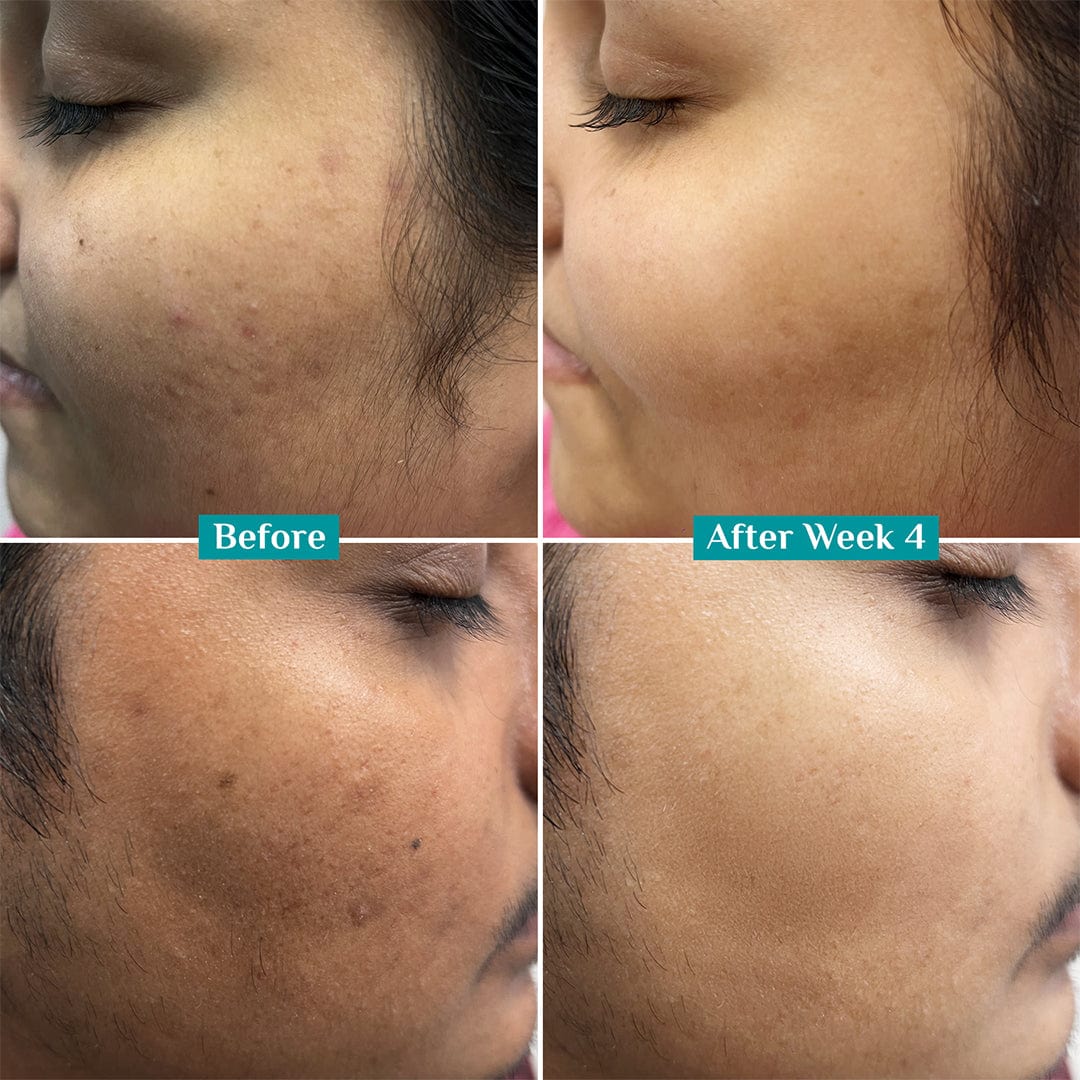
Dark spots from acne scars often cause uneven skin tone. Vitamin C lightens these pigmented areas. It inhibits melanin production, leading to a more balanced complexion. Regular use can visibly fade dark marks over time.
Enhancing Skin Repair
Vitamin C stimulates collagen production. Collagen is essential for skin strength and elasticity. Higher collagen levels help fill in acne scars and smooth the skin’s surface. It also supports new, healthy skin growth for better repair.

Credit: clearstem.com
Best Ways To Use Vitamin C For Scars
Using vitamin C effectively can make a significant difference in reducing the appearance of acne scars. The key is knowing how to apply it and combine it with other treatments for the best results. Let’s break down the best ways you can use vitamin C to help your skin heal and glow.
Topical Serums And Creams
Vitamin C serums are a popular choice for targeting acne scars directly. They deliver a concentrated dose of antioxidants right to the skin, helping to brighten dark spots and promote collagen production. When choosing a serum, look for one with a concentration between 10% and 20% vitamin C for maximum effectiveness without irritation.
Apply the serum after cleansing and before moisturizing. Consistency matters—using it daily can speed up scar fading. Remember, some vitamin C products can make your skin sensitive to sunlight, so always follow up with sunscreen during the day.
Dietary Sources
Your skin reflects what you eat, so adding vitamin C-rich foods to your diet supports scar healing from the inside out. Citrus fruits like oranges and lemons, strawberries, kiwi, and bell peppers are excellent sources. Eating these regularly helps your body produce collagen naturally, which is essential for repairing damaged skin.
Are you getting enough vitamin C in your meals? Sometimes, a simple smoothie packed with fruits can boost your intake without effort. It’s a tasty way to support your skin’s recovery journey alongside topical treatments.
Combining With Other Treatments
Vitamin C works best when paired with other scar-fighting ingredients and treatments. Combining it with products containing niacinamide or hyaluronic acid can enhance hydration and improve skin texture. You might also consider professional options like microneedling or chemical peels, which can increase vitamin C absorption and accelerate healing.
Have you tried mixing your vitamin C serum with other products? Be cautious—some combinations can cause irritation. Patch testing new mixes before full application helps you avoid unwanted reactions while maximizing benefits.
Scientific Evidence And Studies
Scientific studies have explored vitamin C’s role in reducing acne scars. Research focuses on its ability to improve skin healing and reduce pigmentation. This section reviews clinical trials, expert views, and study limits.
Clinical Trial Results
Several clinical trials tested vitamin C on acne scars. Most used topical vitamin C creams or serums. Results showed improved skin texture and reduced dark spots in many cases.
One study found 10% vitamin C serum boosted collagen production. This helped soften scar tissue and smooth skin. Another trial showed reduced redness and pigmentation after daily vitamin C use for eight weeks.
Some trials combined vitamin C with other treatments like retinoids. These showed better results than vitamin C alone. Still, effectiveness varied by scar type and skin sensitivity.
Expert Opinions
Dermatologists often recommend vitamin C for acne scars. They praise its antioxidant effect and role in collagen growth. Experts note it helps with post-inflammatory hyperpigmentation.
Many suggest vitamin C as part of a broader skincare routine. It pairs well with sunscreen and moisturizers. Experts warn that vitamin C alone may not erase deep scars.
Some specialists advise caution for sensitive skin. Vitamin C can cause irritation or redness in some people. They recommend patch testing before regular use.
Limitations And Considerations
Not all studies show strong vitamin C effects on scars. Differences in vitamin C concentration and formula affect outcomes. Stability of vitamin C in products is also a concern.
Vitamin C breaks down quickly when exposed to air and light. This reduces its effectiveness. Proper storage and packaging matter for results.
Long-term studies are limited. Most research covers short periods, usually under three months. More data is needed on lasting benefits and optimal use.
Potential Side Effects And Precautions
Using vitamin C for acne scars can offer great benefits, but it’s important to be aware of potential side effects and take precautions. Not everyone’s skin reacts the same way, and misuse can sometimes cause irritation or worsen your condition. Knowing what to watch for and how to apply vitamin C safely will help you get the best results without setbacks.
Skin Sensitivity Issues
Vitamin C can make your skin more sensitive, especially to sunlight. If you notice redness, itching, or a burning sensation after applying vitamin C products, your skin may be reacting negatively.
Some people experience mild peeling or dryness as their skin adjusts. This doesn’t always mean you should stop, but you might need to reduce how often you use it or switch to a gentler formula.
Have you ever tried a product that promised results but left your skin feeling raw? That’s why patch testing a small area first is crucial before applying vitamin C all over your face.
Proper Dosage And Application
Applying too much vitamin C won’t speed up healing and may irritate your skin. Most serums work well at concentrations between 10% and 20%. Higher doses can be harsh and are best avoided unless recommended by a professional.
Use vitamin C in the morning paired with sunscreen to protect your skin from UV damage. Avoid mixing it with strong acids like glycolic or salicylic acid in the same routine to prevent irritation.
Remember, consistency is key. Applying a small amount daily often beats heavy use a few times a week.
When To Consult A Dermatologist
If your acne scars or skin irritation persist despite careful use, it’s time to ask for expert advice. A dermatologist can recommend the right type of vitamin C product or alternative treatments tailored to your skin type.
Severe redness, swelling, or pain after using vitamin C should prompt a professional visit. These might signal an allergic reaction or an underlying condition needing medical attention.
Are you unsure if vitamin C is right for your skin? A simple consultation can save you frustration and keep your skin healthy.
Additional Tips For Scar Healing
Healing acne scars requires more than just topical treatments. Several lifestyle and skin care habits can boost the skin’s recovery process. These additional tips support scar healing and improve overall skin health.
Sun Protection
Sun exposure can darken acne scars and slow healing. Use a broad-spectrum sunscreen with at least SPF 30 daily. Wear hats and seek shade during peak sun hours. Protecting skin from UV rays prevents scars from becoming more visible.
Hydration And Moisturizing
Keeping skin hydrated helps repair damaged tissue. Drink plenty of water throughout the day. Apply a gentle moisturizer suited for your skin type. Moisturizers create a barrier that locks in moisture and supports skin regeneration.
Healthy Lifestyle Habits
A balanced diet rich in vitamins and minerals aids skin repair. Avoid smoking and limit alcohol, as they hinder healing. Regular exercise improves blood flow, delivering nutrients to skin cells. Good sleep boosts the body’s natural repair processes.
Credit: discoverpilgrim.com
Frequently Asked Questions
Does Vitamin C Reduce Acne Scars Effectively?
Vitamin C helps fade acne scars by promoting collagen production and skin repair. It also brightens dark spots and evens skin tone. Regular use of Vitamin C serums can improve scar appearance over time.
How Does Vitamin C Improve Skin Texture?
Vitamin C enhances skin texture by stimulating collagen synthesis, which strengthens the skin’s structure. It also fights free radicals, reducing inflammation and promoting smoother, healthier skin.
Can Vitamin C Prevent New Acne Scars?
Yes, Vitamin C can reduce inflammation and support faster skin healing. This helps prevent new scars by minimizing skin damage from acne breakouts.
What Form Of Vitamin C Is Best For Scars?
L-ascorbic acid is the most effective form of Vitamin C for acne scars. It penetrates deeply, boosts collagen, and brightens skin, making scars less noticeable.
Conclusion
Vitamin C can help reduce acne scars over time. It works by boosting skin healing and brightening dark spots. Consistent use and patience are key to seeing results. Combine it with good skincare habits for best effects. Remember, everyone’s skin reacts differently.
Consult a dermatologist for personalized advice. Clearer, healthier skin takes time and care. Vitamin C is a useful tool in your skincare routine. Keep your expectations realistic and stay committed. Small steps lead to better skin in the long run.
