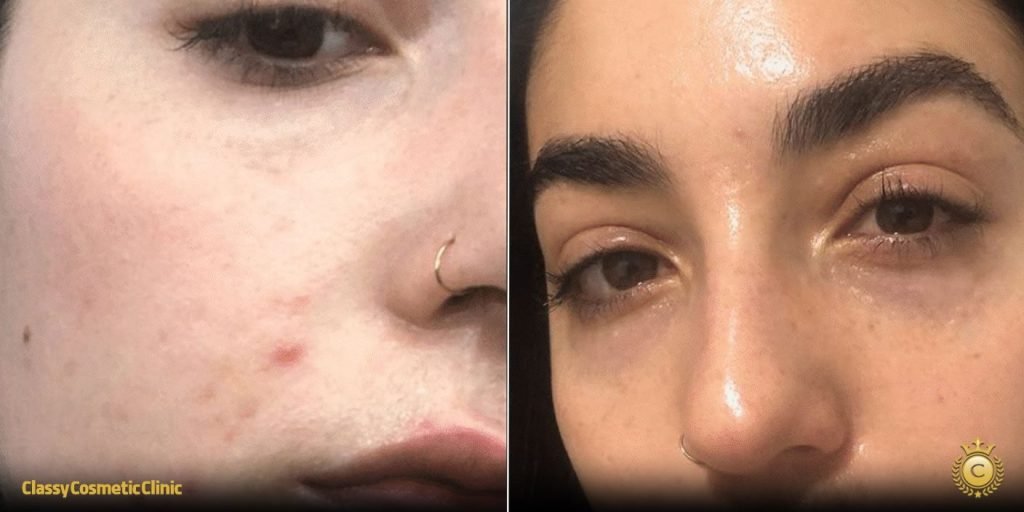
Are you tired of battling stubborn acne scars that refuse to fade? You’re not alone.
Acne scars can be a frustrating reminder of past skin battles, affecting your confidence and self-esteem. But what if there was a way to tackle these scars effectively? Enter Accutane, a powerful ally in the fight against acne scars. Known for its strong impact on severe acne, Accutane might just be the answer you’ve been searching for.
But how does it work on scars, and is it right for you? Dive into the world of Accutane for acne scars and discover how it could transform your skin and boost your confidence. Keep reading to find out if this might be your ultimate solution.
How Accutane Works
Understanding how Accutane works can help you decide if it’s the right choice for treating your acne scars. This powerful medication targets the root causes of acne and influences your skin’s healing process. Knowing its effects will give you clearer expectations and help you manage your treatment journey.
Mechanism Of Action
Accutane, also known as isotretinoin, reduces the amount of oil your skin produces. Excess oil can clog pores and cause acne, so cutting down oil helps prevent new breakouts.
It also shrinks the size of oil glands, making them less active over time. This means fewer chances for bacteria to grow and cause inflammation.
Additionally, Accutane slows down the growth of skin cells inside pores. This prevents dead cells from building up and blocking pores, which often leads to acne.
Impact On Skin Healing
Accutane doesn’t just clear acne; it can improve how your skin heals after breakouts. By reducing inflammation, it helps minimize the damage that leads to scars.
However, healing can feel slow at first because your skin is adjusting to the treatment. You might notice dryness or peeling, but this is part of the process as old, damaged skin sheds.
Over time, the skin builds new, healthier layers, which can soften the appearance of scars. Your skin becomes smoother and more even, though results vary from person to person.
Accutane For Acne Scars
Accutane is widely known for treating severe acne, but its effects on acne scars often surprise people. While it doesn’t erase scars instantly, it can improve the skin’s texture and reduce the appearance of certain scars over time. Understanding how Accutane works on different scar types can help you set realistic expectations and decide if it’s the right option for your skin.
Effectiveness On Different Scar Types
Not all acne scars respond the same way to Accutane. It tends to be more effective on red or pigmented scars caused by inflammation rather than deep, pitted scars.
For example, hypertrophic scars (raised scars) and post-inflammatory hyperpigmentation often show noticeable improvement after treatment. However, deeper scars like icepick or boxcar scars usually require additional treatments like laser therapy or microneedling.
Have you noticed your scars changing color or texture after starting Accutane? This can be a sign that your skin is healing beneath the surface.
Treatment Duration And Results
Accutane treatment for acne scars typically lasts several months, often between four to six months, depending on the dosage and individual response.
Results don’t appear overnight. Most people start seeing subtle improvements in skin smoothness and scar fading around the third or fourth month. Patience is key because the skin continues to renew even after completing the course.
- Stick to your dermatologist’s dosage plan for the best outcome.
- Protect your skin from sun exposure to avoid darkening scars.
- Combine with gentle skincare to support healing.
Are you prepared for the commitment Accutane requires to improve your scars? Knowing what to expect can help you stay motivated through the process.
Complementary Treatments
Accutane can reduce acne scars, but some marks may remain. Complementary treatments help improve skin texture and appearance. These treatments work well alongside Accutane for better results.
Microneedling And Laser Therapy
Microneedling creates tiny holes in the skin to boost collagen. This helps smooth out acne scars over time. Laser therapy uses focused light to remove damaged skin layers. It also stimulates new skin growth. Both methods can reduce scar depth and improve skin tone.
Chemical Peels And Dermabrasion
Chemical peels apply acids to peel off the top skin layer. This reveals fresher, smoother skin underneath. Dermabrasion uses a spinning tool to gently sand the skin’s surface. It removes scarred layers and encourages new skin to grow. These treatments fade scars and even out skin texture.
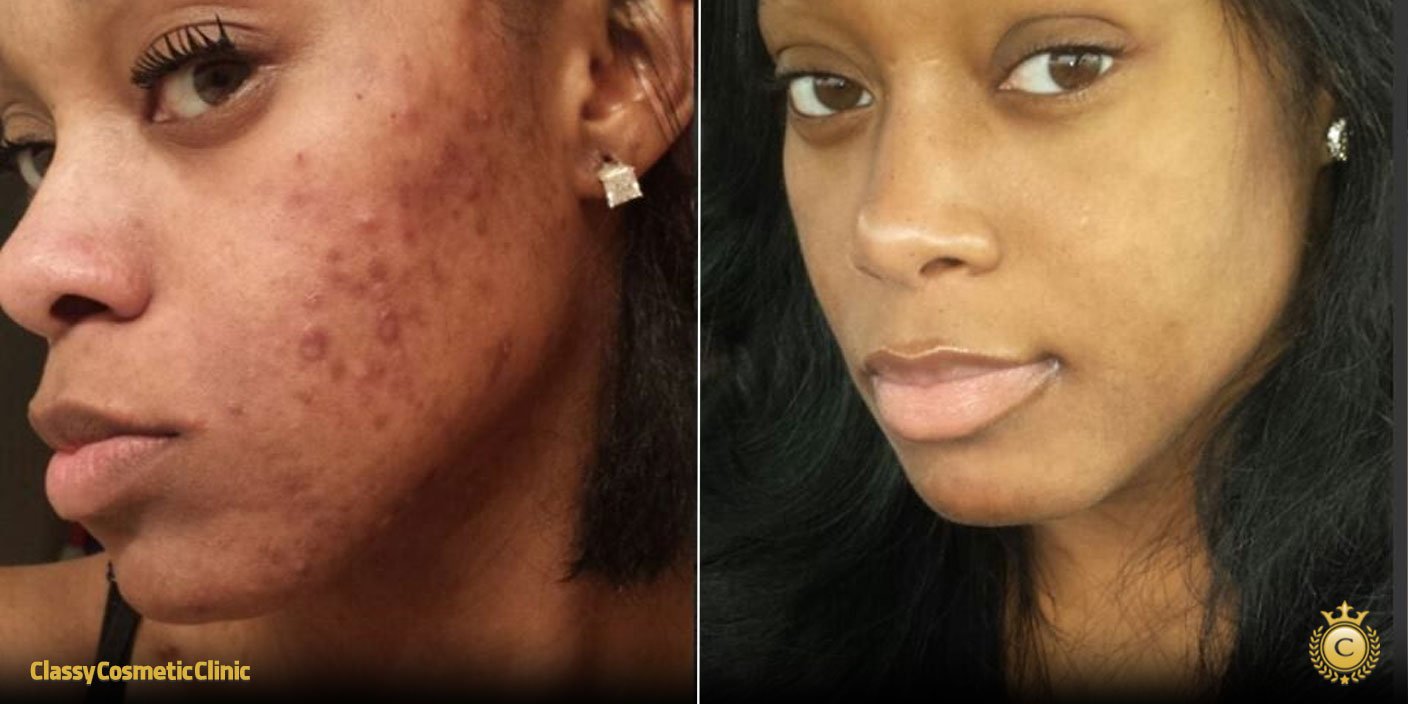
Credit: www.classycosmeticclinic.com
Potential Side Effects
Accutane is a powerful medication known for its effectiveness in treating severe acne and reducing acne scars. However, its potency comes with a range of potential side effects that you should be aware of before starting treatment. Understanding these effects helps you make informed decisions and prepares you to manage any reactions responsibly.
Common Reactions
Many people experience mild side effects while on Accutane. Dry skin, chapped lips, and increased sensitivity to the sun are among the most frequent complaints.
Other common reactions include:
- Dry eyes or irritation
- Nosebleeds due to dry nasal passages
- Temporary muscle or joint pain
These reactions often begin within the first few weeks and may lessen as your body adjusts. Have you noticed any skin changes or discomfort after starting treatment? Tracking these early signs can help you communicate effectively with your doctor.
Managing Risks
Accutane requires careful monitoring because some side effects can be serious. Your healthcare provider will likely schedule regular blood tests to check liver function and cholesterol levels during your course.
To reduce risks, consider the following:
- Use a gentle moisturizer to combat dryness
- Avoid prolonged sun exposure and wear sunscreen daily
- Stay hydrated to support your skin and overall health
Women must take special precautions due to the high risk of birth defects. Are you prepared to follow strict guidelines if you’re of childbearing age? Being proactive and open with your healthcare team can make your treatment safer and more effective.
Patient Experiences
Patient experiences with Accutane for acne scars show a wide range of outcomes. Many users share detailed stories about their skin’s transformation. These stories help others understand what to expect during treatment. Some find great success, while others face certain difficulties. Listening to real experiences adds valuable insight.
Success Stories
Many patients report noticeable improvements in acne scars after using Accutane. Their skin becomes smoother and scars fade over time. Some describe feeling more confident and happier with their appearance. Consistent use, under doctor supervision, often leads to positive results. Several users mention clearer skin even months after finishing treatment.
- Reduction in scar size and redness
- Improved skin texture and tone
- Long-lasting clearer skin
- Boost in self-esteem and confidence
Challenges Faced
Accutane treatment can bring some challenges. Dry skin and lips are common side effects. Some patients experience mood changes or fatigue. The treatment period can be long and requires patience. Strict medical monitoring is necessary to avoid serious risks.
- Dryness and peeling skin
- Temporary worsening of acne
- Possible mood swings or tiredness
- Need for regular blood tests
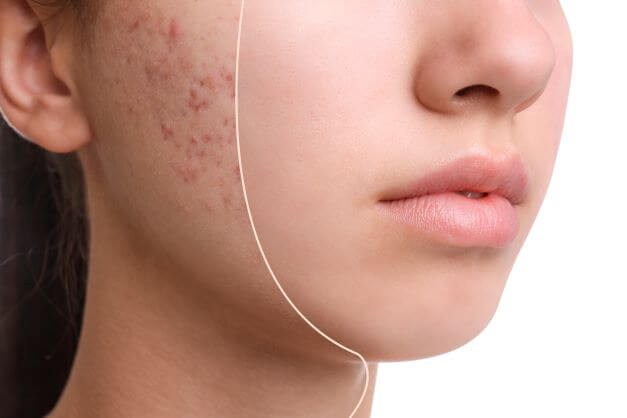
Credit: www.usdermatologypartners.com
Tips For Best Results
Achieving the best results with Accutane for acne scars requires more than just medication. Careful attention to your skincare routine and lifestyle habits plays a vital role. These tips help support your skin’s healing and reduce side effects.
Skincare Routine
Gentle cleansing is key. Use a mild, non-irritating cleanser twice daily. Avoid scrubbing or harsh exfoliants that can damage sensitive skin. Moisturize often to prevent dryness and flaking.
- Choose fragrance-free, non-comedogenic products
- Apply broad-spectrum sunscreen daily with SPF 30 or higher
- Skip makeup or use minimal, non-pore-clogging formulas
- Pat your skin dry instead of rubbing
These steps protect your skin barrier and help Accutane work effectively.
Lifestyle Considerations
Stay hydrated by drinking plenty of water each day. Proper hydration aids skin repair and prevents excessive dryness. Avoid excessive sun exposure and tanning beds, as Accutane increases skin sensitivity.
- Wear protective clothing and hats outdoors
- Limit alcohol consumption, which may worsen dryness
- Eat a balanced diet rich in fruits, vegetables, and healthy fats
- Get enough sleep to support skin regeneration
Healthy habits complement Accutane treatment and encourage clearer, smoother skin.
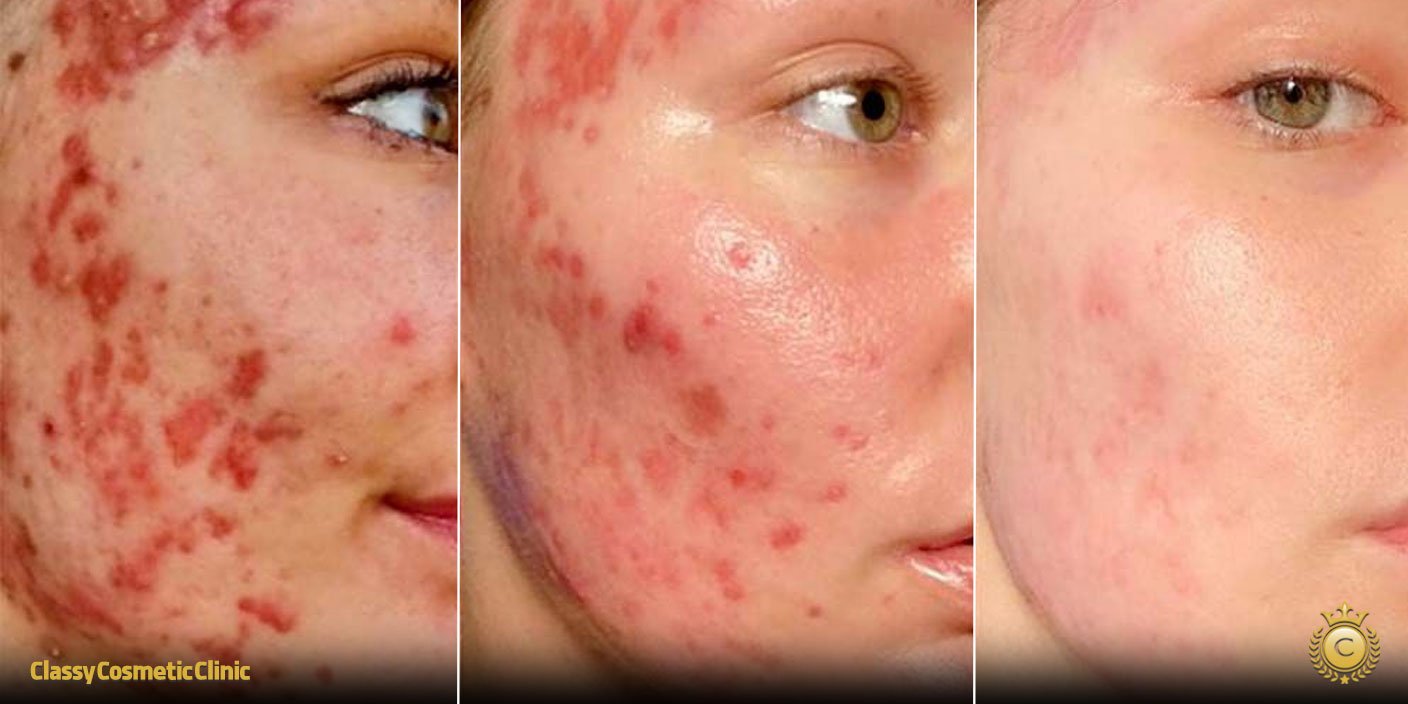
Credit: www.classycosmeticclinic.com
Frequently Asked Questions
How Does Accutane Help With Acne Scars?
Accutane reduces active acne, preventing new scars. It also promotes skin renewal, which may improve existing scars over time. However, it is primarily for acne treatment, not scar removal.
Can Accutane Completely Remove Acne Scars?
No, Accutane cannot completely remove acne scars. It helps prevent new scars by treating acne but only mildly improves old scars through skin healing and renewal.
How Long Does Accutane Take To Affect Acne Scars?
Accutane usually takes several months to improve acne. Scar improvement happens gradually and may continue months after treatment ends.
Are There Side Effects Of Accutane For Scar Treatment?
Yes, Accutane can cause side effects like dry skin, sensitivity, and mood changes. Always consult a doctor before use.
Conclusion
Accutane can help reduce acne scars over time. It works by shrinking oil glands and healing skin. Results vary from person to person. Patience is key during the treatment process. Always follow your doctor’s advice carefully. Healthy skin habits support better healing too.
Consult a dermatologist to see if Accutane suits you. Clearer skin is possible with proper care and time.
