Imagine a world where your furry friend’s coat is not only shiny but also healthy and free from itchy irritations. Sounds perfect, right?
If you’ve been on a quest to find natural remedies to enhance your dog’s skin health, then coconut oil might just be the game-changer you’ve been looking for. This humble oil, often found in our kitchens, holds the secret to soothing, nourishing, and transforming your dog’s skin.
But how exactly does it work? And why should you consider adding it to your pet care routine? Dive into this article to uncover the magical benefits of coconut oil for your dog’s skin and learn how to use it effectively. Your dog deserves the best, and you’re about to find out why coconut oil could be the perfect addition to their skincare regimen.
Benefits For Dog Skin
Coconut oil offers many benefits for your dog’s skin. It nourishes and protects the skin naturally. Regular use can improve your dog’s coat and skin health. This natural oil works gently to soothe and heal common skin issues.
Moisturizing Dry Skin
Coconut oil deeply moisturizes dry and flaky skin. It penetrates easily to hydrate the skin layers. This helps prevent cracking and irritation. Soft, smooth skin becomes visible with consistent use. It forms a protective barrier to lock in moisture.
Soothing Itchy Spots
It calms itching caused by dryness or allergies. The oil cools irritated areas and reduces the urge to scratch. This prevents further damage and infection. Applying coconut oil offers quick relief for uncomfortable spots.
Healing Hot Spots And Rashes
Coconut oil helps heal hot spots and rashes fast. It has natural antibacterial and antifungal properties. These fight infections and reduce redness. The skin repairs quicker with less chance of scarring.
Reducing Inflammation
The oil reduces inflammation in swollen or sensitive skin. It soothes redness and discomfort effectively. Anti-inflammatory compounds help calm your dog’s skin. This supports faster recovery from irritation or injury.

Credit: kin-kind.com
How Coconut Oil Works
Coconut oil offers many benefits for your dog’s skin. It works by fighting harmful germs, soothing irritation, and nourishing the skin deeply. Understanding how it works helps you see why it is popular for dog skin care.
Antibacterial Properties
Coconut oil contains natural substances that kill bacteria. These substances stop infections and reduce skin redness. They help keep your dog’s skin clean and healthy.
Antifungal Effects
The oil also fights fungal infections like yeast. It prevents fungi from growing on the skin. This reduces itching and flaking in dogs with skin problems.
Rich In Fatty Acids
Coconut oil is full of fatty acids that hydrate the skin. These acids repair dry, cracked, or damaged skin layers. They keep your dog’s coat soft and shiny.
Choosing The Right Coconut Oil
Choosing the right coconut oil is key for your dog’s skin health. Not all coconut oils are the same. Some types suit dogs better than others. Knowing the differences helps you pick the best option.
Virgin Vs Refined
Virgin coconut oil is made from fresh coconut meat. It keeps more natural nutrients and has a strong coconut smell. Refined coconut oil is processed to remove impurities and scent. It has a neutral smell and fewer nutrients. For skin care, virgin coconut oil is usually better. It offers more antioxidants and fatty acids that help heal skin.
Organic Options
Organic coconut oil comes from coconuts grown without pesticides or chemicals. This makes it safer for dogs with sensitive skin. Look for labels that say 100% organic. This ensures no harmful additives. Organic oils are often fresher and purer. They can reduce the risk of skin irritation.
Storage Tips
Store coconut oil in a cool, dark place. Avoid heat and sunlight to keep it fresh longer. Use a clean, dry spoon to scoop oil. This prevents contamination. Coconut oil can last several months if stored well. Keeping it sealed tightly stops it from going rancid.

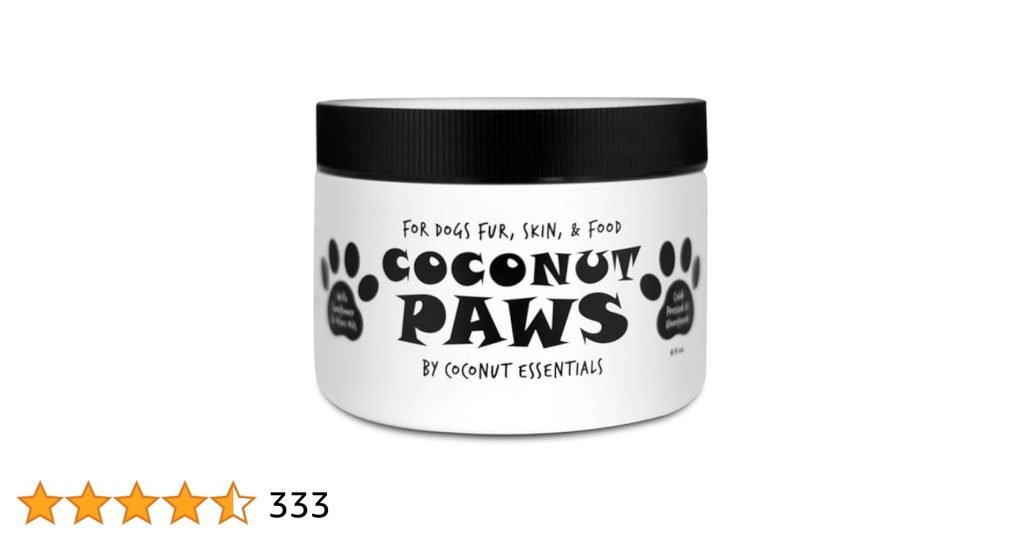
Credit: www.amazon.com
Application Methods
Knowing how to apply coconut oil correctly can make a big difference in your dog’s skin health. There are simple ways to use it that fit easily into your routine. Whether you want to soothe dry patches or boost your dog’s overall wellness, choosing the right method matters.
Topical Use
Applying coconut oil directly to your dog’s skin can help relieve itching and dryness quickly. Start with a small amount—about a pea-sized dab—and gently massage it into the affected area.
Watch how your dog reacts; some may enjoy the massage, while others might lick it off immediately. You can apply it once or twice daily, focusing on problem spots like flaky skin or hot spots.
Keep a towel handy to avoid greasy furniture, and remember that consistency is key for visible improvement.
Adding To Diet
Mixing coconut oil into your dog’s food can improve skin health from the inside out. It provides healthy fats that support shiny coats and reduce inflammation.
Try stirring in a small spoonful with their regular meals. Some dogs love the taste; others may need it mixed with wet food to mask the flavor.
Does your dog have a sensitive stomach? Start with a tiny amount and watch for any digestive changes before increasing.
Recommended Dosages
| Dog Weight | Daily Coconut Oil Amount |
|---|---|
| Up to 15 lbs | ¼ to ½ teaspoon |
| 15 to 30 lbs | ½ to 1 teaspoon |
| 30 to 50 lbs | 1 to 1½ teaspoons |
| Over 50 lbs | 1½ to 2 teaspoons |
Stick to these guidelines to avoid overfeeding, which can lead to weight gain or digestive upset. Always introduce coconut oil slowly and observe your dog’s response.
Have you tried both topical and dietary methods? Which worked best for your dog’s skin? Your experience can help others make the right choice.
Precautions And Side Effects
Using coconut oil on your dog’s skin can offer many benefits, but it’s important to be aware of the precautions and potential side effects. Every dog reacts differently, so understanding these risks helps you keep your furry friend safe and comfortable.
Allergic Reactions
Some dogs may be allergic to coconut oil. Watch for signs like redness, itching, swelling, or unusual bumps after applying it.
If your dog shows any of these symptoms, stop using the oil immediately. A patch test on a small skin area before full application can prevent surprises.
Overuse Risks
Applying too much coconut oil can clog pores and cause greasy skin or fur. This can lead to more irritation or even infections.
Feeding large amounts of coconut oil can upset your dog’s stomach, causing diarrhea or vomiting. Moderation is key—stick to recommended amounts.
Consulting A Vet
Before adding coconut oil to your dog’s skincare routine, ask your vet for advice. They can recommend the right dosage and check for any underlying conditions that might be affected.
Have you ever tried a new product on your dog without consulting a professional? How did that turn out? Getting expert guidance can save your pet from unnecessary discomfort.
Success Stories
Many dog owners have shared positive experiences using coconut oil for their pets’ skin issues. These success stories highlight how coconut oil can soothe irritation and improve coat health. Real examples show its potential benefits clearly.
Real-life Examples
- Lucy, a golden retriever, had dry, flaky skin. After two weeks of coconut oil application, her skin became soft and less itchy.
- Max, a beagle, suffered from hot spots. Coconut oil helped reduce redness and speed healing within days.
- Bella, a poodle, had a dull coat and occasional dandruff. Regular coconut oil use restored shine and moisture.
- Charlie, a bulldog, experienced allergy-related irritation. Applying coconut oil twice daily eased his discomfort significantly.
Before And After Results
| Condition | Before Coconut Oil | After Coconut Oil |
|---|---|---|
| Dry Skin | Flaky, rough patches | Smoother, hydrated skin |
| Itching | Frequent scratching | Reduced irritation |
| Dull Coat | Lackluster, dry fur | Shiny, healthy fur |
| Hot Spots | Red, inflamed areas | Healed, calm skin |
Alternatives And Complements
For dogs with skin issues, coconut oil is not the only option. Several alternatives and complements can support skin health effectively. These choices can work well together or separately, depending on your dog’s needs. Exploring other natural oils, dietary supplements, and lifestyle changes can provide a balanced approach to skin care.
Other Natural Oils
Various natural oils offer benefits similar to coconut oil. They often contain fatty acids that nourish the skin and coat. Some popular options include:
- Olive oil – Rich in antioxidants and good fats.
- Fish oil – High in omega-3 fatty acids, reduces inflammation.
- Jojoba oil – Moisturizes without clogging pores.
- Sunflower oil – Contains vitamin E, supports skin repair.
Each oil has unique properties. Choose based on your dog’s skin condition and sensitivity.
Dietary Supplements
Supplements can boost skin health from the inside. They provide essential nutrients missing in regular diets. Common supplements include:
- Omega-3 and omega-6 fatty acids – Help reduce dryness and itching.
- Vitamin E – Supports skin healing and protects cells.
- Zinc – Important for skin repair and immune function.
- Probiotics – Improve digestion and reduce skin allergies.
Consult a vet before adding supplements. Proper dosage is important for safety.
Lifestyle Changes
Simple changes at home can improve your dog’s skin health. A clean, stress-free environment helps the skin heal. Consider these tips:
- Regular grooming – Removes dirt and dead skin cells.
- Balanced diet – Provides nutrients for healthy skin and coat.
- Fresh water – Keeps skin hydrated from within.
- Limit exposure to harsh chemicals – Avoid irritants in shampoos and sprays.
Small lifestyle adjustments can make a big difference over time.

Credit: www.goodrx.com
Frequently Asked Questions
Can Coconut Oil Improve My Dog’s Skin Health?
Yes, coconut oil moisturizes and soothes dry, itchy skin in dogs. It has antibacterial and antifungal properties that help heal skin infections and promote a healthy coat.
How Should I Apply Coconut Oil To My Dog’s Skin?
Apply a small amount of coconut oil directly to your dog’s skin or fur. Massage gently to ensure even coverage and absorption. Use it 2-3 times weekly for best results.
Is Coconut Oil Safe For Dogs To Ingest?
Coconut oil is generally safe for dogs when given in small amounts. It can improve digestion and skin health. However, always consult a vet before adding it to your dog’s diet.
Can Coconut Oil Help With Dog Skin Allergies?
Yes, coconut oil can reduce inflammation and irritation caused by allergies. Its natural anti-inflammatory properties soothe itchy, red skin, providing relief for allergic dogs.
Conclusion
Coconut oil can help keep your dog’s skin healthy and soft. It soothes dryness and reduces itching quickly. Use it in small amounts to avoid any problems. Always watch your dog for any allergic reactions. Healthy skin means a happier, more comfortable dog.
Try adding coconut oil to your dog’s care routine today. Simple care can make a big difference. Give your dog the gentle skin relief they deserve.
