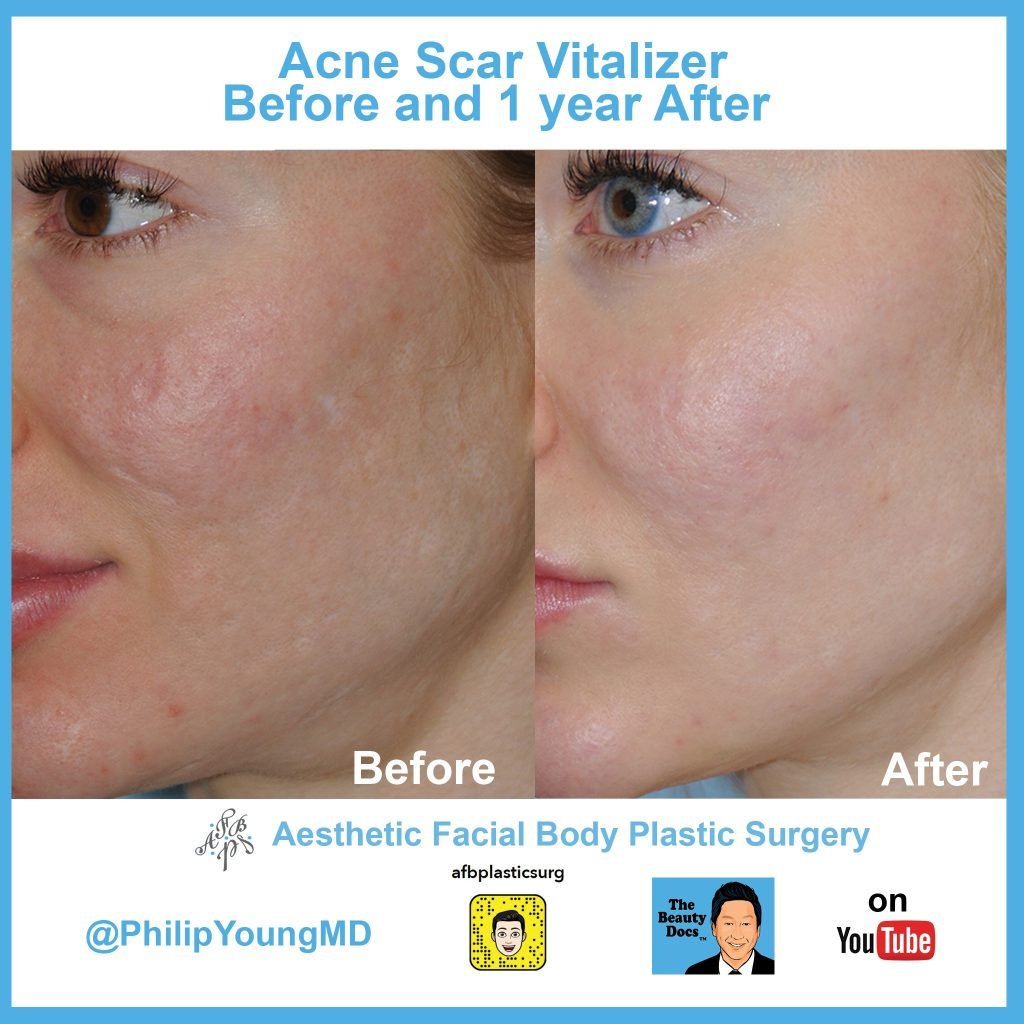
Imagine looking in the mirror and seeing a clearer, smoother version of your skin staring back at you. Acne scars can be a stubborn reminder of past battles with acne, but they don’t have to define your complexion forever.
You deserve to feel confident and proud of your skin, and a facial specifically designed for acne scars might be the game-changer you’ve been searching for. In this blog post, we’ll dive into how these facials work, what you can expect, and why they could be the key to unlocking the radiant, scar-free skin you’ve always wanted.
Don’t let acne scars hold you back any longer—your journey to a fresher, more confident you starts here. Keep reading to discover how you can transform your skin and reclaim your self-esteem.
Causes Of Acne Scars
Acne scars form when your skin repairs itself after an acne breakout. The healing process can leave marks or indentations depending on how deep the acne was and how your skin responds. Understanding the causes behind acne scars can help you take better care of your skin and choose the right facial treatments to reduce their appearance.
Types Of Acne Scars
Not all acne scars look the same. Recognizing the type of scar you have is key to finding the most effective treatment.
- Atrophic scars:These are sunken scars caused by a loss of tissue. They include boxcar scars, which are broad and have sharp edges, and icepick scars, which are narrow and deep.
- Hypertrophic scars:These are raised scars that form due to excess collagen during healing.
- Keloid scars:Similar to hypertrophic but larger and extend beyond the original wound site.
Have you noticed if your scars are raised or sunken? This simple observation can guide you to the best facial or dermatological treatment.
Factors Affecting Scar Formation
Why do some people get scars easily while others don’t? Several factors influence how your skin heals after acne.
- Severity of acne:Deeper and more inflamed acne lesions often cause more noticeable scars.
- Skin type:People with oily skin or certain ethnic backgrounds may be more prone to keloid or hypertrophic scars.
- Picking or squeezing pimples:This can increase inflammation and damage tissue, making scars more likely.
- Genetics:Your body’s natural healing response plays a big role in scar formation.
- Delay in treatment:Ignoring acne or not treating it properly can lead to worsening scars.
Think about your own habits—could avoiding pimple picking and seeking early treatment reduce the scars on your face?
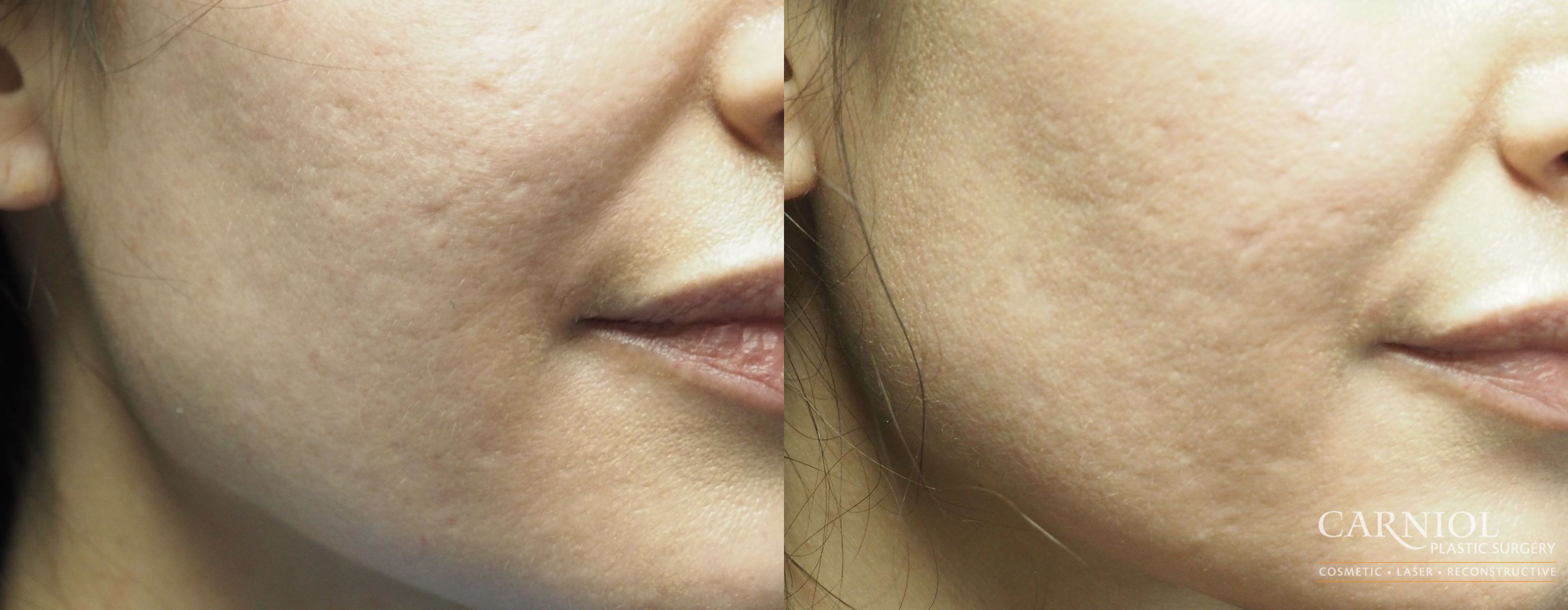
Credit: drcarniol.com
Facial Treatments For Acne Scars
Acne scars can affect your skin’s texture and confidence. Facial treatments offer ways to reduce their appearance. These treatments target scar tissue and promote skin healing. Choosing the right treatment depends on scar type and skin condition.
Chemical Peels
Chemical peels use acids to remove the top skin layer. This process reveals smoother, fresh skin underneath. It helps fade shallow acne scars and evens skin tone. Peels vary in strength and recovery time.
Microdermabrasion
Microdermabrasion gently exfoliates the skin using tiny crystals. It removes dead skin cells and stimulates new growth. This treatment reduces mild acne scars and improves skin texture. Sessions are quick with minimal discomfort.
Microneedling
Microneedling creates tiny punctures in the skin using fine needles. This triggers collagen production to heal scars naturally. It works well for various acne scar types. Multiple sessions yield better results over time.
Laser Therapy
Laser therapy uses focused light beams to resurface the skin. It breaks down scar tissue and promotes collagen growth. This treatment suits deeper scars and uneven skin. Recovery time varies depending on laser type.
Dermal Fillers
Dermal fillers inject substances to lift and smooth indented scars. Results appear immediately and last several months. This option is less invasive and requires little downtime. It works best for rolling and boxcar scars.
Home Remedies And Skincare Tips
Dealing with acne scars can feel frustrating, especially when you want visible results without harsh treatments. Home remedies and smart skincare habits offer gentle ways to improve your skin’s texture over time. They help you take control of your healing process daily, making a real difference in how your skin looks and feels.
Natural Ingredients For Scar Reduction
Many natural ingredients have properties that support skin healing and scar fading. Ingredients like aloe vera soothe inflammation and boost skin repair. Honey acts as a natural moisturizer and has antibacterial effects that keep your skin healthy.
Other useful options include:
- Lemon juice:Contains vitamin C, which helps lighten dark scars. Use it sparingly and always dilute to avoid irritation.
- Coconut oil:Rich in fatty acids that nourish skin and promote regeneration.
- Tea tree oil:Helps reduce redness and fight acne-causing bacteria.
Have you ever tried mixing these ingredients into a simple mask? Many find that consistent use, even twice a week, gradually improves their skin’s tone and softness.
Daily Skincare Routine
Consistency in your daily routine is key to managing acne scars. Start with a gentle cleanser to remove dirt without stripping moisture. Follow with a toner that balances your skin’s pH.
Moisturizing is crucial to keep your skin hydrated and support its healing. Look for products containing niacinamide or hyaluronic acid; these ingredients help smooth texture and reduce scar visibility. Avoid harsh scrubs or over-exfoliating, which can worsen scars or cause irritation.
Do you pay attention to how your skin reacts each day? Adjusting your routine based on your skin’s needs can speed up recovery and prevent new scars.
Sun Protection Importance
Sun exposure can darken acne scars, making them more noticeable and slowing the healing process. Applying sunscreen daily, even on cloudy days, protects your skin from harmful UV rays.
Choose a broad-spectrum sunscreen with at least SPF 30. Reapply every two hours if you are outdoors. Wearing hats or seeking shade adds extra protection.
Have you noticed scars darkening after spending time outside without protection? Taking simple sun safety steps can help your skin heal faster and keep scars from getting worse.

Credit: www.classycosmeticclinic.com
Choosing The Right Treatment
Choosing the right treatment for acne scars can make a huge difference in your skin’s appearance and confidence. Each scar type and skin condition demands a specific approach. Understanding your options and what fits your unique situation helps you avoid wasting time and money on ineffective solutions.
Consultation With Dermatologists
Talking to a dermatologist is the best first step. They can assess your skin type, scar severity, and overall health. This expert insight helps tailor treatments that work specifically for you.
During the consultation, be honest about your skin history and any allergies. Your dermatologist might suggest a combination of treatments rather than a single solution. Would you rather try a quick fix or a long-term plan that fits your lifestyle?
Factors To Consider
- Scar Type:Different scars, like ice pick, boxcar, or rolling scars, respond better to certain treatments.
- Skin Sensitivity:Some treatments can irritate sensitive skin or cause pigmentation changes.
- Budget:Costs vary widely; knowing your budget upfront can narrow down your options.
- Time Commitment:Some procedures require multiple sessions and downtime; others offer quicker recovery.
Think about your daily schedule and how much downtime you can realistically handle. Are you ready to invest time and patience for the best results?
Expected Results And Recovery Time
Each treatment offers different results and healing periods. For example, laser resurfacing can give dramatic improvements but may require a week or more to heal. Chemical peels might offer moderate results with shorter recovery.
Ask your dermatologist to show before-and-after photos of patients with similar scars. This helps set realistic expectations and avoids disappointment. What kind of change feels worth the effort and wait for you?
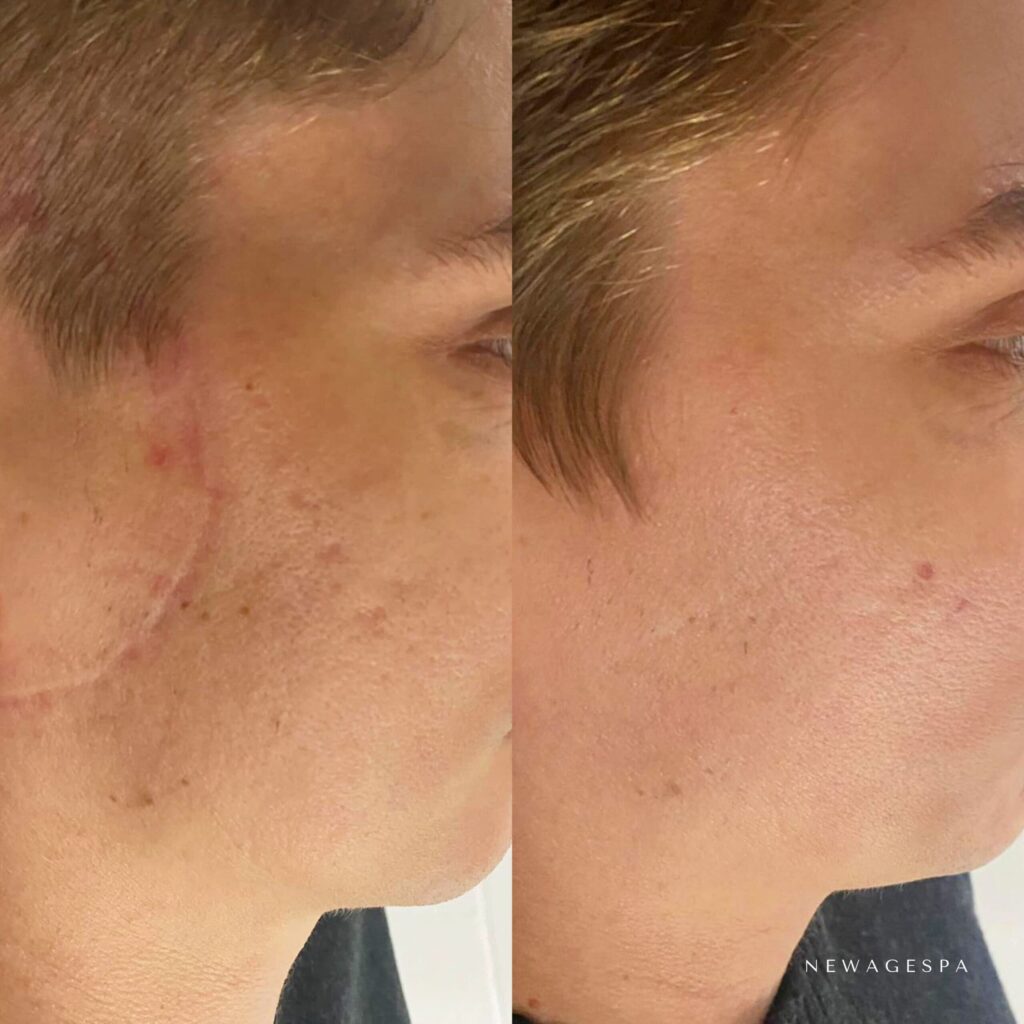
Credit: newagespa.ca
Frequently Asked Questions
What Is A Facial For Acne Scars?
A facial for acne scars is a specialized skincare treatment. It targets scarred skin to promote healing and improve texture. These facials often use exfoliation, hydration, and serums to reduce scar visibility. They help boost collagen and skin regeneration for smoother skin.
How Effective Are Facials For Reducing Acne Scars?
Facials can improve mild to moderate acne scars by enhancing skin texture. They stimulate collagen production and remove dead skin cells. However, deep scars may require additional treatments like microneedling or laser therapy for better results.
How Often Should I Get A Facial For Acne Scars?
For best results, get a facial for acne scars every 3 to 4 weeks. Consistent treatments support skin renewal and scar fading. Your skincare specialist can recommend the ideal frequency based on your skin type and scar severity.
Can Facials Prevent New Acne Scars From Forming?
Yes, facials help prevent new acne scars by treating active acne early. They cleanse pores, reduce inflammation, and promote healing. This minimizes the chance of scars forming from future breakouts.
Conclusion
Facials can help reduce the look of acne scars over time. Regular treatments improve skin texture and tone gently. Choosing the right facial depends on your skin type. Consistency and patience bring the best results for scars. Always follow a good skincare routine at home.
Healthy skin starts with proper care and attention. Consult a skincare expert to find the best facial for you. Clearer, smoother skin is possible with the right approach. Small steps make a big difference in skin health. Keep your skin clean, nourished, and protected daily.
