Finding the perfect foundation for combination skin can feel like a constant battle. You want something that controls shine without drying out your cheeks.
You need a formula that stays put in oily areas but doesn’t cake on your drier patches. If you’ve been frustrated by foundations that just don’t work the way you want, you’re not alone. This guide will help you discover exactly what to look for in a foundation that balances your skin’s unique needs.
Keep reading, and you’ll learn how to achieve a flawless, natural finish that lasts all day—no more touch-ups or uneven textures. Your skin deserves it.

Credit: www.yahoo.com
Choosing The Right Foundation
Choosing the right foundation is key for combination skin. This skin type has both oily and dry areas, making it tricky to find a perfect match. The right foundation balances these areas without causing shine or dryness. It improves your skin’s look and feels comfortable all day.
Types Suitable For Combination Skin
- Liquid foundations with a satin finish work well for combination skin.
- Mousse foundations offer a lightweight feel and control shine.
- Powder foundations help absorb oil in the T-zone but may dry out cheeks.
- BB creams or tinted moisturizers provide light coverage and hydration.
Matching Shades Perfectly
Test foundation shades on your jawline, not your hand. This area shows your true skin tone. Check the color in natural light to see if it blends well. Choose a shade that disappears into your skin without leaving a line. Consider your undertone: cool, warm, or neutral. This helps the foundation look natural.
Ingredients To Look For
- Non-comedogenic ingredients prevent clogged pores and breakouts.
- Oil-free formulas help control shine on oily areas.
- Hydrating ingredients like glycerin or hyaluronic acid soothe dry patches.
- Mattifying agents keep oily zones shine-free without drying the skin.
- Look for foundations with SPF for added sun protection.

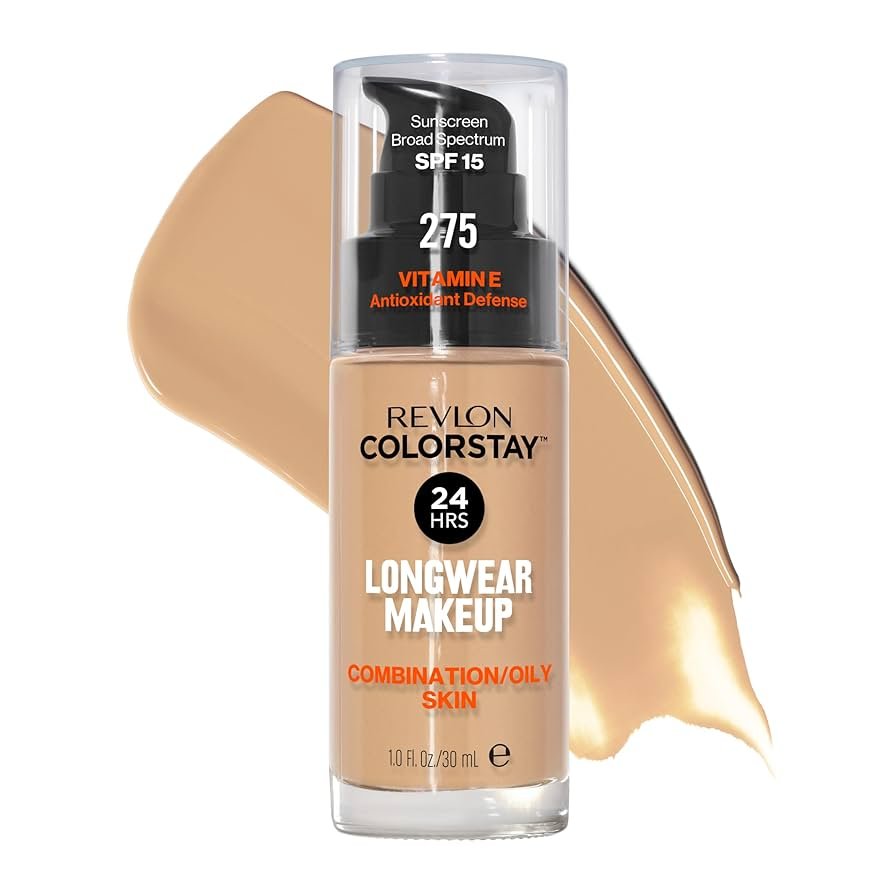
Credit: www.amazon.com
Prepping Your Skin
Prepping your skin properly is the secret to flawless foundation, especially when managing combination skin. This skin type demands a delicate balance—hydrating dry areas without making oily zones greasy. How you prepare your skin sets the stage for makeup that lasts and looks natural.
Cleansing For Balance
Start with a gentle cleanser that cleans deeply but doesn’t strip your skin’s natural oils. Look for formulas labeled “balanced” or “for combination skin.”
Using harsh cleansers can make oily areas produce even more oil, while drying out the rest of your face. I once switched to a mild gel cleanser and noticed my makeup stayed smoother all day without touch-ups.
Moisturizing Without Overdoing
Moisturizing combination skin can feel tricky—too much and your T-zone shines, too little and dry patches peel. Choose a lightweight, non-comedogenic moisturizer that hydrates without clogging pores.
Apply moisturizer only where your skin feels dry, like cheeks, and use a smaller amount on oilier areas. Have you tried gels or water-based moisturizers? They often provide hydration without heaviness.
Primers That Work Best
Primers are game-changers for combination skin. They help smooth texture and control oil without drying out dry patches.
- Use mattifying primers on your forehead and nose to reduce shine.
- Pick hydrating primers on cheeks and other dry spots to keep skin plump.
- Consider silicone-based primers to fill pores and create an even canvas for foundation.
Choosing the right primer can make you ask: why settle for one-size-fits-all when your skin clearly needs more?
Application Techniques
Applying foundation on combination skin requires careful techniques. The goal is to balance oily and dry areas for a smooth finish. Proper application helps the foundation last longer and look natural. Using the right tools and methods makes a big difference.
Tools To Use
- Makeup sponge: Blends foundation well without streaks.
- Flat foundation brush: Offers precise coverage on problem areas.
- Dense buffing brush: Helps create an even, airbrushed look.
- Fingers: Warm the product for easy blending on dry patches.
Layering For Even Coverage
Start with a thin layer of foundation. Focus on areas needing the most coverage. Build up slowly instead of applying a thick layer at once. Use a light hand to avoid cakiness. Blend each layer well before adding more. This technique ensures a smooth, natural finish.
Targeting Oily And Dry Zones
Apply foundation differently on oily and dry zones. Use mattifying products on oily areas like the T-zone. Apply hydrating foundation or primer on dry patches. Blend carefully to avoid visible lines between zones. Pat foundation on oily spots to reduce shine. Use gentle strokes on dry skin to keep it smooth.
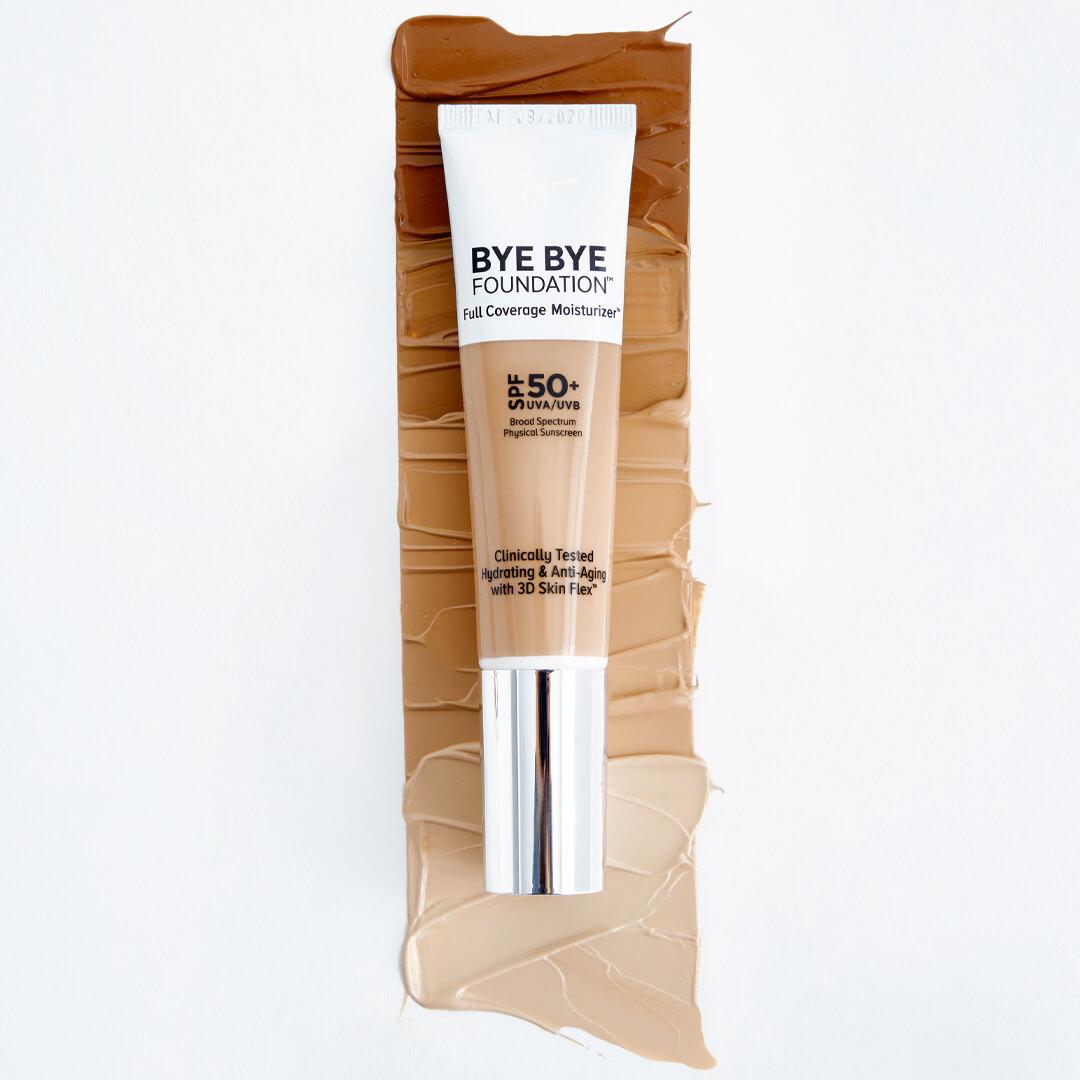
Credit: www.ipsy.com
Setting The Foundation
Setting the foundation for combination skin can feel like walking a tightrope. You want to balance the oily zones without drying out the drier patches. The right approach can make your makeup last longer and look flawless throughout the day.
Powders Vs. Sprays
Choosing between powders and sprays depends on your skin’s unique needs. Powders work well to absorb shine, especially in oily areas like the T-zone. However, they can sometimes emphasize dry patches if applied too heavily.
Sprays add a refreshing finish and help blend your foundation seamlessly. They lock in moisture without adding extra weight, which is perfect for your dry areas. Think about using a light setting spray after powder to balance both effects.
Controlling Shine
Controlling shine without stripping your skin is tricky but doable. Target shine with blotting papers during the day instead of piling on powder. This avoids cakey buildup and keeps your skin breathable.
Try a mattifying primer before foundation to keep oily areas in check. You can also mix a tiny amount of translucent powder with your foundation for an all-over matte finish that’s not too flat.
Longevity Tips
Want your foundation to stay put all day? Start with clean, moisturized skin to create a smooth base. Avoid heavy creams that can cause foundation to slide off.
Layering is key—use a light foundation and build coverage where needed. Set your makeup with a combination of powder and spray to lock everything in place without looking dry.
Have you noticed your foundation fading midday? Try carrying a mini setting spray for quick touch-ups. It can revive your look instantly and keep shine at bay.
Fixing Common Issues
Foundation for combination skin can be tricky. You may face patchiness, cakey finish, or need quick touch-ups. Fixing these common issues helps your makeup look fresh and smooth all day.
Dealing With Patchiness
Patchiness happens when foundation sticks unevenly. Dry patches absorb more product, making skin look blotchy. Start with a good moisturizer. Use a gentle exfoliator once or twice a week. Apply foundation in thin layers. Use a damp makeup sponge to blend well. This helps foundation settle evenly on your skin.
Avoiding Cakey Finish
Too much foundation can look heavy and cakey. Use small amounts and build coverage slowly. Avoid powder over oily areas; it can make skin look dry. Choose a lightweight, oil-free foundation. Set your makeup with a light mist instead of extra powder. This keeps your skin looking natural and smooth.
Touch-up Tricks
Carry blotting papers for oily spots. Gently press to remove shine without ruining makeup. Use a small amount of foundation or concealer for quick fixes. A clean sponge or brush helps blend touch-ups seamlessly. Keep your lips and cheeks fresh with a tinted balm or cream blush.
Frequently Asked Questions
What Is The Best Foundation For Combination Skin?
The best foundation for combination skin balances oil control and hydration. Look for lightweight, oil-free, and non-comedogenic formulas. Matte-finish foundations work well for oily areas, while hydrating formulas suit dry patches. Choose products labeled for combination skin for optimal results.
How To Apply Foundation On Combination Skin?
Start with a primer suitable for combination skin to balance texture. Use a damp sponge or brush for even application. Apply foundation thinly on oily areas and build coverage on dry spots. Blend well to avoid patchiness and ensure smooth finish.
Can Foundation Worsen Combination Skin Issues?
Using the wrong foundation can clog pores and increase oiliness or dryness. Choose non-comedogenic, breathable formulas designed for combination skin to avoid irritation. Proper skin prep and removal of makeup also prevent worsening skin problems.
Should I Use Different Foundations On Oily And Dry Areas?
It’s effective to use different products for oily and dry zones. Use mattifying foundation on the T-zone and hydrating foundation on dry areas. This technique balances the skin’s needs and creates a flawless, natural look.
Conclusion
Finding the right foundation for combination skin is vital. It balances oily and dry areas. Choose products that hydrate without excess oil. Look for lightweight formulas. They should offer good coverage. Matte finishes help control shine. Read labels carefully. Ingredients matter a lot.
Try samples to test reactions. Always cleanse and moisturize before applying. This ensures a smooth base. Your skin will thank you. Enjoy a flawless, balanced look every day.
