Do you struggle with flaky patches, a tight feeling, or an overall dull complexion? If so, you’re not alone.
Many people find themselves battling the challenges of dry skin. But what if there was a way to transform your skin from parched to perfectly hydrated? Imagine waking up each morning to a soft, glowing face that feels as good as it looks.
In this guide, we’ll walk you through a skincare routine specifically designed for dry skin. By the end of this article, you’ll have the tools and knowledge to nourish your skin effectively. Ready to discover the secrets to a radiant complexion? Let’s dive in!
Credit: www.walmart.ca
Causes Of Dry Skin
Understanding the causes of dry skin is key to managing and improving your skincare routine effectively. Dry skin can feel tight, flaky, and uncomfortable, but identifying what’s behind it helps you choose the right products and habits. Let’s look at some common reasons your skin might be lacking moisture.
Environmental Factors
Cold weather and low humidity can strip moisture from your skin quickly. I noticed my skin getting dry and cracked every winter until I realized how harsh the dry air was. Indoor heating can also dry out your skin, so using a humidifier might make a big difference.
Sun exposure damages your skin barrier, causing it to lose water more easily. Are you protecting your skin with sunscreen daily? Even brief time in the sun can dehydrate your skin without you realizing it.
Lifestyle Habits
Your daily habits play a huge role in skin moisture levels. Hot showers and harsh soaps can remove natural oils, leaving your skin vulnerable. I switched to lukewarm water and gentle cleansers and saw immediate improvement.
Drinking water is essential, but it’s easy to overlook. Ask yourself: How much water do you drink daily? Hydration from the inside supports skin moisture better than any cream.
Smoking reduces blood flow and damages collagen, making dry skin worse. Quitting smoking might be the best skincare step you take.
Skin Conditions
Sometimes dry skin points to underlying conditions like eczema or psoriasis. These require special care beyond basic moisturizing. If your dryness is persistent or accompanied by redness and itching, consulting a dermatologist is crucial.
Even common allergies and sensitivities to products can cause dryness and irritation. Have you noticed your skin reacting after trying new skincare items or detergents? Identifying and avoiding triggers can stop dryness before it starts.

Credit: www.colorescience.com
Key Ingredients For Hydration
Hydration is the foundation of any effective skincare routine for dry skin. Understanding the key ingredients that boost and lock in moisture can make a noticeable difference in how your skin feels and looks. Let’s break down the main types of ingredients that work together to keep your skin nourished and hydrated.
Humectants
Humectants draw water from the environment and deeper skin layers to the surface. Ingredients like glycerin, hyaluronic acid, and aloe vera are popular humectants. They provide immediate hydration, making your skin feel plump and refreshed.
Have you noticed how some moisturizers leave your skin feeling sticky? That’s often because of humectants attracting moisture. Pairing them correctly with other ingredients can prevent that tacky sensation and maximize hydration.
Emollients
Emollients soften and smooth the skin by filling in the tiny cracks between skin cells. Think of ingredients such as shea butter, squalane, and jojoba oil. They improve skin texture and make it feel supple without clogging pores.
In my experience, switching to an emollient-rich cream helped reduce the flakiness that humectants alone couldn’t fix. If your skin feels rough or tight, emollients might be what’s missing from your routine.
Occlusives
Occlusives form a protective barrier that locks moisture in your skin. Ingredients like petrolatum, beeswax, and dimethicone are effective occlusives. They prevent water loss, especially in harsh weather or dry indoor environments.
Ever wake up with dry patches despite moisturizing at night? Adding an occlusive as the last step can seal in all that hydration. It’s a simple trick that keeps your skin hydrated for longer.
Daily Skincare Steps
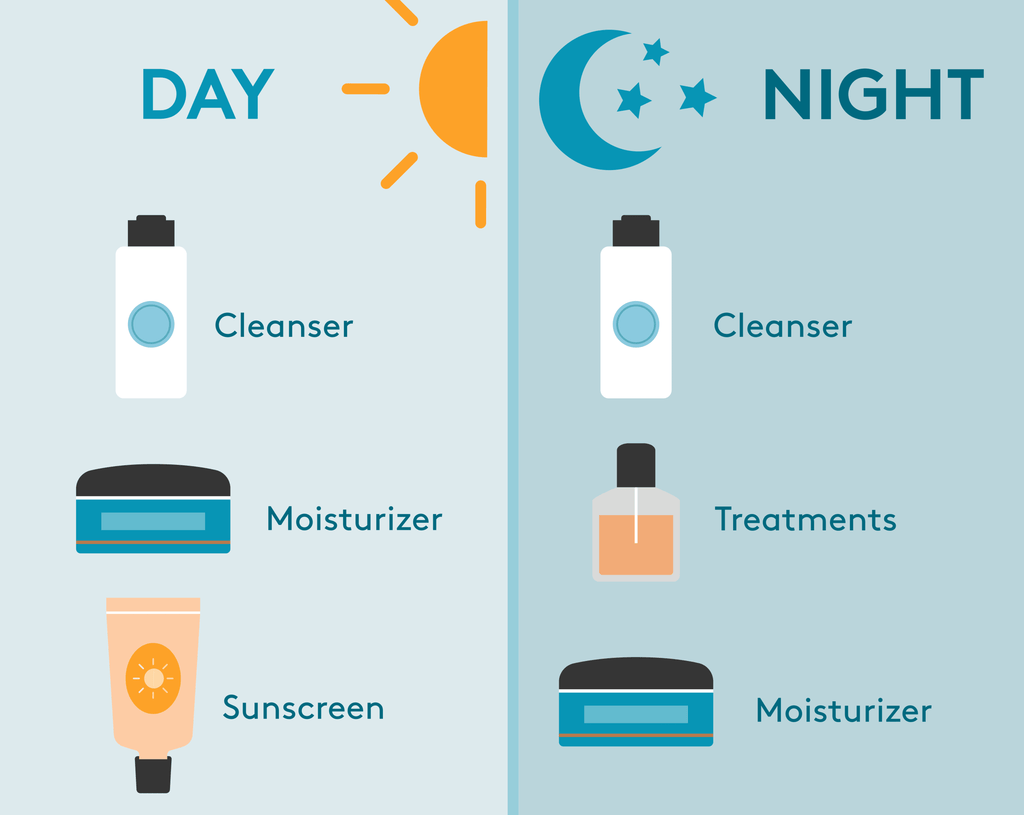
Taking care of dry skin every day requires a thoughtful routine that focuses on hydration and protection. Each step you take can either support your skin’s moisture barrier or strip it away. Are you ready to treat your skin gently and effectively with simple daily actions?
Cleansing Techniques
Choose a gentle, hydrating cleanser that doesn’t foam aggressively or leave your skin feeling tight. Look for ingredients like glycerin or hyaluronic acid that help retain moisture.
Wash your face with lukewarm water instead of hot water to avoid stripping natural oils. Pat your skin dry with a soft towel rather than rubbing it harshly.
Toning For Moisture
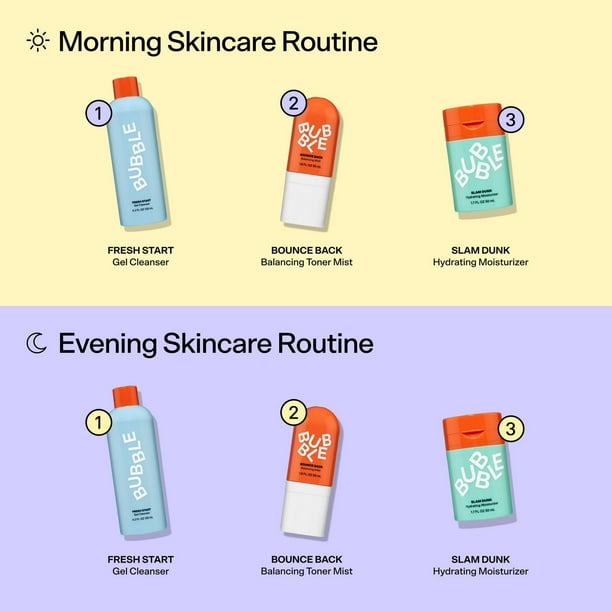
Skip toners with alcohol, which can worsen dryness. Instead, pick a toner that adds hydration and soothes your skin.
Apply the toner with your hands by gently pressing it onto your face to lock in moisture. This simple step can make a big difference in how your skin feels throughout the day.
Moisturizing Effectively
Use a rich moisturizer formulated for dry skin, preferably with ingredients like ceramides, shea butter, or squalane. These help rebuild the skin barrier and keep moisture locked in.
Apply moisturizer while your skin is still slightly damp to maximize absorption. Don’t forget delicate areas like your neck and around the eyes.
Sun Protection
Dry skin needs sun protection just as much as any other skin type. Choose a broad-spectrum sunscreen with added moisturizing properties to avoid extra dryness.
Apply sunscreen every morning, even on cloudy days. Have you noticed how skipping this step can lead to irritation or flaky patches?
Weekly Treatments
Weekly treatments give your dry skin the extra care it needs beyond daily cleansing and moisturizing. They help restore moisture, remove dead skin cells, and improve your skin’s texture. Adding these treatments to your routine can make a noticeable difference in how soft and hydrated your skin feels.
Hydrating Masks
Hydrating masks are a must for dry skin. They deliver intense moisture and nutrients deep into your skin. Look for masks with ingredients like hyaluronic acid, aloe vera, or glycerin to lock in hydration.
Apply a hydrating mask once or twice a week, leaving it on for 10 to 20 minutes. You’ll often feel your skin plump up instantly after rinsing. Have you tried using a refrigerated mask? The cool sensation can reduce redness and soothe irritation.
Exfoliation Tips
Exfoliation removes dead skin cells that can make dry skin look dull and flaky. However, over-exfoliating can strip away natural oils, making dryness worse. Choose gentle exfoliants like a mild enzyme peel or a soft scrub designed for sensitive skin.
Exfoliate no more than once a week and always follow with a rich moisturizer. If you notice any redness or tightness, reduce the frequency. What’s your current exfoliation routine, and how does your skin respond afterward?
Lifestyle Changes For Better Skin
Improving dry skin goes beyond creams and lotions. Small lifestyle changes can make a big difference. These changes help your skin stay soft and healthy from the inside out. Focus on simple daily habits to support your skin’s moisture and glow.
Hydration And Diet
Water is key for keeping skin hydrated. Drink plenty of water throughout the day. This helps your skin cells stay full and fresh.
Eat foods rich in healthy fats. Examples include avocados, nuts, and olive oil. These fats protect your skin barrier and reduce dryness.
Include fruits and vegetables high in vitamins A, C, and E. They help repair skin and fight damage. Think carrots, spinach, and berries.
Sleep And Stress Management
Sleep allows your skin to heal and renew itself. Aim for 7 to 8 hours of quality sleep every night. Poor sleep can make skin look dull and dry.
Stress affects your skin’s ability to stay healthy. Practice relaxation techniques like deep breathing or meditation. Reducing stress can calm your skin and improve moisture levels.
Common Mistakes To Avoid
Taking care of dry skin needs careful steps. Many people make mistakes that can worsen dryness or irritation. Avoid these errors to keep your skin soft and healthy.
Over-cleansing
Washing your face too often removes natural oils. These oils protect and hydrate dry skin. Cleanse only twice a day with gentle products. Avoid hot water, which can dry skin more.
Using Harsh Products
Strong cleansers or scrubs can irritate dry skin. Look for mild, fragrance-free products made for sensitive skin. Avoid alcohol and heavy perfumes in skincare. These can cause redness and itchiness.
Product Recommendations
Choosing the right products is key for dry skin care. The right items clean, hydrate, and nourish without stripping moisture. Gentle ingredients help protect your skin’s natural barrier. Below are product types to include in your routine for soft, healthy skin.
Cleansers
Select cleansers that hydrate and cleanse gently. Avoid harsh soaps and foaming agents that dry out skin. Cream-based or oil-based cleansers work best.
- Hydrating cream cleansers with ingredients like glycerin or hyaluronic acid
- Oil-based cleansers that dissolve dirt without stripping oils
- Sulfate-free formulas to prevent irritation
Moisturizers
Moisturizers must lock in hydration and repair the skin barrier. Thick creams or balms suit dry skin well. Look for nourishing oils and humectants.
- Rich creams with ceramides and shea butter
- Products containing hyaluronic acid to attract moisture
- Formulas with natural oils like jojoba or almond oil
Serums
Serums provide targeted treatment for dryness and dullness. Lightweight and fast-absorbing types work well under moisturizers. Focus on hydrating and soothing ingredients.
- Hyaluronic acid serums for deep hydration
- Vitamin E serums to calm and protect skin
- Antioxidant-rich serums to support skin repair

Credit: andalou.com
Frequently Asked Questions
What Is The Best Cleanser For Dry Skin?
Use a gentle, hydrating cleanser without harsh chemicals. Look for ingredients like glycerin or hyaluronic acid. Avoid foaming cleansers that strip natural oils.
How Often Should I Moisturize Dry Skin Daily?
Moisturize at least twice a day—morning and night. Apply immediately after cleansing to lock in moisture. Use a rich, creamy moisturizer for lasting hydration.
Can Dry Skin Benefit From Exfoliation?
Yes, but limit exfoliation to once or twice a week. Use a mild exfoliant to remove dead skin cells. Avoid harsh scrubs that can irritate dry skin.
What Ingredients Help Soothe Dry, Flaky Skin?
Look for moisturizing ingredients like ceramides, shea butter, and aloe vera. These help restore the skin barrier and reduce irritation. Avoid alcohol or fragrances that cause dryness.
Conclusion
Dry skin needs gentle care every day. Choose products that add moisture and protect skin. Cleanse softly and avoid hot water. Apply moisturizer while skin is still damp. Drink plenty of water to stay hydrated. Protect skin from harsh weather and sun.
Consistency helps skin feel soft and smooth. Small changes make a big difference over time. Keep your routine simple and steady. Healthy skin feels good and looks fresh. Try these tips and notice the change. Your skin will thank you.
