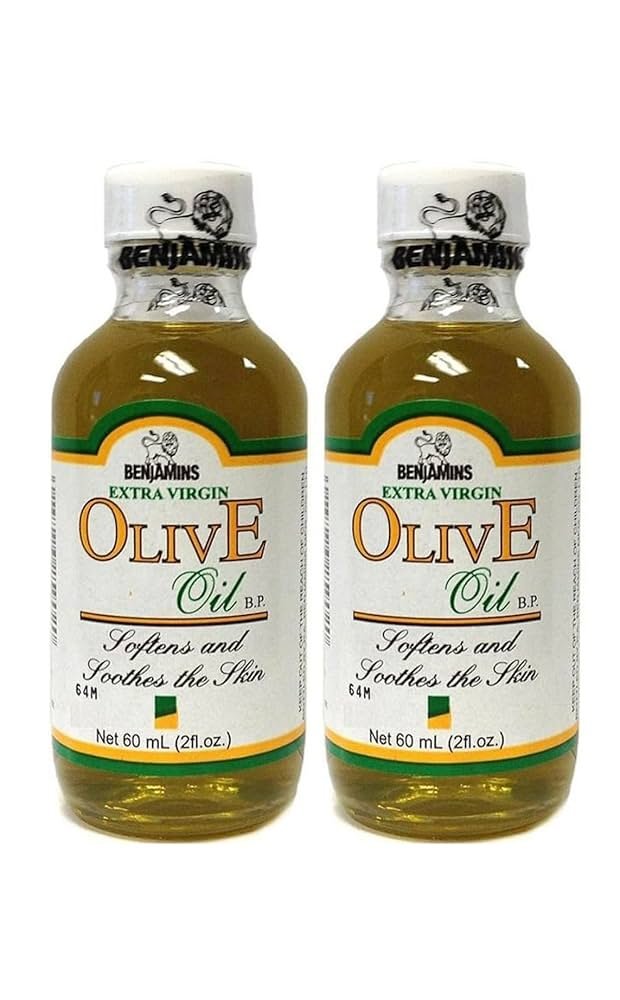
Imagine unlocking the secret to radiant skin with just a few drops of nature’s liquid gold. Yes, we’re talking about olive oil, a staple in your kitchen that holds the key to transforming your skincare routine.
You might already drizzle it over salads or use it in cooking, but have you ever considered its magic for your skin? This isn’t just about hydration; olive oil is packed with antioxidants and vitamins that can rejuvenate your skin, making it smoother and more youthful.
If you’re tired of complex skincare regimens and countless products cluttering your bathroom shelf, you might find the simplicity and effectiveness of olive oil a refreshing change. Discover why olive oil deserves a prime spot in your skincare arsenal and how it can bring out the natural glow you’ve been longing for. Stay with us, and we’ll dive into the fascinating world of olive oil for skin.
Nutritional Profile Of Olive Oil
Olive oil is more than just a cooking ingredient. Its rich nutritional profile makes it a popular choice for skin care. The components inside olive oil help nourish and protect the skin deeply. Understanding these nutrients reveals why olive oil benefits skin health.
Key Antioxidants
Olive oil contains antioxidants that protect skin cells. These compounds fight free radicals that cause skin damage. The main antioxidants found are:
- Polyphenols – Strong plant compounds that reduce inflammation.
- Hydroxytyrosol – A potent antioxidant that soothes the skin.
- Vitamin E – Protects skin from oxidative stress and aging.
These antioxidants help maintain smooth and youthful skin.
Essential Fatty Acids
Fatty acids in olive oil keep skin soft and hydrated. The oil is rich in:
- Oleic acid – A monounsaturated fat that strengthens skin barrier.
- Linoleic acid – Supports skin repair and moisture retention.
These fats improve skin elasticity and prevent dryness.
Vitamins And Minerals
Olive oil provides vitamins and minerals important for skin health. Key nutrients include:
- Vitamin K – Aids in skin healing and reduces dark circles.
- Vitamin A – Supports skin cell renewal and smoothness.
- Calcium and iron – Help maintain skin strength and glow.
These vitamins and minerals nourish the skin from within.

Credit: www.walmart.com
Moisturizing Effects
Olive oil is well known for its moisturizing effects on the skin. It deeply nourishes and softens dry, rough patches. Its natural properties help maintain skin’s moisture balance. Using olive oil can leave skin feeling smooth and hydrated all day.
Hydration Benefits
Olive oil contains fatty acids that lock moisture into the skin. These fats form a protective layer to keep skin hydrated longer. It helps skin cells absorb water and stay plump. Regular use improves skin’s overall moisture levels.
Preventing Dryness
Dry skin often feels tight and flaky. Olive oil soothes this by restoring natural oils lost from the skin. It helps prevent cracking and irritation. Applying olive oil regularly reduces dryness and roughness.
Enhancing Skin Barrier
The skin barrier protects from pollutants and moisture loss. Olive oil strengthens this barrier with antioxidants and vitamins. It repairs damage and supports healthy skin function. A stronger barrier means healthier, more resilient skin.
Anti-aging Properties
Olive oil isn’t just a kitchen staple; it’s a powerful ally in your fight against aging skin. Its natural compounds work on multiple levels to keep your skin looking youthful and radiant. Let’s look at how olive oil tackles aging, from smoothing wrinkles to protecting your skin’s structure.
Reducing Wrinkles
Olive oil is rich in Vitamin E, a nutrient known to help reduce the appearance of wrinkles. Applying olive oil regularly can soften your skin, making fine lines less visible. Have you noticed how your skin feels smoother after using natural oils?
Its moisturizing properties keep your skin hydrated, which is crucial because dry skin tends to show wrinkles more. You can gently massage a few drops onto your face before bed and wake up with a refreshed look.
Boosting Collagen
Collagen is the protein that keeps your skin firm and elastic. Olive oil supports collagen production thanks to its antioxidants and healthy fats.
Using olive oil as part of your skincare routine can help maintain your skin’s strength and prevent sagging. Think about how your skin feels after a nourishing facial—olive oil offers similar benefits at home.
Protecting Against Free Radicals
Free radicals damage skin cells and accelerate aging. Olive oil contains polyphenols that neutralize these harmful molecules.
This protection helps slow down the skin’s aging process, keeping your complexion clearer and more vibrant. Next time you’re choosing a product, consider one with olive oil to give your skin this extra defense.
Credit: www.flipkart.com
Healing And Soothing
Olive oil has been used for centuries to heal and soothe the skin. Its natural compounds support skin repair and calm irritation. Rich in antioxidants and vitamins, olive oil nourishes the skin deeply. It can help reduce redness and discomfort.
Calming Irritated Skin
Olive oil gently soothes dry and itchy skin. Its moisturizing properties create a protective barrier. This barrier locks in moisture and prevents further irritation. Applying olive oil can ease discomfort from eczema or rashes. It softens rough patches and calms redness effectively.
Treating Minor Wounds
Olive oil aids in healing small cuts and scrapes. Its antibacterial qualities help keep wounds clean. It also promotes faster skin regeneration. Use a small amount on the affected area to reduce scarring. The oil forms a shield, protecting wounds from dirt and germs.
Relieving Inflammation
Olive oil contains anti-inflammatory compounds like oleocanthal. These help reduce swelling and pain in the skin. Applying olive oil can soothe sunburns and insect bites. It supports skin recovery and minimizes discomfort. Regular use helps maintain calm and healthy skin.
Using Olive Oil In Skin Care
Using olive oil in your skin care routine can be a simple yet powerful way to nourish and protect your skin. Its natural antioxidants and vitamins support skin health, making it a favorite for many who want gentle, effective care. Understanding how to apply and combine olive oil with other ingredients can help you get the best results without any guesswork.
Application Tips
Start with a small amount of extra virgin olive oil to avoid feeling greasy. Dab a few drops onto your fingertips and gently massage it into your skin using upward, circular motions.
Use olive oil as a nighttime moisturizer for dry patches or as a makeup remover that doubles as a skin softener. If you have oily or acne-prone skin, try mixing olive oil with your regular moisturizer instead of applying it alone.
Diy Olive Oil Masks
Creating your own olive oil masks is easy and customizable. Mix olive oil with honey for a hydrating mask that also fights bacteria and soothes redness.
- Combine 1 tablespoon of olive oil with 2 tablespoons of honey.
- Apply to your face and leave on for 15-20 minutes.
- Rinse with warm water and pat dry.
Another option is to blend olive oil with mashed avocado for extra nourishment and a boost of vitamins. Have you tried crafting your own mask yet?
Combining With Other Ingredients
Olive oil works well with many natural ingredients to enhance skin benefits. Adding a few drops of lemon juice can brighten your complexion, but be cautious with sensitive skin and always do a patch test first.
Mixing olive oil with aloe vera gel creates a soothing treatment perfect for calming irritated skin. You can even add a little sugar to make a gentle scrub that exfoliates while moisturizing.
- Olive oil + lemon juice = brightening serum
- Olive oil + aloe vera = calming gel
- Olive oil + sugar = natural exfoliating scrub
What ingredients do you already have at home that could pair well with olive oil?
Precautions And Considerations
Using olive oil on your skin can offer many benefits, but it’s important to be cautious. Not every type of olive oil suits every skin type, and some people might face unwanted reactions. Before making olive oil a part of your skincare routine, consider these key points to keep your skin healthy and glowing.
Allergy Risks
Though rare, some people can be allergic to olive oil. You might experience redness, itching, or swelling after applying it. Testing a small patch of skin first can help you avoid a full reaction.
Think about how your skin reacts to other oils or natural products. If you’ve had allergies before, it’s better to be cautious with olive oil, too.
Choosing The Right Olive Oil
Not all olive oils are created equal for skin care. Extra virgin olive oil is the best choice because it’s less processed and retains more antioxidants and nutrients. Avoid olive oil labeled for cooking only, as it may contain additives or impurities.
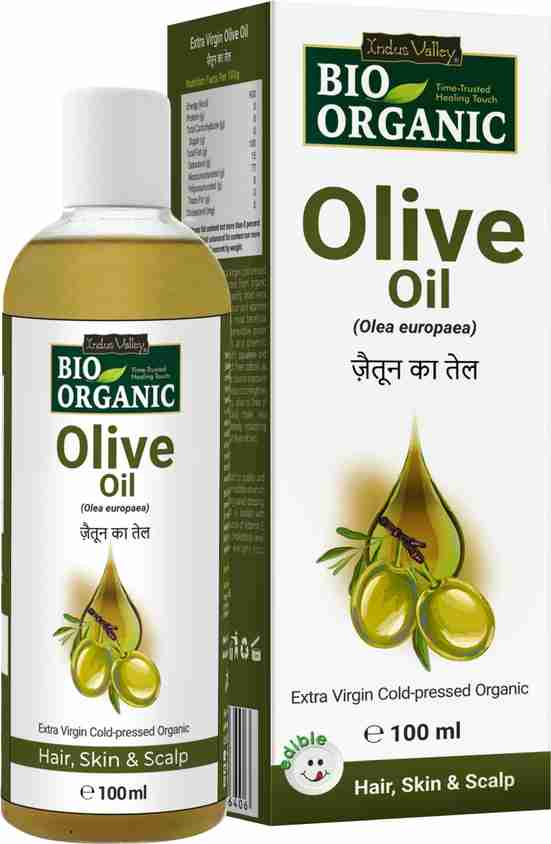
Look for cold-pressed, organic olive oil to reduce the risk of chemicals. If you want to be extra sure, check for brands that specify their oil is safe for cosmetic use.
Avoiding Pore Clogging
Olive oil is heavier than many other oils and can clog pores, especially if you have oily or acne-prone skin. Using it too often or in large amounts might cause breakouts.
Try applying a small amount at night and see how your skin responds. If your skin feels greasy or you notice more blackheads, it might be better to limit or skip olive oil.
Consider mixing olive oil with lighter oils, like jojoba or grapeseed, to reduce pore clogging while still moisturizing.

Credit: www.amazon.ca
Frequently Asked Questions
What Are The Benefits Of Olive Oil For Skin?
Olive oil hydrates and nourishes skin deeply. It contains antioxidants that fight aging signs. It soothes dryness and improves skin texture naturally.
Can Olive Oil Help With Acne-prone Skin?
Olive oil has anti-inflammatory properties that may reduce acne redness. However, it can clog pores for oily skin types. Use cautiously and patch test before applying.
How To Use Olive Oil Safely On Skin?
Apply a small amount of extra virgin olive oil on clean skin. Massage gently and leave for 10-15 minutes before rinsing. Use it as a moisturizer or makeup remover.
Is Olive Oil Good For Sensitive Skin?
Yes, olive oil is gentle and helps soothe irritation. Its antioxidants protect skin from environmental damage. Always perform a patch test to avoid allergic reactions.
Conclusion
Olive oil nourishes your skin with natural vitamins and antioxidants. It helps keep skin soft and hydrated all day. Using it regularly may reduce dryness and improve skin texture. This simple oil suits many skin types and is easy to apply.
Try adding olive oil to your daily skin care routine. Your skin will thank you for the gentle, natural care. Simple, natural, and effective—olive oil is a smart choice for healthy skin.
