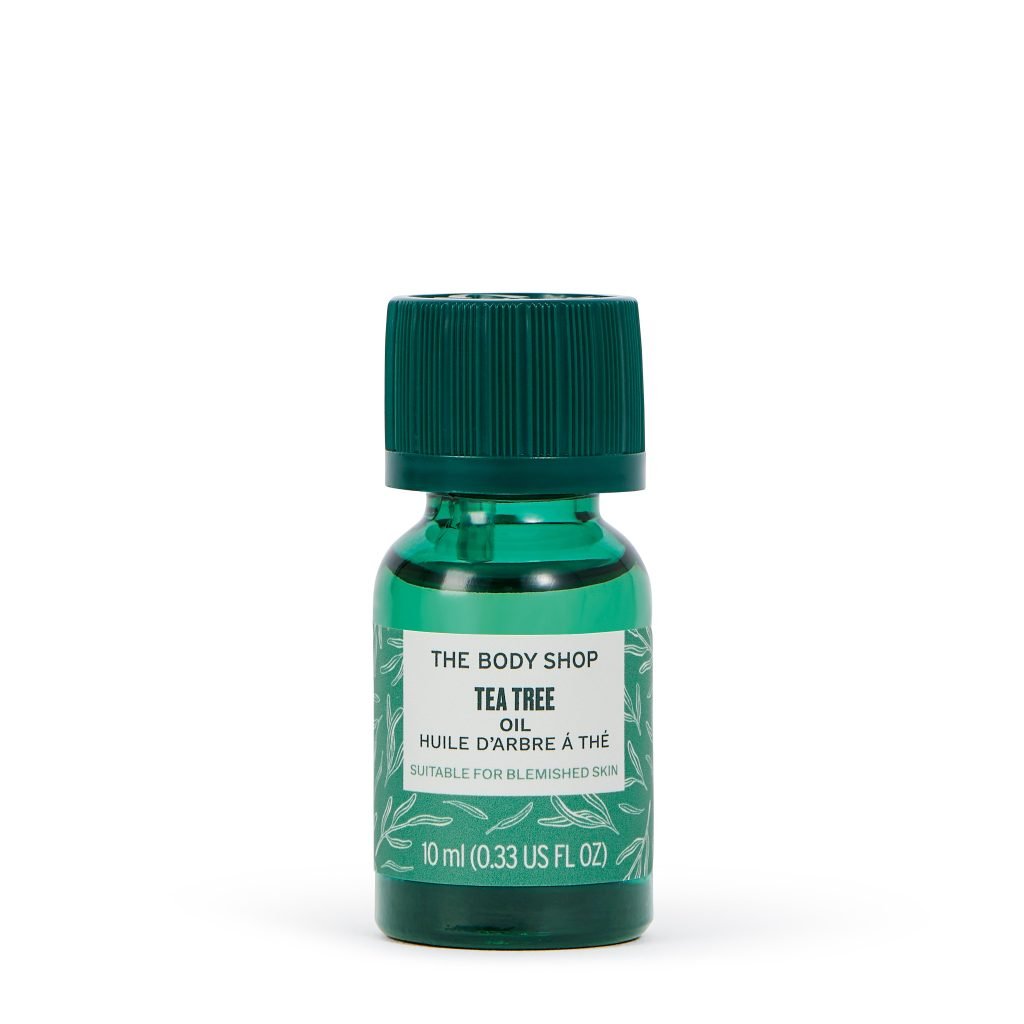
Imagine waking up to smoother, clearer skin without those pesky skin tags. It’s not just a dream—it’s possible with tree oil, a natural remedy that might already be in your bathroom cabinet.
You may have heard whispers about its benefits, but what if I told you tree oil could be your new secret weapon against skin tags? This article will uncover how this essential oil can transform your skin, leaving you feeling more confident and comfortable in your own skin.
Don’t miss out on discovering how tree oil can become a game-changer in your skincare routine. Let’s dive into the details and see how it can work wonders for you!
What Is Tea Tree Oil?
Tea tree oil is a natural essential oil extracted from the leaves of the Melaleuca alternifolia tree, native to Australia. It’s well-known for its powerful antiseptic and anti-inflammatory properties, which make it a popular choice for various skin issues. Many people turn to tea tree oil for skin tags because it can help soothe the skin and potentially reduce the size of these unwanted growths.
What Is Tea Tree Oil Made Of?
Tea tree oil contains several active compounds, with terpinen-4-ol being the most significant. This compound is responsible for much of the oil’s antimicrobial and anti-inflammatory effects. Other components include alpha-terpineol and 1,8-cineole, which also support skin healing and protection.
How Is Tea Tree Oil Extracted?
The oil is extracted through steam distillation of the tree’s leaves. This process preserves the potent natural compounds without using harsh chemicals. Because of this gentle extraction, the oil retains its strong therapeutic qualities.
Is Tea Tree Oil Safe To Use On Skin Tags?
You might wonder if applying tea tree oil directly to skin tags is safe. It usually is, but it’s essential to dilute it with a carrier oil like coconut or jojoba oil to avoid irritation. Always do a patch test first to check your skin’s reaction.
Why Do People Use Tea Tree Oil For Skin Tags?
Many choose tea tree oil because it can help dry out skin tags gradually. Its antibacterial properties may prevent infection if the tag gets irritated. Plus, it’s a natural option compared to surgical removal, which can be intimidating.
Why Use Tea Tree Oil For Skin Tags?
Tea tree oil has gained popularity as a natural solution for many skin concerns, including skin tags. But why choose tea tree oil specifically for skin tags? Understanding its unique properties can help you decide if it’s the right option for your skin care routine.
What Makes Tea Tree Oil Effective Against Skin Tags?
Tea tree oil contains strong antiseptic and antiviral compounds. These help in drying out the skin tag gradually, making it easier to remove. Its natural anti-inflammatory effects also reduce irritation around the skin tag, which is common when tags get rubbed by clothing.
How Does Tea Tree Oil Compare To Other Treatments?
Unlike harsh chemical treatments, tea tree oil is gentle and derived from natural sources. Many people prefer it because it minimizes the risk of scarring or skin damage. You can use it at home without needing a prescription or expensive equipment.
Is Tea Tree Oil Safe For Your Skin?
Tea tree oil is generally safe when diluted properly. However, pure tea tree oil can cause irritation if applied directly. Always do a patch test first and mix it with a carrier oil like coconut oil to protect your skin.
Can Tea Tree Oil Help Prevent New Skin Tags?
While tea tree oil mainly targets existing skin tags, its antibacterial properties might help reduce skin infections that can lead to tag formation. Keeping your skin clean and dry while using tea tree oil can support overall skin health and potentially lower the chance of new tags developing.
What Should You Expect When Using Tea Tree Oil On Skin Tags?
Results don’t happen overnight. Consistent application over several weeks is often necessary. You may notice the skin tag shrinking and becoming darker before it falls off naturally, which indicates the oil is working.
How Tea Tree Oil Works On Skin Tags
Understanding how tea tree oil works on skin tags can help you decide if it’s the right option for you. This natural oil contains powerful compounds that target the skin tag without harming the surrounding skin. Let’s break down the science and effects so you can see how it might fit into your skincare routine.
Antimicrobial And Anti-inflammatory Properties
Tea tree oil is known for its strong antimicrobial effects. It fights bacteria and fungi that could irritate or infect skin tags.
Its anti-inflammatory qualities help reduce redness and swelling around the skin tag. This can make the skin tag less noticeable and more comfortable.
Drying Out The Skin Tag
One of the main ways tea tree oil works is by drying out the skin tag. It causes the tissue to shrink over time.
As the skin tag loses moisture, it gradually falls off. This process can take several days to weeks, depending on the size of the tag.
Stimulating Natural Skin Healing
Tea tree oil encourages your skin to heal naturally after the skin tag shrinks. It promotes cell regeneration in the affected area.
You might notice smoother skin and less irritation as the tag disappears. This makes tea tree oil a gentle option compared to harsh chemical treatments.
How To Apply Tea Tree Oil Safely
- Clean the area around the skin tag thoroughly before application.
- Use a cotton swab to apply a small amount of tea tree oil directly on the skin tag.
- Avoid applying it to healthy skin to prevent irritation.
- Repeat this process once or twice daily, but watch for any signs of allergic reaction.
Have you ever tried tea tree oil on a skin issue before? Noticing how your skin reacts can guide you in using it effectively for skin tags.
Safe Application Methods
Using tea tree oil for skin tags requires careful handling to avoid irritation or adverse reactions. Safe application methods ensure you get the benefits without harming your skin. It’s important to understand how to prepare and apply tea tree oil properly for the best results.
Dilution Guidelines
Tea tree oil is very strong and can cause skin irritation if applied directly. Always dilute it with a carrier oil like coconut or jojoba oil before use.
- A common ratio is 1 drop of tea tree oil to 12 drops of carrier oil.
- This helps reduce the risk of burning or redness.
- Adjust dilution based on your skin’s sensitivity, but never use undiluted oil on sensitive areas.
Have you noticed how a little dilution can make a big difference in comfort? It’s a simple step that often gets overlooked.
Patch Testing
Before applying tea tree oil to a skin tag, test it on a small patch of skin. This helps you see if you have any allergic reaction or irritation.
- Apply the diluted oil on your forearm or behind your ear.
- Wait 24 hours without washing the area.
- If redness, itching, or swelling occurs, avoid using the oil on your skin tag.
Testing first might feel like an extra step, but it can save you from painful surprises. Have you ever skipped a patch test and regretted it later?
Application Frequency
Applying tea tree oil too often can irritate your skin, while too little may not show results. Aim for a balanced routine.
- Start by applying the diluted oil once or twice daily.
- Observe how your skin reacts over several days.
- If irritation occurs, reduce frequency or stop use.
Consistency matters, but so does listening to your skin’s signals. How often do you check in with your skin when trying new treatments?
Step-by-step Removal Process
Removing skin tags with tea tree oil requires care and patience. Follow a clear process to ensure safe and effective results. This section guides you through each phase of the removal journey.
Preparing The Area
Clean the skin tag and surrounding area with mild soap and water. Pat dry with a clean towel. Avoid using harsh chemicals or scrubbing the skin. Use a cotton swab dipped in rubbing alcohol to disinfect the skin tag. This step reduces the risk of infection.
Applying Tea Tree Oil
Use a cotton swab to apply tea tree oil directly to the skin tag. Avoid spreading the oil on healthy skin to prevent irritation. Let the oil dry naturally without covering the area. Repeat this application two to three times daily for best results.
Post-application Care
Monitor the skin tag for any changes or irritation. If redness or discomfort occurs, reduce application frequency or stop use. Keep the area clean and dry. Avoid scratching or picking at the skin tag. Over several days, the tag will darken and gradually fall off.
Possible Side Effects And Risks
Using tea tree oil on skin tags might seem like a natural and simple solution, but it’s important to be aware of the possible side effects and risks. Every skin type reacts differently, and what works for one person might cause irritation for another. Understanding these risks can help you decide if tea tree oil is the right choice for your skin care routine.
Allergic Reactions And Skin Irritation
Tea tree oil is a potent essential oil that can cause allergic reactions in some people. You might experience redness, itching, or a burning sensation after applying it. If you notice any discomfort, stop using it immediately to prevent worsening irritation.
Have you ever tested a new product on a small skin area first? This patch test can save you from a bad reaction.
Potential For Skin Dryness And Peeling
Tea tree oil can dry out the skin around the skin tag. This might cause peeling or flaking, which can be uncomfortable and unsightly. Moisturizing after treatment can help reduce dryness and protect your skin.
Risk Of Increased Sensitivity To Sunlight
Applying tea tree oil can sometimes make your skin more sensitive to sunlight. This means you could get sunburned more easily after treatment. If you plan to be outdoors, use sunscreen or cover the treated area to avoid damage.
Dangers Of Using Undiluted Tea Tree Oil
Pure tea tree oil is very strong and should never be applied directly without dilution. Using it undiluted can lead to severe irritation or chemical burns. Always mix it with a carrier oil like coconut or olive oil before applying it to your skin.
Consulting A Healthcare Professional
If you have sensitive skin, allergies, or existing skin conditions, talk to a dermatologist before using tea tree oil. Your health professional can guide you on safe usage and alternatives. Isn’t it better to be safe than sorry when it comes to your skin’s health?
When To Avoid Using Tea Tree Oil
Tea tree oil is popular for treating skin tags, but it is not safe for everyone. Some people should avoid using it to prevent skin problems. Knowing when not to use tea tree oil helps protect your skin from irritation or harm.
Allergic Reactions To Tea Tree Oil
Some people have allergies to tea tree oil. This can cause redness, itching, or swelling on the skin. Avoid using tea tree oil if you notice these signs after applying it. Test a small skin area first to check for allergies.
Sensitive Or Broken Skin
Tea tree oil can irritate sensitive or broken skin. Do not apply it on open wounds or cuts. Using it on damaged skin may cause pain or worsen the condition.
Children And Pregnant Women
Tea tree oil is not recommended for children under 6 years old. Pregnant or breastfeeding women should also avoid it. The oil may affect sensitive skin or cause unwanted reactions.
Using Undiluted Tea Tree Oil
Never use undiluted tea tree oil directly on skin tags. Pure oil is very strong and can burn your skin. Always mix it with a carrier oil like coconut or olive oil before use.
Credit: www.goodrx.com
Other Natural Remedies For Skin Tags
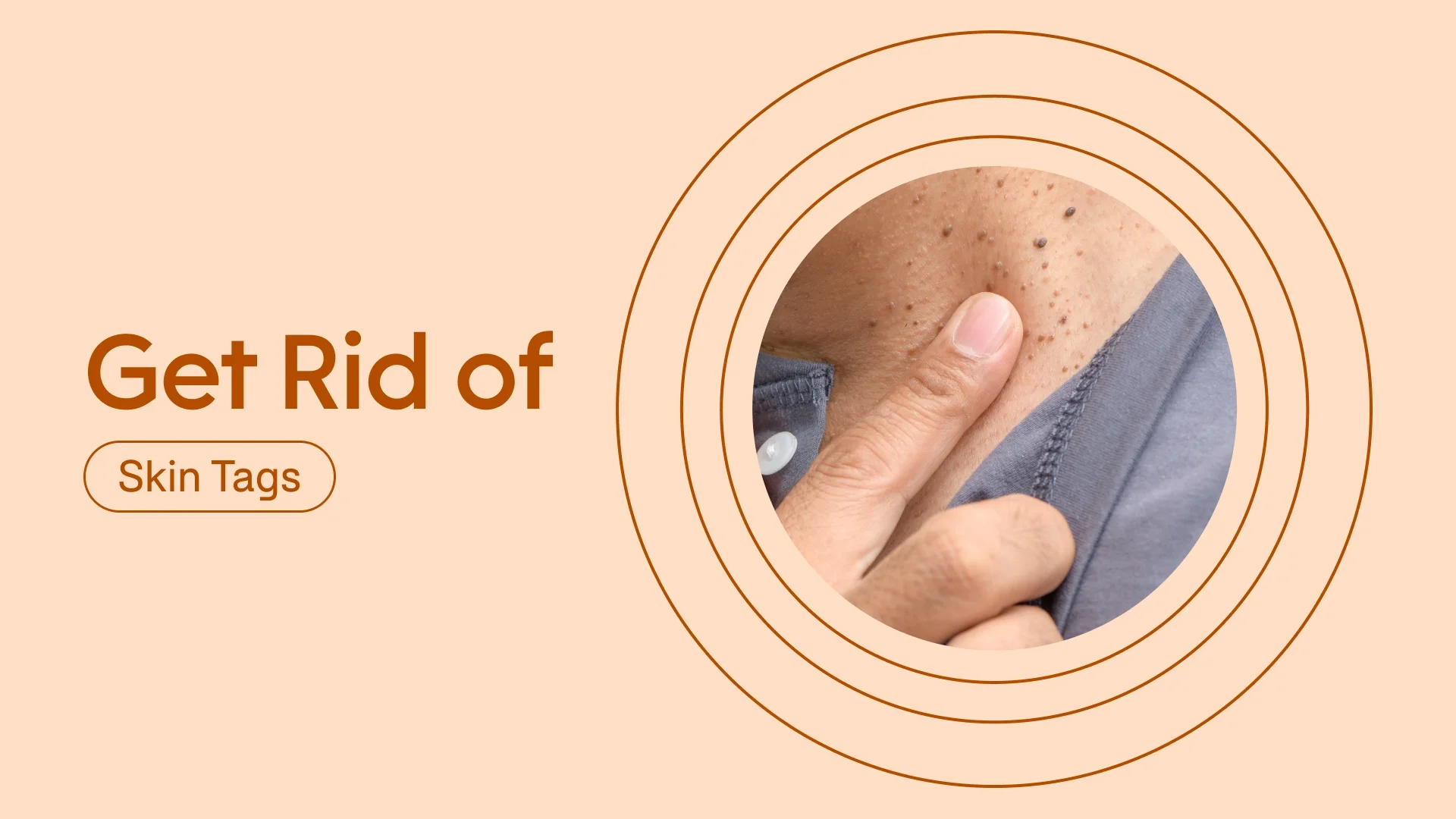
Skin tags can be bothersome and may affect your confidence. Many people prefer natural remedies to remove them safely at home. These remedies often soothe the skin and help shrink the tags over time. Here are some gentle, natural options worth trying alongside tree oil.
Apple Cider Vinegar
Apple cider vinegar is popular for skin care. It contains acids that break down the skin tag tissue. Soak a cotton ball in apple cider vinegar and apply it to the tag. Cover with a bandage and leave it overnight. Repeat daily until the skin tag darkens and falls off.
Garlic
Garlic has strong natural properties that may fight skin tags. Crush a fresh garlic clove and apply the paste to the skin tag. Cover with a bandage and leave it for a few hours. Use this treatment daily to reduce the size of the tag gradually.
Banana Peel
Banana peel is gentle and easy to use. The enzymes in the peel help dry out the skin tag. Cut a small piece of peel and place the inside part on the tag. Secure it with tape or a bandage overnight. Repeat every night for best results.
Tea Tree Oil
Tea tree oil is a natural antiseptic and anti-inflammatory. It helps shrink skin tags without harming the surrounding skin. Apply a drop of tea tree oil directly on the tag twice a day. Use a cotton swab for precise application. Continue until the tag dries and falls off.
Vitamin E Oil
Vitamin E oil nourishes the skin and supports healing. It may help reduce the size of skin tags. Break open a vitamin E capsule and apply the oil to the tag. Massage gently for a few minutes. Repeat twice daily to improve skin texture and tag appearance.
Tips For Preventing Skin Tags
Preventing skin tags can save you from the hassle of dealing with them later. While tree oil is often used to treat skin tags, taking steps to avoid their formation in the first place is equally important. Here are some practical tips to keep your skin smooth and free from these small, unwanted growths.
Maintain A Healthy Weight
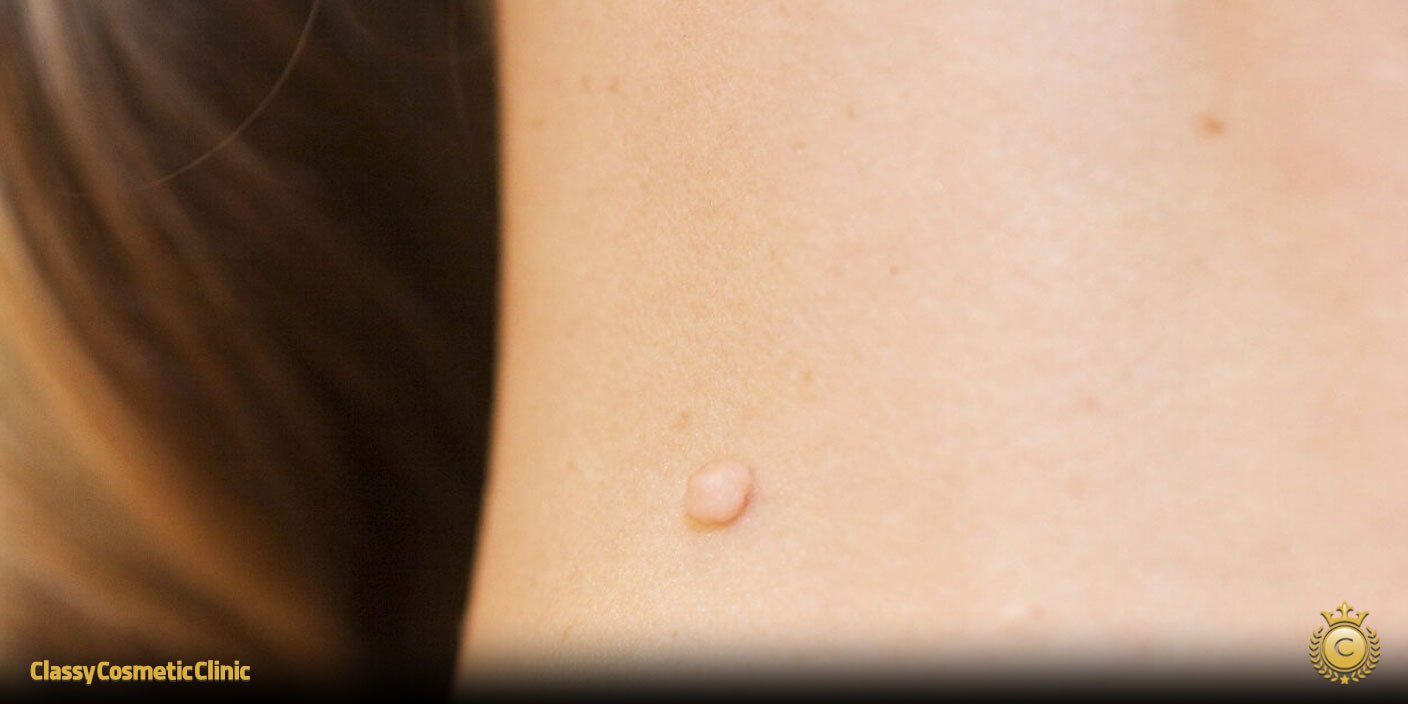
Skin tags often appear in areas where skin folds or rubs together. Excess weight increases these skin-to-skin contacts, which can lead to more skin tags. Keeping your weight in a healthy range reduces friction and lowers your risk.
Wear Loose, Comfortable Clothing
Tight clothes can irritate your skin, especially in sensitive areas like the neck, underarms, and groin. Choosing breathable fabrics that don’t rub harshly against your skin helps prevent irritation and reduces skin tag formation.
Keep Your Skin Clean And Dry
Moisture and sweat trapped in skin folds create an environment where skin tags can develop. Regularly washing and thoroughly drying these areas minimizes the chances of skin irritation and tag growth.
Use Gentle Skin Care Products
Harsh soaps and chemicals can irritate your skin, making it more prone to tags. Opt for mild, fragrance-free cleansers and moisturizers to keep your skin calm and healthy.
Monitor Skin Changes Regularly
Pay attention to any new bumps or growths on your skin. Early detection lets you address potential skin tags quickly, possibly with natural remedies like tree oil before they grow larger.
Manage Blood Sugar Levels
High blood sugar is linked to a higher chance of developing skin tags. If you have diabetes or prediabetes, keeping your blood sugar in check may help prevent these skin growths from forming.
Have you noticed your skin tags appear after certain activities or habits? Observing patterns in your lifestyle can guide you to make small changes that protect your skin better.

Credit: www.classycosmeticclinic.com
Credit: www.classycosmeticclinic.com
Frequently Asked Questions
What Is Tea Tree Oil Used For Skin Tags?
Tea tree oil helps shrink and remove skin tags naturally. It has antiseptic and anti-inflammatory properties that aid healing. Regular application may dry out skin tags, causing them to fall off safely over time. Always dilute tea tree oil before use to avoid irritation.
How To Apply Tea Tree Oil On Skin Tags?
Clean the area with soap and water first. Use a cotton swab to apply diluted tea tree oil directly on the skin tag. Cover with a bandage if needed. Repeat twice daily until the skin tag shrinks and disappears, which may take several weeks.
Are There Any Side Effects Of Tea Tree Oil?
Tea tree oil can cause skin irritation or allergic reactions in some people. Always do a patch test before full application. Avoid using undiluted oil as it may cause redness or itching. Pregnant women and children should consult a doctor before use.
How Long Does Tea Tree Oil Take To Remove Skin Tags?
Tea tree oil usually takes 1 to 4 weeks to remove skin tags. Results vary depending on skin tag size and regularity of application. Patience and consistent use are key to seeing effective results without medical intervention.
Conclusion
Tree oil may help reduce skin tags naturally and gently. Many people find it easy to use at home. Always test a small skin area first to avoid irritation. Consistent use might show results over time. Remember, consult a doctor if skin tags change or hurt.
Natural remedies take patience but can be worth trying. Your skin deserves care and safe treatment options. Try tree oil carefully and watch for changes. Simple steps can lead to healthier skin.
