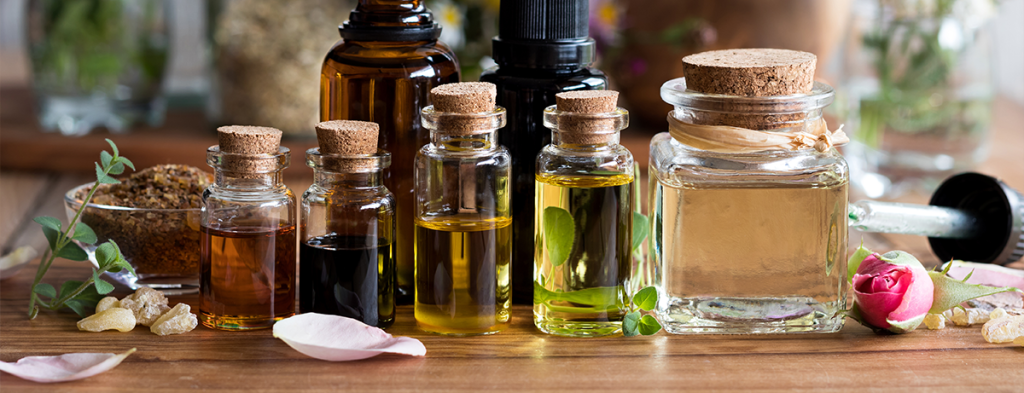
Are you curious about how essential oils can transform your skin? Imagine using natural drops that not only refresh your senses but also nourish your skin deeply.
Whether you want to soothe irritation, brighten your complexion, or simply enjoy a calming ritual, essential oils could be the secret you’ve been missing. You’ll discover the best ways to use these powerful oils safely and effectively on your skin.
Ready to unlock glowing, healthy skin with nature’s help? Keep reading—you won’t want to miss these simple tips!

Credit: www.lelior.com
Benefits Of Essential Oils For Skin
Essential oils can transform your skincare routine in simple yet powerful ways. These natural extracts pack a punch with benefits that support healthy, glowing skin. Understanding how each oil works helps you choose the right one for your unique skin needs.
Hydration And Moisturizing
Dry skin often feels tight and uncomfortable, but essential oils like jojoba and rosehip help lock in moisture effectively. They mimic your skin’s natural oils, creating a barrier that keeps hydration in without clogging pores.
Have you noticed how your skin feels softer and smoother after using these oils? Adding just a few drops to your moisturizer can make a big difference in maintaining skin elasticity and comfort throughout the day.
Anti-aging Properties
Essential oils such as frankincense and lavender contain antioxidants that fight free radicals, which cause premature aging. These oils also promote cell regeneration, helping reduce fine lines and wrinkles.
If you want to keep your skin looking youthful, consider massaging a blend of these oils into your face nightly. It’s a simple habit that supports your skin’s natural repair process and keeps your complexion vibrant.
Acne And Blemish Control
Tea tree and eucalyptus oils are well-known for their antibacterial and anti-inflammatory properties. They can reduce acne-causing bacteria and calm swollen, red blemishes quickly.
Have you tried spot-treating pimples with tea tree oil? Many find it clears breakouts faster while preventing new ones without harsh chemicals. Just remember to dilute essential oils to avoid irritation.
Soothing Irritation And Redness
Essential oils like chamomile and calendula are gentle on sensitive skin and help reduce redness and irritation. They soothe conditions like eczema and rosacea by calming inflamed skin.
Do you struggle with skin flare-ups? Applying these oils diluted in a carrier oil can provide quick relief and support your skin’s healing. Their calming effects make them a great addition to your sensitive skin care kit.
Popular Essential Oils For Skin Care
Essential oils have become popular for skin care. They offer natural benefits and help improve skin health. Many oils suit different skin types and concerns. Using the right essential oil can soothe, heal, and nourish your skin.
Below are some popular essential oils trusted for skin care. Each has unique properties to support skin beauty and wellness.
Lavender Oil
Lavender oil calms irritated skin and reduces redness. It has antiseptic qualities that help heal cuts and burns. This oil also balances oily skin and soothes acne-prone areas. Its gentle scent relaxes the mind while caring for your skin.
Tea Tree Oil
Tea tree oil fights bacteria that cause acne. It helps clear pimples and prevent new breakouts. This oil also reduces inflammation and redness. Use it diluted to avoid skin dryness or irritation.
Rosehip Oil
Rosehip oil is rich in vitamins A and C. It helps fade scars, wrinkles, and dark spots. This oil deeply hydrates and improves skin texture. It suits dry and mature skin types well.
Chamomile Oil
Chamomile oil soothes sensitive and inflamed skin. It calms redness and irritation quickly. This oil supports healing of eczema and rashes. Its mild fragrance is perfect for sensitive skin.
Frankincense Oil
Frankincense oil tightens skin and reduces wrinkles. It promotes cell regeneration for a youthful glow. This oil also helps fade scars and stretch marks. Its aroma uplifts and refreshes the senses.
How To Use Essential Oils Safely
Essential oils offer many benefits for the skin but require careful use. Applying them safely reduces the risk of irritation or adverse reactions. Follow key practices to protect your skin and enjoy essential oils effectively.
Dilution Guidelines
Essential oils are strong and should never be used undiluted on skin. Dilute them with carrier oils like coconut, jojoba, or almond oil.
- Use 1-2 drops of essential oil per teaspoon of carrier oil for adults.
- For sensitive skin or children, use fewer drops.
- Avoid using essential oils near the eyes or on broken skin.
Patch Testing
Test a small area before full use. Apply diluted oil to a patch of skin. Wait 24 hours to check for redness or irritation.
This step helps identify allergies or sensitivity before larger application.
Avoiding Sun Sensitivity
Certain oils increase skin’s sensitivity to sunlight. Citrus oils like lemon, lime, and bergamot can cause burns or rashes.
Avoid sun exposure for at least 12 hours after applying these oils to the skin.
Storage Tips
Store essential oils in dark glass bottles to protect from light. Keep them in a cool, dry place away from heat.
Proper storage preserves the oil’s quality and extends shelf life.
Diy Essential Oil Skin Recipes
DIY essential oil skin recipes offer a natural way to care for your skin at home. These recipes blend the healing power of essential oils with simple ingredients. You can create products tailored to your skin type and needs. Experimenting with these recipes helps you discover what works best for your skin.
Facial Serums
Facial serums with essential oils nourish and brighten the skin deeply. Use a carrier oil like jojoba or rosehip as a base. Add a few drops of lavender or tea tree essential oil for soothing effects. Mix well and apply a small amount to clean skin before moisturizing. Store in a dark glass bottle to keep it fresh.
Moisturizing Creams
Moisturizing creams made with essential oils hydrate and protect the skin barrier. Combine shea butter or coconut oil with a few drops of chamomile or frankincense oil. Whip the mixture until creamy and smooth. Apply gently on the face and neck daily. This cream locks in moisture and calms dry skin.
Face Masks
Face masks with essential oils cleanse and refresh tired skin. Mix clay powder with water or aloe vera gel. Add 3-5 drops of peppermint or lemon essential oil for a cooling effect. Spread the mask evenly and leave it on for 10-15 minutes. Rinse off with warm water and enjoy soft skin.
Body Oils
Body oils infused with essential oils soften and relax the skin. Blend sweet almond or grapeseed oil with your favorite essential oils like eucalyptus or sandalwood. Apply after showering for smooth, glowing skin. These oils also help relieve muscle tension and improve circulation.
Choosing The Right Essential Oil For Your Skin Type
Choosing the right essential oil for your skin type can make a huge difference in how your skin looks and feels. Using the wrong oil might cause irritation, breakouts, or dryness. Understanding your skin’s unique needs helps you pick oils that soothe, nourish, and balance effectively.
Oily Skin
If your skin tends to be oily, you want essential oils that help control excess sebum without clogging pores. Tea tree oil and lemon oil are great choices because they have natural antibacterial properties and can reduce shine.
These oils help prevent acne and keep your skin feeling fresh. Have you noticed how some products leave your skin greasy? Oils like these absorb quickly and don’t add to the oiliness.
Dry Skin
Dry skin needs oils that provide deep hydration and lock in moisture. Lavender and sandalwood essential oils are excellent for calming and soothing dry patches.
Both oils help restore your skin’s natural barrier and add softness. Think about how your skin feels after a long day—does it feel tight or flaky? Using the right oil can bring back that comfortable, supple feeling.
Sensitive Skin
For sensitive skin, gentle, non-irritating oils are a must. Chamomile and rose essential oils are known for their calming effects and low risk of causing irritation.
They reduce redness and inflammation, making your skin feel safe and cared for. If you’ve ever had a reaction to skincare, you know how important it is to choose oils that respect your skin’s limits.
Combination Skin
Combination skin can be tricky because it has both oily and dry areas. Balancing oils like geranium and jojoba are helpful as they regulate oil production and provide moisture where needed.
These oils adapt well to your skin’s different zones. Do you struggle with shiny T-zones and dry cheeks? These oils can bring harmony to your skin’s varied needs.

Credit: www.medflixs.com
Common Mistakes To Avoid
Essential oils can bring amazing benefits to your skin, but they can also cause problems if not used correctly. Many people make simple mistakes that lead to irritation, allergic reactions, or reduced effectiveness. Knowing what to avoid will help you enjoy essential oils safely and confidently.
Using Undiluted Oils
Applying essential oils directly to your skin without diluting is a common error. These oils are highly concentrated and can cause burning, redness, or even chemical burns. Always mix essential oils with a carrier oil like coconut or jojoba before use.
Have you ever felt a sudden sting after putting an essential oil on your skin? That’s your body signaling it needs protection through dilution.
Overuse And Irritation
More isn’t always better. Using essential oils too often or in large amounts can overwhelm your skin’s natural barrier. This often results in dryness, redness, or irritation.
Try to limit your use to small amounts and observe how your skin reacts over time. Are you noticing any changes after frequent application?
Ignoring Allergic Reactions
Allergic reactions can appear suddenly, even if you’ve used an oil before without issues. Ignoring signs like itching, swelling, or rash can lead to worsening skin problems. Always perform a patch test before applying any new essential oil broadly.
Don’t underestimate your skin’s signals—what if the next reaction is more severe?
Mixing Incompatible Oils
Not all essential oils mix well together. Combining incompatible oils can reduce their effectiveness or cause skin irritation. Research each oil’s properties before blending, or consult a professional for safe combinations.
Have you checked if your favorite oils can be safely mixed, or are you risking unwanted skin reactions?
Where To Buy Quality Essential Oils
Finding quality essential oils for your skin can feel overwhelming. With so many options on the market, knowing where to buy oils that are pure and safe matters. Your skin deserves oils that are not only effective but also free from harmful additives.
Certified Organic Brands
Choosing certified organic brands ensures the oils come from plants grown without pesticides or chemicals. Organic certification is a reliable sign that the product meets strict farming and processing standards. Brands like doTERRAand Plant Therapyoffer organic options that I’ve personally trusted for my skin care routine.
Look for labels from recognized organizations such as USDA Organic or Ecocert. These certifications mean the oils are more likely to be pure and gentle on your skin.
Third-party Testing
Third-party testing provides an extra layer of trust. Independent labs analyze essential oils to confirm purity, potency, and absence of contaminants. Some brands openly share their test results online, allowing you to verify quality before buying.
Ask yourself: does the company provide transparent testing details? If not, it might be best to skip them. Transparency shows confidence in product quality.
Price Vs. Quality
High-quality essential oils rarely come cheap. Low prices can indicate dilution or synthetic additives, which might harm your skin. Investing a bit more in reputable oils can save you from skin irritation and deliver better results.
Think of it this way: would you rather pay for one bottle that works well or several bottles that don’t? Balancing price with quality is key to making smart choices.
Trusted Retailers
Buying from trusted retailers reduces the risk of counterfeit or expired oils. Look for established stores or official brand websites. Avoid unknown third-party sellers on marketplaces without verified reviews.
- Specialty health stores:They usually stock genuine, high-quality essential oils.
- Brand websites:Direct purchases often guarantee authenticity.
- Reputable online retailers:Sites like Amazon with verified sellers can be safe but check reviews carefully.
Have you checked where your current essential oils come from? Taking time to research sellers can protect your skin and your health.
Credit: www.researchgate.net
Frequently Asked Questions
What Are The Benefits Of Essential Oils On Skin?
Essential oils can hydrate, soothe, and improve skin texture. They offer natural antibacterial and anti-inflammatory properties. Regular use may reduce acne, redness, and signs of aging. Always dilute oils before applying to avoid irritation or sensitivity.
How To Safely Apply Essential Oils On Skin?
Always dilute essential oils with a carrier oil before skin application. Perform a patch test to check for allergic reactions. Avoid applying oils on broken or sensitive skin. Use recommended amounts and consult a dermatologist if unsure.
Can Essential Oils Cause Skin Irritation?
Yes, undiluted essential oils may cause redness or itching. Skin sensitivity varies among individuals. Always dilute oils and test on a small skin area first. If irritation occurs, discontinue use immediately and wash the area.
Which Essential Oils Are Best For Dry Skin?
Lavender, chamomile, and sandalwood oils are excellent for dry skin. They moisturize, calm inflammation, and promote skin healing. Mix them with carrier oils like jojoba or almond oil for best results. Use consistently for noticeable improvement.
Conclusion
Exploring essential oils for skin care can be rewarding. These oils offer natural benefits. They can soothe, hydrate, and nourish. Proper use is important. Always do a patch test first. Choose oils that suit your skin type. This helps avoid irritation or allergies.
Consistency in use brings better results. Consult a dermatologist if unsure. Essential oils can complement your skincare routine. They provide a natural option to enhance beauty. Remember to enjoy the process. It’s about finding what works best for you.
