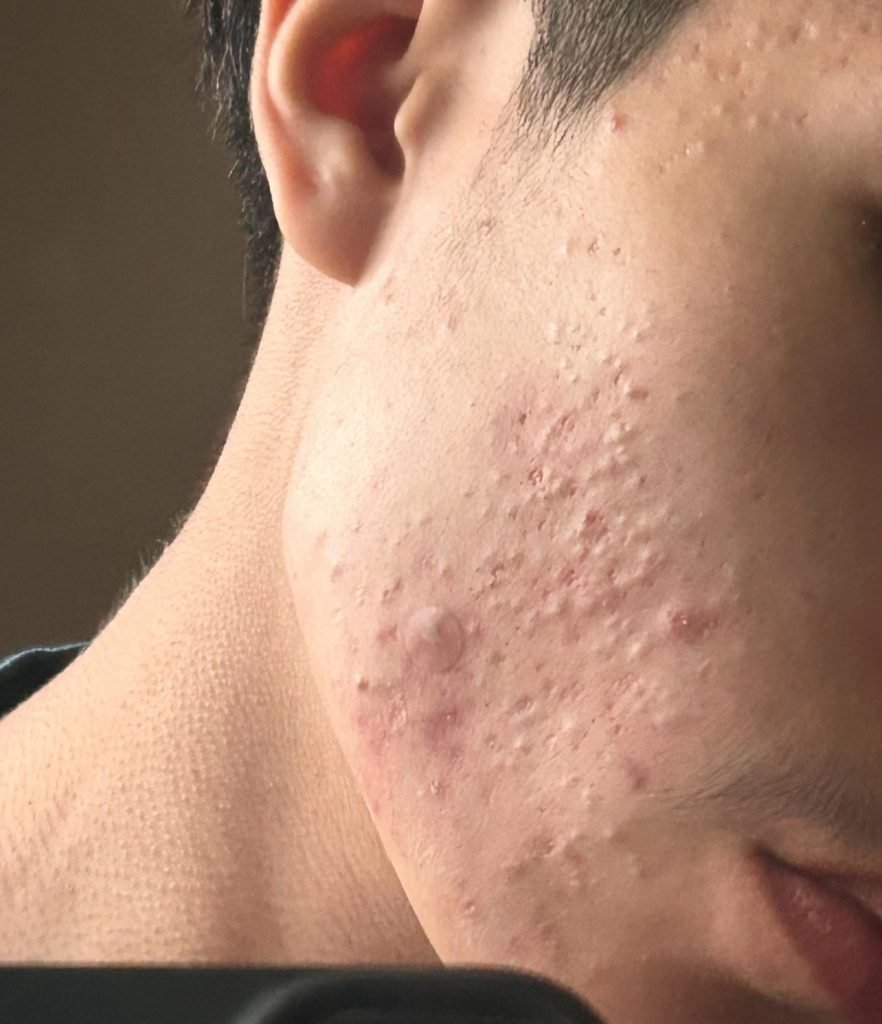
Do acne scars make you feel self-conscious about your skin? You’re not alone.
Many people are searching for effective solutions to reduce the appearance of these stubborn marks. You’ve probably heard about Adapalene, a popular acne treatment, but does it actually help with acne scars? Imagine waking up to smoother, clearer skin. Understanding whether Adapalene can be your secret weapon against those pesky scars could be a game-changer.
Before you dive into countless treatments, let’s uncover the truth about Adapalene and its potential to transform your skin. Keep reading to discover if this could be the key to boosting your confidence and achieving the skin you’ve always dreamed of.
How Adapalene Works
Understanding how adapalene works helps explain its effects on acne scars. This medication targets the skin’s surface and deeper layers. It changes how skin cells behave and renew. These changes reduce acne and support scar healing.
Mechanism Of Action
Adapalene belongs to retinoids, compounds related to vitamin A. It binds to specific receptors in skin cells. This binding alters gene expression and cell behavior. The result is faster skin cell turnover and less clogging of pores. It also reduces inflammation, a key factor in acne.
Effects On Skin Cells
Adapalene speeds up the shedding of dead skin cells. This prevents buildup that causes acne blockages. It helps skin produce new cells more evenly. The medication also calms irritated skin by lowering inflammation. Over time, it promotes smoother skin texture and can fade scars.

Credit: www.clinikally.com
Types Of Acne Scars
Acne scars vary in appearance and texture. Knowing the types helps in choosing the right treatment. Each scar type forms differently and needs specific care.
Atrophic Scars
Atrophic scars appear as small dents or pits on the skin. They form when the skin loses collagen during healing. Common types include ice pick, boxcar, and rolling scars. These scars look sunken and uneven. They often result from severe acne or cysts.
Hypertrophic Scars
Hypertrophic scars are raised and thick. They form when the skin produces too much collagen. These scars stay within the wound area. They can be red or pink and feel firm. Hypertrophic scars may improve over time but can be persistent.
Post-inflammatory Hyperpigmentation
Post-inflammatory hyperpigmentation (PIH) is not a true scar. It is dark spots left after acne heals. PIH happens when skin produces extra pigment. These spots can be brown, red, or purple. They fade slowly but respond well to treatment.
Adapalene And Scar Reduction
Adapalene is widely used to treat acne, but it also has benefits for acne scars. It works by promoting skin cell turnover and reducing inflammation. These actions can help improve the appearance of scars over time.
Using adapalene regularly can support skin healing and renewal. This process is key to reducing the visibility of scars. The following sections explain how adapalene affects different types of acne scars and skin issues.
Impact On Atrophic Scars
Atrophic scars appear as small dents or depressions on the skin. Adapalene stimulates collagen production, which helps fill in these scars. It also encourages new skin growth to replace damaged tissue. Consistent use can soften the depth of atrophic scars.
Influence On Skin Texture
Acne scars often cause uneven skin texture. Adapalene smooths the skin surface by speeding up cell turnover. This process removes dead skin cells and reveals fresher skin underneath. Over time, the skin feels softer and looks more even.
Role In Pigmentation Improvement
Dark spots and discoloration often follow acne breakouts. Adapalene helps fade these marks by regulating melanin production. It evens out skin tone and reduces redness. This makes scars less noticeable and skin appear clearer.

Credit: www.reddit.com
Clinical Studies And Evidence
Clinical studies provide important proof about adapalene’s effect on acne scars. Researchers have tested this topical retinoid in various trials. These studies show how adapalene works to improve skin texture and reduce scar visibility. The evidence helps users understand its benefits and limits.
Key Research Findings
- Adapalene promotes skin cell turnover, aiding scar healing.
- Studies report reduced redness and smoother skin after months of use.
- It helps fade post-inflammatory hyperpigmentation linked to acne scars.
- Some trials show significant improvement in shallow, atrophic scars.
- Long-term use is safe, with few side effects reported.
Comparisons With Other Treatments
- Adapalene is often compared with tretinoin, another retinoid.
- It is usually better tolerated, causing less irritation than tretinoin.
- Chemical peels may show faster results but carry higher risks.
- Laser treatments provide deeper scar remodeling but are costly.
- Adapalene offers a gentle, gradual approach suitable for daily use.
Usage Tips For Best Results
Getting the most out of adapalene for acne scars means paying attention to how you use it. Small changes in your routine can make a big difference in results and skin comfort. Let’s look at the best ways to apply adapalene and what to watch out for.
Application Guidelines
Start by cleansing your face gently, avoiding harsh scrubs or strong cleansers that could irritate your skin. Apply a pea-sized amount of adapalene evenly over your entire face, focusing on scarred areas but not forgetting the surrounding skin.
Use adapalene at night since it can make your skin more sensitive to sunlight. If you’re new to it, try applying every other night to let your skin adjust. Have you noticed your skin drying out or peeling? That’s normal in the beginning, but if it’s too uncomfortable, reduce frequency or add a moisturizer.
Combining With Other Skincare
Be careful about mixing adapalene with other active ingredients. Avoid using products that contain benzoyl peroxide or salicylic acid at the same time, as they might increase irritation.
Moisturizers are your best friend here. Use a gentle, fragrance-free moisturizer to soothe your skin and prevent dryness. Sunscreen is a must during the day—your skin will be extra sensitive to UV rays while using adapalene.
Thinking about layering serums or treatments? Try introducing one product at a time. This way, you can see how your skin reacts and avoid overwhelming it.
Possible Side Effects
Some redness, dryness, and mild peeling are common, especially in the first few weeks. These side effects usually decrease as your skin builds tolerance.
If you experience severe burning, swelling, or blistering, stop using adapalene and contact a dermatologist. These signs mean your skin is having a strong reaction.
Remember, patience is key. Acne scars won’t fade overnight, but consistent, gentle use of adapalene can improve your skin’s texture over time. Are you ready to commit to a routine that respects your skin’s limits?

Credit: www.reddit.com
Who Should Use Adapalene
Adapalene is a popular treatment for acne and acne scars. Knowing who should use adapalene helps in getting the best results. It suits many skin types but requires care for sensitive skin. Understanding its suitability and precautions ensures safe use.
Suitable Skin Types
- Oily skin benefits most from adapalene’s oil control.
- Combination skin can use adapalene with mild moisturizers.
- Normal skin handles adapalene well with fewer side effects.
- Dry or sensitive skin needs extra care and low concentration.
- People with acne scars may see gradual improvement over time.
Precautions And Contraindications
- Avoid adapalene if allergic to retinoids or any ingredient.
- Do not use on broken, sunburned, or irritated skin.
- Pregnant or breastfeeding women should consult a doctor first.
- Use sunscreen daily as adapalene increases sun sensitivity.
- Stop use if severe redness, itching, or burning occurs.
Frequently Asked Questions
Does Adapalene Reduce Acne Scars Effectively?
Adapalene helps fade acne scars by promoting skin cell turnover. It smooths texture and lightens discoloration over time. Consistent use is key for visible improvement. Results may vary depending on scar type and severity.
How Long Does Adapalene Take To Improve Scars?
Adapalene typically takes 8 to 12 weeks to show noticeable scar improvement. Patience and regular application are essential for best results. Early effects include smoother skin and reduced redness.
Can Adapalene Prevent New Acne Scars From Forming?
Yes, Adapalene prevents new scars by treating acne early and reducing inflammation. It keeps pores clear and promotes healthy skin regeneration, minimizing scar risk.
Is Adapalene Safe For All Skin Types With Scars?
Adapalene is generally safe for most skin types but may cause dryness or irritation initially. Sensitive skin users should start slowly and use moisturizer to minimize side effects.
Conclusion
Adapalene can help improve acne scars over time. It works by speeding up skin cell renewal. This process helps fade dark spots and smooth rough skin. Results do not appear overnight, so patience is important. Consistent use as directed boosts effectiveness.
Some people may experience mild irritation at first. Always follow your doctor’s advice for best results. Combining adapalene with good skincare helps too. Clearer skin takes time but is achievable. Give your skin the care it needs.