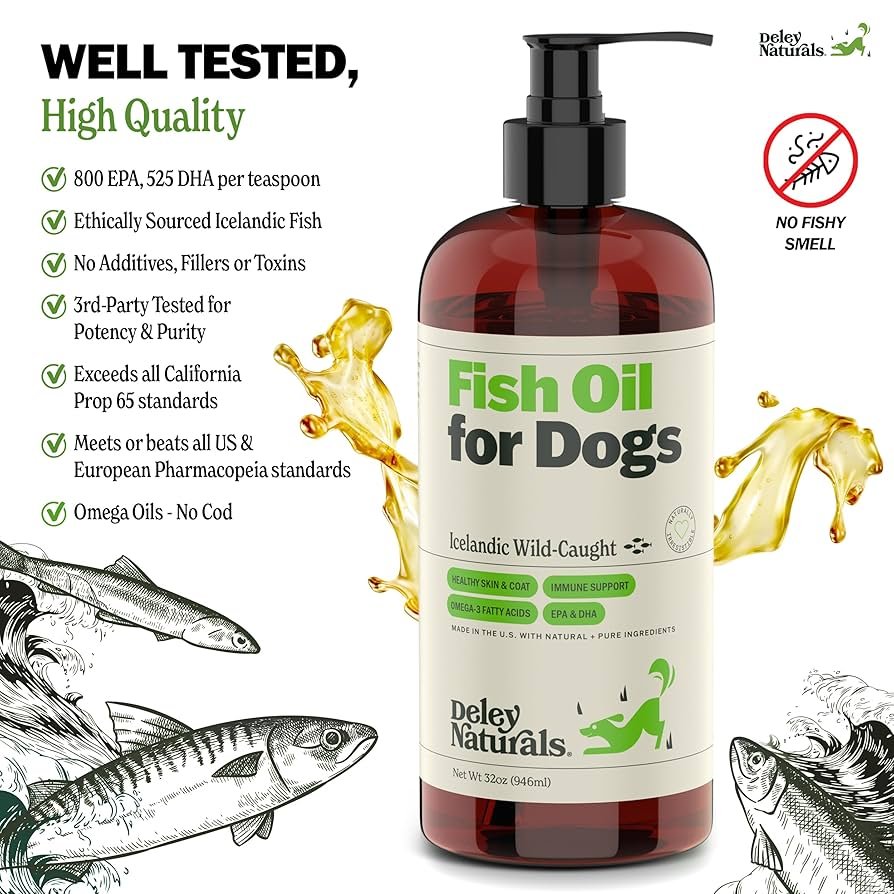
Imagine having a secret weapon in your skincare arsenal that not only enhances your skin’s appearance but also nourishes it from within. Fish oil might just be that game-changer you’ve been looking for.
You might have heard about its health benefits, but did you know it can work wonders for your skin, too? If you’re eager to discover how fish oil can transform your skin, keep reading. You’ll uncover the science behind its magic and learn how to incorporate it into your daily routine for a radiant, glowing complexion.
Don’t let your skin miss out on this natural boost; dive into the full article to unlock the secrets of fish oil’s skin benefits.
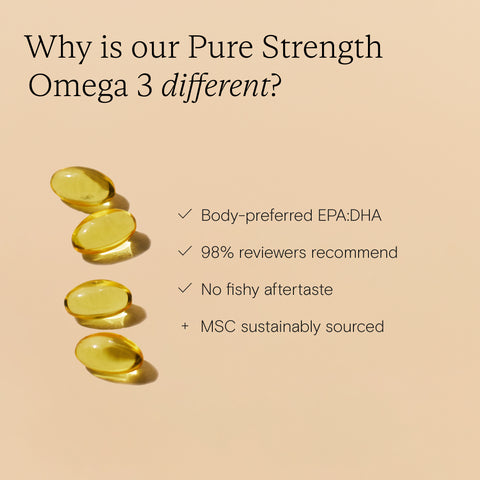
Credit: www.wildnutrition.com
How Fish Oil Nourishes Skin
Fish oil offers remarkable ways to nourish your skin from within. Its unique nutrients work at the cellular level, supporting your skin’s natural functions. You might notice your skin feeling softer and looking healthier as these benefits take effect.
Essential Fatty Acids And Skin Health
Fish oil is rich in essential fatty acids, mainly EPA and DHA, which your body cannot produce on its own. These fats are crucial for maintaining the structure of your skin cells. Without enough essential fatty acids, your skin can become dry, flaky, and more prone to damage.
Adding fish oil to your routine helps replenish these fats, supporting cell membranes and improving skin elasticity. Have you ever noticed how your skin feels after a day in harsh weather? Essential fatty acids help protect and repair that damage.
Role Of Omega-3 In Hydration
Omega-3 fatty acids in fish oil play a key role in keeping your skin hydrated. They help your skin retain moisture by strengthening its barrier function. When this barrier is healthy, it prevents water loss, keeping your skin plump and smooth.
Many people find their skin feels less tight and more comfortable after regularly taking fish oil. If your skin often feels dry or rough, omega-3s might be just what you need to restore hydration naturally.
Anti-inflammatory Effects On Skin
Fish oil’s anti-inflammatory properties can calm irritated skin and reduce redness. This makes it beneficial for conditions like acne, eczema, and psoriasis, which often involve inflammation. By lowering inflammation, fish oil helps your skin heal and look more even-toned.
Think about times when your skin flares up due to stress or allergies. Fish oil can help soothe these reactions, giving you a clearer complexion over time. Wouldn’t it be great to have a natural way to ease skin inflammation?

Credit: www.amazon.ca
Boosting Skin Glow With Fish Oil
Fish oil is rich in omega-3 fatty acids that nourish the skin deeply. These nutrients support the skin’s natural functions and help it look healthy. Regular use of fish oil can make the skin appear more vibrant and fresh. Its anti-inflammatory properties calm the skin and reduce redness. Fish oil also helps maintain the moisture balance, which is key to glowing skin.
Enhancing Skin Elasticity
Omega-3 fatty acids in fish oil improve skin elasticity. They support collagen production, which keeps skin firm and youthful. Better elasticity means fewer wrinkles and fine lines. Fish oil helps skin stay flexible and soft. This effect reduces signs of aging and keeps skin smooth.
Reducing Dullness And Uneven Tone
Fish oil helps to brighten dull skin by improving blood flow. It reduces inflammation that causes redness and blotchiness. Regular intake can even out skin tone and texture. The nutrients in fish oil promote skin cell renewal. This leads to a clearer, more balanced complexion.
Promoting Natural Radiance
Fish oil boosts the skin’s natural glow from within. Its fatty acids hydrate the skin deeply, preventing dryness. Well-moisturized skin reflects light better, creating a radiant look. Fish oil also protects skin from damage caused by free radicals. This protection keeps skin looking fresh and luminous.
Anti-aging Benefits Of Fish Oil
Fish oil is more than just a supplement for heart health or brain function; it holds powerful benefits for your skin, especially when it comes to fighting the signs of aging. The omega-3 fatty acids found in fish oil work deeply to nourish your skin, helping it stay youthful and resilient. If you’re curious about how fish oil can help slow down aging, the following points shed light on its specific anti-aging properties.
Minimizing Wrinkles And Fine Lines
Fish oil helps reduce wrinkles and fine lines by keeping your skin hydrated and plump. The essential fatty acids strengthen your skin’s barrier, preventing moisture loss that leads to dryness and creases. Have you noticed how your skin feels smoother and softer after adding omega-3 rich foods or supplements to your diet?
Protecting Against Sun Damage
Sun exposure accelerates skin aging through inflammation and damage to skin cells. Fish oil’s anti-inflammatory properties help protect your skin from the harmful effects of UV rays. While it’s not a replacement for sunscreen, regular intake of fish oil can reduce redness and irritation caused by sunburn, helping your skin recover faster.
Supporting Collagen Production
Collagen is the protein that keeps your skin firm and elastic. Fish oil supports collagen production by reducing inflammation and providing the building blocks your skin needs to repair itself. Have you considered that improving your collagen levels naturally could be as simple as adding a daily dose of fish oil?
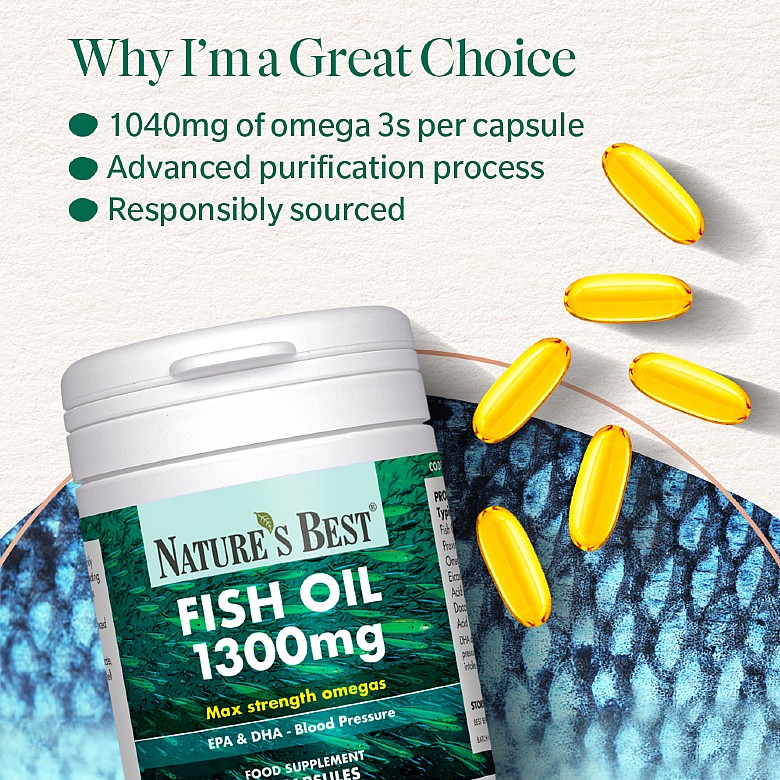
Credit: www.naturesbest.co.uk
Fish Oil For Common Skin Issues
Fish oil is gaining attention for its positive effects on various skin problems. Rich in omega-3 fatty acids, it can help your skin manage inflammation, moisture loss, and irritation. Let’s look closely at how fish oil can assist with some common skin issues you might face.
Calming Acne And Redness
Acne often comes with redness and swelling, which can be uncomfortable and tough to control. Fish oil helps reduce inflammation, calming the skin and minimizing redness. People who added fish oil to their routine noticed fewer breakouts and less angry-looking skin.
Have you ever wondered why some acne treatments dry your skin out even more? Fish oil works differently by soothing rather than stripping your skin. This makes it a gentle option to try alongside your current acne care.
Alleviating Dryness And Flakiness
Dry, flaky skin can make you feel self-conscious and uncomfortable. Omega-3s in fish oil help lock moisture into your skin, improving its hydration from the inside out. Users often report smoother, softer skin after a few weeks of consistent use.
Think about your skin in winter or after a long flight—does it feel tight or rough? Adding fish oil might restore that lost moisture and reduce flaky patches without heavy creams. It’s a simple step that targets dryness at the source.
Soothing Eczema And Psoriasis
Eczema and psoriasis cause persistent itching, redness, and scaling that can disrupt your daily life. Fish oil’s anti-inflammatory properties may lessen flare-ups and ease discomfort. Many people with these conditions find fish oil supplements help calm their symptoms over time.
Imagine facing a flare-up and knowing there’s a natural option that supports your skin’s healing process. While fish oil isn’t a cure, it can be a helpful addition to your eczema or psoriasis care plan. Would you consider trying it to see if it makes a difference for your skin?
Best Ways To Use Fish Oil For Skin
Fish oil offers many benefits for the skin. It helps reduce dryness, redness, and signs of aging. Using fish oil correctly enhances its effects. Both topical use and supplements can improve skin health. Understanding how to apply and choose fish oil is key to seeing results.
Topical Application Tips
Apply fish oil directly to clean skin. Use a few drops and gently massage in circular motions. Focus on dry or irritated areas for best results. Avoid applying too much oil to prevent clogging pores. Use it in the evening to let it absorb overnight. Combine with a moisturizer to lock in hydration. Perform a patch test first to check for allergies or irritation.
Choosing Quality Supplements
Select fish oil supplements with high purity and concentration. Look for labels that mention “molecularly distilled” or “third-party tested.” Choose supplements rich in EPA and DHA omega-3 fatty acids. Avoid products with a strong fishy smell, which may indicate rancidity. Opt for softgel capsules or liquid forms for easier intake. Store supplements in a cool, dark place to maintain freshness.
Recommended Dosages For Skin Benefits
| Age Group | Daily Dosage | Notes |
|---|---|---|
| Adults | 1000-2000 mg | Split doses with meals |
| Teens (13-18 years) | 500-1000 mg | Consult healthcare provider |
| Children (6-12 years) | 250-500 mg | Use only if advised by doctor |
Follow label instructions and adjust based on skin response. Avoid exceeding recommended doses to prevent side effects.
Potential Side Effects And Precautions
Fish oil offers many benefits for the skin. Yet, some side effects and precautions exist. Knowing these helps use fish oil safely and effectively. Pay attention to allergies, medication interactions, and signs of taking too much.
Allergy Considerations
Fish oil comes from fish, which can cause allergies. People allergic to fish or seafood should avoid fish oil supplements. Allergic reactions may include:
- Rashes
- Itching
- Swelling
- Breathing difficulty
Stop taking fish oil if any allergy symptoms appear. Consult a healthcare provider before starting fish oil supplements.
Interactions With Medications
Fish oil can affect how some medicines work. It may thin the blood and increase bleeding risk. Blood thinners and fish oil together can cause problems. Always tell your doctor about fish oil use if you take:
- Blood thinners (e.g., warfarin)
- Blood pressure medicines
- Diabetes medications
Doctors can advise on safe doses or alternatives. Avoid self-medicating with fish oil and prescription drugs.
Signs Of Overconsumption
Taking too much fish oil can cause issues. Common signs include:
- Upset stomach
- Diarrhea
- Fishy aftertaste
- Bad breath
- Nosebleeds
High doses may increase bleeding risk and lower immune function. Follow recommended dosages on labels or doctor advice. Stop use and seek medical help if severe side effects occur.
Frequently Asked Questions
What Are The Main Skin Benefits Of Fish Oil?
Fish oil boosts skin hydration and elasticity. It reduces inflammation and redness. Omega-3 fatty acids help fight acne and aging signs effectively.
How Does Fish Oil Improve Skin Hydration?
Fish oil contains omega-3s that strengthen the skin’s barrier. This prevents moisture loss and keeps the skin soft and supple throughout the day.
Can Fish Oil Reduce Acne And Skin Irritation?
Yes, fish oil’s anti-inflammatory properties calm irritated skin. It helps reduce acne severity by lowering redness and swelling naturally.
Does Fish Oil Help With Skin Aging Signs?
Fish oil supports collagen production and skin repair. It reduces wrinkles and fine lines, promoting a youthful and glowing complexion over time.
Conclusion
Fish oil supports healthy and glowing skin. It reduces dryness and helps fight aging signs. Regular use may soothe redness and irritation. Omega-3s in fish oil nourish skin from within. Many find their skin feels softer and looks brighter. Small changes, big results.
Consider adding fish oil to your routine for better skin health. Simple, natural, and effective.
