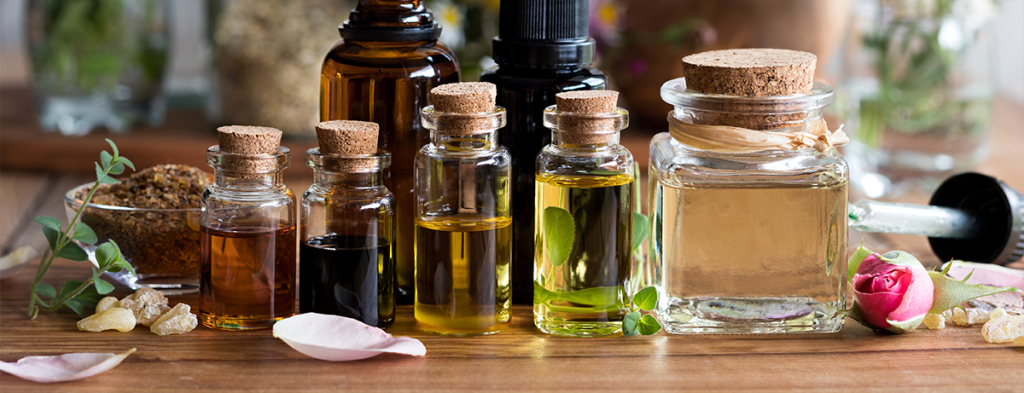
Have you ever wondered why your skin sometimes feels dry, flaky, or just not as vibrant as you’d like? The solution might be simpler than you think.
Natural oils for skin could be the game-changer you’ve been searching for. Imagine waking up to a complexion that feels soft, looks radiant, and emanates health. Sounds like a dream, right? But what if I told you it’s entirely possible?
By harnessing the power of nature’s own remedies, you can transform your skincare routine and achieve the glowing skin you deserve. Keep reading to discover how these oils can become your new skincare secret weapon, tailored just for you.

Credit: www.amazon.ca
Benefits Of Natural Oils
Natural oils offer a range of benefits that can transform your skincare routine. They work gently yet effectively to improve your skin’s health and appearance. Understanding how these oils benefit your skin helps you choose the right ones for your unique needs.
Boosting Skin Hydration
Natural oils lock in moisture by forming a protective barrier on your skin. This prevents water loss and keeps your skin feeling soft and supple longer. Oils like jojoba and argan mimic your skin’s natural oils, making hydration feel natural and lasting.
Have you noticed how some moisturizers leave your skin dry after a few hours? Natural oils can solve that by nourishing your skin deeply without clogging pores.
Enhancing Natural Glow
Oils such as rosehip and marula add a subtle radiance to your skin. They contain antioxidants and vitamins that brighten dull complexions. Using these oils regularly can give your skin a healthy, lit-from-within glow without any shine or grease.
Think about the last time your skin looked truly vibrant—could adding a few drops of natural oil boost that glow every day?
Nourishing Skin Layers
Natural oils penetrate multiple layers of your skin, delivering essential fatty acids and nutrients. This supports skin repair and strengthens its structure over time. For example, coconut oil helps rebuild damaged skin cells, improving texture and resilience.
Instead of just treating the surface, why not nourish your skin from within with the right oils?
Soothing Irritated Skin
Many natural oils have anti-inflammatory and calming properties. Calendula and chamomile oils reduce redness and soothe irritation quickly. If you struggle with sensitive or inflamed skin, these oils can provide gentle relief without harsh chemicals.
What if your skincare routine could calm your skin instead of aggravating it? Trying natural oils might be the answer you’re looking for.
Top Oils For Different Skin Types
Choosing the right natural oil can transform your skincare routine. Each skin type reacts differently, so picking an oil that suits your skin’s unique needs is essential. Below, you’ll find oils tailored for dry, oily, sensitive, and combination skin to help you make a confident choice.
Oils For Dry Skin
Dry skin craves deep hydration and nourishment. Oils like argan oiland avocado oilare rich in fatty acids that lock in moisture and soothe flakiness.
Argan oil absorbs quickly without leaving a greasy residue, making it a favorite for daily use. Avocado oil, on the other hand, provides intense hydration and supports skin repair. Have you tried applying these oils right after a shower to maximize moisture?
Oils For Oily Skin
Oily skin needs balance, not more oil. Lightweight options like grapeseed oiland jojoba oilcan regulate sebum production and reduce shine.
Jojoba oil closely mimics your skin’s natural sebum, helping to trick your skin into producing less oil. Grapeseed oil is non-comedogenic and rich in antioxidants, making it perfect for oily skin prone to breakouts. Curious how these oils can calm your skin instead of clogging pores?
Oils For Sensitive Skin
Sensitive skin requires gentle, calming oils that won’t cause irritation. Chamomile oiland rosehip oilare known for their soothing and anti-inflammatory properties.
Rosehip oil also promotes skin healing and reduces redness, while chamomile oil calms irritation. If you’ve struggled with redness or sensitivity, these oils might offer the comfort your skin needs. Have you noticed how some oils can either soothe or aggravate your skin?
Oils For Combination Skin
Combination skin benefits from oils that balance oily and dry areas without overwhelming either. Marula oiland sweet almond oilare excellent choices.
Marula oil hydrates dry patches while controlling oiliness in the T-zone. Sweet almond oil is light and absorbs easily, providing nourishment without clogging pores. Could these oils be the answer to managing your skin’s mixed needs?
How To Choose The Right Oil
Choosing the right natural oil for your skin can feel overwhelming with so many options available. The key is to focus on what your skin truly needs and how different oils can meet those needs. Understanding your skin type and any sensitivities will guide you toward an oil that nourishes rather than irritates.
Assessing Your Skin Needs
Start by identifying your skin type: oily, dry, combination, or sensitive. Each type benefits from different oils. For example, jojoba oil mimics the skin’s natural oils, making it great for oily or combination skin, while avocado oil offers deep hydration for dry skin.
Think about your specific concerns too. Are you dealing with acne, dullness, or fine lines? Tea tree oil has antibacterial properties that help with acne, while rosehip oil is rich in antioxidants to brighten dull skin.
Checking Oil Purity And Quality
Not all oils are created equal. Look for oils labeled as 100% pure, cold-pressed, and organic to ensure you get the full benefits. Cold-pressed oils retain more nutrients because they aren’t exposed to heat during extraction.
Be wary of oils mixed with synthetic fragrances or additives. These can cause irritation and reduce the oil’s effectiveness. Reading the ingredient list carefully can save you from disappointing results.
Considering Allergies And Sensitivities
Even natural oils can trigger reactions if you have sensitive skin or allergies. Patch testing is a simple way to check for adverse effects—apply a small amount of oil on your inner arm and wait 24 hours.
Pay attention to oils that are known allergens like nut-based oils if you have nut allergies. If you experience redness, itching, or burning, discontinue use immediately. Your skin’s safety should always come first.
Application Techniques
Applying natural oils to your skin effectively can make all the difference in how well they work. Knowing the right techniques ensures you get the full benefits without clogging pores or wasting product. Let’s look at some practical ways to make your application routine smooth and effective.
Proper Cleansing Before Application
Clean skin is the best canvas for natural oils. Dirt, makeup, and sweat can block the oil’s absorption, reducing its benefits.
Use a gentle cleanser that suits your skin type before applying oils. Avoid harsh soaps that strip away natural moisture, leaving your skin dry and irritated.
Have you noticed how your skin feels better when it’s truly clean before applying any product? That’s because oils penetrate deeper on fresh, clean skin.
Best Time To Apply Oils
Timing matters. Apply oils right after washing your face while your skin is still slightly damp. This helps lock in moisture more effectively.
Nighttime is often ideal since your skin repairs itself while you sleep. However, some lighter oils work well in the morning, providing a natural glow under makeup.
Think about your daily routine—when does your skin feel driest? That’s often the best time to apply oil to restore balance.
Using Oils With Other Skincare Products
Layering your skincare products correctly can boost oil absorption. Apply lighter products like serums and water-based moisturizers first.
Follow up with natural oils to seal in hydration. Avoid mixing oils directly with water-based products as they don’t blend well and can reduce effectiveness.
If you use sunscreen, apply it last after your oil has fully absorbed. This prevents interference with UV protection.
- Apply toner or serum on clean skin
- Massage oil gently into skin
- Wait a few minutes before applying moisturizer or sunscreen
Diy Natural Oil Blends
DIY natural oil blends offer a simple way to care for your skin. They combine the benefits of different oils to target specific skin needs. Making your own blends allows control over ingredients and freshness. It also helps avoid harsh chemicals found in many products.
Natural oils can nourish, protect, and improve skin texture. Blending oils enhances their effects and creates personalized skincare solutions. Experimenting with blends is easy and fun. Below are some popular mixes for glowing, hydrated, and calm skin.
Glow-boosting Mixes
For radiant skin, choose oils rich in antioxidants and vitamins.
- Rosehip oil: Brightens and reduces scars.
- Carrot seed oil: Adds natural glow and protects skin.
- Vitamin E oil: Fights free radicals and promotes healing.
Mix equal parts of rosehip and carrot seed oil, then add a few drops of vitamin E. Apply daily for a fresh, glowing complexion.
Hydrating Combinations
Oils that lock in moisture keep skin soft and smooth.
- Jojoba oil: Balances skin’s oil production.
- Sweet almond oil: Deeply nourishes dry skin.
- Avocado oil: Rich in fatty acids for intense hydration.
Blend two parts jojoba with one part almond and one part avocado oil. Use after cleansing to maintain hydration all day.
Soothing And Calming Blends
These blends reduce redness and calm irritated skin.
- Chamomile oil: Calms inflammation and soothes skin.
- Lavender oil: Relieves irritation and promotes healing.
- Calendula oil: Supports skin repair and softness.
Combine equal parts chamomile and calendula oils, then add a few drops of lavender. Apply gently to sensitive or inflamed areas for relief.
Common Mistakes To Avoid
Using natural oils on your skin can offer amazing benefits, but it’s easy to slip up if you’re not careful. Avoiding common mistakes will help you get the most out of these oils without causing harm. Let’s look at some key missteps to watch out for.
Overusing Oils
Applying too much oil can clog your pores and lead to breakouts, especially if you have oily or acne-prone skin. A little goes a long way—start with just a few drops and see how your skin responds before adding more.
Have you noticed your skin feeling greasy or heavy after using oils? That’s a sign to cut back. Oils should enhance hydration, not weigh your skin down.
Ignoring Skin Reactions
Natural doesn’t always mean safe for everyone. If you experience redness, itching, or irritation, stop using the oil immediately. Pay close attention to how your skin reacts, especially when trying a new oil.
Consider patch testing oils on a small skin area before applying them all over your face or body. This simple step can save you from uncomfortable flare-ups and wasted products.
Using Synthetic Oils
Synthetic oils may sound appealing due to their low cost, but they often lack the nutrients that natural oils provide. They can also cause buildup and irritation over time.
Check ingredient labels carefully and choose oils labeled 100% pure or cold-pressed. Your skin deserves the nourishing power of real, natural oils.
Storage Tips For Natural Oils
Storing natural oils properly is key to keeping their benefits intact for your skin. Oils can lose their effectiveness or even spoil if not handled with care. Simple storage habits can extend their shelf life and maintain their nourishing properties.
Keeping Oils Fresh
Always seal your oil bottles tightly after use. Exposure to air speeds up oxidation, which can make oils go rancid.
Use clean hands or a dropper to avoid contamination. Introducing bacteria or dirt shortens the oil’s lifespan and can irritate your skin.
Think about how often you open the bottle; the less, the better. If you find yourself using oils daily, consider transferring a small amount into a smaller container to reduce exposure.
Protecting From Light And Heat
Store oils in dark glass bottles if possible. Clear bottles let in light, which breaks down the oil’s nutrients over time.
Keep your oils in a cool, dark place like a cabinet or drawer. Heat accelerates oil degradation, so avoid storing them near stoves, windows, or heaters.
Have you noticed how some oils feel off after sitting on a sunny windowsill? That’s a sign they’ve been damaged by heat and light. Proper storage helps you avoid wasting your precious oils.

Credit: www.amazon.ca

Credit: www.amazon.ca
Frequently Asked Questions
What Are The Best Natural Oils For Dry Skin?
Argan oil, jojoba oil, and avocado oil are excellent for dry skin. They deeply moisturize and restore skin’s natural barrier without clogging pores.
Can Natural Oils Help With Acne-prone Skin?
Yes, tea tree oil, rosehip oil, and grapeseed oil can reduce acne. They have anti-inflammatory and antibacterial properties to soothe and clear skin.
How Do Natural Oils Benefit Aging Skin?
Natural oils like rosehip and argan oil boost collagen and hydrate. They reduce fine lines and improve skin elasticity for a youthful glow.
Are Natural Oils Safe For Sensitive Skin?
Most natural oils like chamomile and calendula are gentle on sensitive skin. Always patch test to avoid allergic reactions before full application.
Conclusion
Natural oils offer gentle care for your skin every day. They help keep skin soft, smooth, and hydrated. Each oil has unique benefits that suit different skin types. Using natural oils can reduce dryness and improve skin health. Try small amounts first to see how your skin reacts.
Simple, natural oils can fit easily into your skincare routine. Choose the right oil and enjoy healthier skin naturally.