Imagine waking up to smoother, clearer skin every day. The secret?
It could be hiding in a tube of tretinoin. If you’ve ever felt overwhelmed by the countless skincare products out there, you’re not alone. But what if the key to transforming your skin was simpler than you thought? In this blog post, we’ll dive into the world of tretinoin and how incorporating it into your skincare routine can unlock a radiant complexion.
Whether you’re battling acne, tackling fine lines, or just craving that youthful glow, tretinoin might just be the game-changer you’ve been searching for. Let’s explore how you can harness the power of tretinoin to revolutionize your skincare routine and achieve the skin you’ve always dreamed of.
Benefits Of Tretinoin
Tretinoin offers many benefits for skin health and appearance. It is a popular ingredient in skincare routines for its proven effectiveness. Users notice clearer, smoother, and younger-looking skin over time. Understanding how tretinoin works helps appreciate its wide range of effects.
How Tretinoin Works
Tretinoin is a form of vitamin A. It speeds up skin cell turnover. Old, damaged cells shed faster. New, fresh cells rise to the surface. This process clears pores and smooths the skin. It also helps repair skin damage from sun and pollution.
Improving Skin Texture
Tretinoin smooths rough skin by promoting new cell growth. It reduces bumps and uneven patches. Skin feels softer and looks more even. Over weeks, fine lines and rough spots fade. This results in a healthier skin surface.
Reducing Acne And Breakouts
Tretinoin prevents clogged pores that cause acne. It reduces oil buildup and inflammation. Breakouts become less frequent and severe. Existing pimples heal faster. Clearer skin appears with regular use.
Fading Hyperpigmentation
Dark spots from sun or acne fade with tretinoin. It lightens uneven skin tone by speeding up cell renewal. Discoloration decreases gradually. Skin looks brighter and more uniform in color.
Anti-aging Effects
Tretinoin boosts collagen production in the skin. Collagen keeps skin firm and elastic. Wrinkles and fine lines soften over time. Skin regains a youthful glow and tightness. It helps slow down visible aging signs.
Choosing The Right Tretinoin
Choosing the right tretinoin can be a game-changer for your skincare routine. It’s not just about picking any product off the shelf; the right choice depends on your skin type, concerns, and lifestyle. Understanding the options helps you avoid irritation and get the best results.
Different Strengths Available
Tretinoin comes in several strengths, usually ranging from 0.01% to 0.1%. If you have sensitive skin, starting with a lower concentration like 0.025% can help minimize redness and peeling. On the other hand, stronger formulas work faster but can be harsh, so assess how your skin reacts before increasing the dose.
Think about your skin’s current condition and how much irritation you can tolerate. Are you treating mild acne or deeper wrinkles? This question guides you toward the strength that fits your needs without overwhelming your skin.
Cream Vs. Gel Formulations
Cream and gel tretinoin differ in texture and how they interact with your skin. Creams are usually more moisturizing and suit dry or sensitive skin better. Gels tend to be lighter and absorb quickly, making them ideal for oily or acne-prone skin.
Choosing between them also depends on your climate—creams work well in dry weather, while gels feel more comfortable in humid conditions. Have you noticed how your skin reacts to different textures in other products? That can be a helpful clue.
Prescription Vs. Over-the-counter Options
Prescription tretinoin is stronger and backed by clinical studies, but it requires a doctor’s approval. Over-the-counter retinol products are gentler and easier to find but may take longer to show results. Your choice depends on how fast you want to see changes and how much supervision you prefer.
Consider your skincare goals and budget. Is a prescription product worth the investment for you, or would a milder OTC option fit better into your routine? Sometimes, starting with OTC retinol can prepare your skin before moving on to tretinoin prescribed by a dermatologist.
Starting Your Routine
Starting a tretinoin skincare routine can feel both exciting and a little intimidating. Tretinoin is powerful, and using it correctly from the beginning helps you avoid common side effects like redness and peeling. Taking the time to ease into your routine makes a big difference in how your skin responds.
Patch Testing For Sensitivity
Before applying tretinoin all over your face, test it on a small area of skin. Choose a spot like your jawline or behind your ear. Apply a pea-sized amount and wait 24 to 48 hours to check for any irritation or redness.
This simple step can save you from discomfort later. If your skin reacts badly, you might need a gentler formula or a shorter initial exposure. Have you ever skipped patch testing and regretted it later?
How To Introduce Tretinoin Slowly
Start by applying tretinoin every third night instead of nightly. This gives your skin time to build tolerance. After two weeks, if your skin feels comfortable, increase use to every other night.
Remember to apply tretinoin on clean, dry skin—wait 20 minutes after washing your face before applying. This reduces irritation. Pairing tretinoin with a moisturizer can also help soothe your skin and lessen dryness.
Recommended Frequency For Beginners
Most beginners do well using tretinoin 2-3 times per week. If your skin handles this well after a month, slowly increase to nightly use. Listen closely to your skin’s signals and don’t rush.
It’s normal to experience mild peeling or dryness early on, but if you see persistent redness or burning, cut back. Would you rather advance too quickly and risk irritation, or take it slow and steady for better results?

Credit: www.youtube.com
Step-by-step Nighttime Routine
Building a nighttime routine around tretinoin can transform your skin, but it requires care and precision. Each step plays a vital role in maximizing benefits while minimizing irritation. Are you ready to treat your skin gently yet effectively every night?
Cleansing Your Skin
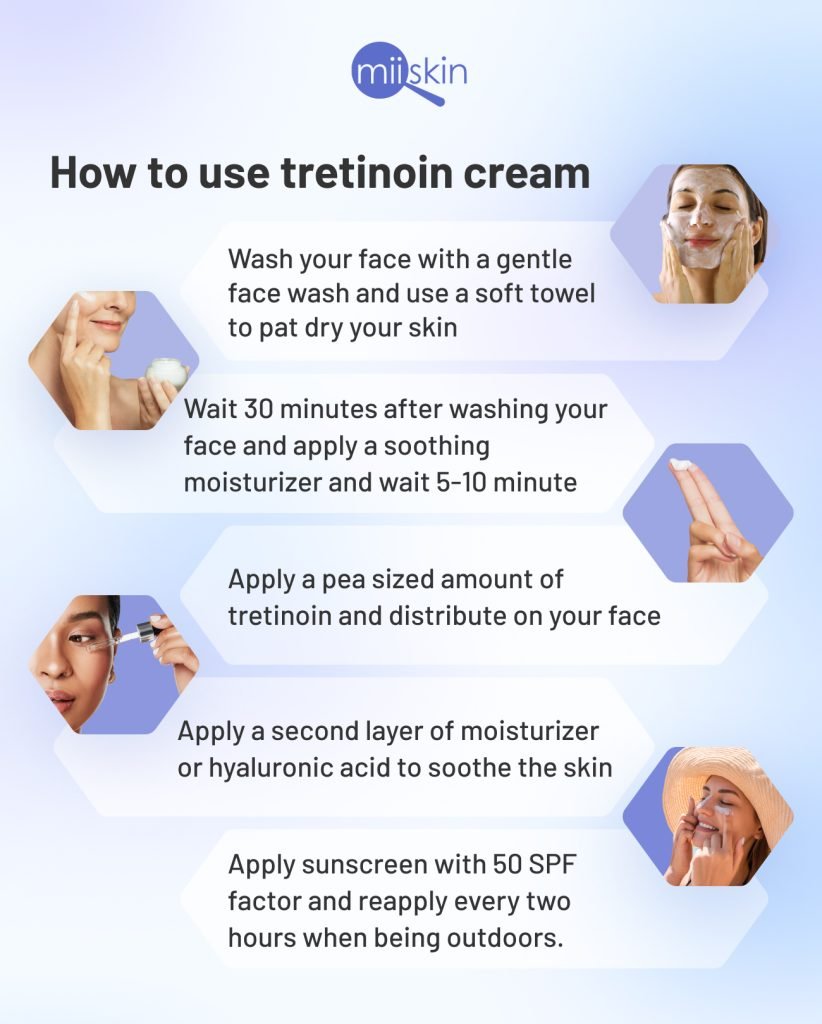
Start by washing your face with a gentle, non-abrasive cleanser. Avoid cleansers with harsh ingredients like sulfates that can strip your skin’s natural oils. Use lukewarm water to rinse; hot water can dry out your skin and increase sensitivity to tretinoin.
Pat your skin dry with a soft towel instead of rubbing. This prevents unnecessary irritation and keeps your skin calm, which is crucial before applying tretinoin. Clean skin ensures tretinoin can absorb properly without barriers.
Applying Tretinoin Correctly
Wait about 10 to 20 minutes after cleansing to apply tretinoin on completely dry skin. Applying it to damp skin can increase irritation and redness. Use a pea-sized amount for your entire face—more isn’t better and can cause excessive dryness.
Dot the tretinoin on your forehead, cheeks, chin, and nose, then gently spread it evenly. Avoid the corners of your eyes, nostrils, and mouth to prevent irritation. Have you noticed how small adjustments in application can reduce discomfort?
Moisturizing And Hydration Tips
Follow tretinoin with a moisturizer to seal in hydration and soothe your skin. Look for fragrance-free, non-comedogenic moisturizers with ingredients like ceramides or hyaluronic acid. Applying moisturizer right after tretinoin helps reduce peeling and dryness.
You can also try the “sandwich method”: moisturizer first, then tretinoin, then moisturizer again. This technique can buffer the tretinoin’s strength if your skin feels too sensitive. How does your skin react when you tweak your moisturizing routine?
Additional Nighttime Products
Keep additional products simple and avoid those with alcohol, exfoliants, or astringents at night. Adding a gentle serum with antioxidants like vitamin C can complement tretinoin but apply it in the morning instead. If you use eye creams or spot treatments, apply them before tretinoin to avoid interaction.
Consider using a hydrating toner or facial oil after moisturizing if your skin feels dry. But watch for any signs of irritation and adjust accordingly. What extra steps have you found that help your skin feel balanced and calm?
Morning Skincare After Tretinoin
Morning skincare after using tretinoin requires gentle care and protection. Your skin needs soothing and hydration to recover from tretinoin’s effects. A simple, calm routine helps keep skin healthy and glowing all day.
Gentle Cleansing
Start with a mild cleanser to avoid irritation. Use lukewarm water and soft hands. Avoid harsh scrubs or strong foaming cleansers. Pat your skin dry with a soft towel. This keeps the skin barrier strong and calm.
Hydrating Serums And Moisturizers
Apply hydrating serums with ingredients like hyaluronic acid. They help lock in moisture without clogging pores. Follow with a lightweight moisturizer to soothe and protect. Choose formulas that are fragrance-free and non-comedogenic. This supports skin repair and reduces dryness.
Sunscreen Importance And Selection
Sun protection is crucial after tretinoin use. Your skin becomes more sensitive to UV rays. Use a broad-spectrum sunscreen with at least SPF 30 daily. Look for mineral-based options with zinc oxide or titanium dioxide. Apply sunscreen generously and reapply every two hours if outdoors.
Credit: www.lemon8-app.com
Managing Side Effects
Starting tretinoin can bring noticeable skin improvements. Some users face side effects like dryness, peeling, and redness. Managing these effects helps keep skin calm and healthy. Adjusting your routine carefully supports better results and comfort.
Dealing With Dryness And Peeling
Dryness and peeling are common at the start of tretinoin use. Moisturize with a gentle, fragrance-free cream twice daily. Use a mild cleanser that does not strip natural oils. Avoid harsh scrubs or exfoliants that worsen peeling. Applying moisturizer before tretinoin can reduce dryness. Drink plenty of water to hydrate skin from inside.
Handling Redness And Irritation
Redness and irritation may appear as your skin adjusts. Apply tretinoin every other night to lessen sensitivity. Use soothing products containing ingredients like aloe vera or chamomile. Avoid products with alcohol or strong fragrances during this period. Protect skin from sun exposure with broad-spectrum sunscreen daily. Wearing a hat outdoors also helps reduce irritation.
When To Adjust Usage
Notice persistent discomfort or severe redness? Reduce tretinoin frequency to twice or thrice a week. Skip application on days with extreme irritation. Consult a dermatologist if side effects last longer than four weeks. They may suggest a lower concentration or alternative treatments. Patience is key; gradual adjustment supports skin tolerance.
Tips For Maximizing Results
Maximizing the results of a tretinoin skincare routine requires care and smart habits. Small changes in how you use tretinoin and daily habits can make a big difference. Follow these tips to help your skin get the most benefits from tretinoin.
Consistency And Patience
Tretinoin takes time to show effects. Use it regularly as directed. Skipping days can slow progress. Expect improvements after several weeks, not days. Be patient and keep your routine steady. Avoid changing products or doses without advice.
Avoiding Harmful Ingredients
Some skincare ingredients can irritate skin with tretinoin. Avoid products with strong acids like glycolic or salicylic acid. Stay away from abrasive scrubs and harsh cleansers. Use gentle, hydrating products instead. Always apply sunscreen daily to protect sensitive skin.
Lifestyle Factors For Healthy Skin
- Drink plenty of water to keep skin hydrated.
- Eat balanced meals rich in vitamins and minerals.
- Get enough sleep to help skin repair.
- Limit sun exposure and wear protective clothing.
- Manage stress to reduce skin flare-ups.

Credit: drbaileyskincare.com
Common Myths About Tretinoin
Tretinoin is a popular skincare ingredient, but many myths surround its use. These myths can cause confusion and stop people from trying it. Understanding the facts helps users get the best results safely. Here are some common misconceptions about tretinoin.
Misconceptions On Skin Thinning
Many believe tretinoin thins the skin. It actually helps make skin thicker over time. Tretinoin boosts collagen, which strengthens skin. Some users notice peeling or dryness at first. This is normal and part of skin renewal. Using moisturizer can reduce irritation and protect skin.
Clarifying Purging Vs. Breakouts
Purging is a normal phase when starting tretinoin. It happens because tretinoin speeds up skin cell turnover. This process brings clogged pores to the surface quickly. Purging lasts a few weeks and then clears up. Breakouts, on the other hand, are new acne caused by irritation or other factors. Knowing the difference helps users stay patient and consistent.
Long-term Safety
Tretinoin is safe for long-term use under guidance. Studies show it does not cause lasting damage. It helps improve skin texture and reduces signs of aging. Regular check-ins with a dermatologist ensure safe use. Avoiding excessive sun exposure and using sunscreen is important during tretinoin treatment.
Frequently Asked Questions
What Is The Best Time To Apply Tretinoin?
Apply tretinoin at night on clean, dry skin. Nighttime use reduces sun sensitivity and boosts its effectiveness. Avoid applying immediately after washing to prevent irritation. Consistent evening application helps maximize skin renewal benefits safely.
How To Build Tolerance To Tretinoin?
Start with a low concentration, applying every other night. Gradually increase frequency as your skin adapts. Use gentle moisturizers and avoid harsh products. This approach minimizes irritation and allows your skin to adjust comfortably over time.
Can I Use Moisturizer With Tretinoin?
Yes, moisturizing is essential when using tretinoin. Apply a gentle, non-comedogenic moisturizer after tretinoin to reduce dryness and peeling. It helps maintain skin hydration and improves tolerance without interfering with tretinoin’s effectiveness.
How Long Before Seeing Tretinoin Results?
Visible improvements typically appear after 6 to 12 weeks. Consistent use is key to seeing reduced acne, fine lines, and improved texture. Patience and adherence to your routine ensure optimal long-term benefits.
Conclusion
Tretinoin can improve your skin with regular use. Start slow to avoid irritation and dryness. Always apply sunscreen during the day to protect your skin. Keep your routine simple and gentle for best results. Consistency matters more than speed in seeing changes.
Pay attention to your skin’s needs and adjust as needed. Healthy skin takes time and care. Stick with your routine and be patient. Clear, smooth skin is possible with proper tretinoin use.
