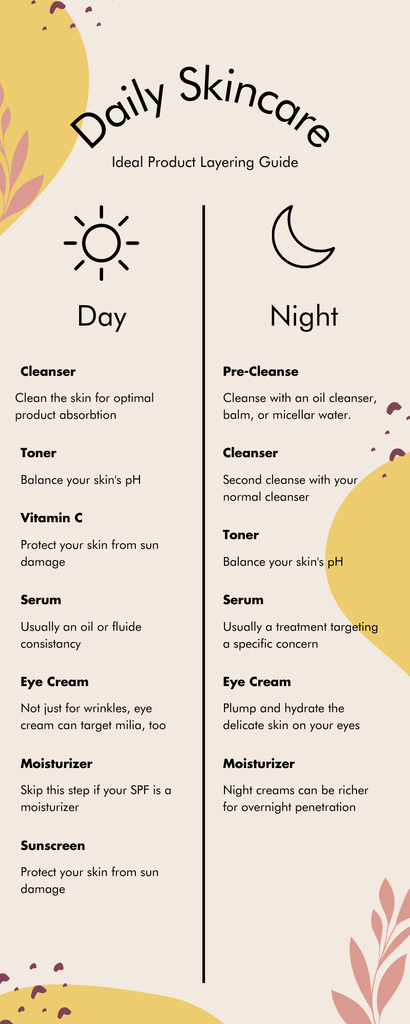
Do you ever wonder why your skincare products aren’t delivering the glowing results you crave? The secret might be in the order you apply them.
Imagine your skincare routine as a recipe; using the right ingredients in the right sequence is crucial for success. By understanding the ideal order of skincare products, you can unlock your skin’s full potential and achieve that enviable, radiant complexion.
Whether you’re a skincare newbie or a beauty enthusiast, this guide will simplify the steps for you. Ready to transform your skincare game? Keep reading to discover the magic formula that could make all the difference for your skin.
Why Product Order Matters
Knowing why the order of your skincare products matters can change how your skin looks and feels. You might be using great products, but if they are applied in the wrong sequence, your skin might not absorb them properly. This can mean wasted money and missed chances for your skin to get the full benefits.
Skin Absorption Basics
Your skin can only absorb so much at a time. Products with lighter, water-based formulas should go on first because they penetrate deeply and prepare your skin for thicker creams. Think about it like layers: if you put on a heavy cream first, it blocks the lighter products from reaching your skin.
Have you noticed how some products feel sticky or don’t seem to work after you apply other creams? That’s because your skin hasn’t absorbed the first product fully. Waiting a minute or two between steps helps your skin take in each product properly.
Maximizing Product Benefits
Applying products in the right order helps each ingredient do its job better. For example, serums packed with active ingredients like vitamin C or hyaluronic acid work best on clean, damp skin before adding moisturizers. Moisturizers then lock in all those benefits, keeping your skin hydrated and protected all day.
Think about sunscreen too—no matter how many products you layer, sunscreen should always be the final step in your morning routine. This ensures it forms a proper barrier against UV rays. Skipping this step or putting sunscreen under other products can reduce its effectiveness.
Are you getting the most out of your skincare routine? Try rearranging your products and notice the difference in how your skin feels and looks.
Cleansers First
Starting your skincare routine with a cleanser is essential. It removes dirt, oil, and makeup, setting the stage for all other products to work effectively. Skipping this step can block pores and reduce the benefits of serums and moisturizers you apply afterward.
Choosing The Right Cleanser
Not all cleansers suit every skin type. If you have dry skin, look for hydrating cleansers with ingredients like glycerin or hyaluronic acid. Oily skin benefits from foaming or gel cleansers that control excess oil without stripping moisture.
Consider your lifestyle too. If you wear heavy makeup or sunscreen daily, a stronger cleanser may be necessary. On the other hand, sensitive skin needs gentle, fragrance-free options to avoid irritation.
Double Cleansing Explained
Double cleansing means using two types of cleansers, one after the other, to ensure your skin is thoroughly clean. First, an oil-based cleanser breaks down makeup and sunscreen effectively. Then, a water-based cleanser removes sweat, dirt, and leftover residue.
This method can seem time-consuming, but it often leads to clearer skin and better product absorption. Have you tried double cleansing yet? You might be surprised how much cleaner your skin feels afterward.
Toners And Essences
Toners and essences often get mixed up, but they each play a unique role in your skincare routine. Understanding how and when to use them can make a noticeable difference in your skin’s texture and hydration. Let’s dive into what these products do and how to get the most out of them.
Purpose Of Toners
Toners help balance your skin’s pH after cleansing. If your skin feels tight or dry post-wash, a toner can restore moisture and calm irritation.
Some toners also prep your skin to absorb the next products better. Look for ingredients like witch hazel if you want to control oil, or rose water for soothing effects.
Think about your skin type when choosing a toner. You don’t want to add harsh alcohol-based toners if your skin is sensitive or dry.
When To Apply Essences
Essences are lightweight, hydrating liquids that you apply right after toning. They deliver a boost of moisture and nutrients deep into your skin.
Many essences contain active ingredients like hyaluronic acid or niacinamide to improve skin texture and brightness. Applying them early helps your skin soak in these benefits effectively.
Ask yourself: Are you looking to increase hydration or target specific skin concerns like dullness? Essences can be a simple but powerful step to add in between your toner and serum.

Credit: lucybee.com
Serums And Treatments
Serums and treatments play a key role in any skincare routine. They deliver active ingredients directly to the skin. These products target specific concerns like wrinkles, dark spots, and dryness. Using serums and treatments correctly boosts their effectiveness and improves skin health.
Layering Multiple Serums
Layering serums can provide many benefits. Apply the thinnest, water-based serum first. Follow with thicker, oil-based serums. Let each serum absorb before adding the next. This prevents pilling and ensures better skin absorption.
Use no more than two or three serums at once. Too many layers can overwhelm the skin and cause irritation. Focus on serums with complementary ingredients for best results.
Targeted Skin Concerns
Choose serums based on your skin needs. For acne, use serums with salicylic acid or niacinamide. For dryness, look for hyaluronic acid or ceramide serums. Vitamin C serums brighten dull skin and fight free radicals.
Spot treatments work well for blemishes and dark spots. Apply these only on affected areas. This avoids unnecessary irritation on healthy skin.
Eye Creams And Spot Treatments
Eye creams and spot treatments play a key role in a skincare routine. They target specific concerns like dark circles, puffiness, and blemishes. These products contain concentrated ingredients that need careful use. Applying them in the right order ensures maximum benefit and skin comfort.
Gentle Application Tips
Use your ring finger to apply eye cream gently. This finger applies the least pressure. Dab small dots around the eye area. Avoid rubbing or pulling the skin. For spot treatments, apply directly on the blemish. Use a clean fingertip or a cotton swab. Let the product absorb before adding other products.
Timing For Best Results
Apply eye cream after cleansing and toning but before moisturizer. This helps the cream absorb well. Spot treatments work best on clean, dry skin. Use them before moisturizing to avoid dilution. For night routines, apply spot treatments last. This allows the product to work overnight without interference.
Credit: www.lemon8-app.com
Moisturizers Next
Moisturizers come after cleansing and toning in your skincare routine. They help keep your skin soft and hydrated. Moisturizers create a barrier that locks in moisture and protects your skin. Choosing the right moisturizer depends on your skin type and needs.
Types Of Moisturizers
There are several types of moisturizers. Each serves a different purpose and suits different skin types.
- Lotions:Light and water-based. Good for oily or normal skin.
- Creams:Thicker and richer. Ideal for dry or mature skin.
- Gels:Lightweight and fast-absorbing. Best for oily or acne-prone skin.
- Ointments:Very thick and oily. Great for very dry or sensitive skin.
Sealing In Hydration
Moisturizers lock in the hydration from previous steps. They prevent water loss throughout the day. Without a moisturizer, skin can feel dry and tight.
Apply moisturizer on damp skin for better absorption. This helps keep your skin smooth and healthy. Moisturizers also protect against harsh weather and pollutants.
Sunscreen As The Final Step
Finishing your skincare routine with sunscreen is not just a habit—it’s a crucial shield for your skin every day. Sunscreen acts as the final barrier, protecting your skin from harmful UV rays that can cause premature aging, sunburn, and even skin cancer. No matter your skin type or the weather outside, applying sunscreen last locks in all the benefits of your skincare products while guarding your skin.
Importance Of Daily Spf
Many people skip sunscreen when it’s cloudy or if they’re indoors, but UV rays can penetrate windows and clouds. This means your skin is exposed even when you don’t feel the sun’s heat. Wearing SPF every day helps prevent dark spots, redness, and wrinkles caused by sun damage.
Think about the times you forgot sunscreen and ended up with a sunburn or patchy skin tone. Those moments highlight why SPF is non-negotiable. Protecting your skin daily also reduces the risk of skin cancer, which often develops over years of UV exposure.
Applying Sunscreen Properly
Applying sunscreen correctly makes a huge difference in how well it protects you. Use about a nickel-sized amount for your face and spread it evenly. Don’t forget often-missed spots like your neck, ears, and the back of your hands.
Reapply every two hours if you’re outdoors, and immediately after swimming or sweating. Layer your sunscreen over moisturizers and serums, but avoid mixing it with other products as this can reduce its effectiveness. Have you checked your sunscreen’s expiration date lately? Using fresh product ensures you get the protection you expect.
Adjusting Routine For Day And Night
Adjusting your skincare routine for day and night helps your skin get the right care. Your skin needs different things depending on the time of day. Morning routines prepare your skin for the outside world. Night routines focus on healing and repair.
Differences In Product Choices
Daytime products protect your skin from sun and pollution. Use a gentle cleanser, lightweight moisturizer, and sunscreen. Brightening serums or antioxidants work well in the morning. They help fight free radicals and keep skin fresh.
Nighttime products focus on hydration and repair. Choose richer creams and treatments that support skin healing. Retinoids, peptides, and nourishing oils boost skin renewal. Skip sunscreen at night but cleanse thoroughly.
Nighttime Repair Focus
Skin cells regenerate faster while you sleep. Night routines should support this natural process. Apply treatments that improve texture and reduce fine lines. Use thicker moisturizers to lock in moisture. This helps skin stay soft and smooth by morning.
Be gentle. Avoid harsh products that can cause irritation overnight. Give your skin time to rest and recover. A simple, consistent night routine leads to healthier skin over time.
Common Mistakes To Avoid
Many people make mistakes in their skincare routine that reduce its effectiveness. Understanding common errors helps keep skin healthy and glowing. Avoiding these pitfalls ensures your products work well together.
Overloading Products
Applying too many products can irritate your skin. It may cause redness, breakouts, or clogged pores. Using heavy layers blocks absorption and wastes product. Stick to a simple routine with essential items only.
Skipping Essential Steps
Some skip important steps like cleansing or moisturizing. This leaves dirt and oils on the skin, causing issues. Skipping sunscreen exposes skin to damage and aging. Each step has a purpose and should not be missed.
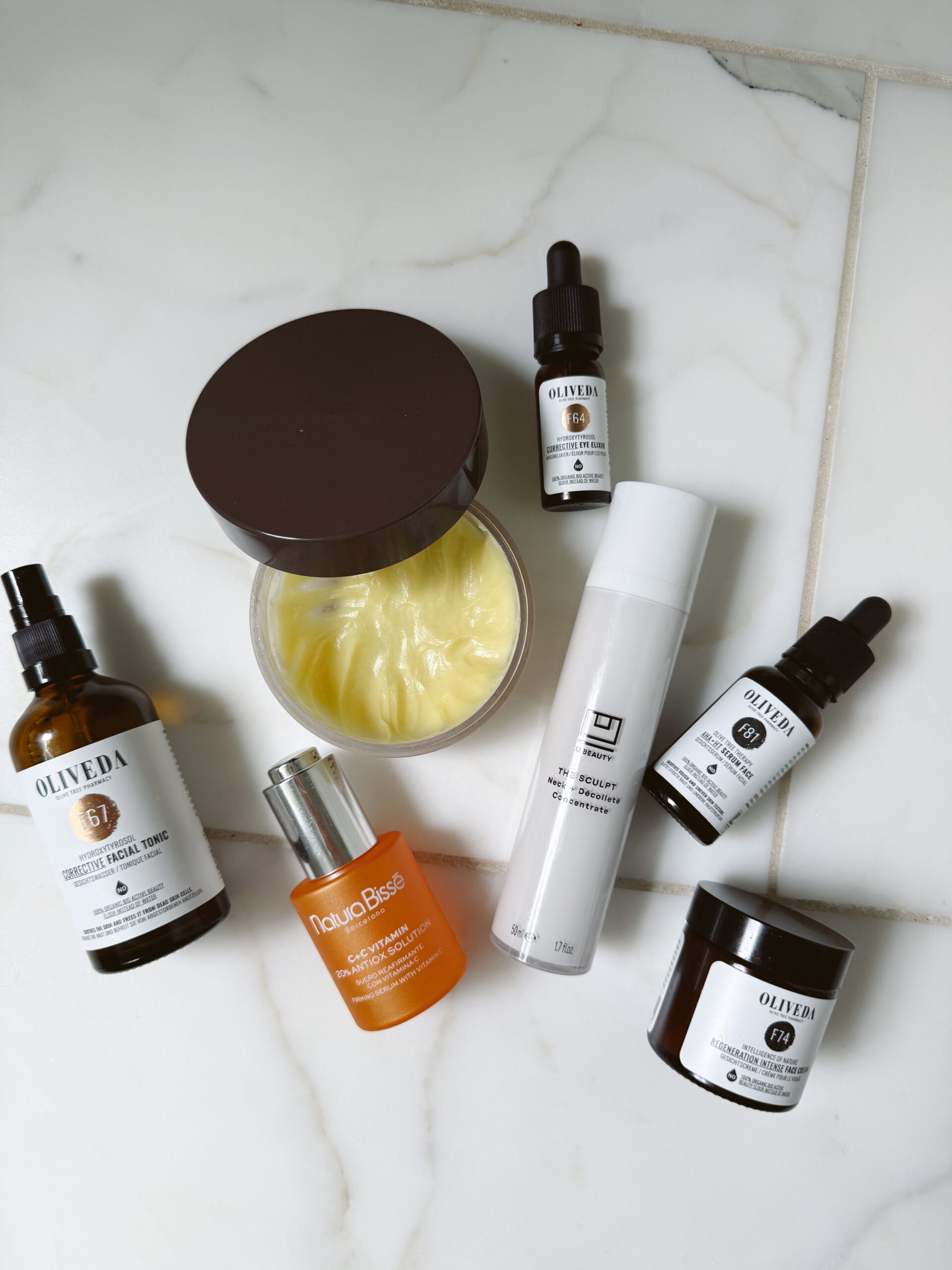
Credit: terilynadams.com
Tips For Building Your Routine
Building your skincare routine can feel overwhelming with so many products and advice out there. The key is to keep it manageable and safe for your skin. You want to see results without causing irritation or wasting money on unused products.
Starting Simple
Begin with the basics: a gentle cleanser, a moisturizer, and sunscreen. These three steps cover cleansing, hydration, and protection—essential for any skin type.
Adding too many products at once can confuse your skin and make it harder to identify what works. Think about your daily routine and how much time you realistically want to spend on skincare.
Have you ever tried a complicated routine only to give up after a week? Simplifying your start helps build consistency, which is more important than complexity.
Introducing New Products Safely
When you add a new product, try it on a small skin patch first. This helps spot any allergic reactions or irritation before applying it to your entire face.
Wait at least a few days before introducing another product. This way, you can track how each item affects your skin individually.
Write down how your skin feels after using the new product—does it feel dry, oily, or balanced? This habit can reveal patterns you might miss otherwise.
Remember, more products don’t always mean better results. Which new product could you add today without overwhelming your routine?
Frequently Asked Questions
What Is The Correct Order Of Skincare Products?
Start with cleanser, then toner, followed by serum. Next, apply moisturizer and finish with sunscreen. This order ensures maximum absorption and effectiveness of each product.
Should I Apply Serum Before Or After Moisturizer?
Apply serum before moisturizer. Serums contain concentrated active ingredients that need direct skin contact. Moisturizers lock in hydration and serum benefits.
How Long Should I Wait Between Skincare Steps?
Wait 30 seconds to 1 minute between steps. This allows each product to absorb properly and prevents mixing, improving overall skincare effectiveness.
Can I Apply Sunscreen Over Makeup?
Yes, use a setting spray with SPF or powder sunscreen over makeup. Applying sunscreen first protects your skin, but reapplication is essential for ongoing protection.
Conclusion
Following the right order of skincare products helps your skin absorb them better. Start with light products like cleansers and toners, then move to heavier creams. This simple routine can improve your skin’s health and glow. Remember, consistency matters more than fancy products.
Take your time and enjoy the process. Healthy skin is a daily effort, not a quick fix. Keep it simple, and your skin will thank you.
