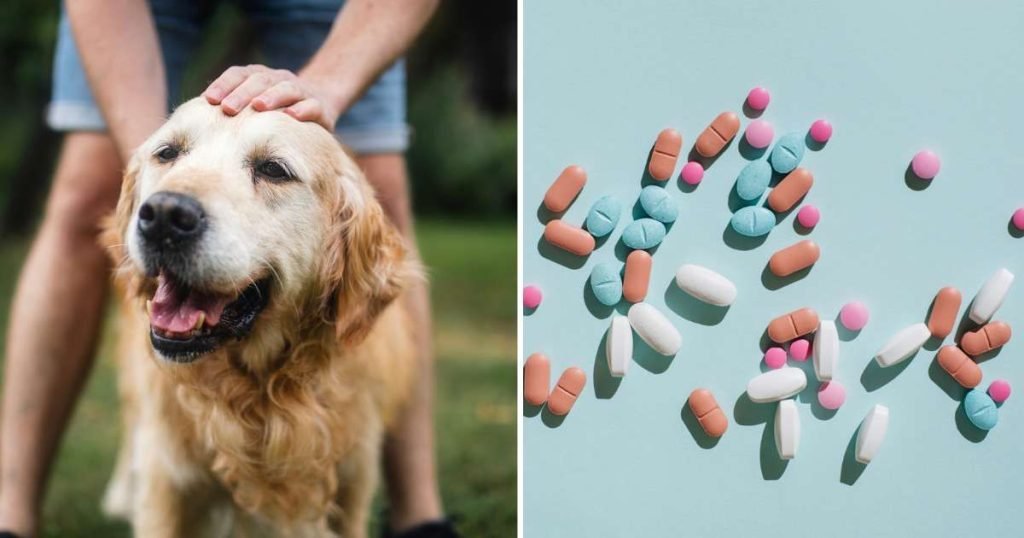
Imagine a world where your furry friend could stay youthful, energetic, and healthy for longer. As a loving pet owner, you want the best for your dog, and the idea of extending their vitality is undeniably appealing.
Enter the anti-aging pill for dogs, a groundbreaking innovation that promises to revolutionize pet care. This isn’t just a fantasy; it’s a reality that’s capturing the attention of pet lovers everywhere. You might be wondering how this pill works and if it could truly benefit your beloved companion.
Stay with us as we delve into the science, benefits, and potential of this remarkable development. Your dog’s longevity and quality of life could be about to change in ways you never imagined.
Credit: www.goodrx.com
Causes Of Aging In Dogs
Aging in dogs, much like in humans, is a complex process influenced by several factors. Understanding what causes your furry friend to age can help you make better choices for their health and happiness. Let’s take a closer look at the main causes behind aging in dogs.
Cellular Aging Process
At the heart of aging is the cellular aging process. Over time, your dog’s cells lose their ability to function properly and repair damage. This leads to slower healing, weakened immunity, and signs of aging like graying fur and reduced energy.
Think about how your dog seems less playful after a long run compared to when they were a puppy. That’s a simple example of cellular wear and tear in action. Have you noticed any changes in your dog’s energy levels recently?
Genetic Factors
Your dog’s genes play a big role in how they age. Some breeds naturally live longer, while others are prone to certain age-related diseases. Genetics can affect everything from joint health to the risk of cancer.
For example, larger breeds often age faster than smaller ones. Knowing your dog’s breed-specific risks can help you stay proactive with vet visits and lifestyle adjustments tailored just for them.
Environmental Influences
The environment your dog lives in impacts their aging process as well. Exposure to toxins, poor diet, lack of exercise, and even stress can accelerate aging. Clean air, nutritious food, and regular playtime can all add quality years to your dog’s life.
Have you ever considered how your dog’s daily environment might be affecting their health? Small changes, like adding supplements or improving their living space, can make a noticeable difference.

Credit: her.ie
Signs Of Aging In Dogs
Dogs age just like people. Their bodies and minds change over time. Recognizing these signs helps owners provide better care. Early detection can improve a dog’s quality of life. Here are common signs that show a dog is getting older.
Physical Changes
Gray fur often appears around the muzzle and eyes. Muscle mass may shrink, making the dog look thinner. Joints can become stiff, causing slower movements. Teeth might wear down or show signs of decay. Eyes may become cloudy, affecting vision. Hearing loss is also common in senior dogs.
Behavioral Shifts
Older dogs may sleep more than before. They might lose interest in play or exercise. Some dogs show confusion or forget learned commands. Changes in social behavior, like less interaction, can occur. Anxiety or irritability may increase due to discomfort. House training might become less reliable.
Health Concerns
- Arthritis causing pain and reduced mobility
- Weight gain or loss without clear cause
- Digestive issues like vomiting or diarrhea
- Changes in appetite or water intake
- Signs of heart or kidney problems
- Frequent infections or slow healing wounds
How Anti Aging Pills Work
Understanding how anti aging pills work for dogs can help you decide if they are a good addition to your pet’s health routine. These supplements target the root causes of aging on a cellular level. They aim to keep your dog active, healthy, and feeling young for longer.
Key Ingredients
The effectiveness of anti aging pills depends largely on their ingredients. Common components include:
- Antioxidants:Vitamins C and E protect cells from damage caused by free radicals.
- Omega-3 Fatty Acids:These support brain function and reduce inflammation.
- Coenzyme Q10:Helps improve energy production in cells.
- Collagen:Maintains joint health and skin elasticity.
- Herbal Extracts:Ingredients like turmeric and green tea provide anti-inflammatory and immune-boosting properties.
Each ingredient plays a role in slowing down the signs of aging and improving your dog’s overall well-being.
Mechanisms Of Action
Anti aging pills work by addressing damage at the cellular level. They reduce oxidative stress, which is a major factor in aging.
By boosting antioxidants in your dog’s body, these supplements help repair damaged cells and support new cell growth. Some ingredients also promote better blood flow and oxygen delivery to tissues.
Additionally, certain components help reduce inflammation, which often causes pain and stiffness in older dogs. These combined effects aim to keep your dog’s body functioning like it did in younger years.
Benefits For Dogs
Many pet owners notice their dogs regain energy and mobility after starting anti aging supplements. Your dog might experience:
- Improved joint flexibility and reduced stiffness
- Better coat condition and skin health
- Enhanced cognitive function and alertness
- Stronger immune system to fight off illnesses
- Increased overall vitality and happiness
Have you seen your dog slow down with age? These pills could help bring back that playful spirit you miss. Always consult your vet before adding any supplement to your dog’s diet to ensure it’s safe and suitable.
Popular Anti Aging Supplements
Choosing the right anti aging pill for your dog can feel overwhelming with so many options available. Popular supplements often blend science with nature to support your dog’s vitality and longevity. Understanding what’s out there helps you make informed choices tailored to your pet’s unique needs.
Natural Remedies
Natural supplements often include ingredients like glucosamine, omega-3 fatty acids, and antioxidants. These help reduce joint pain, improve coat health, and fight oxidative stress. Many dog owners notice visible improvements within weeks of adding these to their pet’s diet.
Have you ever considered how something as simple as adding fish oil can boost your dog’s energy? Natural supplements often come with fewer side effects, making them a gentle choice for aging dogs.
Veterinary-approved Options
Veterinarians often recommend supplements that have undergone rigorous testing for safety and effectiveness. Products containing ingredients like SAMe, CoQ10, and L-carnitine show promising results in supporting brain and heart health. These options come with the added benefit of professional guidance tailored to your dog’s condition.
Ask your vet about the best anti aging pills that fit your dog’s specific health needs. Using veterinary-approved supplements ensures you’re not just guessing but using science-backed solutions.
User Reviews And Feedback
Real-world experiences offer valuable insights into how well supplements work over time. Many pet owners share stories of improved mobility, brighter eyes, and better overall mood after consistent use. Reading reviews can help you spot reliable products and avoid those that overpromise but underdeliver.
What are other dog owners saying about the supplements you’re considering? User feedback often reveals subtle benefits and potential downsides that clinical data might miss.
Choosing The Right Supplement
Choosing the right anti-aging supplement for your dog is a crucial step in supporting their health as they grow older. Not all supplements are created equal, and what works well for one dog may not be suitable for another. Understanding key factors will help you make the best choice for your furry friend’s unique needs.
Factors To Consider
Start by looking at your dog’s specific health conditions and age. Some supplements target joint health, while others focus on cognitive function or skin and coat quality. Check the ingredient list carefully—natural components like antioxidants, omega-3 fatty acids, and vitamins often provide the best results.
Think about your dog’s size and breed, too. Larger breeds may need different nutrient levels compared to smaller dogs. Have you noticed any allergies or sensitivities? Avoid supplements with ingredients that could trigger reactions.
Dosage And Administration
Correct dosage is vital. Giving too little might not help, but too much can cause harm. Follow the dosage instructions on the label or consult your vet for a tailored plan.
Consider how easy the supplement is to give. Pills, chewables, and powders all have pros and cons. If your dog refuses pills, a tasty chewable might be a better option to ensure consistency.
Safety Precautions
Never assume a supplement is completely safe just because it’s natural. Some ingredients can interfere with medications or cause side effects. Always check with your vet before starting any new supplement.
Watch your dog closely after introducing a supplement. Look for changes in behavior, appetite, or digestion. If you see anything unusual, stop the supplement and consult your vet immediately.
Complementary Lifestyle Changes
Adding an anti-aging pill to your dog’s routine can be a game-changer, but it’s not the whole story. Real results come from pairing it with lifestyle changes that support your dog’s overall health. Think of these changes as the foundation that helps the pill work better and keeps your furry friend feeling young and vibrant.
Nutrition And Diet
Your dog’s diet plays a huge role in how well they age. Feeding high-quality, balanced meals packed with antioxidants, omega-3 fatty acids, and essential vitamins can protect cells and reduce inflammation. Have you checked if your dog’s current food supports joint health and brain function?
Adding fresh veggies like carrots or green beans and lean proteins can boost energy levels. Avoid processed treats with artificial ingredients—they can speed up aging. Switching to a diet tailored for senior dogs often makes a noticeable difference in their coat, digestion, and activity.
Exercise And Mobility
Regular exercise keeps muscles strong and joints flexible, which is crucial as dogs get older. It doesn’t mean long runs every day; gentle walks, swimming, or play sessions suited to your dog’s ability work wonders. Have you noticed how your dog perks up after a brisk walk?
Stretching and light mobility exercises can reduce stiffness and improve circulation. You might even try massage or physical therapy for extra support. Keeping your dog moving helps prevent weight gain and supports their heart and lung health.
Mental Stimulation
Keeping your dog’s mind sharp slows down cognitive decline and improves their quality of life. Puzzle toys, new tricks, and scent games challenge their brain in fun ways. When was the last time you introduced a new activity that made your dog think?
Social interaction with other dogs or people also boosts mental health. Simple changes like rotating toys or changing walk routes can keep curiosity alive. Mental workouts paired with anti-aging supplements create a powerful combo for longevity.
Monitoring Your Dog’s Progress
Monitoring your dog’s progress after starting an anti-aging pill is essential. It helps ensure the treatment is working well and keeps your dog safe. Careful observation lets you spot improvements or side effects early. This way, you can make better decisions about your dog’s health journey.
Tracking Health Improvements
Keep a daily log of your dog’s behavior and health. Note changes in energy, appetite, and mood. Watch for better mobility or less stiffness during walks. Record weight and coat condition regularly. Small improvements show the pill’s effectiveness over time.
Adjusting Treatment Plans
Use your health notes to decide if changes are needed. Adjust doses only with vet advice. If your dog shows no progress after weeks, discuss other options. A flexible plan helps meet your dog’s unique needs. Avoid stopping medication without professional guidance.
When To Consult A Vet
Contact a vet if your dog shows unusual symptoms. Signs include vomiting, diarrhea, or severe lethargy. Consult the vet if health declines or no improvement occurs. Regular check-ups ensure the treatment stays safe and effective. Early vet visits prevent serious health issues.

Credit: www.youtube.com
Frequently Asked Questions
What Is An Anti Aging Pill For Dogs?
An anti aging pill for dogs helps slow aging effects. It supports joint health, skin, and cognitive function. These supplements improve vitality and overall well-being in senior dogs. Always consult a vet before starting any new pill.
How Do Anti Aging Pills Benefit Dogs?
These pills enhance energy, mobility, and mental clarity. They reduce inflammation and support healthy aging. Ingredients often include antioxidants, vitamins, and fatty acids. Benefits vary, but many dogs experience improved quality of life.
Are Anti Aging Pills Safe For All Dog Breeds?
Most anti aging pills are safe for all breeds. However, dosage and ingredient sensitivity can differ. Always check with your vet to ensure safety and effectiveness for your dog’s specific needs.
When Should I Start Giving My Dog Anti Aging Pills?
Start anti aging supplements as your dog reaches senior age. Typically, this is around 7 years old for most breeds. Early use helps maintain health and delays age-related decline effectively.
Conclusion
Anti aging pills can help keep dogs active and healthy longer. They support joint health, energy, and overall well-being. Always choose products with safe, natural ingredients. Consult your vet before starting any new supplement. Small steps can make a big difference in your dog’s life.
Healthy aging means more joyful moments together. Keep your furry friend comfortable and full of life. Taking care today helps your dog enjoy tomorrow. Simple care can add years to your dog’s happiness.
