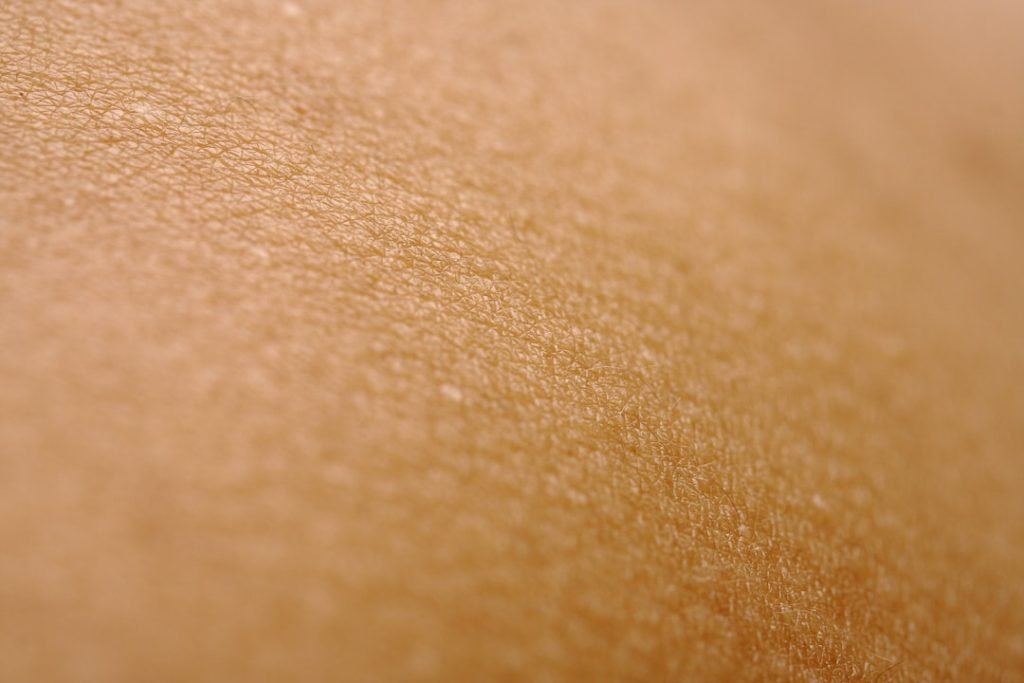
Imagine looking in the mirror and feeling confident about your skin, even if it isn’t flawlessly smooth. If textured skin has been your concern, you’re not alone.
Many people struggle with uneven skin surfaces, whether from acne scars, enlarged pores, or other skin conditions. But here’s the good news: the right foundation can transform your textured skin into a canvas of beauty. You’re about to discover how the perfect foundation can not only enhance your natural beauty but also boost your confidence.
Get ready to unlock the secrets to achieving a smooth, radiant look that feels as good as it looks. Stay with us, and you’ll learn tips and tricks that will change your makeup game forever.
:max_bytes(150000):strip_icc()/byr-best-full-coverage-foundations-tout-64835f9fe7f84e038ae7518a73cf1b7a.jpg)
Credit: www.byrdie.com
Choosing The Right Foundation
Choosing the right foundation is key for a smooth, natural look on textured skin. The right product can hide bumps and uneven patches. It also helps skin feel comfortable and look fresh all day. Knowing what to pick helps avoid cakey or patchy makeup. Here’s how to find the best foundation for textured skin.
Best Formulas For Textured Skin
Liquid and cream foundations usually work best. They glide on easily and blend well. Avoid thick, heavy formulas that settle into skin lines. Lightweight, buildable coverage helps even out the skin tone. Foundations with a satin or natural finish give a soft, smooth look. Matte foundations can highlight texture by drying skin too much.
Shade Matching Tips
Choose a shade that matches your neck or jawline. Test foundation in natural light to see true color. Blend a small amount on your skin to check for a perfect match. Avoid shades that are too light or too dark. A proper match makes skin look seamless and healthy. Many stores offer samples to try at home before buying.
Ingredients To Avoid
- Alcohol: Dries out and irritates textured skin.
- Heavy silicones: Can clog pores and cause breakouts.
- Fragrance: Often causes redness or irritation.
- Thick waxes: May create a cakey or mask-like finish.
Look for foundations with hydrating ingredients like hyaluronic acid or glycerin. These keep skin soft and smooth throughout the day.

Credit: www.youtube.com
Prepping Skin For Smooth Application
Preparing your skin before applying foundation creates a smooth, even base. This step helps the foundation glide on effortlessly and last longer. Proper skin prep minimizes the look of texture and imperfections. It also prevents cakey or patchy makeup finishes.
Cleansing And Exfoliating
Start by cleansing your face to remove dirt and oil. Use a gentle cleanser suited for your skin type. Exfoliate 2-3 times a week to slough off dead skin cells. Choose a mild scrub or a chemical exfoliant with AHAs or BHAs. This clears rough patches and smooths the skin’s surface. Avoid harsh scrubs that can irritate textured skin.
Moisturizing Techniques
Apply a lightweight moisturizer to hydrate the skin well. Moisturizing softens dry, flaky areas for a better foundation finish. Use small, gentle strokes to massage moisturizer into the skin. Focus on areas prone to dryness or texture. Allow the moisturizer to fully absorb before applying makeup. This creates a supple, smooth canvas.
Primers That Blur Imperfections
Use primers designed to blur pores and fine lines. Silicone-based primers work well to fill in uneven texture. They create a smooth surface for foundation to sit on. Look for primers with light-reflecting properties to soften harsh shadows. Apply primer sparingly on textured areas only. This keeps the skin looking natural and smooth.
Application Techniques For Flawless Coverage
Applying foundation on textured skin requires gentle care and the right approach. The goal is to create smooth, even coverage without highlighting bumps or pores. Using the proper techniques helps the foundation look natural and last longer. Below are key methods to achieve flawless coverage on textured skin.
Tools To Use
Choose tools that provide control and a soft finish. Brushes with dense, synthetic bristles work well to press foundation into the skin. Beauty sponges help to bounce and blend product evenly. Fingers can warm the foundation, allowing better absorption, but use them gently. Avoid rough or stiff brushes that can drag on textured areas.
Layering Without Caking
Apply foundation in thin layers to avoid heaviness. Start with a small amount and build coverage gradually. Focus on areas that need more attention, like scars or uneven patches. Let each layer dry slightly before adding the next. This method prevents thick, cakey buildup and keeps the skin looking fresh.
Blending Methods
Blend foundation carefully around textured spots using a tapping motion. Patting helps settle the product without moving it too much. Use a damp sponge to soften edges and create a seamless finish. Avoid rubbing or swiping, which can lift product and highlight texture. Finish by pressing lightly with fingers for a natural glow.

Credit: www.youtube.com
Setting And Finishing Touches
Setting and finishing touches can make or break the look of foundation on textured skin. You want your makeup to last without emphasizing bumps or dry patches. The right products and techniques can help your foundation stay smooth and flawless all day long.
Best Setting Powders
Choosing a setting powder that suits textured skin is crucial. Look for finely milled powders that don’t settle into lines or accentuate unevenness. Translucent powders with a matte finish often work well, but avoid anything too heavy or cakey.
- Loose powders:They provide a lightweight finish and can be layered gently for better control.
- Pressed powders:Great for touch-ups on the go but apply lightly to avoid texture build-up.
- Mineral powders:Often contain ingredients that help blur imperfections while setting makeup.
Have you ever noticed how some powders make your skin look dry and cracked? The key is to test powders under natural light and feel their texture on your skin before committing.
Using Setting Sprays
Setting sprays add a vital finishing layer that locks your foundation in place. Unlike powders, sprays can refresh the skin’s surface without adding dryness or texture. They help to meld the makeup with your skin, giving a more natural look.
- Choose hydrating sprays if your skin tends to be dry or flaky.
- Mist your face from about 8-10 inches away for even coverage.
- Use sprays with a matte finish if you have oily areas but avoid over-spraying.
I once tried a setting spray for the first time and was surprised by how it softened the look of my textured skin. It made the foundation appear less powdery and more skin-like.
Touch-up Tips Throughout The Day
Keeping your foundation fresh on textured skin requires careful touch-ups. Avoid piling on more product, which can highlight uneven areas. Instead, focus on gentle techniques to maintain your look.
- Use blotting papers to absorb excess oil without disturbing your makeup.
- Apply a light dusting of setting powder with a fluffy brush on oily spots.
- Carry a travel-size setting spray for a quick refresh that smooths and rehydrates.
Have you tried using just a damp beauty sponge to gently press foundation back into place? It’s a subtle way to refresh without adding extra layers.
Common Mistakes To Avoid
Applying foundation on textured skin can be tricky, and certain mistakes can make your makeup look cakey or uneven. Avoiding these common errors will help your foundation sit smoothly and enhance your natural beauty. Let’s look at some pitfalls you can easily steer clear of to get flawless coverage.
Over-applying Product
It’s tempting to pile on foundation to cover every bump or uneven spot, but more product doesn’t mean better results. Excess foundation tends to settle into pores and fine lines, making texture more obvious. Instead, apply a thin layer first and build coverage only where needed.
Think about how much foundation you actually need. Have you ever noticed your skin feels heavy or looks mask-like? That’s a sign you’re overdoing it. Try using a damp sponge or brush to blend out the product evenly without adding bulk.
Skipping Skin Prep
Foundation won’t look good if your skin isn’t ready for it. Skipping moisturizing or primer can cause your makeup to cling to dry patches or emphasize texture. Even if you’re short on time, a simple moisturizer and lightweight primer can make a huge difference.
Ask yourself: how does your skin feel before makeup? If it’s tight or flaky, foundation will highlight those issues. Take a few minutes to prep your skin to create a smooth canvas for better foundation application.
Ignoring Skin Type Needs
Not all foundations work well with every skin type. Using a matte formula on dry skin can make texture stand out, while a dewy foundation on oily skin might slide off quickly. Knowing your skin type helps you choose the right formula and finish.
Have you chosen a foundation based on what looks good in the bottle rather than what suits your skin? Matching your foundation to your skin’s needs will improve both comfort and appearance throughout the day. Consider lightweight, hydrating formulas for dry skin and oil-control options for oily or combination skin.
Frequently Asked Questions
What Foundation Suits Textured Skin Best?
A lightweight, buildable foundation with a matte or satin finish suits textured skin best. Avoid heavy or cakey formulas, as they can emphasize texture and pores, making skin appear uneven.
How To Apply Foundation On Textured Skin?
Use a damp makeup sponge or a dense brush to apply foundation gently. Patting motions help blend product without disturbing textured areas, ensuring smooth, even coverage.
Can Primers Improve Foundation On Textured Skin?
Yes, primers with smoothing or blurring effects help fill in pores and fine lines. They create a smooth base, allowing foundation to apply evenly and last longer on textured skin.
Should I Avoid Certain Foundations For Textured Skin?
Avoid thick, heavy, or oil-based foundations. These can settle into pores and accentuate texture, making skin appear rougher and less smooth.
Conclusion
Choosing the right foundation helps smooth textured skin. It hides bumps and evens out your tone. Look for formulas that blend well and feel light. Applying with a gentle hand makes a big difference. Take care of your skin with regular cleansing.
Healthy skin shows better under any makeup. Feel confident with a natural, smooth finish every day. Keep trying different products to find your best match. Your skin deserves gentle and effective care. Simple steps lead to a flawless look.
