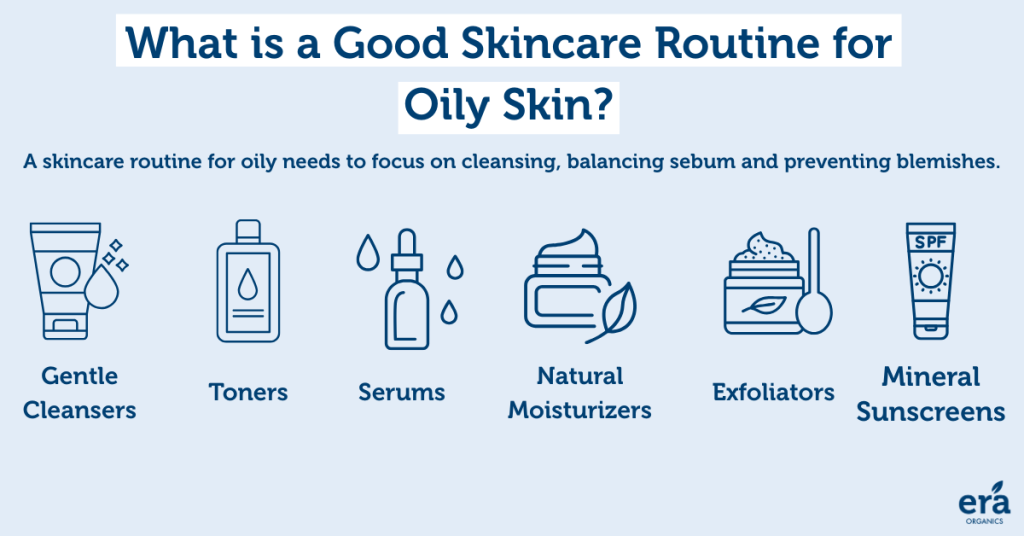
If you have oily skin, you know how tricky it can be to find the right skincare routine. Using products in the wrong order can leave your face feeling greasy, clogged, or even cause breakouts.
But what if there was a simple, step-by-step way to care for your skin that keeps oil under control and gives you a fresh, clear look every day? You’ll discover the exact skincare routine order for oily skin that works.
Follow these easy steps, and you’ll soon notice your skin feeling balanced, healthy, and shine-free. Ready to transform your skincare game? Let’s dive in.
Morning Skincare Steps
Starting your day with the right morning skincare routine is crucial if you have oily skin. It helps control excess shine, keeps your pores clear, and sets the foundation for a fresh, matte look. Let’s break down the key steps that can make a real difference in managing oily skin from the moment you wake up.
Cleansing Tips For Oily Skin
Choosing the right cleanser is your first defense against oily buildup. Look for gentle foaming or gel cleansers that remove dirt and oil without stripping your skin’s natural moisture.
Avoid harsh scrubs or overly drying formulas—they can trigger your skin to produce even more oil. Wash your face twice in the morning using lukewarm water to open pores gently and rinse thoroughly.
Have you noticed how skipping this step leads to more breakouts or shinier skin by midday? That’s your skin asking for a fresh start.
Choosing The Right Toner
Toner is often overlooked, but it balances your skin’s pH and tightens pores after cleansing. Pick an alcohol-free toner with ingredients like witch hazel or salicylic acid that control oil and soothe inflammation.
Apply toner with a cotton pad, gently sweeping across your face. This helps remove any leftover residue and prepares your skin to absorb moisturizer better.
Do you find your skin feels sticky or oily after cleansing? A well-chosen toner can fix that feeling quickly.
Lightweight Moisturizers
Moisturizing oily skin might seem counterintuitive, but skipping it can make your skin produce more oil. Opt for lightweight, oil-free, non-comedogenic moisturizers that hydrate without clogging pores.
Look for ingredients like hyaluronic acid or glycerin, which attract moisture without heaviness. Applying moisturizer immediately after toner locks in hydration and keeps your skin balanced all day.
Have you tried a moisturizer that left your skin greasy? Switching to a lighter formula can change how your skin behaves drastically.
Sun Protection Essentials
Sun protection is non-negotiable, especially for oily skin prone to acne scars and pigmentation. Choose broad-spectrum sunscreens labeled “matte finish” or “oil-free” to avoid adding shine.
Gel-based or water-based sunscreens absorb quickly and don’t feel heavy. Apply sunscreen as the last step of your morning routine, even if it’s cloudy outside.
How often do you reapply sunscreen during the day? Keeping your skin protected helps prevent damage and keeps your complexion clear and fresh.
Evening Skincare Routine
The evening skincare routine is crucial for oily skin care. It helps remove dirt, excess oil, and makeup from the day. A good routine prepares your skin to breathe and heal overnight. This prevents clogged pores and breakouts. Follow these steps to keep your skin fresh and balanced.
Effective Makeup Removal
Remove all makeup gently but thoroughly. Use an oil-free makeup remover or micellar water. Avoid harsh scrubbing that can irritate skin. Focus on areas with heavy makeup, like eyes and lips. This step stops residue from blocking pores.
Deep Cleansing Methods
Use a gentle foaming cleanser designed for oily skin. Cleanse twice if needed to remove all impurities. Lukewarm water helps open pores and wash away dirt. Pat your face dry with a clean towel. Deep cleansing controls oil and keeps skin clear.
Targeted Treatments For Oil Control
Apply products with ingredients like salicylic acid or niacinamide. These reduce excess oil and prevent acne. Spot treatments work well on breakouts. Avoid heavy creams that add extra oil. Consistent use keeps skin matte and smooth.
Nighttime Moisturizing
Choose a lightweight, oil-free moisturizer for night use. It hydrates skin without clogging pores. Look for ingredients like hyaluronic acid for moisture balance. Moisturizing helps repair skin and control oil production. Never skip this step, even if skin feels oily.
Weekly Care For Oily Skin
Taking care of oily skin on a weekly basis helps maintain balance without stripping away essential moisture. Weekly treatments go beyond your daily routine and target excess oil, clogged pores, and dullness. Setting aside time for these steps can transform how your skin feels and looks throughout the week.
Exfoliation Techniques
Exfoliating oily skin once or twice a week removes dead skin cells and prevents pore blockage. Choose gentle exfoliants with ingredients like salicylic acid or glycolic acid to avoid irritation. Avoid harsh scrubs; instead, opt for chemical exfoliants that dissolve oil buildup effectively.
Have you noticed how your skin feels smoother and less shiny after exfoliating? That’s because unclogged pores allow your skin to breathe better. Try applying exfoliant on damp skin and rinse with lukewarm water for the best results.
Clay Masks Benefits
Clay masks are a powerful tool to absorb excess oil and reduce shine. Using them once a week helps draw out impurities and tighten pores, giving your skin a fresher appearance. Look for masks with kaolin or bentonite clay, which are excellent for oily skin.
Applying a clay mask feels like a mini detox session for your face. You might feel a slight tightening sensation as the mask dries, which signals oil absorption. Don’t leave it on too long—about 10 to 15 minutes is enough to avoid over-drying your skin.
Hydrating Face Masks
You might think oily skin doesn’t need hydration, but it does—just the right kind. Hydrating masks with ingredients like hyaluronic acid or aloe vera replenish moisture without adding grease. Using these masks after exfoliation or clay treatments helps restore balance and prevents your skin from producing more oil.
Have you ever skipped moisturizing and noticed your skin getting oilier? That’s because dehydration triggers oil production as a defense. A lightweight hydrating mask calms your skin and keeps oil levels in check.
Credit: www.lemon8-app.com
Common Mistakes To Avoid
Maintaining a skincare routine for oily skin can be tricky, and many people unknowingly make mistakes that worsen their skin condition. Recognizing these common errors helps you adjust your habits and see real improvements. Let’s look at some pitfalls you should avoid to keep your skin clear and balanced.
Over-washing Effects
Washing your face too often might seem like a good way to control oil, but it actually backfires. Over-washing strips your skin of natural oils, causing it to produce even more oil to compensate. This can lead to irritation, redness, and breakouts.
Try limiting your face washing to twice a day with a gentle cleanser. Have you noticed your skin feeling tight or flaky after washing? That’s a sign you’re overdoing it.
Heavy Products To Skip
Oily skin doesn’t need thick creams or heavy oils, even if it feels dry sometimes. Using heavy products clogs pores and leads to more shine and breakouts. Instead, choose lightweight, non-comedogenic products that hydrate without adding weight.
Look for gels or water-based moisturizers. If you’ve ever felt your skin getting greasy shortly after moisturizing, it’s time to swap out your product.
Ignoring Sunscreen
Many with oily skin avoid sunscreen, fearing it will make their face oilier. Skipping sunscreen exposes your skin to harmful UV rays, which can cause damage and worsen oil production. There are sunscreens made specifically for oily skin that feel light and non-greasy.
Have you tried a mattifying or gel-based sunscreen? Protecting your skin from the sun is essential, no matter your skin type.
Tips For Maintaining Clear Glow
Maintaining a clear glow on oily skin requires more than just skincare products. It involves healthy habits and smart choices every day. Simple actions can reduce shine and prevent breakouts. Consistency and attention to detail make a big difference in skin health.
Diet And Hydration
Eating fresh fruits and vegetables supports skin health. Foods rich in vitamins A, C, and E promote a natural glow. Avoid greasy and sugary foods that can increase oil production. Drink plenty of water to keep skin hydrated from within. Hydration helps balance oil and improves skin texture.
Consistent Routine Importance
Stick to your skincare steps every morning and night. Cleansing, toning, and moisturizing should become habits. Use gentle products made for oily skin. Overwashing can strip natural oils and cause more oiliness. Regular exfoliation, 1-2 times a week, helps remove dead skin cells and unclog pores.
When To See A Dermatologist
Visit a dermatologist if acne or oiliness worsens. Persistent breakouts or irritation need professional care. A doctor can recommend treatments suited to your skin type. Early advice prevents scarring and long-term damage. Do not ignore sudden changes in your skin condition.

Credit: chemistconfessions.com

Credit: www.reddit.com
Frequently Asked Questions
What Is The Best Skincare Routine Order For Oily Skin?
Start with a gentle cleanser to remove oil and dirt. Next, apply toner to balance pH. Use a lightweight serum, then moisturizer. Finish with sunscreen in the morning. This order helps control oil and prevents breakouts effectively.
How Often Should I Cleanse Oily Skin Daily?
Cleanse oily skin twice daily, morning and night. Over-cleansing can strip natural oils and cause more oil production. Use a gentle, foaming cleanser that removes excess oil without drying the skin.
Can I Skip Moisturizer If I Have Oily Skin?
No, skipping moisturizer can worsen oiliness. Choose a lightweight, oil-free, non-comedogenic moisturizer. It hydrates skin without clogging pores, balancing oil production and preventing dryness.
When Should I Apply Sunscreen In My Oily Skin Routine?
Apply sunscreen as the last step in the morning routine. Use a broad-spectrum, oil-free sunscreen with at least SPF 30. It protects skin from UV damage without adding extra shine.
Conclusion
Crafting the right skincare routine can balance oily skin. Cleanse gently. Remove excess oil without stripping moisture. Use toner to tighten pores. Apply lightweight moisturizer to hydrate. Don’t skip sunscreen for protection. Exfoliate weekly to prevent buildup. Choose products wisely.
Those labeled non-comedogenic work best. Avoid harsh chemicals. Consistency is key for results. Adjust routine as needed. Listen to your skin’s needs. Healthy skin boosts confidence. Remember, patience is vital for visible changes. Enjoy the journey to clearer, glowing skin.
Follow these steps, and your skin will thank you.
